Indonesia / Bali
Benoa Harbour
Padang Bai
Jemeluk Bay, Amed
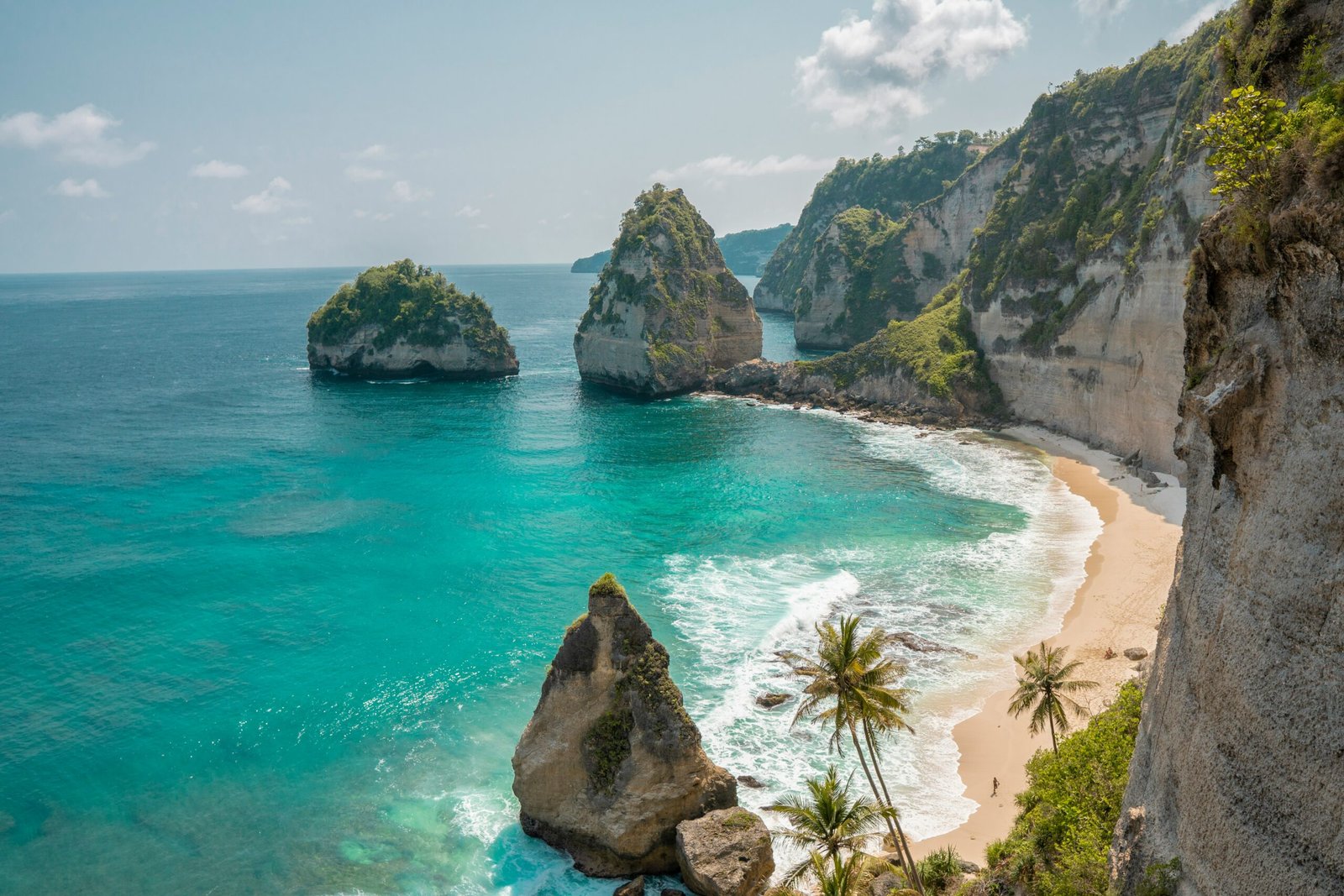
Crystal Bay, Nusa Penida
Menjangan Island, West Bali National Park
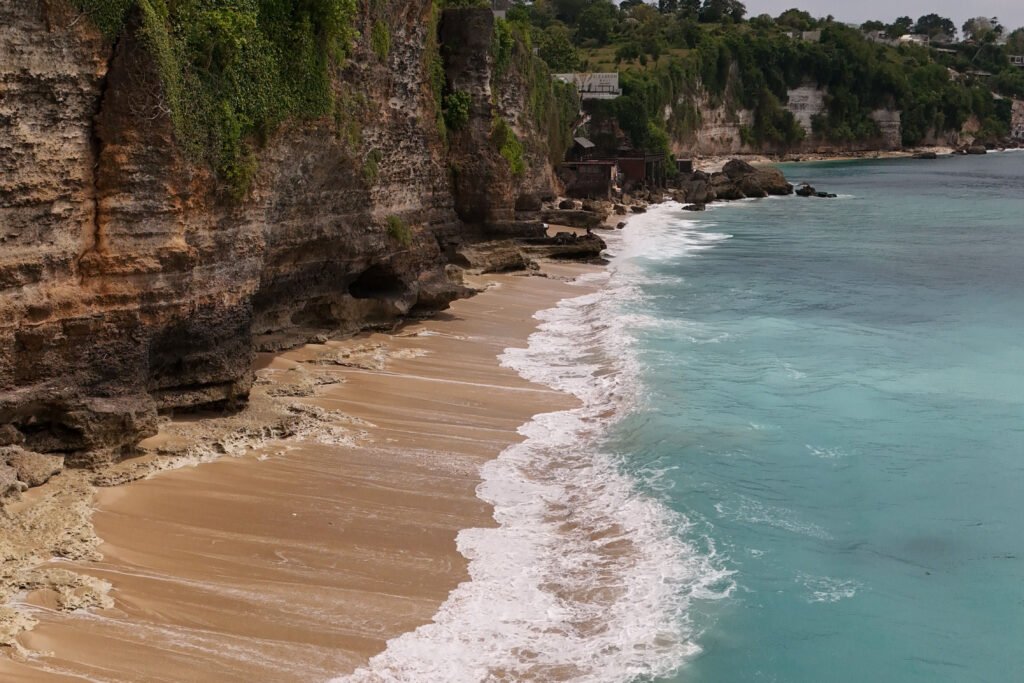
Surf Uluwatu’s reef break
Snorkel with manta rays at Manta Point
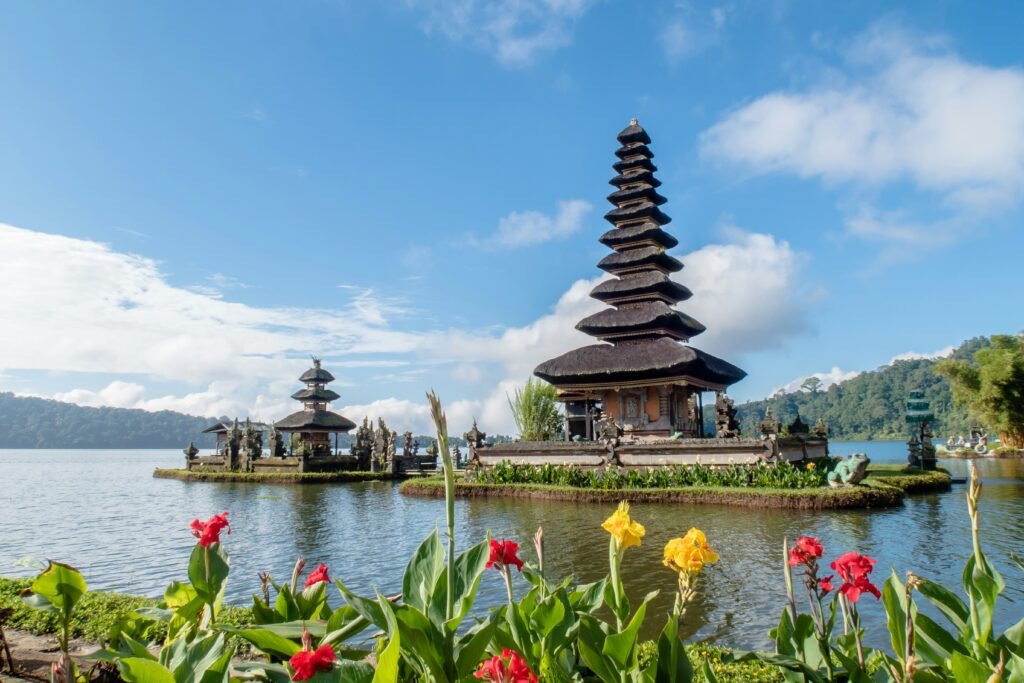
Watch sunset at Tanah Lot Temple
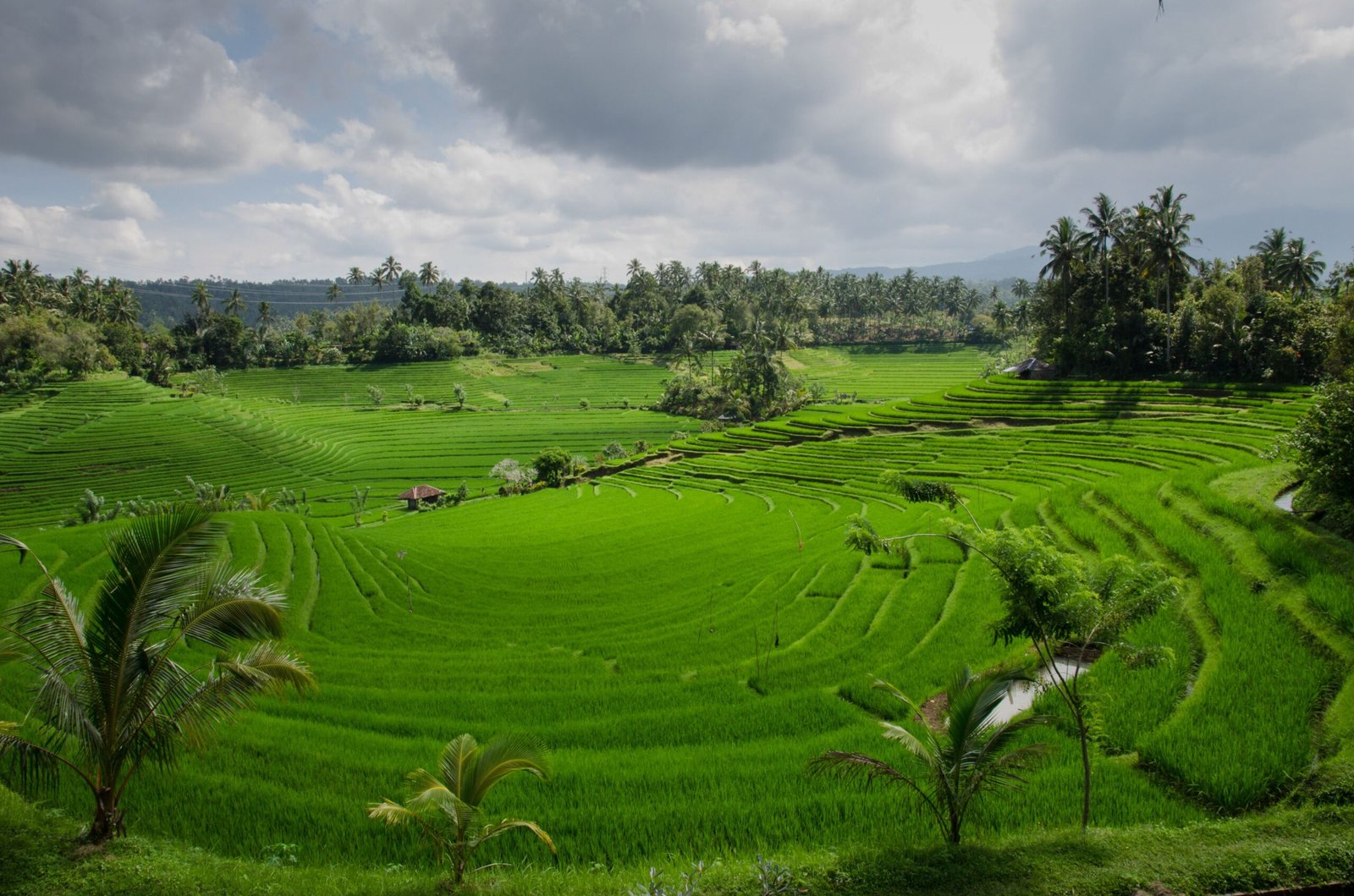
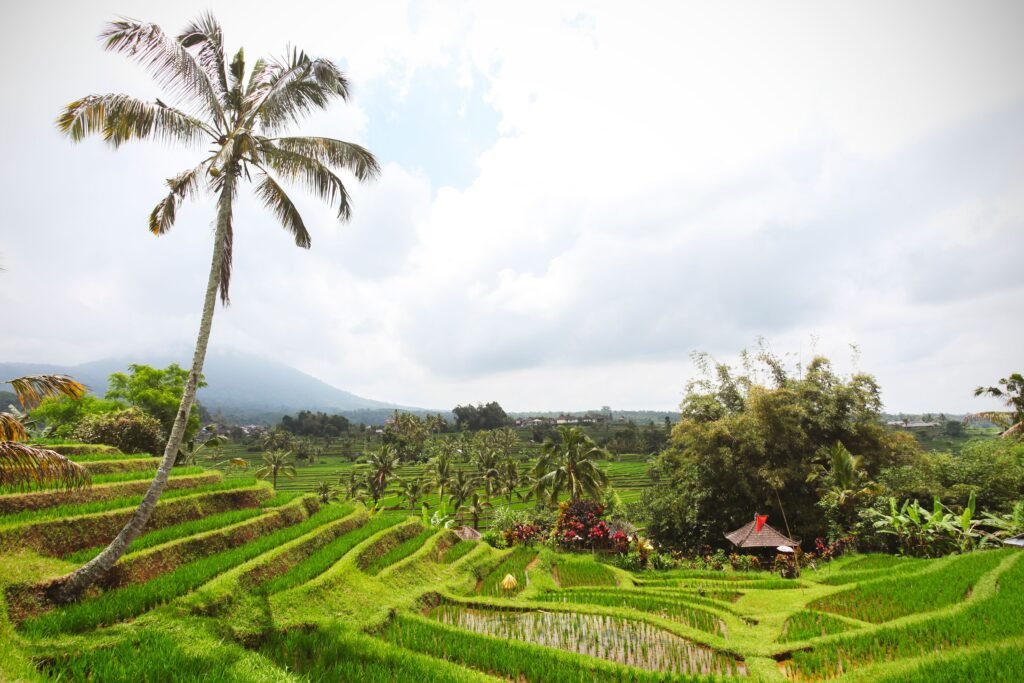
Walk the Jatiluwih rice terraces
Dive Menjangan Island’s coral walls
Uluwatu Temple
Ubud
Besakih, the Mother Temple
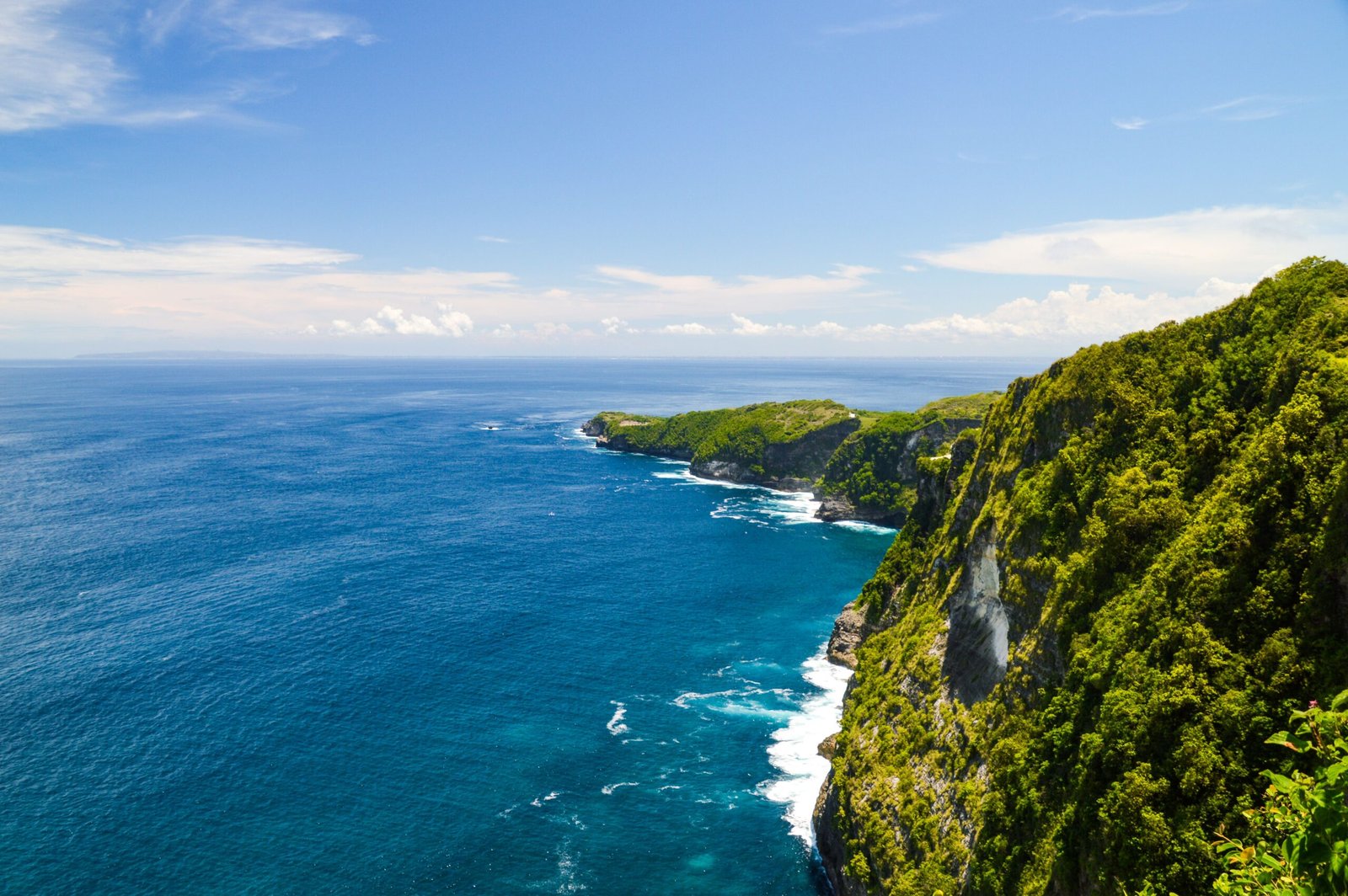
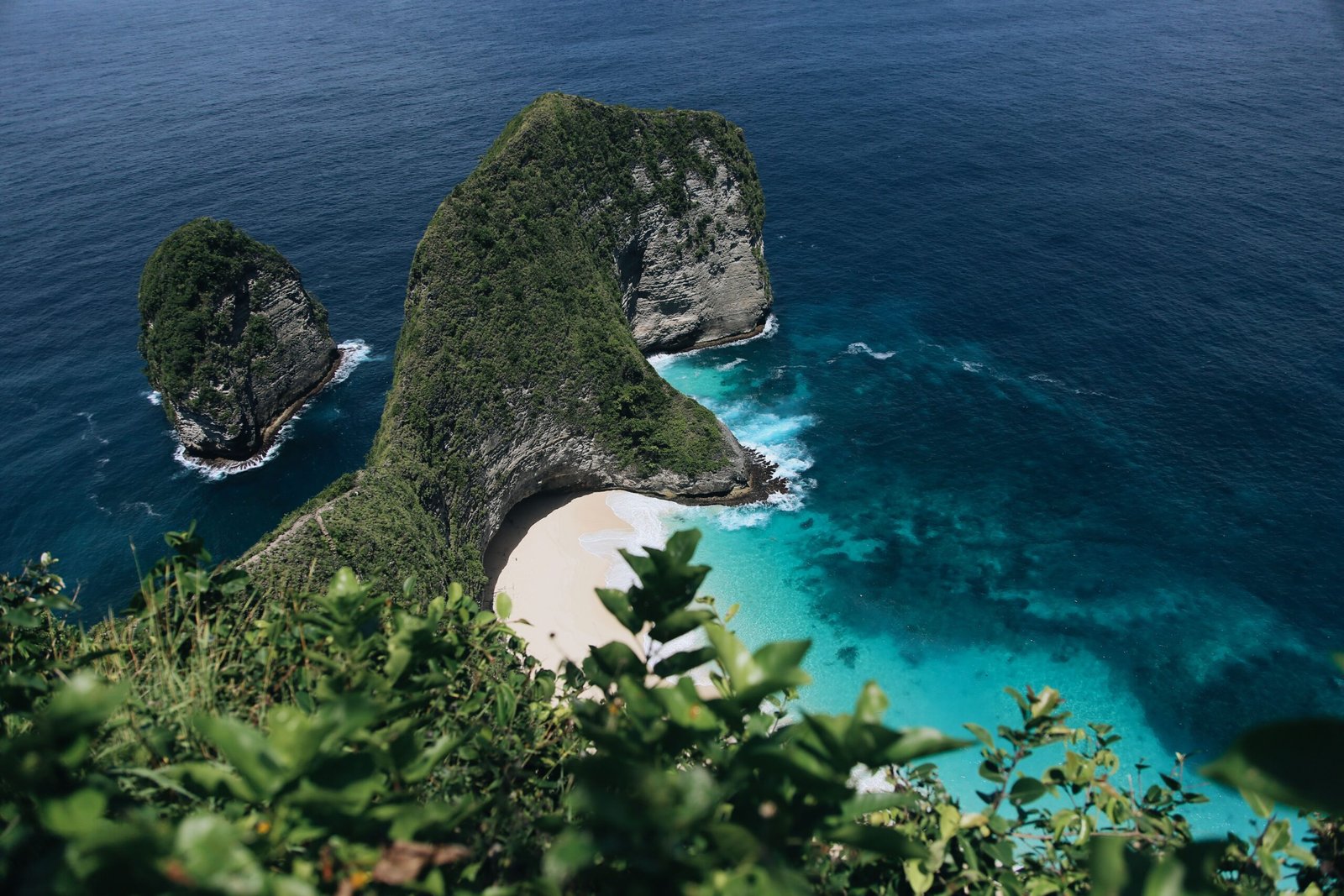
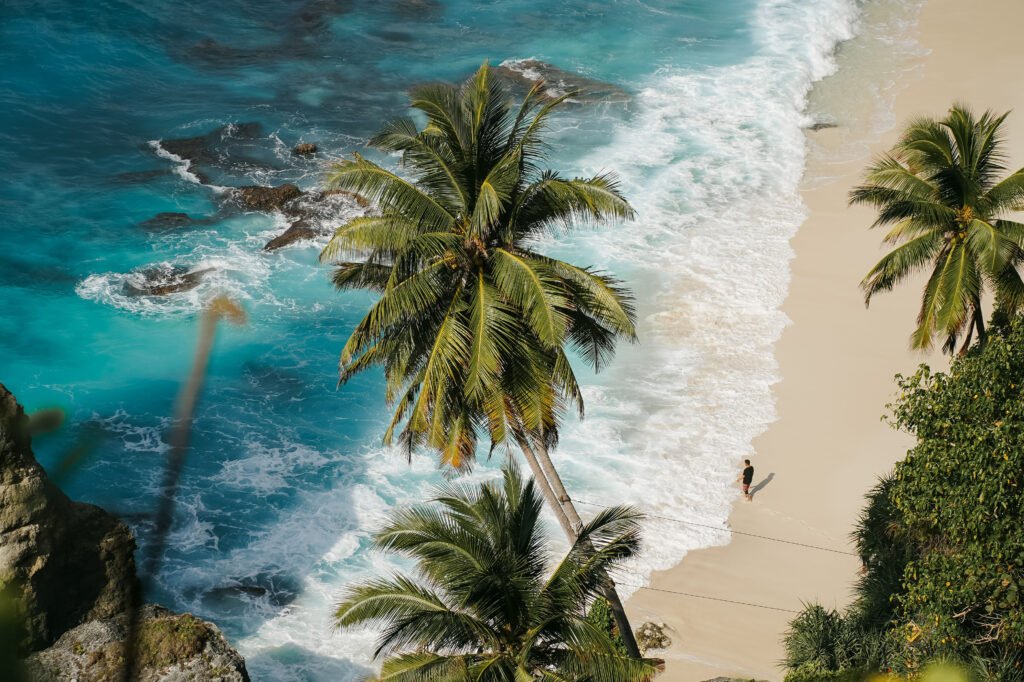
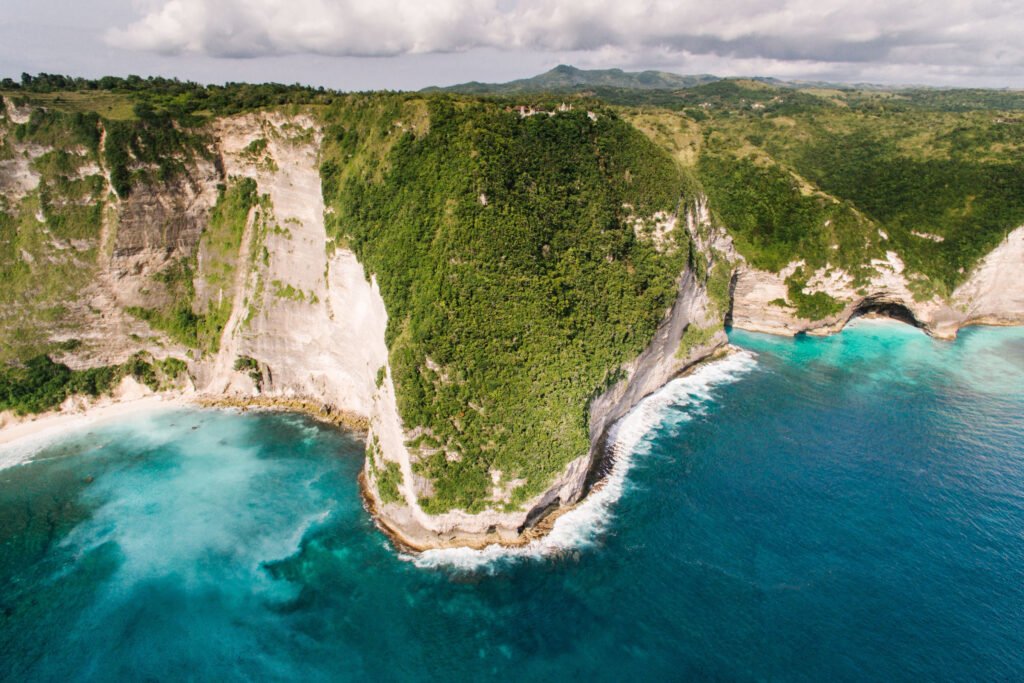
Kelingking Beach, Nusa Penida
Tegallalang Rice Terraces
The dry season, April through October, brings the calmest seas and the most reliable manta ray sightings around Nusa Penida. July and August coincide with Bali’s biggest swell along the Bukit Peninsula’s surf breaks, so guests who’d rather have calmer water may prefer May, June or September instead, when the wind eases but the dry weather still holds.
Ngurah Rai International Airport (DPS) in Denpasar is Bali’s main gateway and sits roughly 15 minutes by road from Benoa Harbour, where most charter yachts are based. It’s also Indonesia’s busiest international airport outside Jakarta, with direct flights from across Asia, Australia and the Middle East, making Bali the easiest starting point for a wider Indonesian itinerary.
Padang Bai, on the east coast, offers sheltered water close to the crossing point for Nusa Penida and Lombok. Amed’s Jemeluk Bay is calmer still and sits beside one of Bali’s best shore-diving reefs. For something livelier, Nusa Lembongan combines a protected anchorage with easy access to Crystal Bay’s coral gardens and the manta rays further round the coast at Nusa Penida.
Four to five days covers Bali’s own coastline comfortably, including a day around Nusa Penida and an evening at Tanah Lot for sunset. Extending to a week or more allows an easy add-on to Lombok and the Gili Islands, a short overnight sail east, without needing to fly between regions the way a Komodo or Raja Ampat extension would.
Yes, significantly. On Nyepi, the Balinese Day of Silence, the entire island shuts down for 24 hours, from 6am to 6am, with the airport closed to all flights and movement outside accommodation restricted except for emergencies. In 2027 it falls on 9 March. Charters need to work around it entirely, either finishing before the closure or, for guests who don’t mind the quiet, experiencing the island’s rare, complete stillness firsthand.