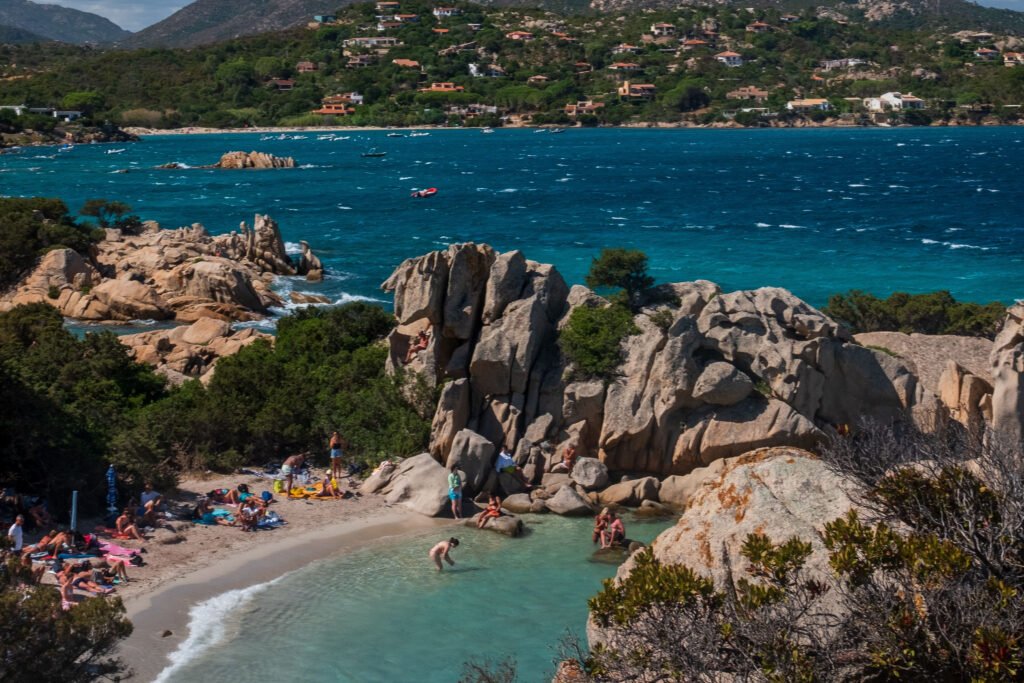
Golfo di Olbia
Isola Tavolara
Molara
Porto Istana
Pittulongu
Tour the Basilica di San Simplicio
Browse the Saturday market on Corso Umberto
Visit the old Kingdom of Tavolara settlement at Spalmatore di Terra
Explore the Roman ruins beneath the old town
Walk or jog through Parco Fausto Noce
Museo Archeologico di Olbia
Pedres Castle
Sa Testa Nuragic Holy Well
Isola Tavolara
Roman Aqueduct Remains
The window mirrors the rest of northern Sardinia: late May through September for reliably warm water and settled weather, with July and August the busiest months for both the marinas and the airport itself. Early and late season sailings, from late May into June or through September, bring lighter airport traffic, easier berthing and noticeably quieter anchorages once you’re clear of the harbour.
Olbia Costa Smeralda handled close to 3.9 million passengers in 2024, but the schedule is heavily seasonal: most of that traffic, and nearly all direct connections from outside Italy, run between April and October to match the charter season. Outside those months, guests often route through Cagliari or fly into Olbia via a domestic connection, so it’s worth checking flight schedules early for a shoulder-season charter.
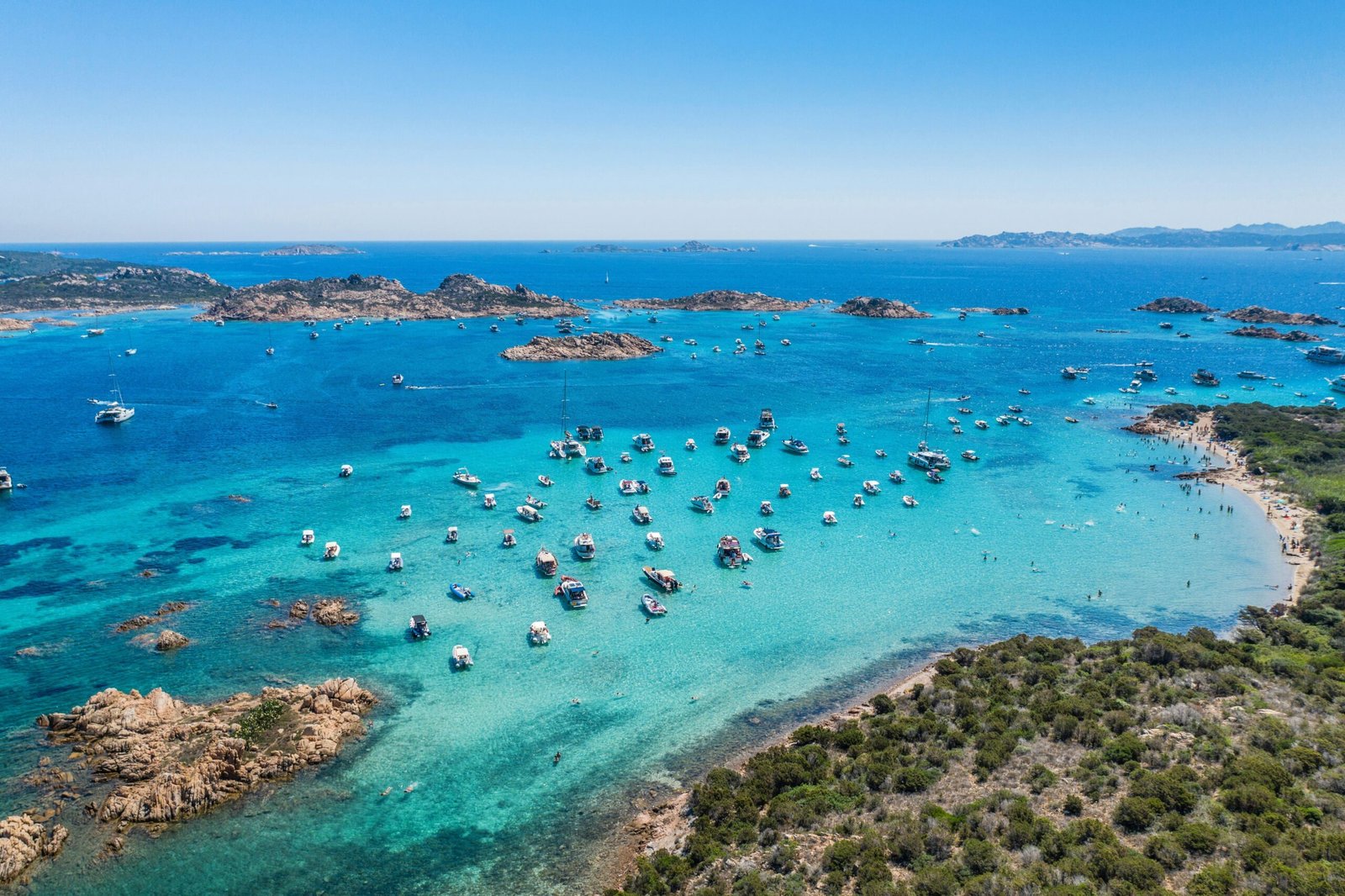
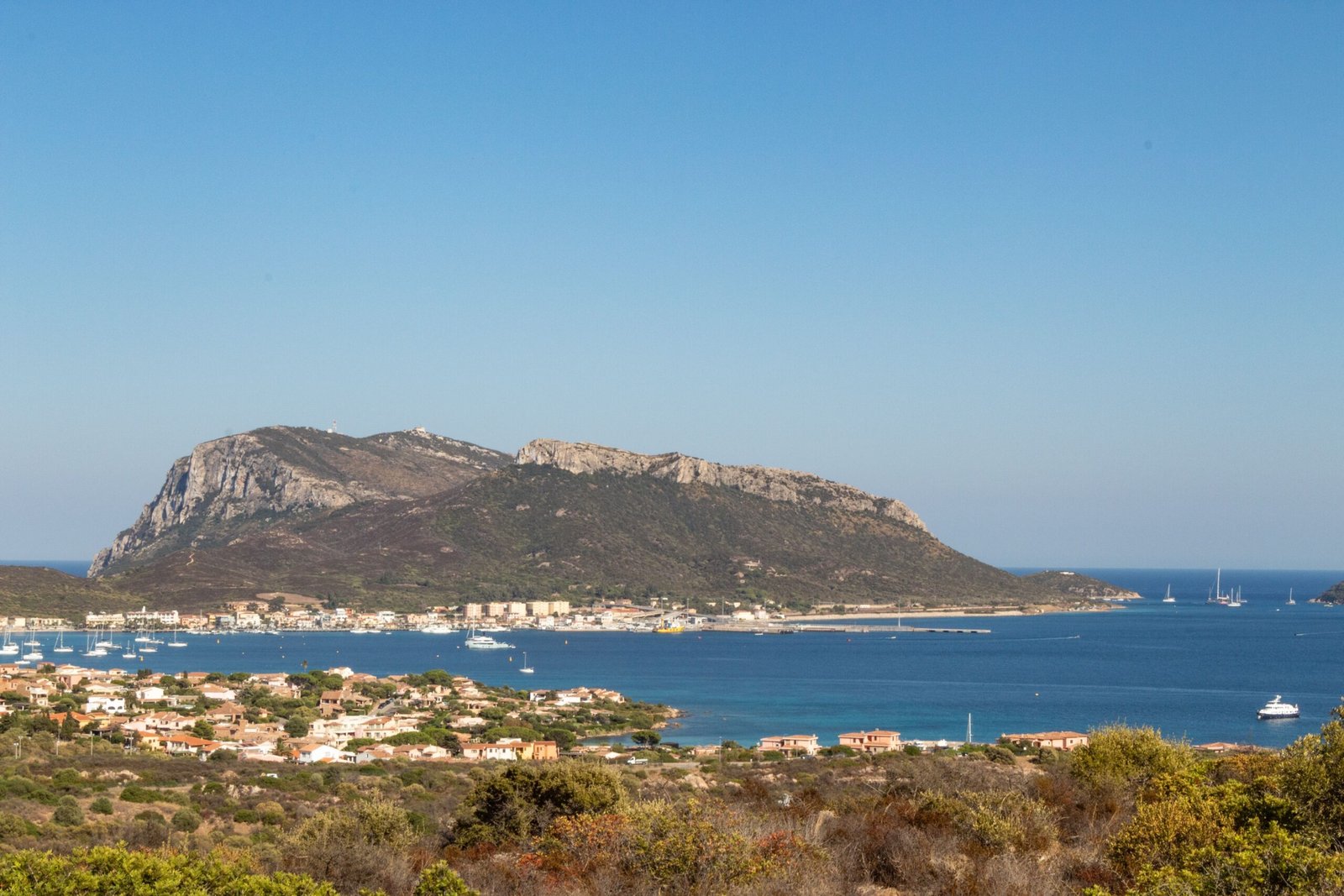
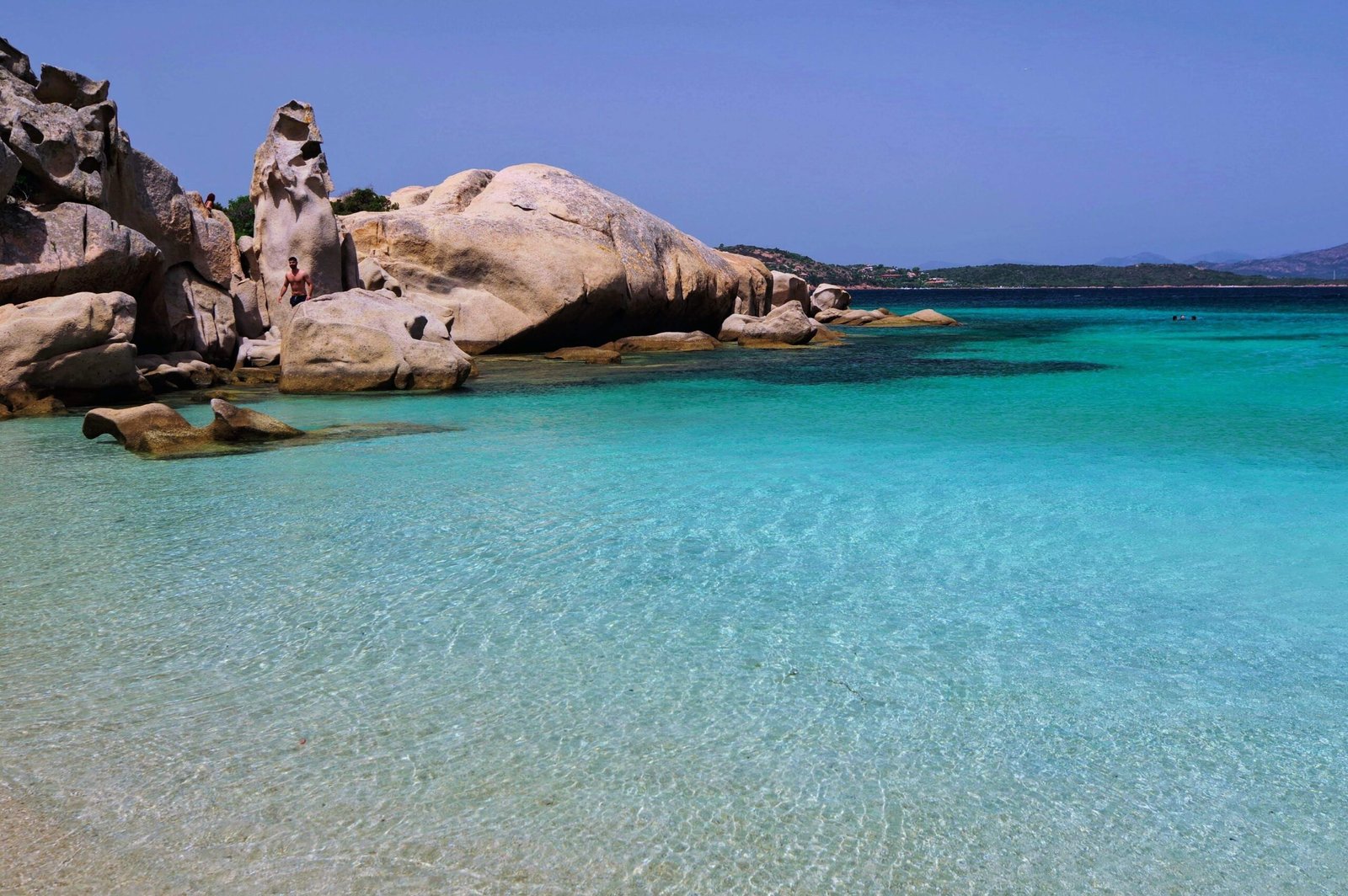
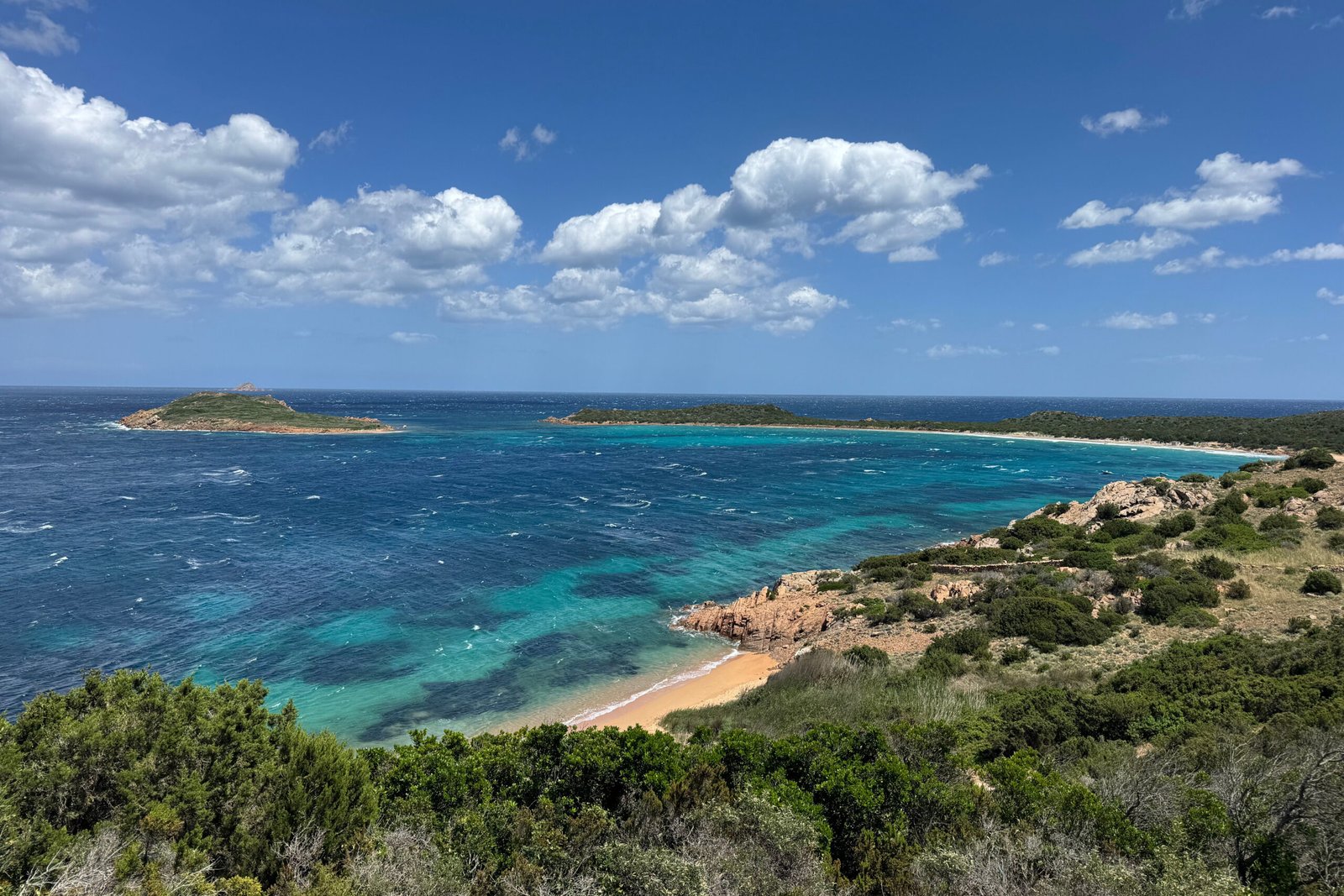
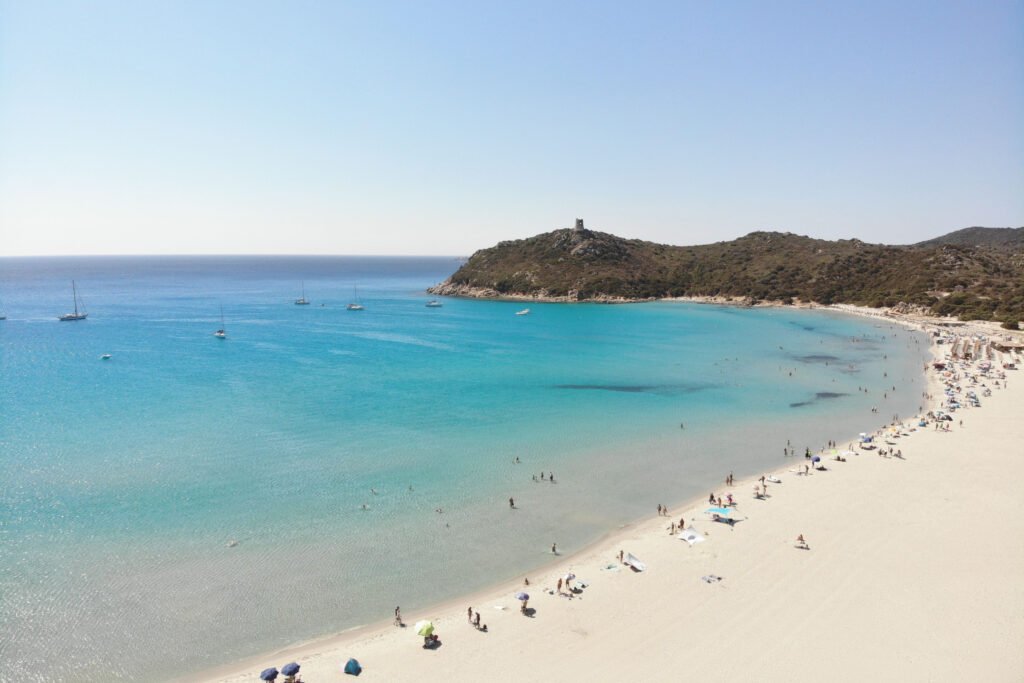
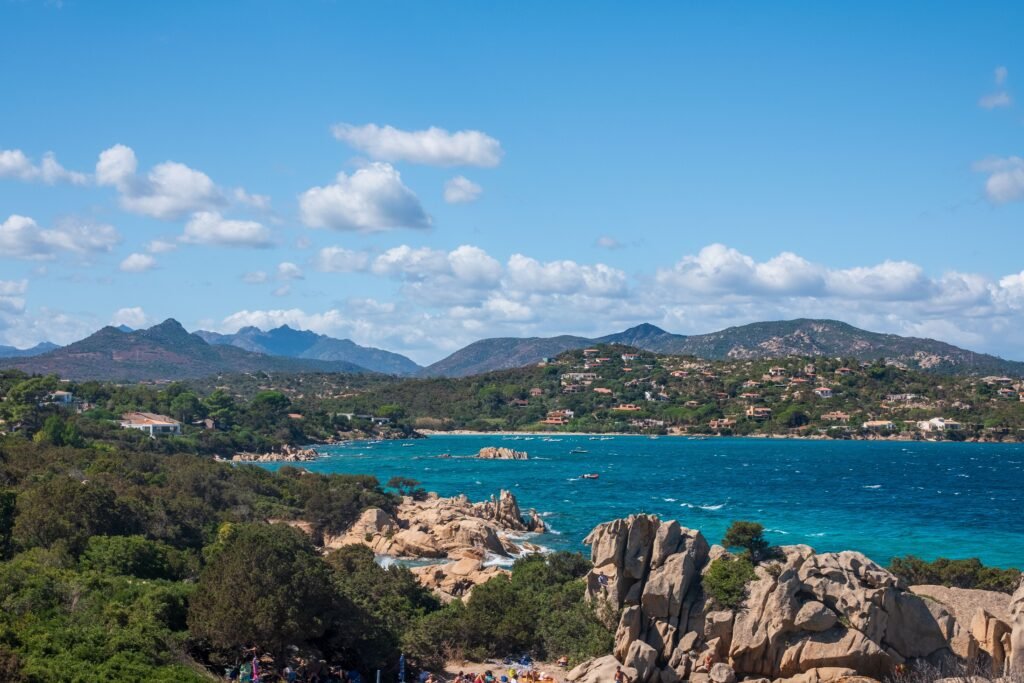
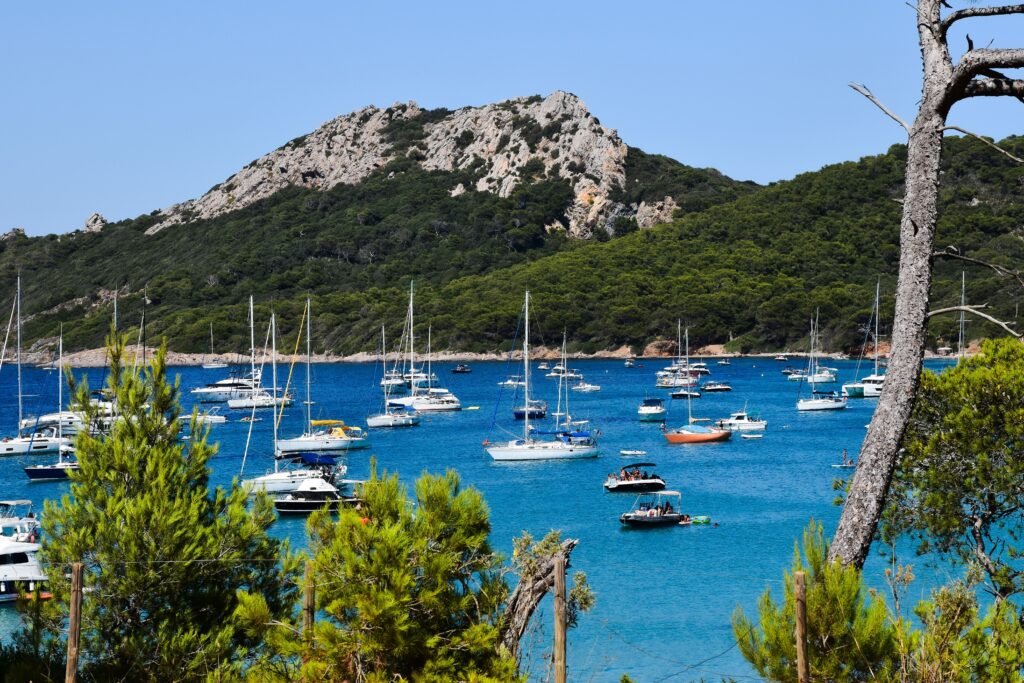
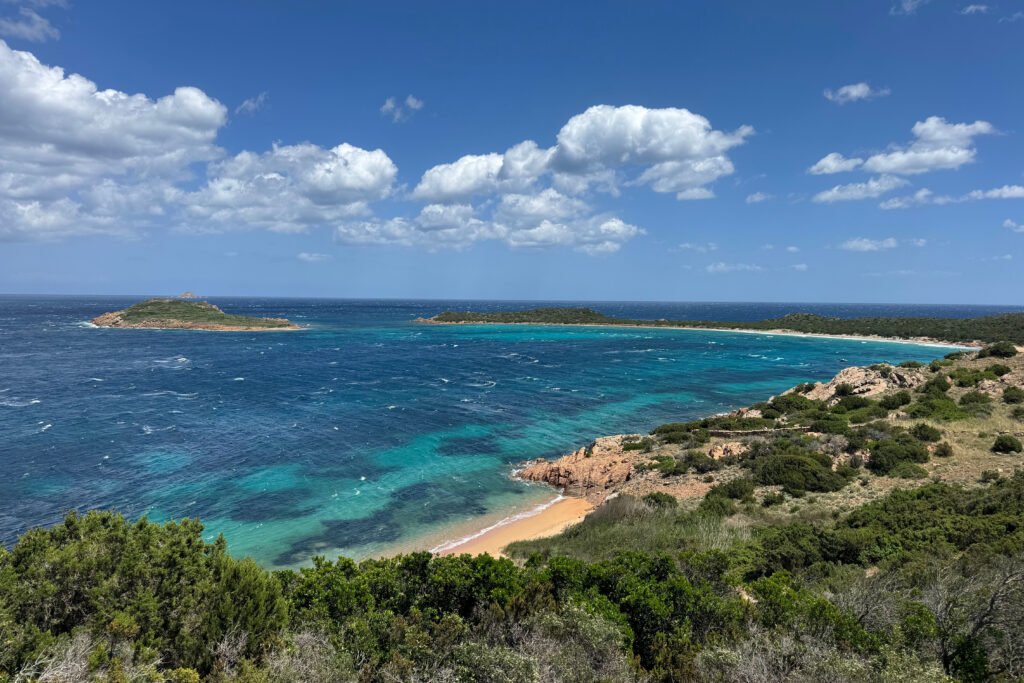
Isola Tavolara and neighbouring Molara, both inside a protected marine area, offer the most dramatic scenery within easy reach, with Tavolara’s cliffs rising 565 metres straight from the sea. Closer to the harbour, Porto Istana and the beach at Pittulongu give an easy, sheltered stop for a first or last night before or after picking up further afield in the Costa Smeralda or La Maddalena.
Most charters use Olbia purely as a start and end point, spending an hour or two exploring the old town and Basilica di San Simplicio before or after the trip rather than a full day. That said, a short first-morning detour to Tavolara or Porto Istana is an easy way to ease into the charter before pushing north to Porto Cervo or west toward La Maddalena, so it’s worth building in half a day if your schedule allows.
Yes. In 1836 an islander named Giuseppe Bertoleoni declared himself ruler of Isola Tavolara, and the self-styled Kingdom of Tavolara passed down through his family for generations, with the Italian state even paying for the island’s lighthouse in 1861 as a kind of tacit recognition. The line effectively ended in the 1930s, though a descendant, Tonino Bertoleoni, still runs a restaurant on the island today, a living thread back to its eccentric royal past.

Tell us what you would like to know, and our team will respond with clear details on availability, specification, pricing and next steps.