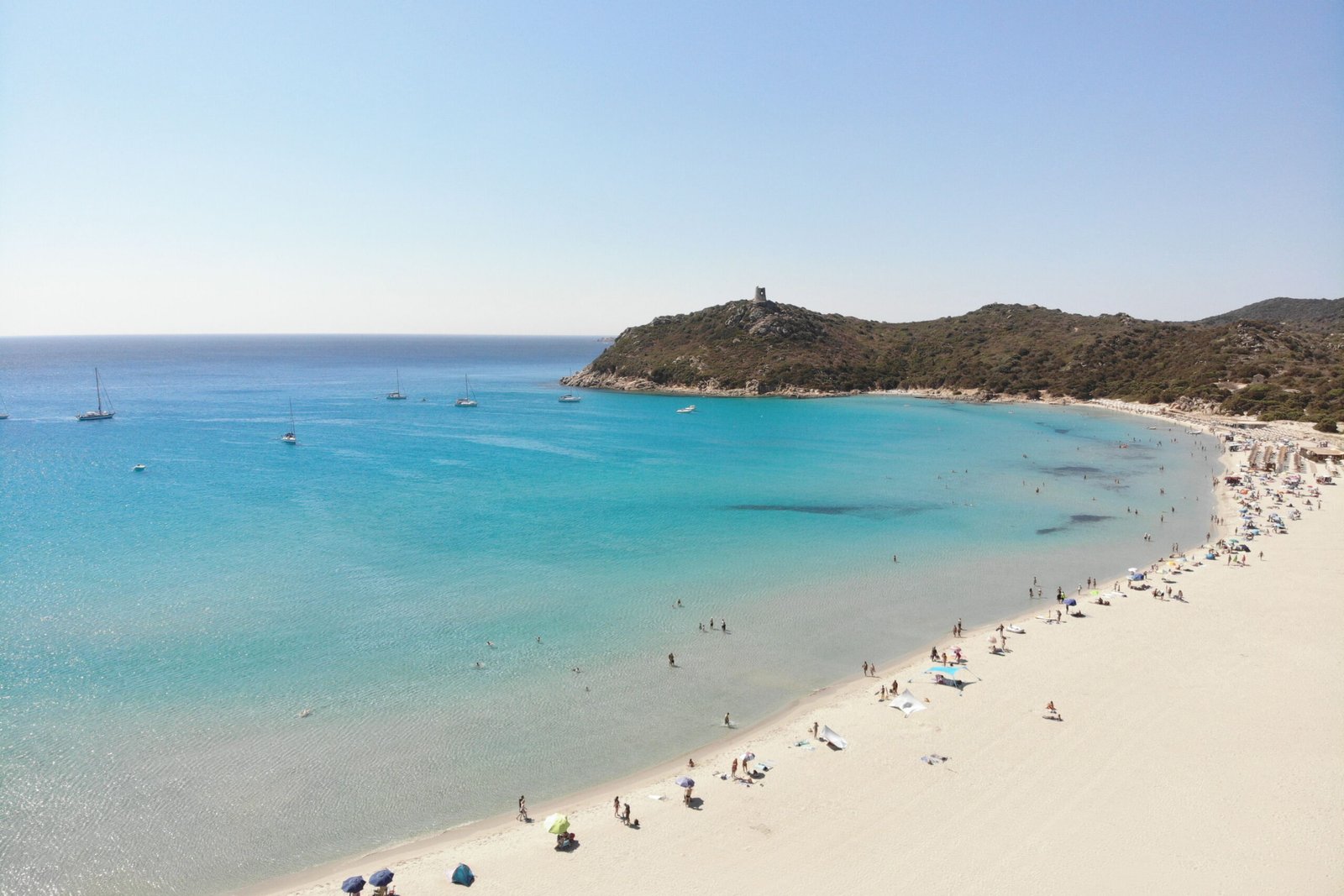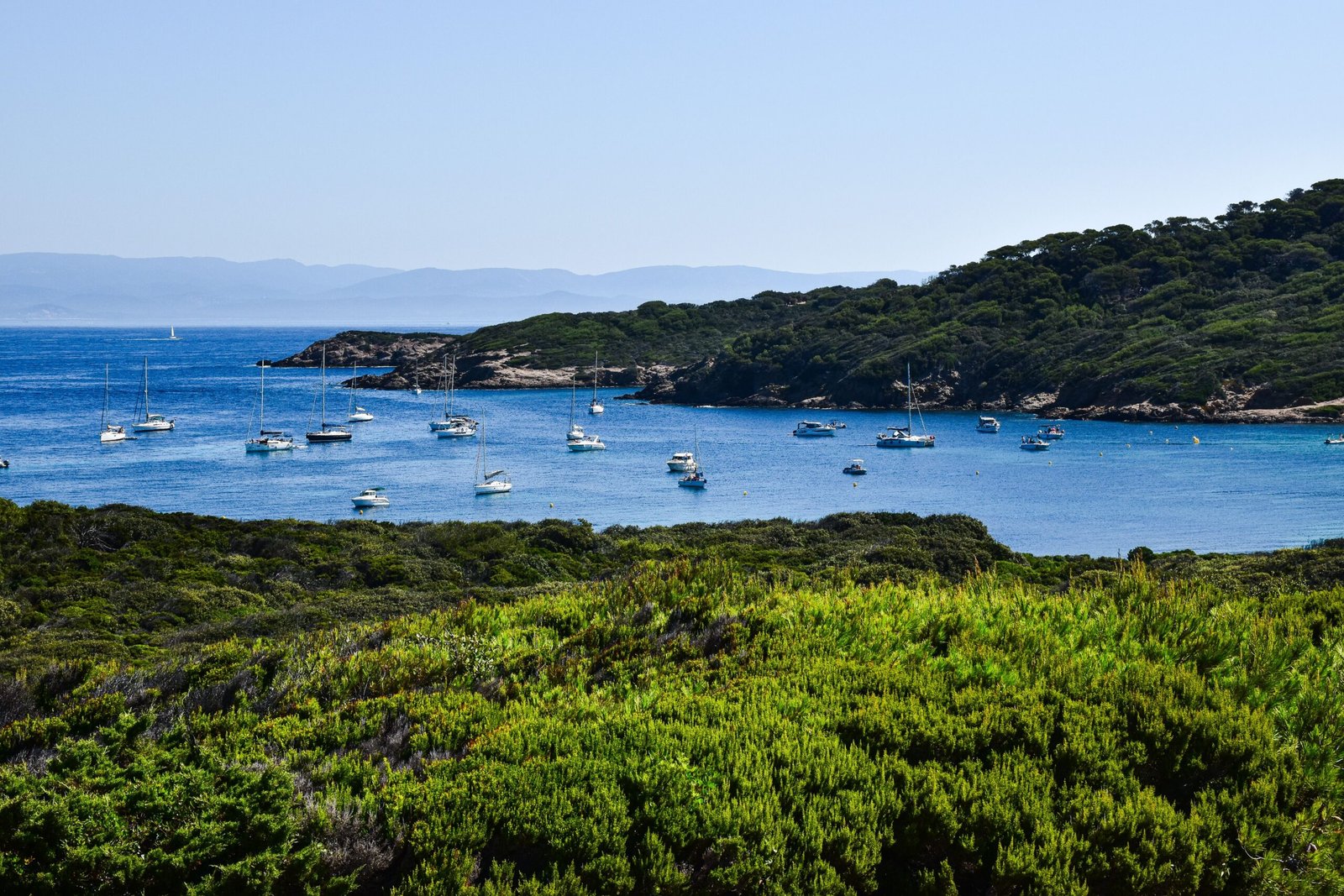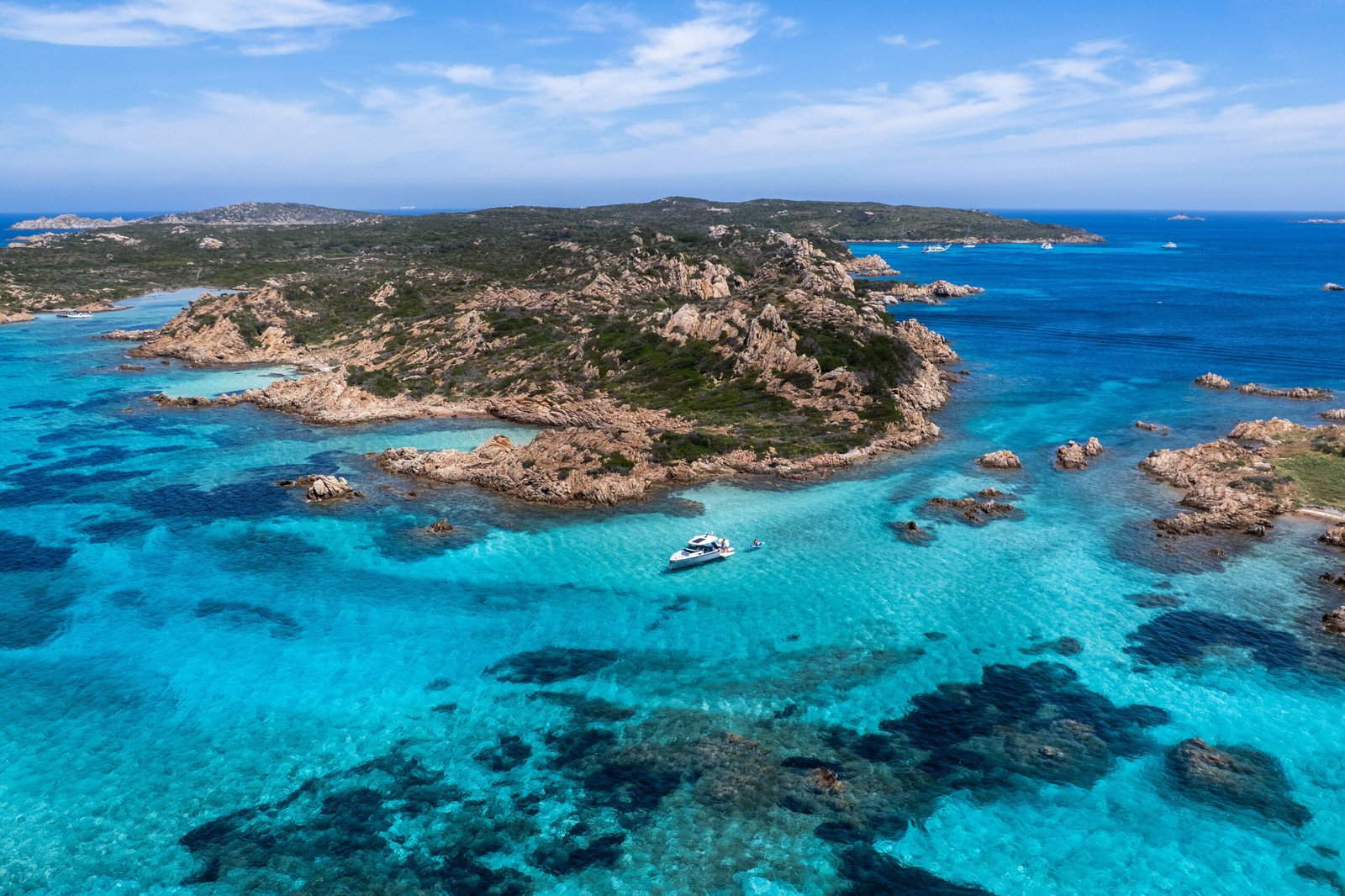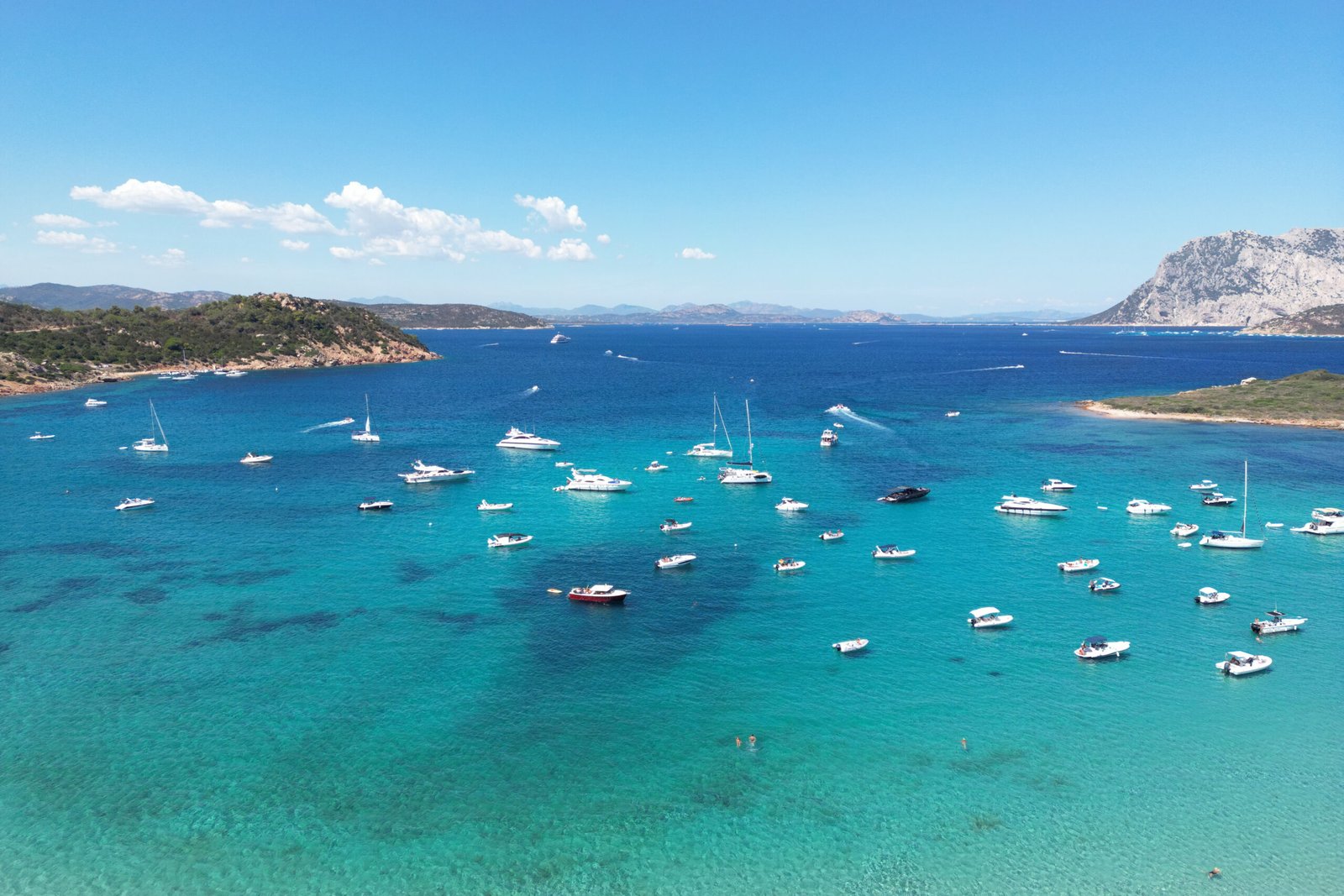
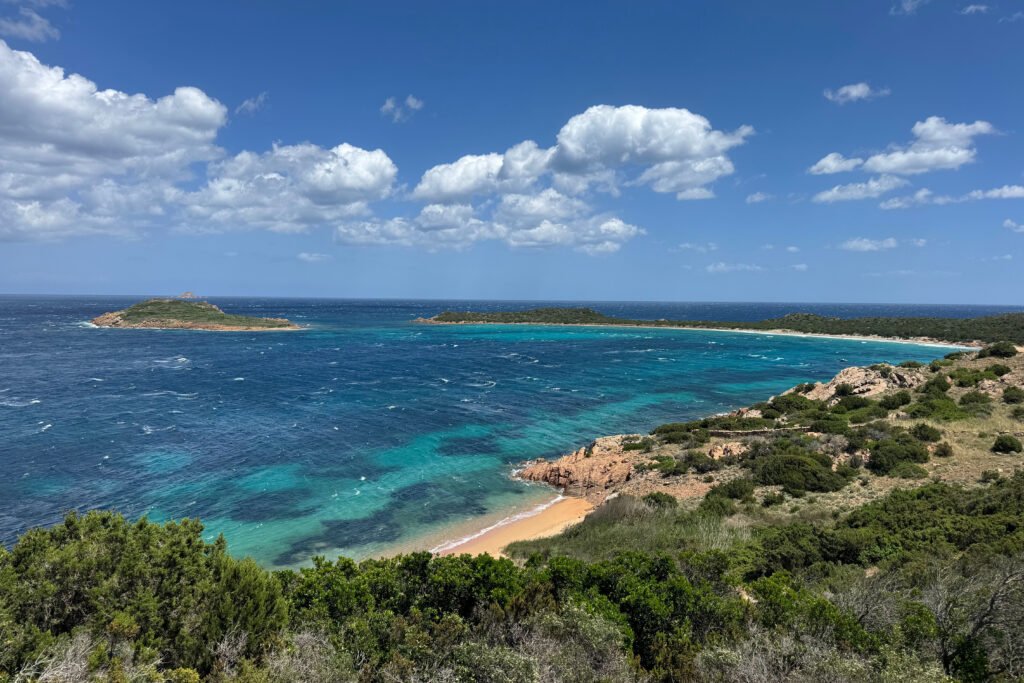
Porto Giunco
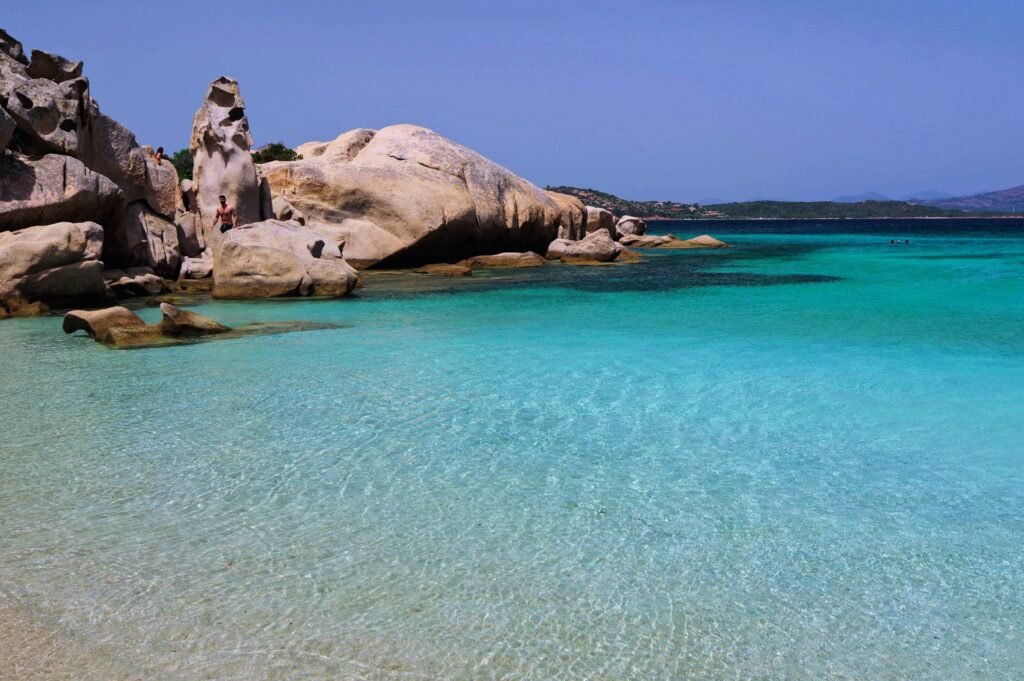
Cala Caterina
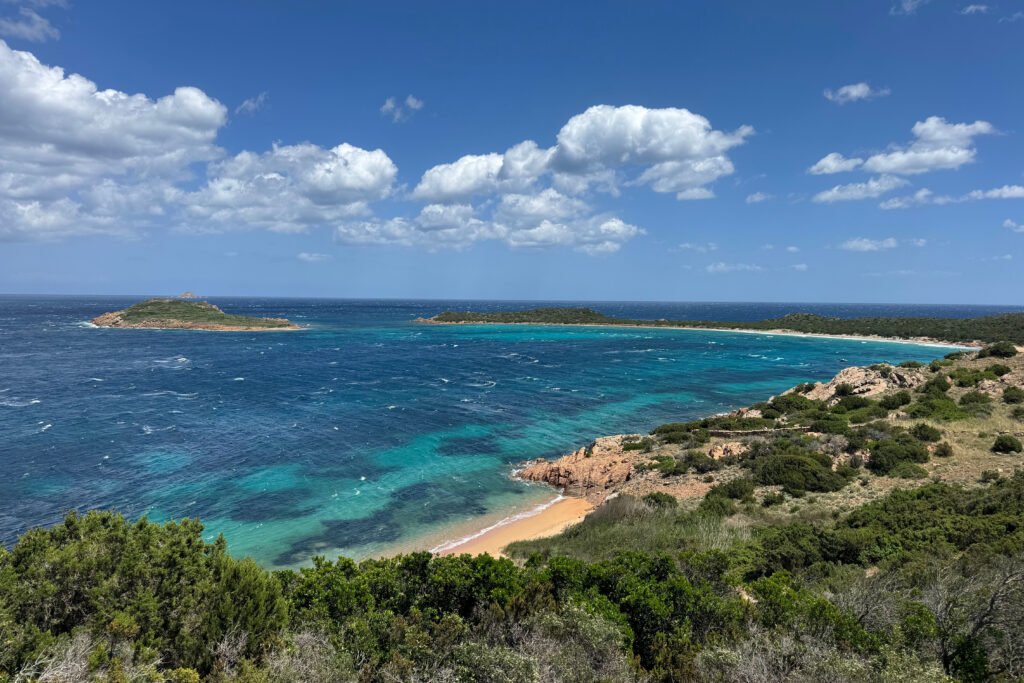
Porto Sa Ruxi
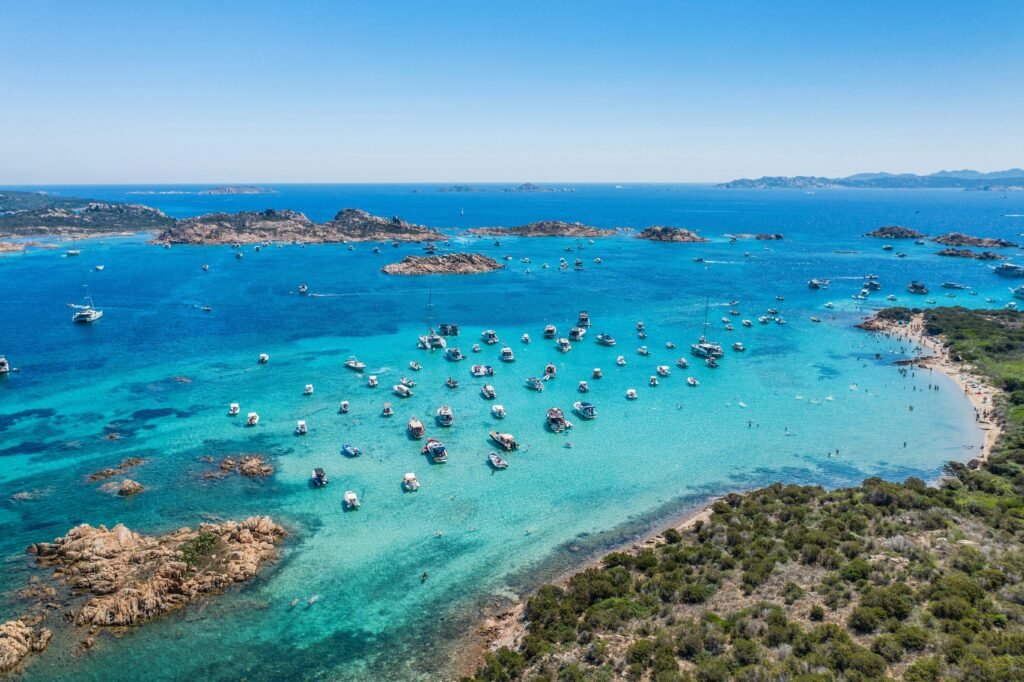
Punta Molentis
Isola dei Cavoli
Snorkel the protected reefs off Isola dei Cavoli
Swim at Punta Molentis, best arriving early for the daily cap
Climb to the Aragonese watchtower above Porto Giunco
Dive with a park-authorised guide off Serpentara
Visit the Museo Archeologico di Villasimius
Isola dei Cavoli Lighthouse
Capo Carbonara Lighthouse
Porto Giunco Watchtower
Museo Archeologico di Villasimius
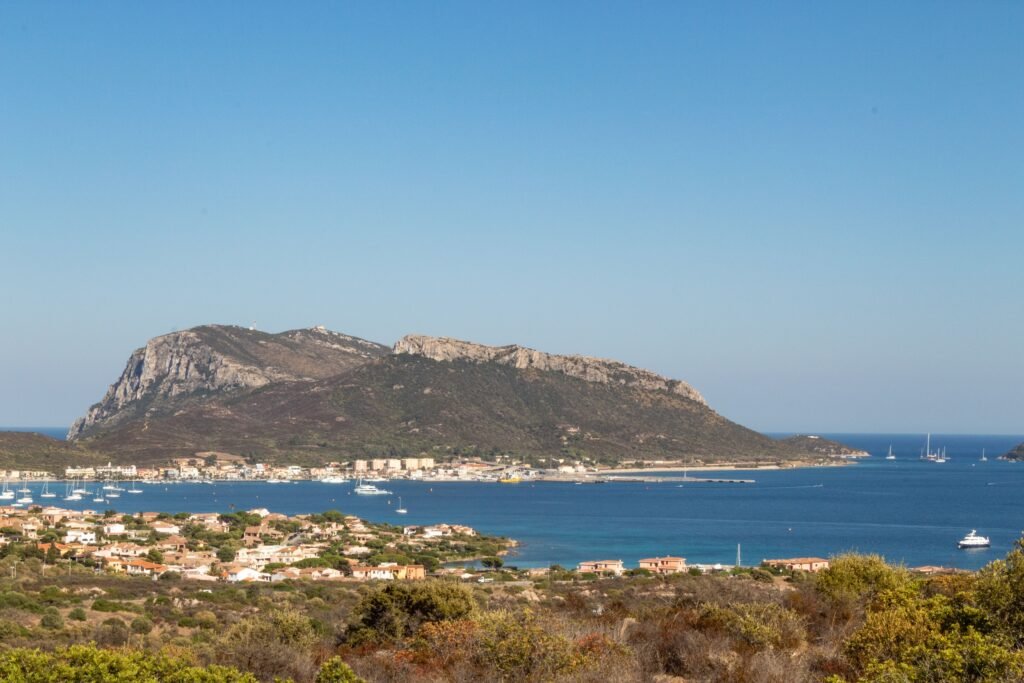
Villasimius Old Town
June to September brings the warmest water and the calmest conditions for exploring the marine reserve, with July and August the busiest around Punta Molentis and the town itself. May and late September still offer swimmable water and clearer underwater visibility, with far fewer boats competing for the best anchorages. Winds from the northwest can pick up in early summer, so it’s worth checking the forecast before committing to the more exposed coves.
Cagliari Elmas Airport (CAG) is the nearest, roughly 60km and about an hour’s drive from Villasimius, with regular connections from major Italian and European cities year-round. Most charter guests fly into Cagliari and join their yacht directly at the marina, or arrange a transfer if boarding elsewhere on the south coast. Olbia’s airport, further north, is a realistic alternative for itineraries that combine Villasimius with the Costa Smeralda.
Porto Giunco and Cala Caterina are the most sheltered options close to town, both offering easy access to sandy beaches and calm swimming. For clearer water and richer marine life, the coves off Isola dei Cavoli are hard to beat, though anchoring is restricted to sand outside the reserve’s fully protected core. Porto Sa Ruxi, a little further south, rewards the extra distance with excellent snorkelling and fewer boats.
One to two days is enough to swim the main beaches, snorkel the marine reserve and take in the old town, making Villasimius a natural stop on a wider southern Sardinia itinerary rather than a full week’s base. Many charters pair it with Cagliari, half a day’s sail to the west, or continue up the east coast toward the Costa Smeralda. Guests focused on diving sometimes extend their stay to cover more of the reserve’s zones.
Yes. The Capo Carbonara Marine Protected Area, established in 1998, is split into three zones: a fully protected core around Serpentara where only park staff and authorised guided dives are allowed, a buffer zone requiring authorisation for diving and a 10-knot speed limit, and a wider coastal zone where anchoring is permitted only on sand, never on seagrass. Crews should check the current zone boundaries before dropping anchor, since fines apply for damaging protected seabed.

Tell us what you would like to know, and our team will respond with clear details on availability, specification, pricing and next steps.