Leeward Islands / Saba
10 Guests

Fort Bay
Wells Bay
Ladder Bay
Torrens Point
Tent Bay
Dive the pinnacles at Third Encounter
Snorkel the shallows off Torrens Point
Climb Mount Scenery’s 1,064 steps
Learn Saba lace-making in Windwardside
Walk The Road from Fort Bay to The Bottom
Windwardside
St. John’s
Hell’s Gate
Queen Wilhelmina Park, The Bottom
Spring Bay Flat
Saba is really a fair-weather stop: its moorings sit exposed on a steep volcanic coast, so conditions matter more than the calendar. December through April brings the calmest seas and the best chance of a comfortable overnight at Wells Bay or Ladder Bay, while during hurricane season, June to November, swell and short-notice weather windows make Saba a less reliable add to an itinerary. Diving is good year-round, with the clearest water typically from late spring into summer.
There’s no direct flight from outside the region: most visitors connect through Sint Maarten’s Princess Juliana International Airport (SXM) and take a short hop to Saba’s own Juancho E. Yrausquin Airport, whose 400-metre runway is among the shortest used by commercial aircraft anywhere, or catch the passenger ferry from Simpson Bay. Yachts should proceed straight to Fort Bay to check in with customs and immigration and pick up a mooring.
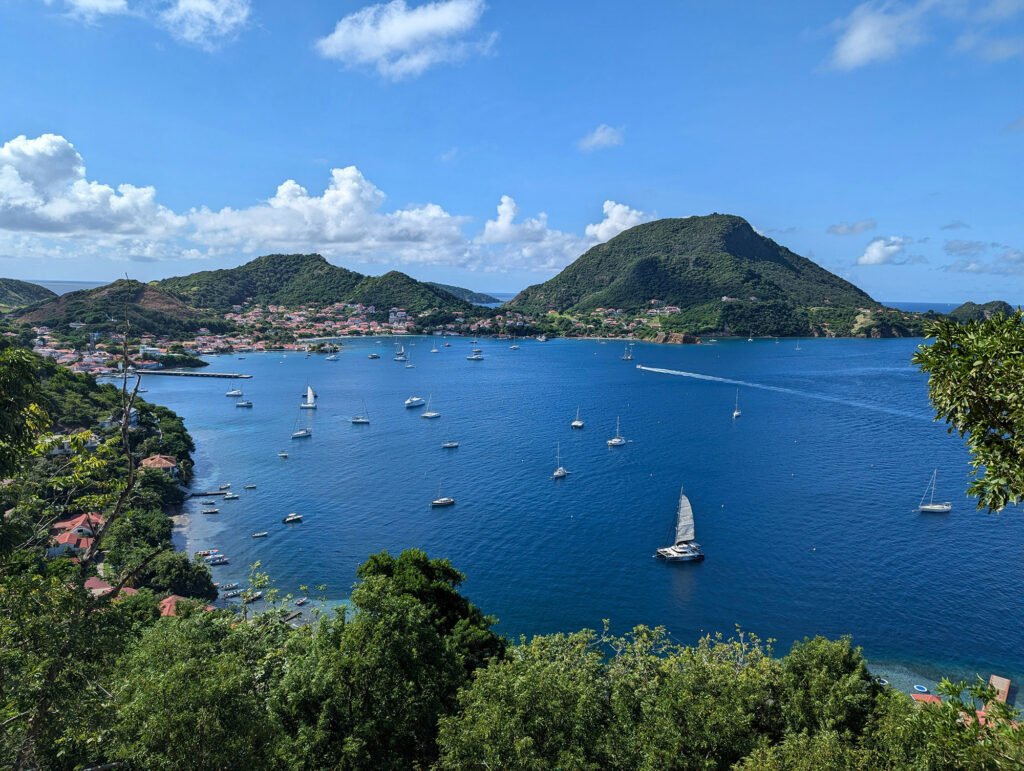
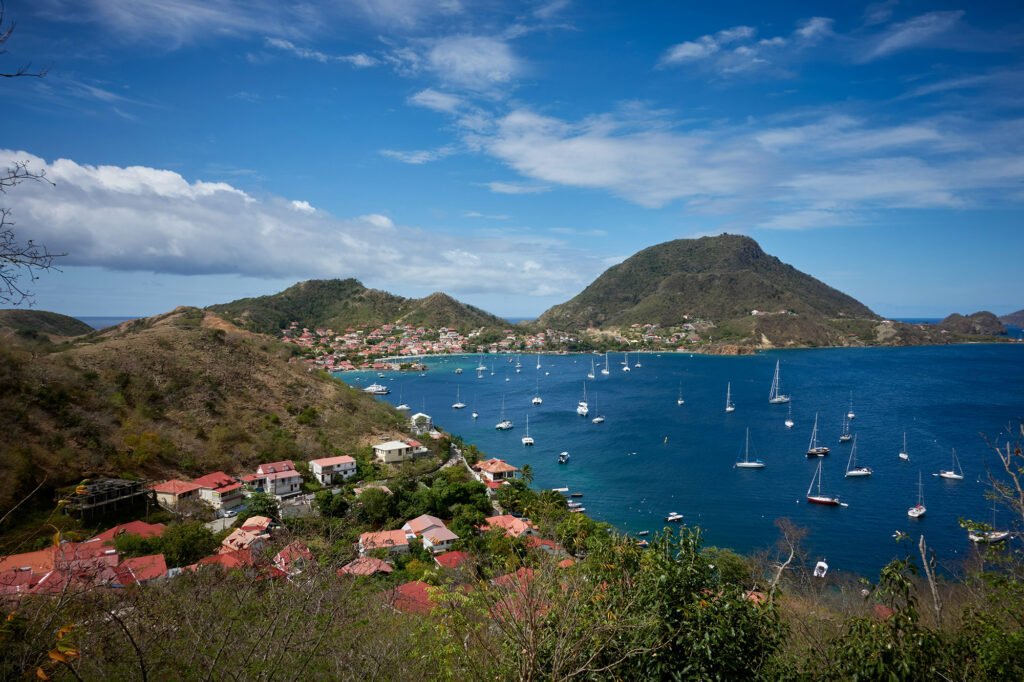
Fort Bay is the official port of entry, though its moorings are exposed to south and south-east swell. Most cruisers check in there and then move to the more sheltered mooring fields at Wells Bay or Ladder Bay on the island’s calmer west side for an overnight stay. Anchoring isn’t the norm here: fixed moorings protect the volcanic reef, so plan to pick one up rather than drop a hook.
One or two nights suits most itineraries, enough time for a couple of dives, the hike up Mount Scenery and a wander through Windwardside’s lace shops and gardens. Saba works best as a striking detour from a longer Sint Maarten or Saint Kitts charter rather than a standalone base, since it has no beaches and limited shelter for longer stays.
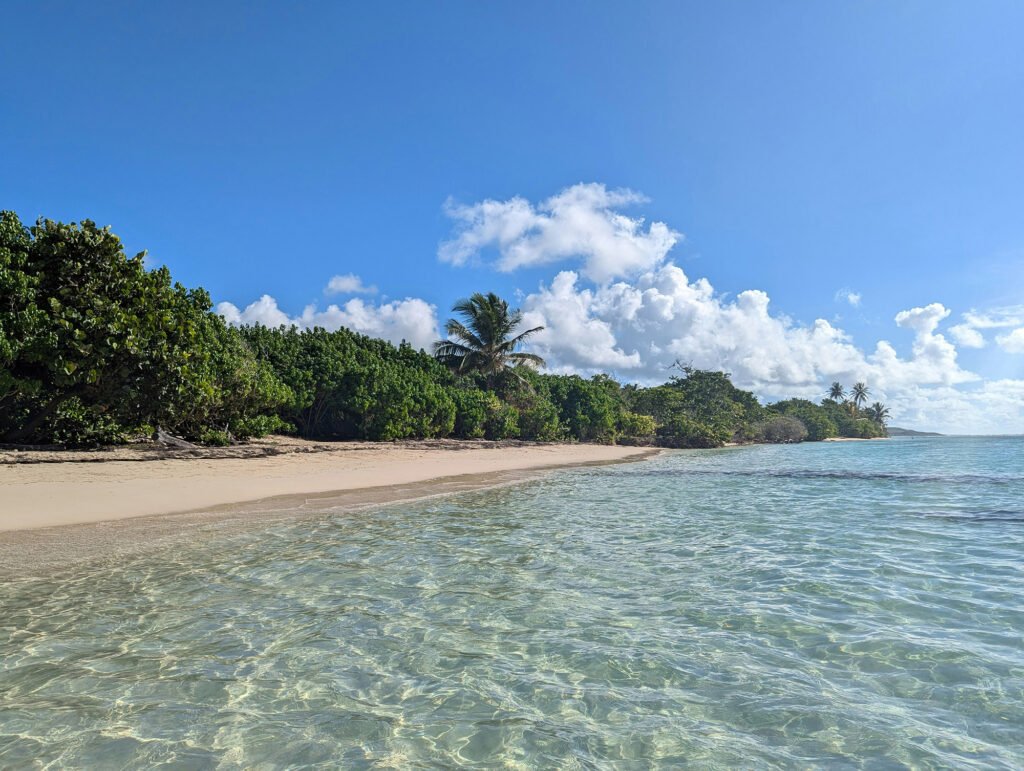
The island is the exposed tip of a dormant volcano, its coast dropping almost straight into the sea, so there’s no shallow shelf for sand to collect. The closest thing is a small stretch that can appear at Cove Bay after calm periods, though it may vanish again with the next swell. What Saba lacks in beaches it makes up for in what lies beneath the water: the marine park’s walls and pinnacles start just offshore, no long swim or long anchorage required.

Tell us what you would like to know, and our team will respond with clear details on availability, specification, pricing and next steps.