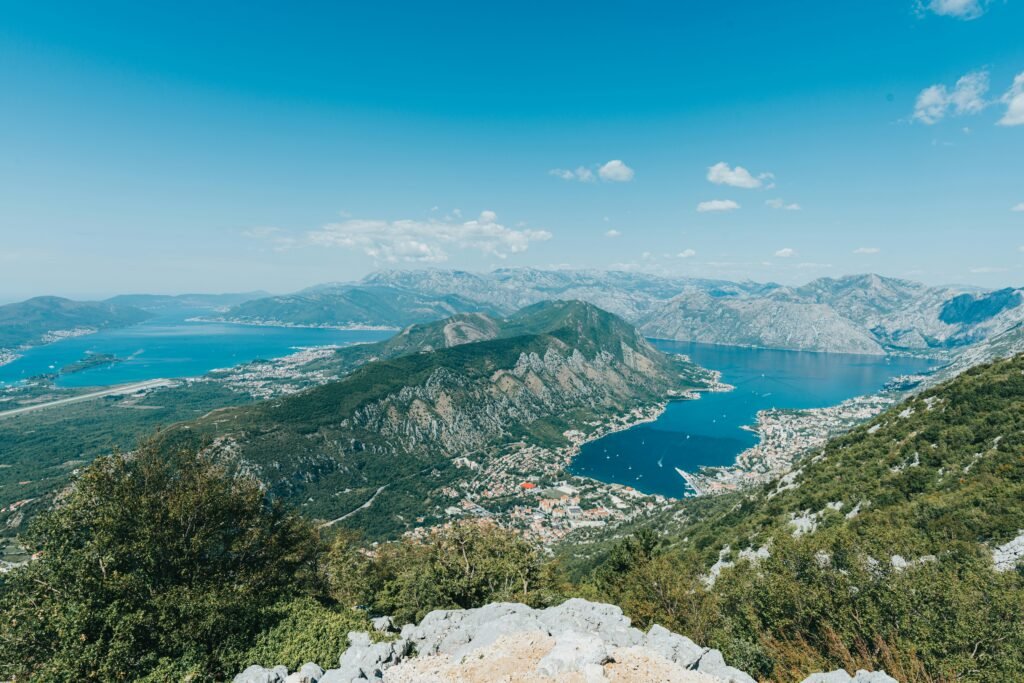
Montenegro / Bay of Kotor
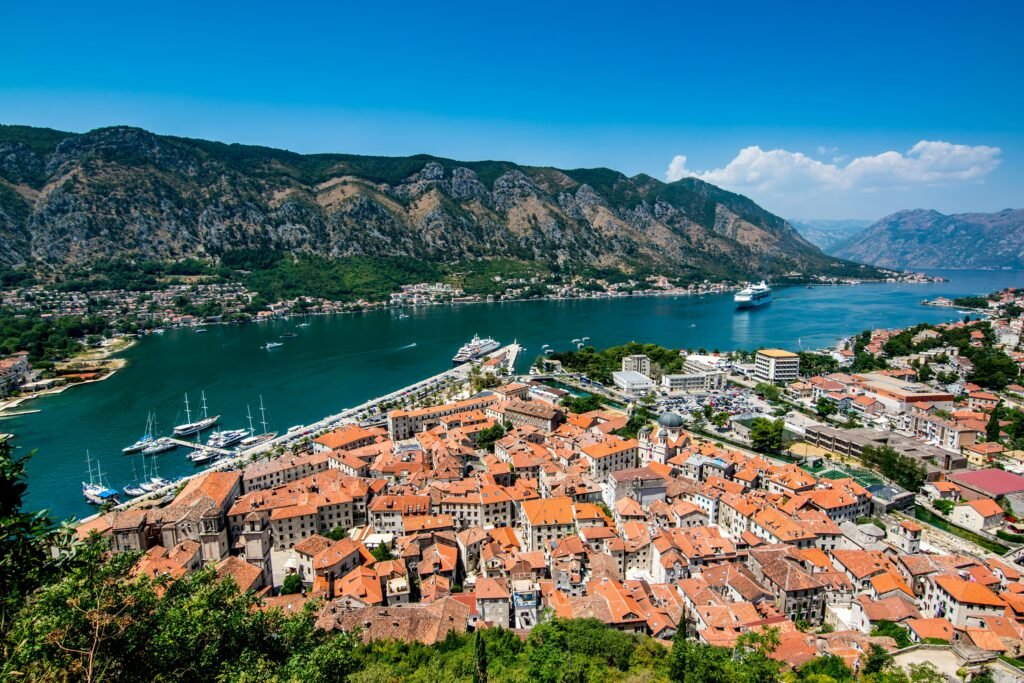
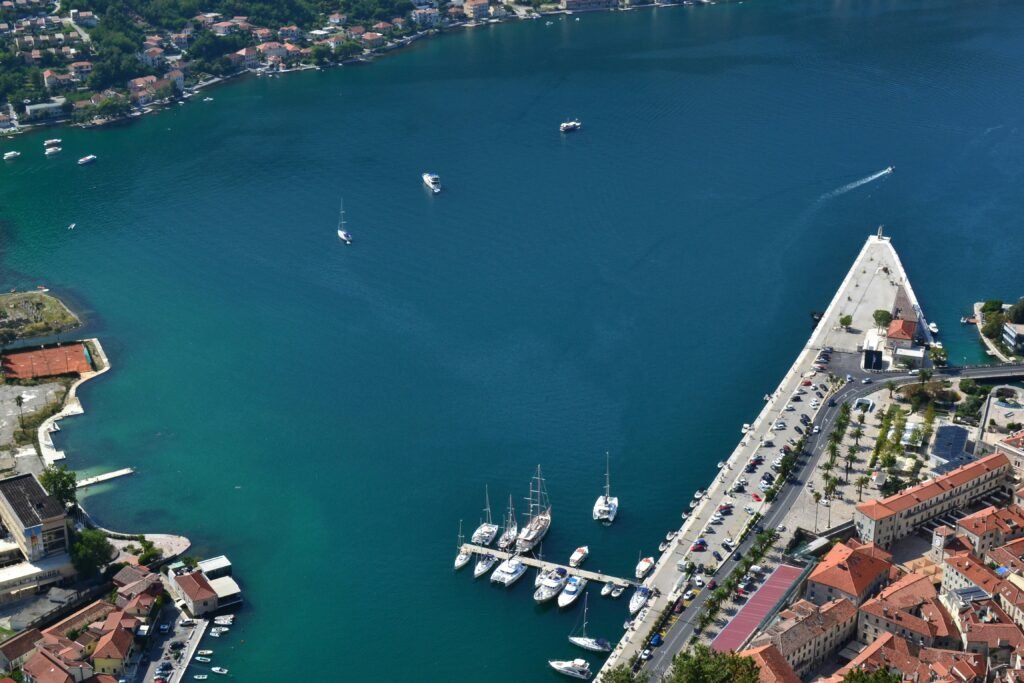
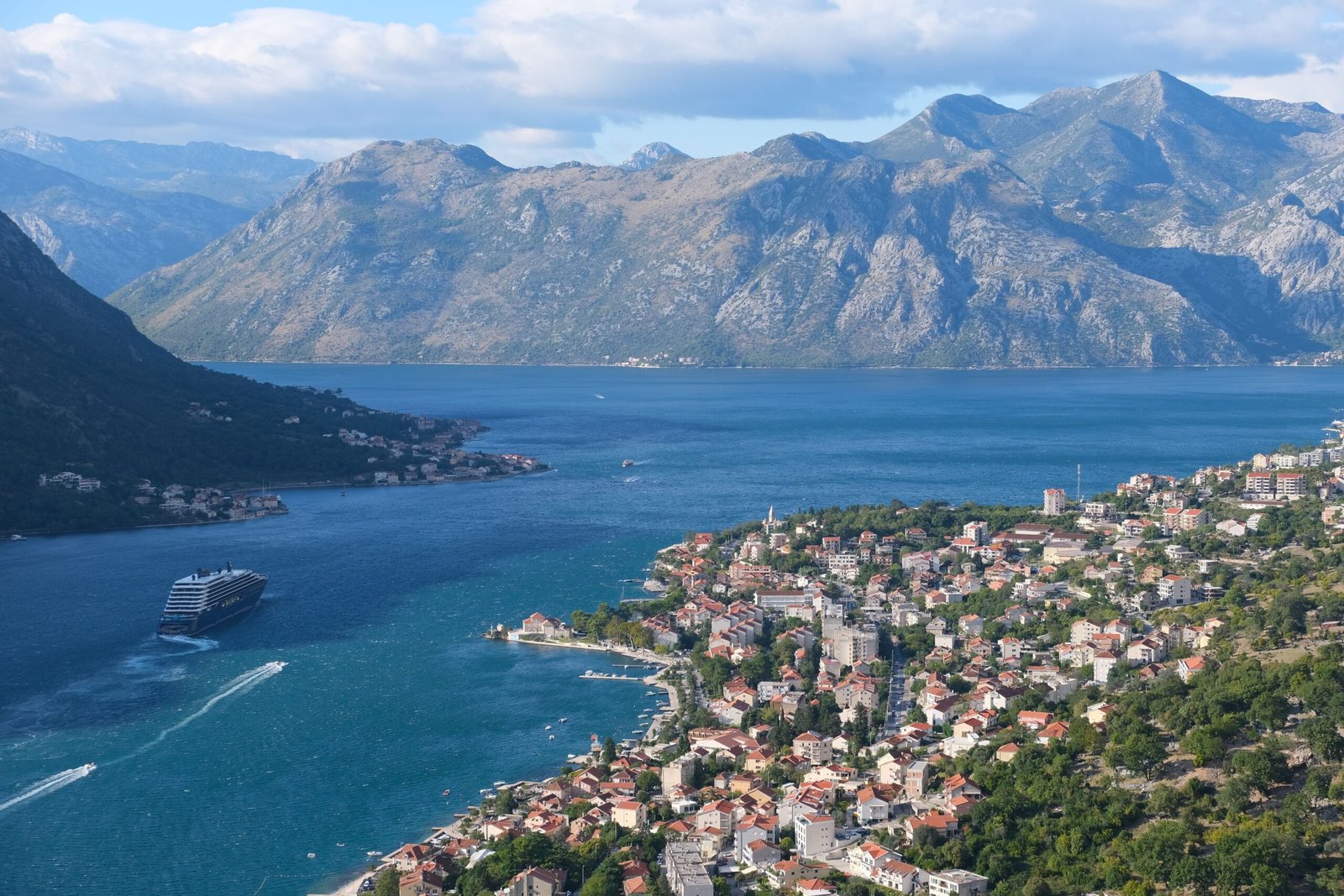
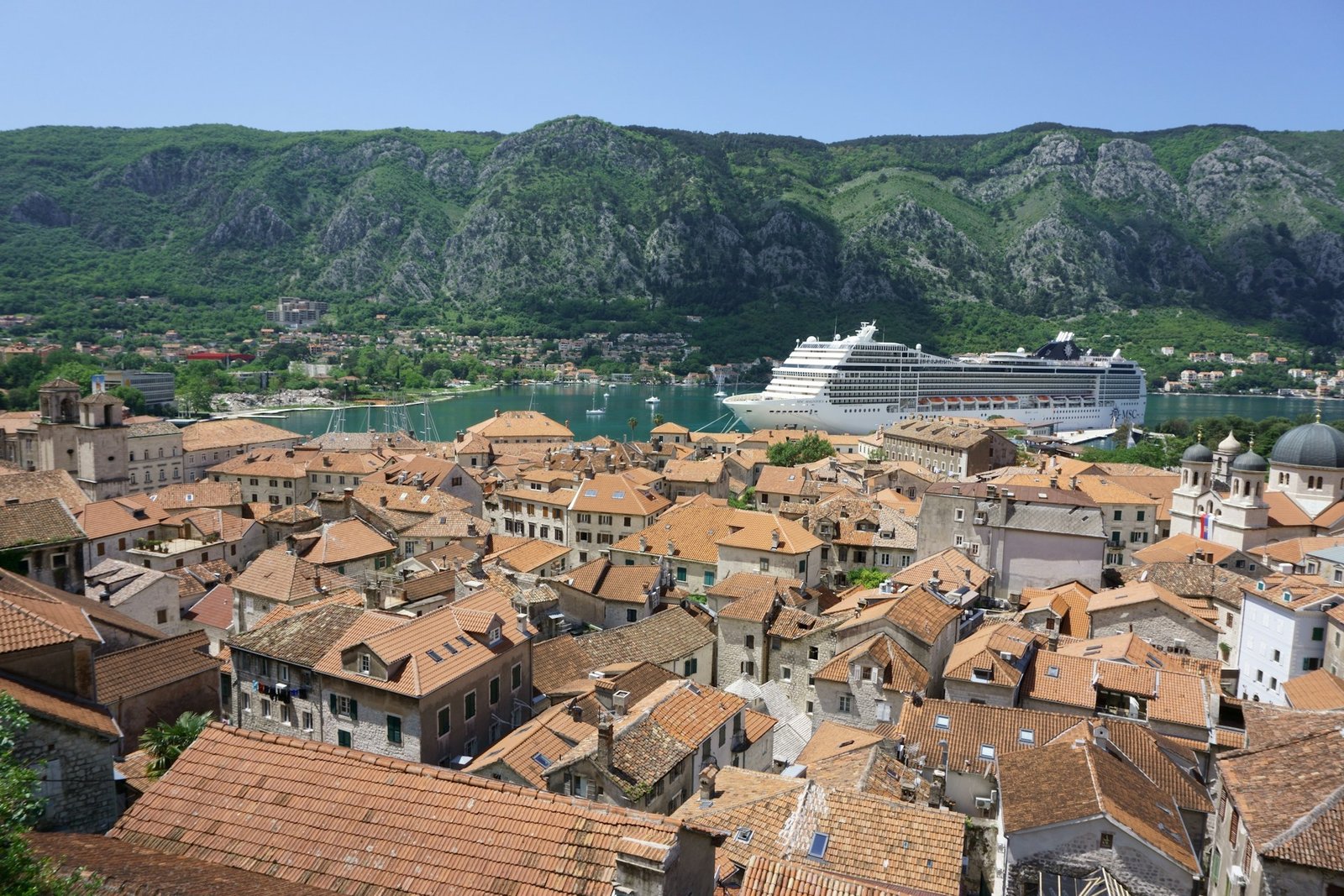
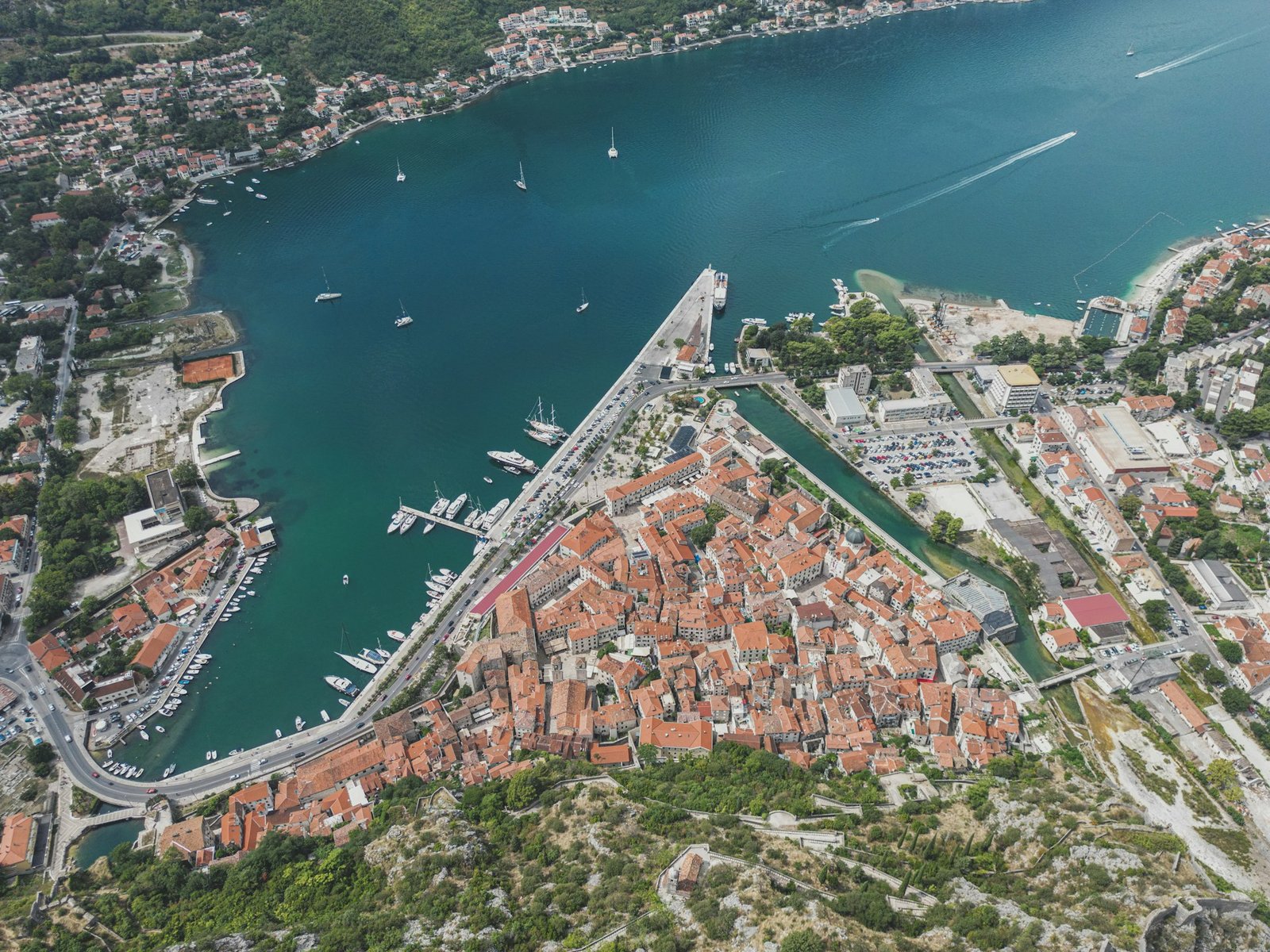
Kotor Town Harbour
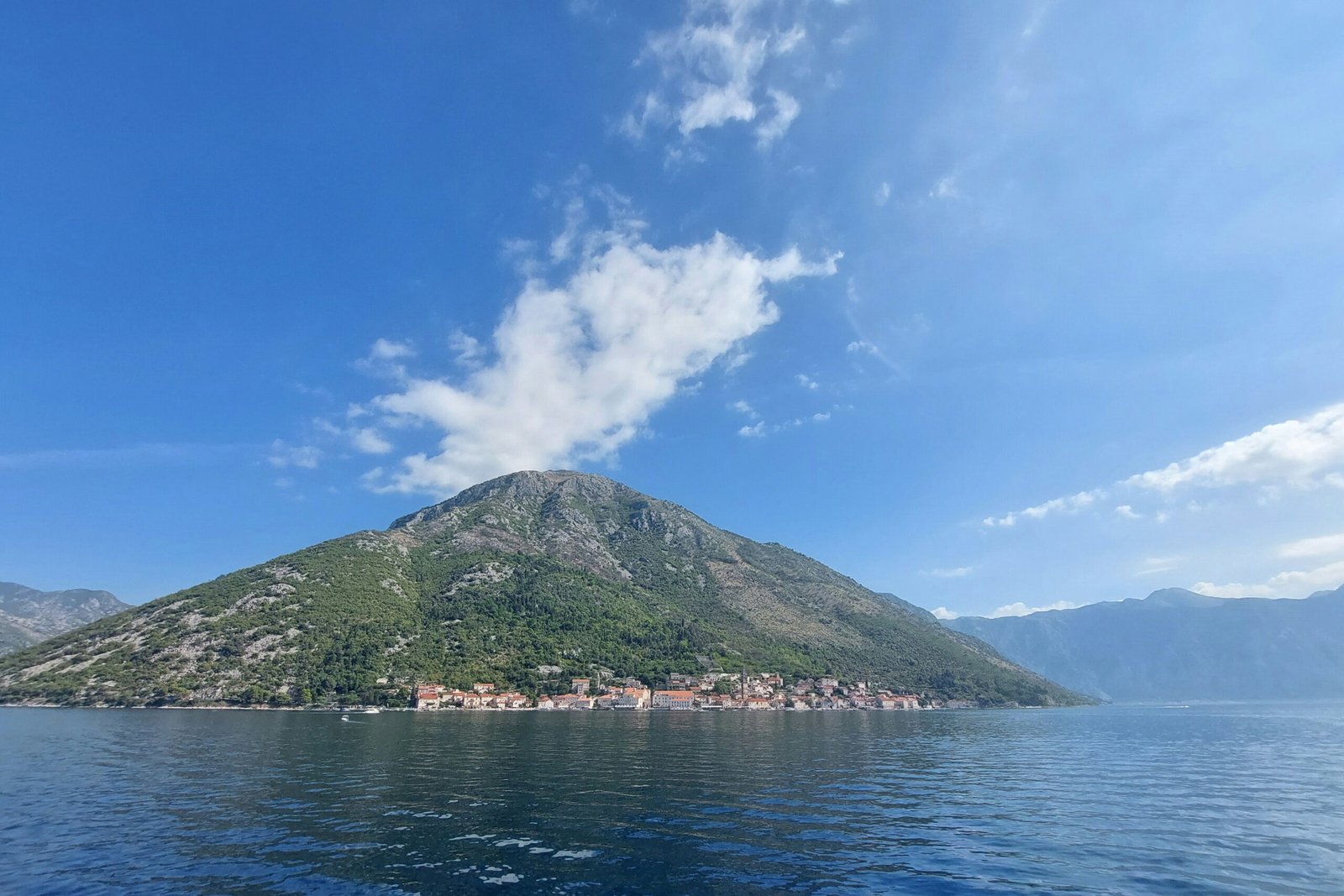
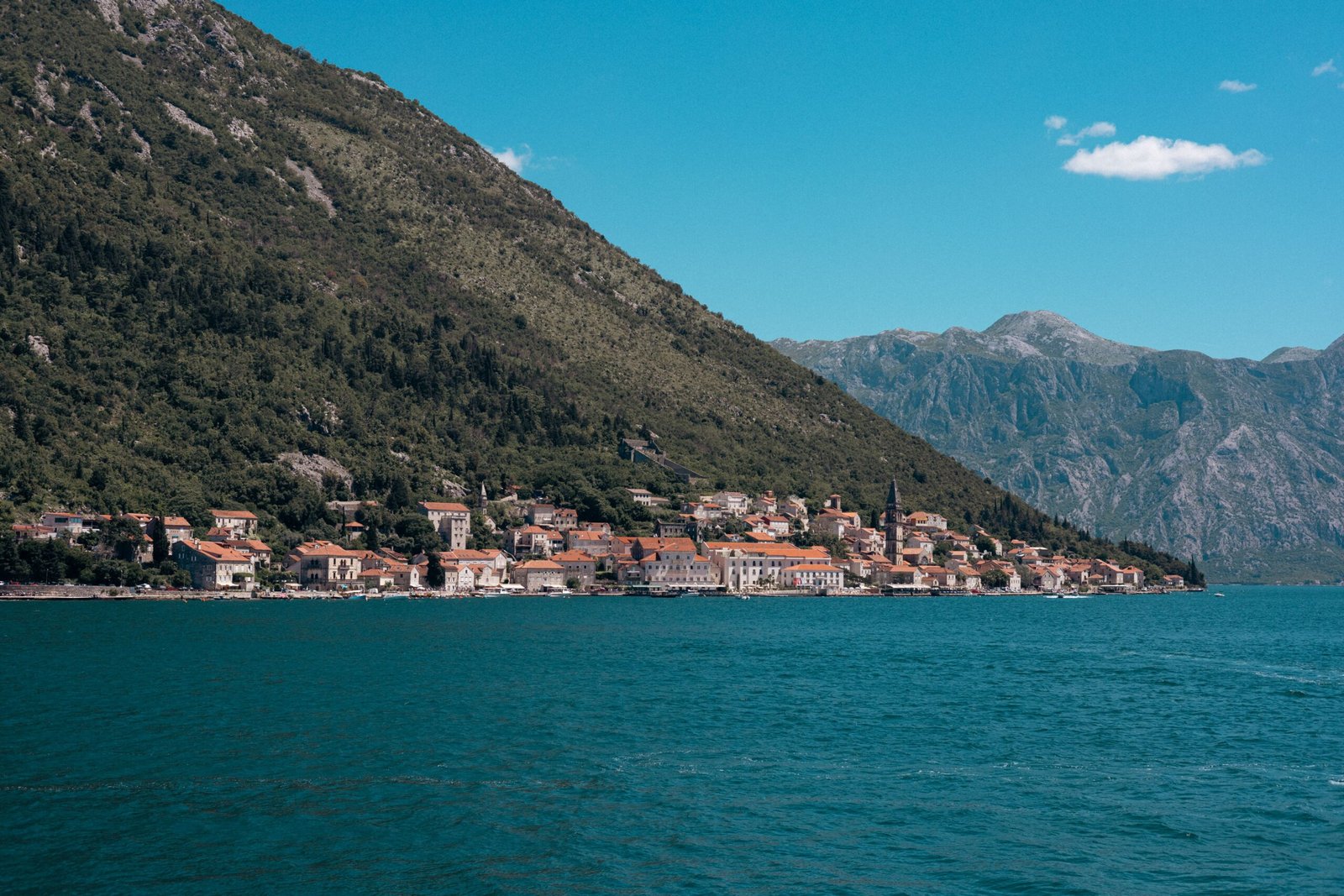
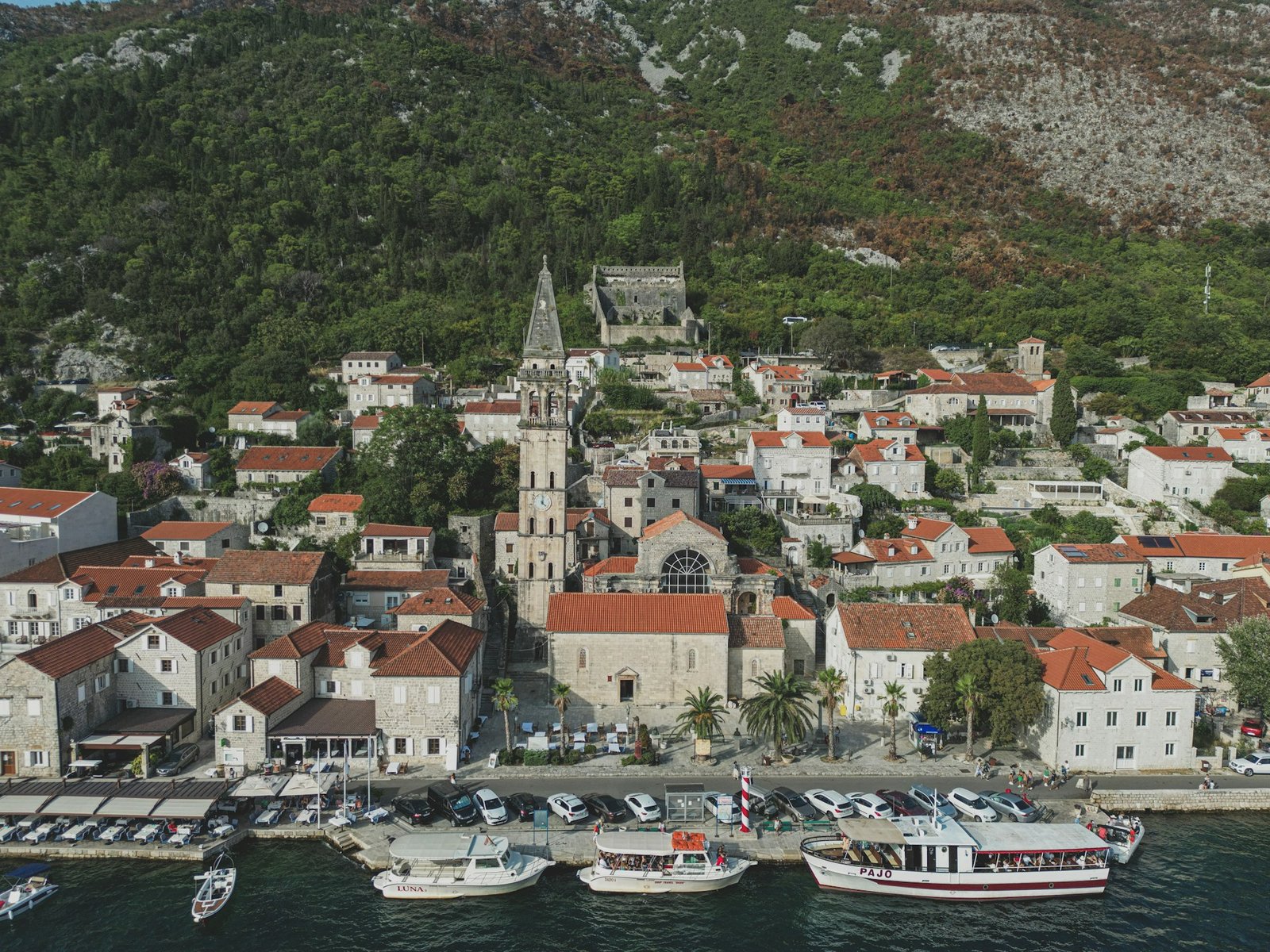
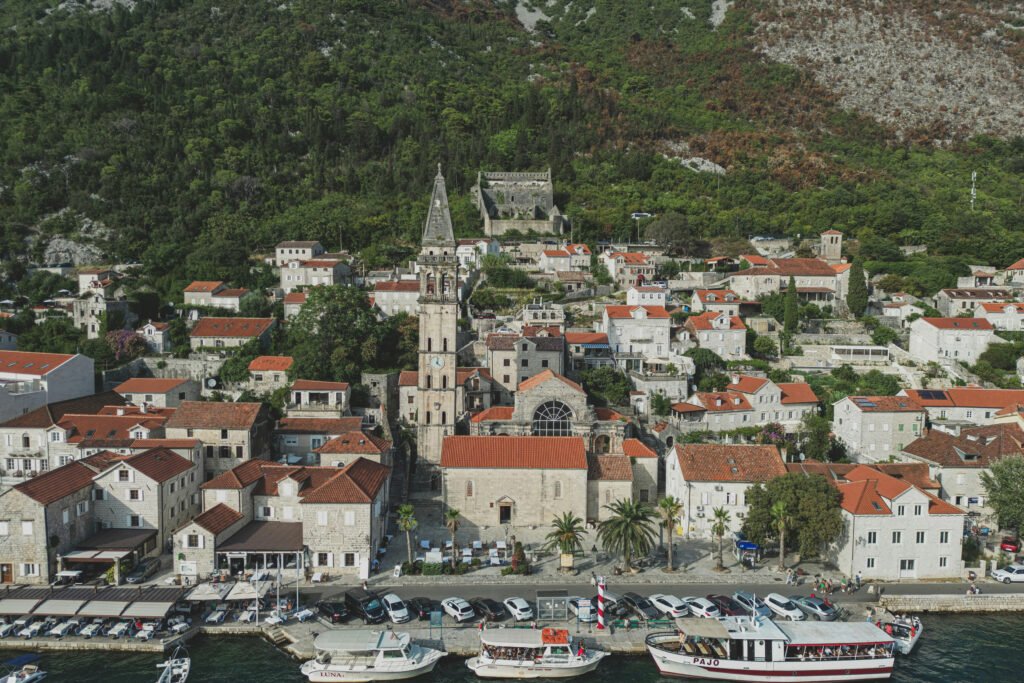
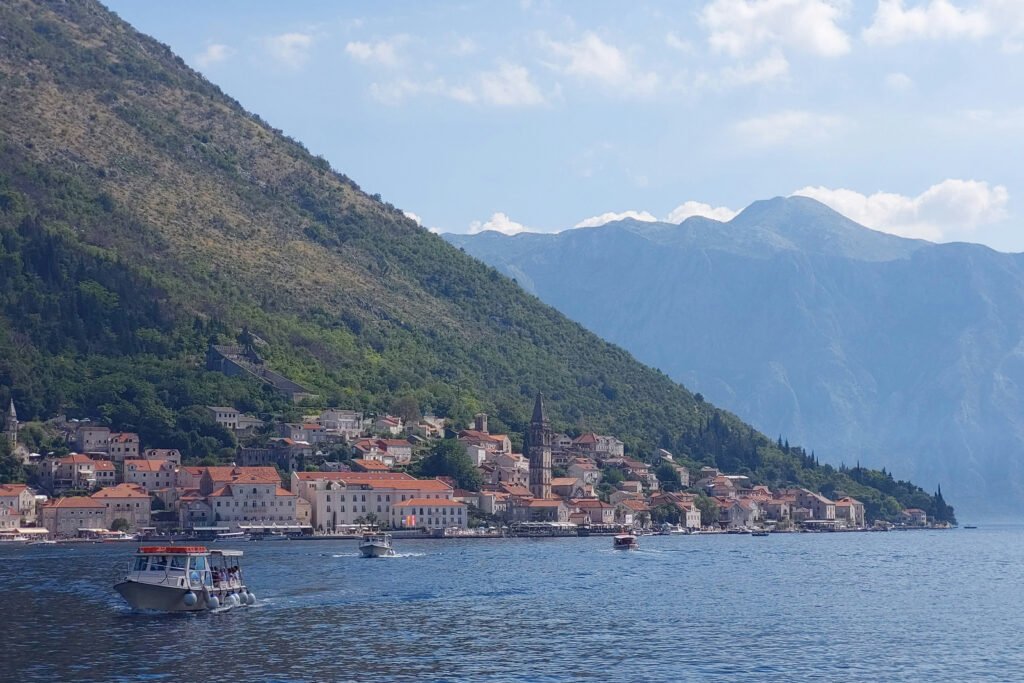
Perast Waterfront
Prčanj
Herceg Novi
Risan
Climb the Ladder of Kotor’s 1,350 steps
Take a boat to Our Lady of the Rocks
Wander Perast’s Baroque waterfront
Climb to the Spanish Fortress above Herceg Novi
Swim off Prčanj’s quiet waterfront
Kotor Old Town
Our Lady of the Rocks, Perast
St John’s Fortress
Herceg Novi Old Town
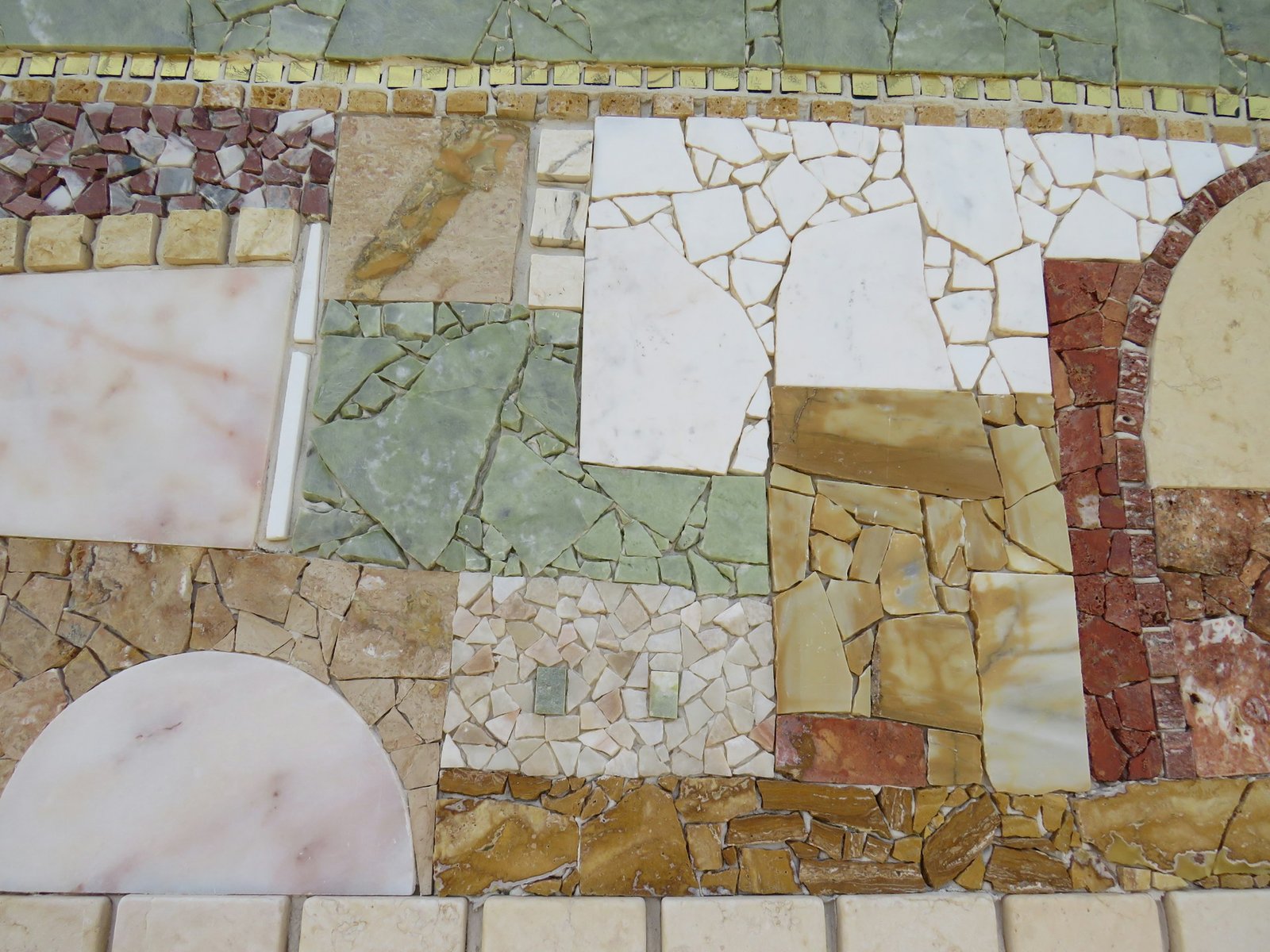
Risan’s Roman mosaics
The bay is sailable April through October, but its narrow, mountain-walled basin holds heat differently from the open coast, staying noticeably calmer and cooler in the evenings even during the July and August peak. Shoulder-season months, particularly June and late September, combine warm swimming water with far less competition for space at Kotor’s town harbour and along the Perast waterfront.
Tivat Airport (TIV) sits directly on the bay’s outer basin, about seven kilometres from Kotor itself, arguably the shortest transfer from any airport to its own charter destination on the Adriatic. Podgorica Airport (TGD), roughly 85 kilometres and an hour and a half away, is the alternative for guests connecting through routes that don’t serve Tivat directly.
Kotor’s own harbour puts the Old Town and the start of the Ladder of Kotor hike right at the tender dock, while Perast, a short sail further in, offers a quieter overnight stop with its own Baroque waterfront. For something removed from the main circuit, Prčanj sits just around the point from Perast, its captains’ villas and long quiet promenade rarely crowded even in August.
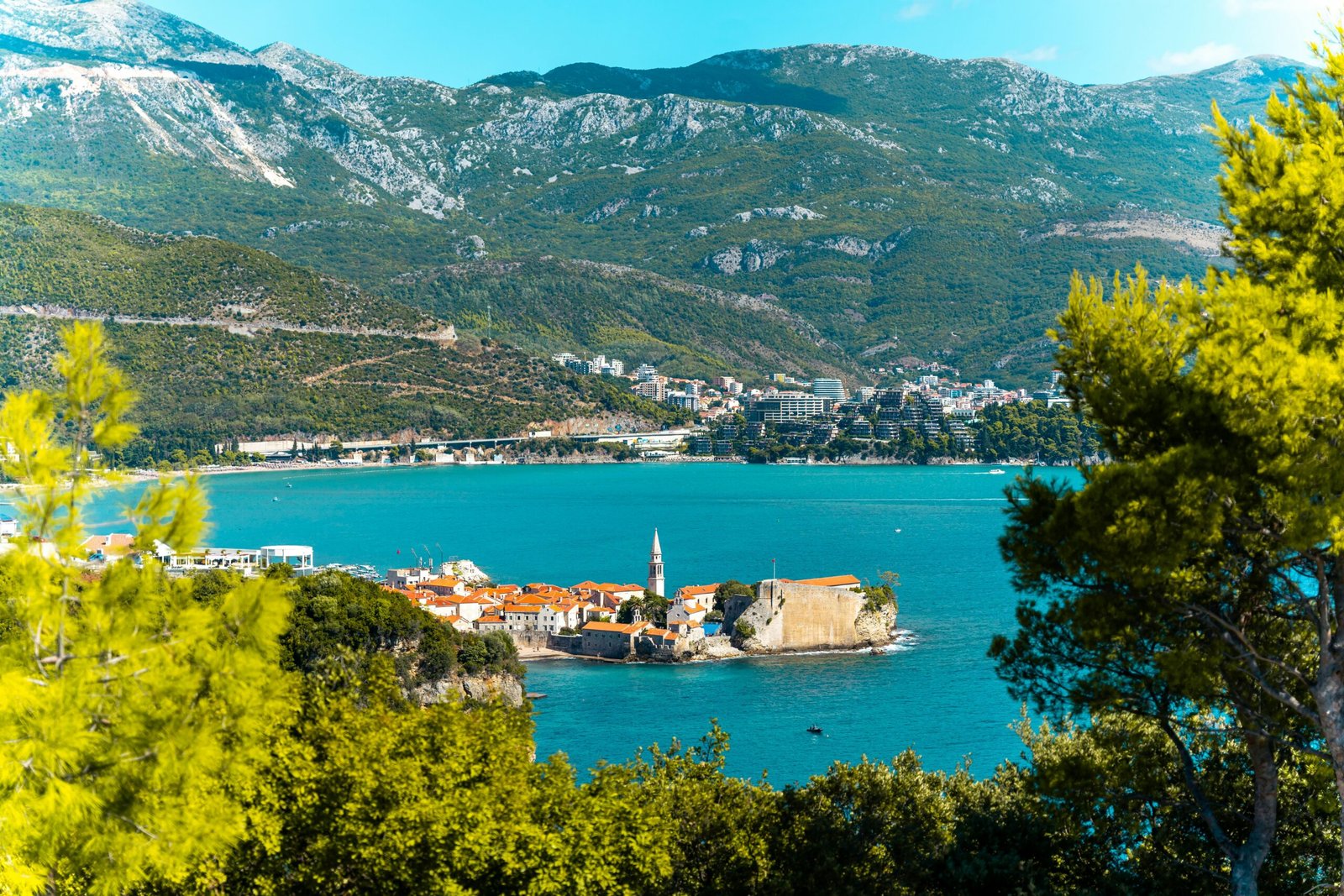
Two to three days lets you cover Kotor, Perast and Herceg Novi without rushing, including time for the Ladder of Kotor hike and a boat trip out to Our Lady of the Rocks. Combined with the open coast down to Budva and Sveti Stefan, the bay works well as the first half of a longer week-long Montenegro charter.
Every year on the evening of 22 July, residents of Perast row out and drop stones into the bay to add to the islet, a tradition said to date back to 1452, when local sailors began laying a rock on the spot each time they returned safely from a voyage. The custom, known as fašinada, is still marked with a ceremony and boat procession, and timing a visit around it adds a genuine piece of local ritual to the itinerary.