Spain / Valencia
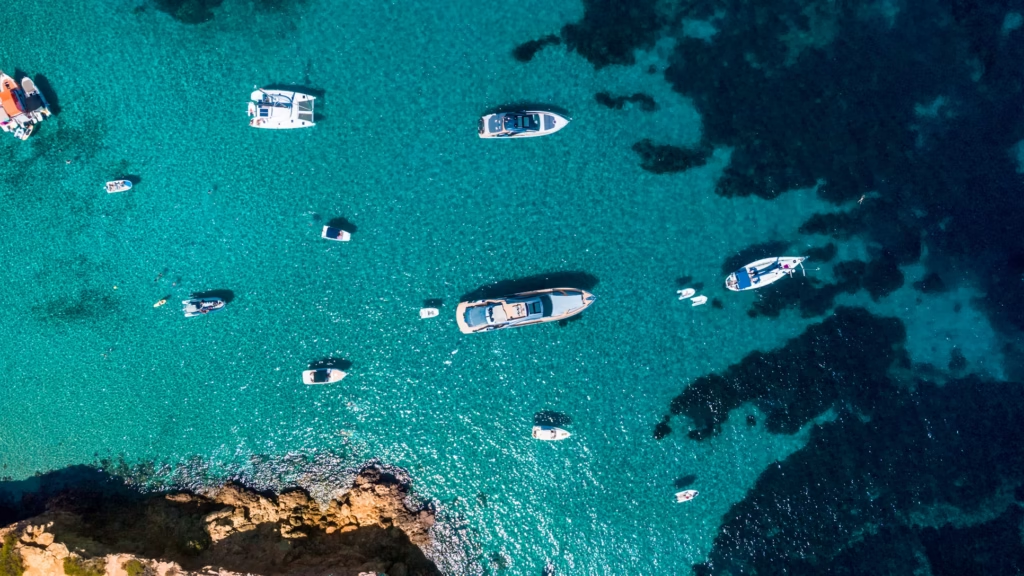
Marina Real Juan Carlos I
Port Saplaya
El Perellonet
Pinedo
El Saler
Visit the City of Arts and Sciences and Oceanogràfic aquarium
Explore La Lonja de la Seda silk exchange
Cycle or walk the Turia Gardens, a park built along the old riverbed
Taste an authentic paella in a rice-farming village near the Albufera
Watch flamenco or a concert at the Palau de la Música
Valencia Cathedral and the Holy Grail chapel
Mercado Central
Torres de Serranos
Barrio del Carmen
Albufera Natural Park
April through October provides Valencia’s best sailing conditions, with light, manageable breezes and sea temperatures warm enough for swimming from June onward. July and August are the hottest and busiest months in the city itself, so late spring or early autumn usually give the most comfortable balance between good weather and thinner crowds.
Valencia Airport (VLC) lies about 8km west of the city centre, roughly a 20-minute taxi ride or a short hop on the metro line that runs directly into town. It receives regular flights from across Europe, making it a straightforward gateway for guests joining a yacht at the Marina Real Juan Carlos I or one of the smaller marinas nearby.
Marina Real Juan Carlos I, built for the 2007 America’s Cup, offers the best access to the City of Arts and Sciences and the old town, with full services for charter yachts. Port Saplaya, nicknamed Valencia’s Little Venice for its canal-front houses, makes a quieter alternative a short sail north. El Perellonet, close to the Albufera, suits guests planning to explore the lagoon by boat.
One or two nights let guests see the City of Arts and Sciences, the old town and a proper paella lunch without feeling rushed. Valencia also works well bookending a longer Spanish coast itinerary, whether continuing north toward the Costa Brava and Barcelona or south toward the Costa Blanca and the Balearic Islands.
Las Fallas runs from 1 to 19 March, filling the streets with hundreds of elaborate sculptures, some several storeys tall, built by local guilds over the preceding year. The festival builds toward La Cremà on the final night, when almost every sculpture is set alight in a coordinated citywide bonfire, alongside daily fireworks displays called La Mascletà. It falls well outside the main sailing season, so most charter guests experience it separately from a Mediterranean cruise rather than combining the two.

Tell us what you would like to know, and our team will respond with clear details on availability, specification, pricing and next steps.