Vietnam


Ha Long Bay, among nearly two thousand limestone karsts
Lan Ha Bay, Ha Long’s quieter southern neighbour
Nha Trang Bay, ringed by granite headlands
An Thoi Archipelago, off Phu Quoc’s southern tip
Con Dao Islands, a remote marine park
Cruise the karsts of Ha Long Bay by traditional junk
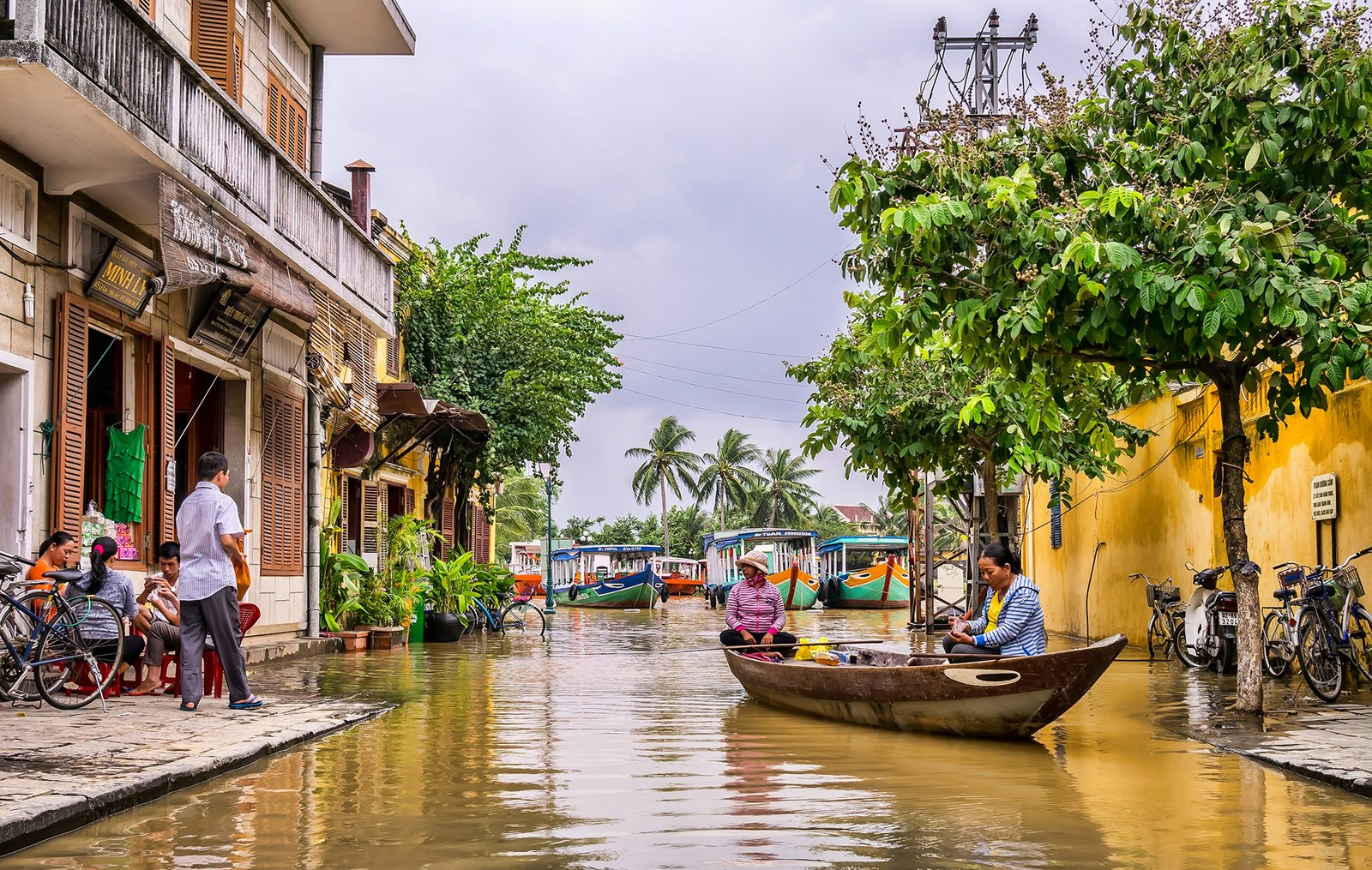
Wander Hoi An’s lantern-lit ancient town after dark
Snorkel the coral gardens of Phu Quoc’s An Thoi Islands
Kayak the hidden lagoons and floating villages of Lan Ha Bay
Visit the turtle nesting beaches of Con Dao National Park
Hoi An, Vietnam’s UNESCO-listed trading port
Hanoi’s Old Quarter, gateway to Ha Long Bay
Nha Trang, Vietnam’s premier beach city
Phu Quoc Town (Duong Dong)
Da Nang, home to the Marble Mountains
October and November bring Vietnam’s most reliable cruising weather, with calm seas, low rainfall and comfortable temperatures across Ha Long Bay and the central coast. March and April offer a similar shoulder-season window. Avoid July through September, when the South China Sea sees its highest typhoon risk and cruise itineraries are most likely to be rerouted or cancelled for safety. December can be cool and occasionally foggy in the north.
It depends on where the itinerary starts. Charters based around Ha Long Bay typically fly into Hanoi’s Noi Bai International Airport (HAN), around a two-hour drive or a short transfer by speedboat to the bay. For the central and southern coast, Cam Ranh International Airport (CXR) serves Nha Trang, while Phu Quoc has its own international airport (PQC) with direct connections from several regional hubs.
Ha Long Bay and its quieter neighbour Lan Ha Bay hold the most dramatic anchorages, tucked among limestone karsts with calm, sheltered water even when the open sea is choppy. Further south, the An Thoi Archipelago off Phu Quoc offers clear water and coral reefs well suited to swimming and diving, while Nha Trang Bay’s outlying islands provide a good stop for guests wanting beach clubs and watersports alongside quieter coves.
A week is enough to cover one region properly, such as Ha Long and Lan Ha Bays with a side trip to Cat Ba Island, or Phu Quoc and its surrounding islets. Combining the north and the south, including a stop in Hoi An or Nha Trang, is better suited to a ten- to fourteen-day itinerary, since Vietnam’s coastline is long and internal flights or repositioning are usually needed between regions.
Several fishing communities, among them Cua Van, have lived afloat on Ha Long Bay for generations, in houses built on rafts and anchored in sheltered coves between the karsts. The bay’s name itself, Ha Long, translates as descending dragon, from a legend in which a dragon’s tail carved the bay’s channels while its offspring became the scattered islands. A short tender trip lets guests visit a floating village by traditional sampan, alongside the geology that inspired the myth.

Tell us what you would like to know, and our team will respond with clear details on availability, specification, pricing and next steps.