Vietnam / Ha Long Bay
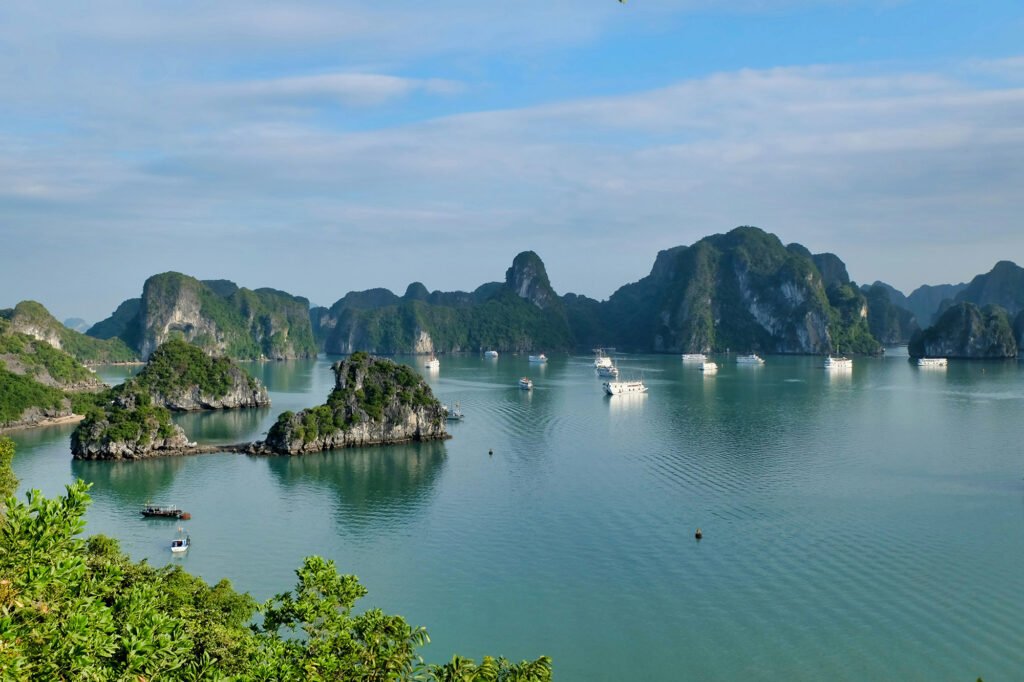
Ba Hang Anchorage
Cong Dam Lagoon
Ti Top Island
Cua Van
Bo Hon Island
Kayak through Luon Cave into its hidden lagoon
Explore the stalactite chambers of Sung Sot Cave
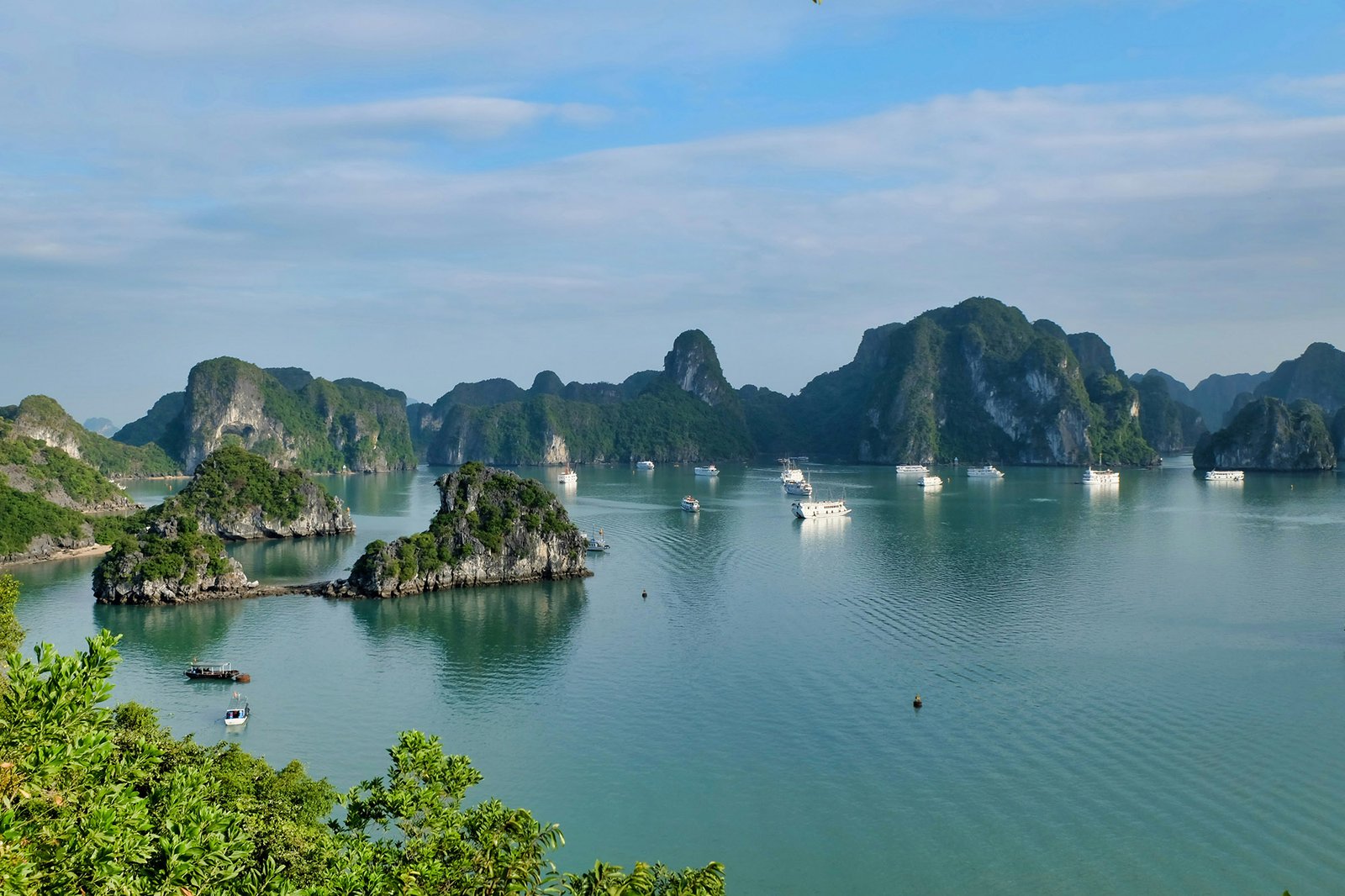
Climb Ti Top Island for a panoramic view of the bay
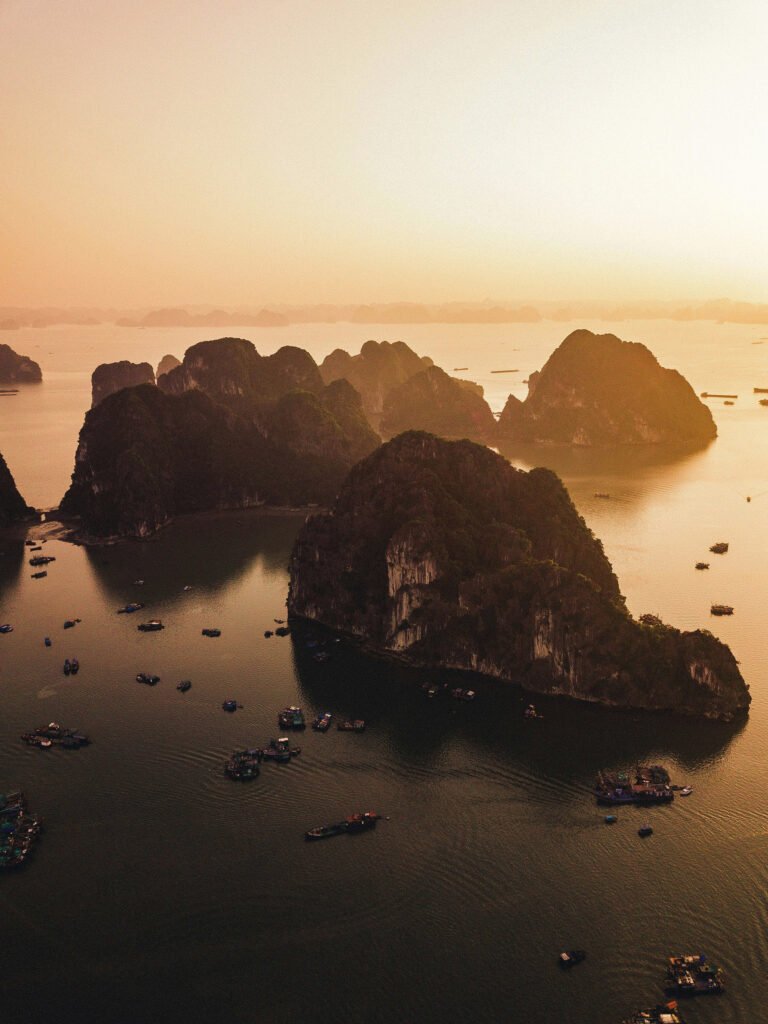
Visit the floating village heritage site at Cua Van
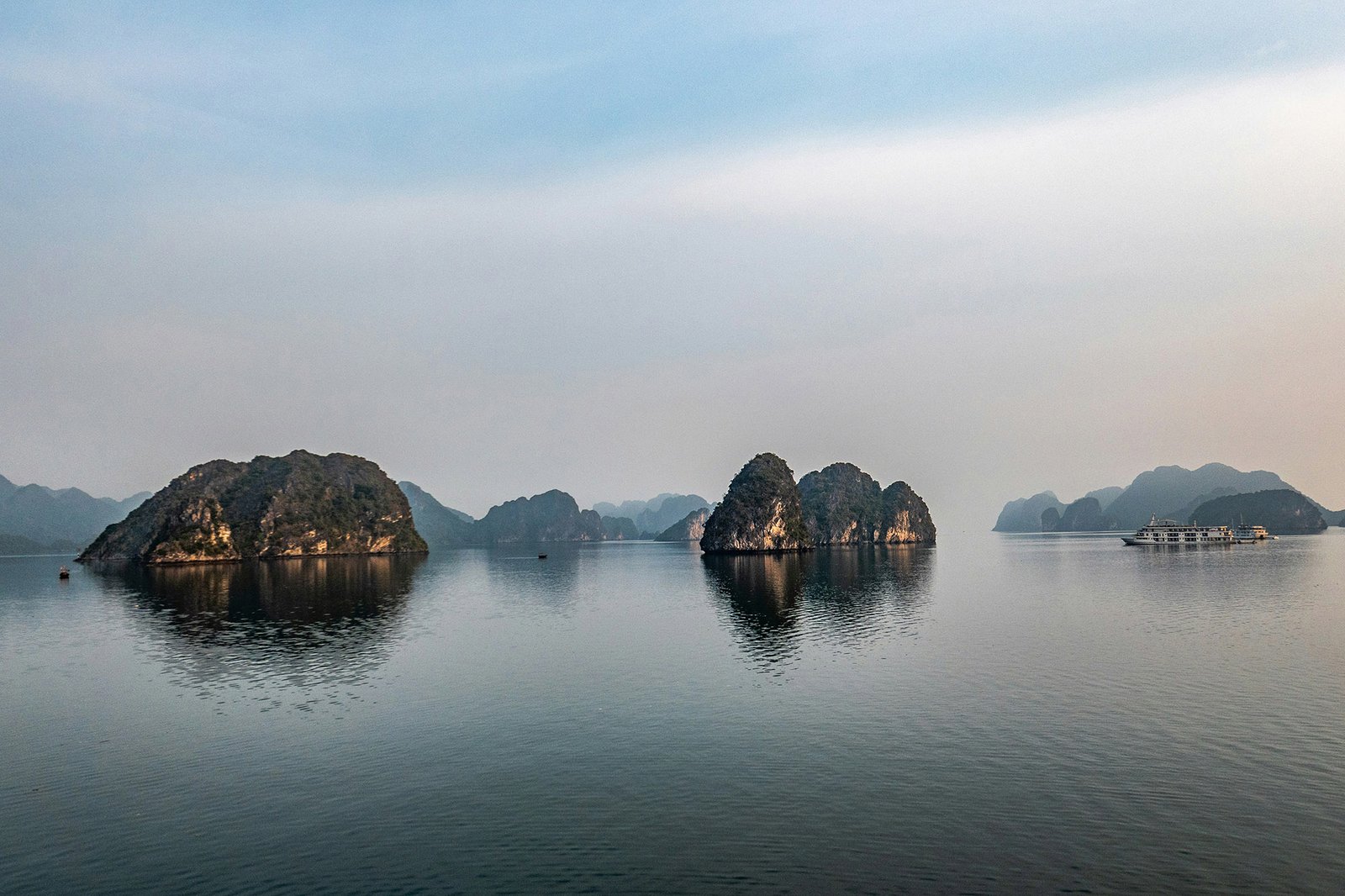
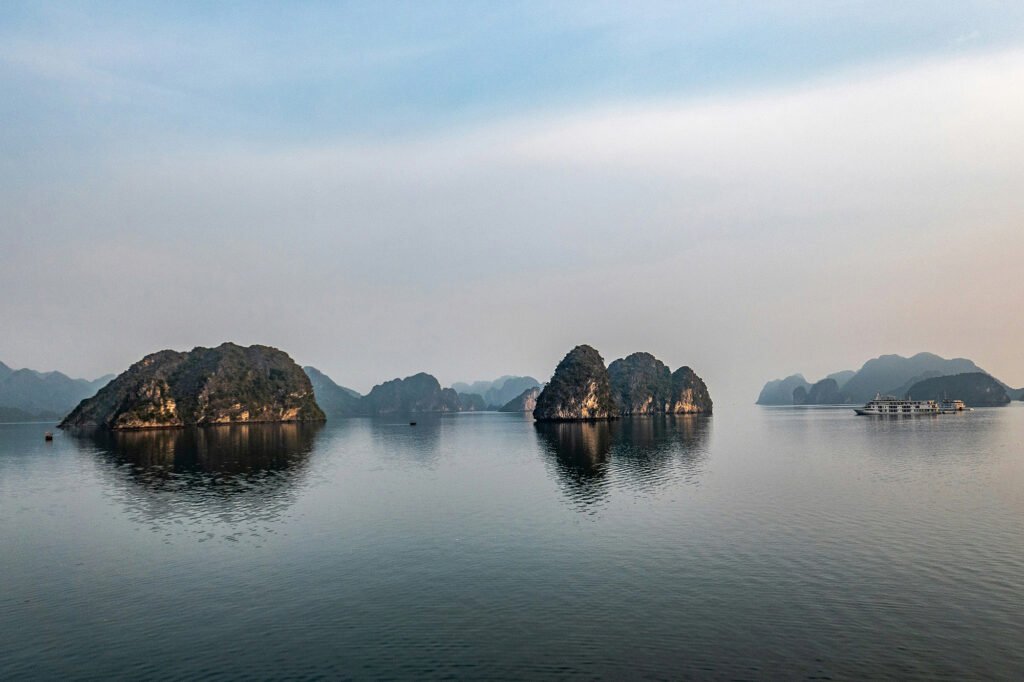
Swim or kayak beneath the karsts at dawn before the day boats arrive
Bai Tu Long Bay
Cat Ba Island
Ti Top Island
Cua Van Floating Village
Sung Sot Cave, Bo Hon Island
October through December offers the clearest skies and most comfortable temperatures for cruising Ha Long Bay, while March to May brings warmer, more humid conditions with a chance of mist that can soften the karsts into silhouettes. The typhoon season runs roughly June to September and brings the highest risk of rough water and disrupted sailings, so most charter itineraries are planned to avoid it.
Van Don International Airport (VDO), opened in 2018 around 50 kilometres from Ha Long City, is the closest airport and now handles direct flights from several Vietnamese cities. Many guests still fly into Hanoi’s Noi Bai International Airport (HAN) instead, a drive of roughly two and a half to three hours to the bay, considerably shorter since a new expressway opened the same year.
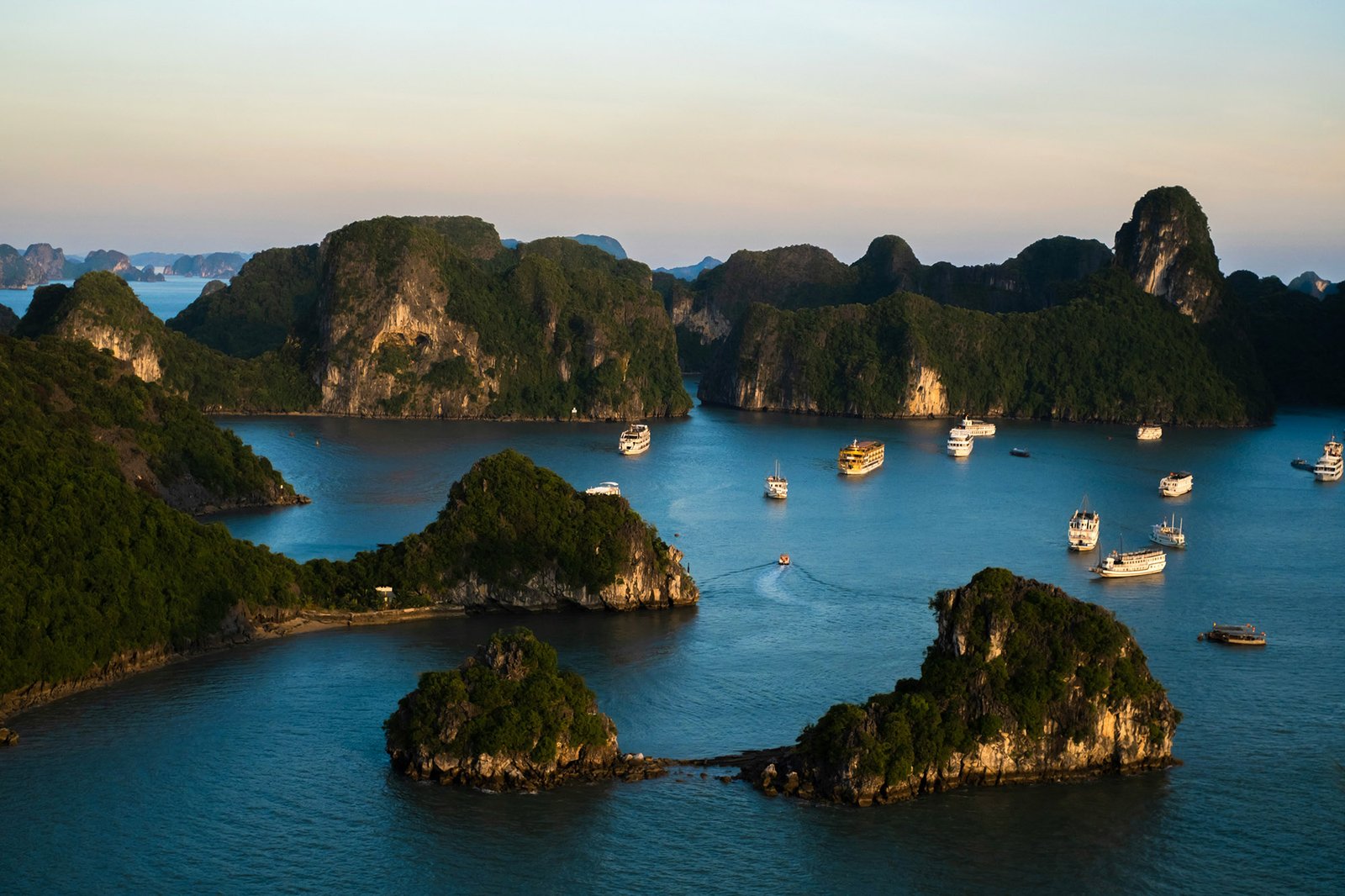
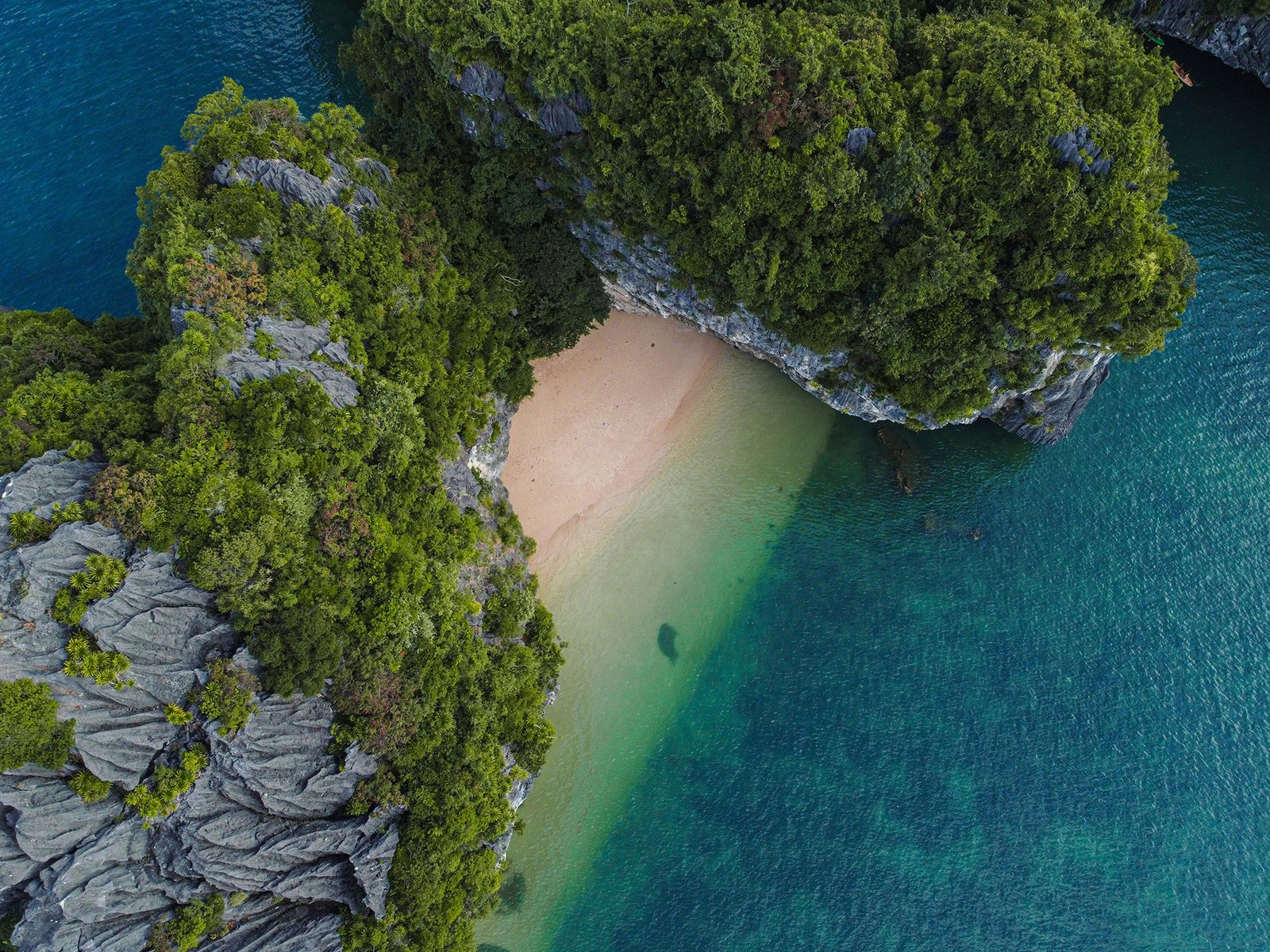
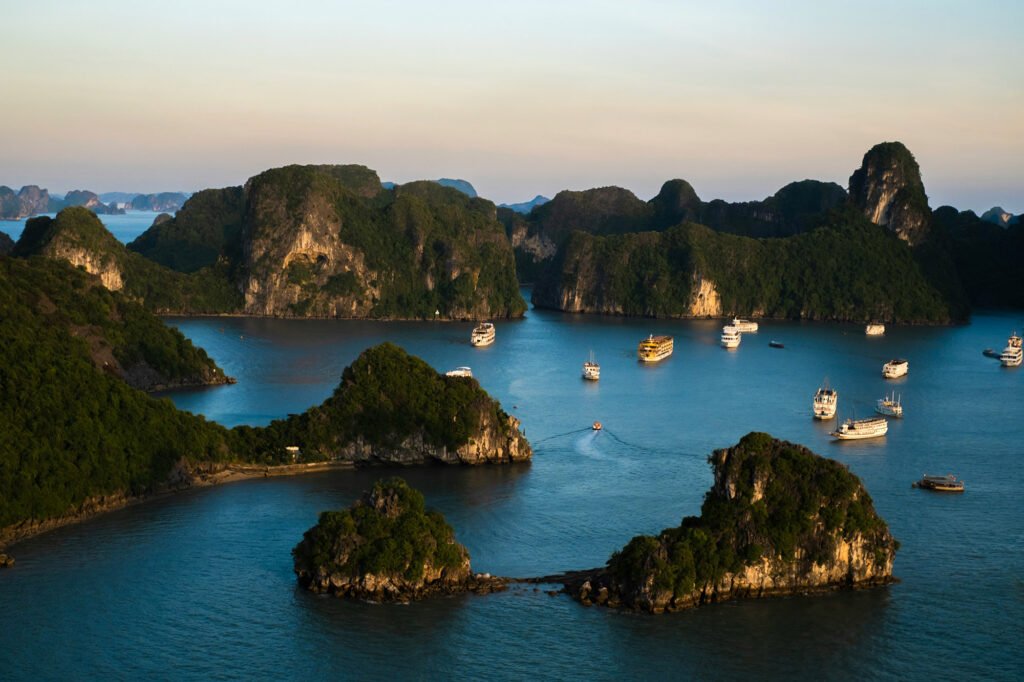
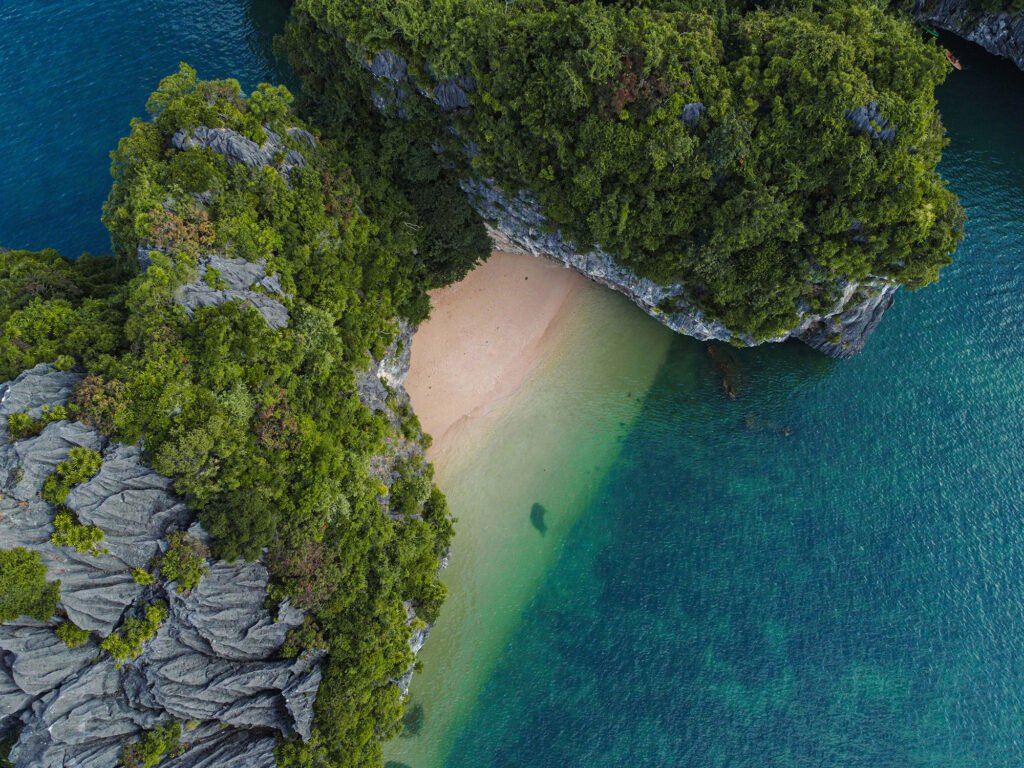
Ba Hang and the sheltered water inside Cong Dam Lagoon offer some of the calmest overnight anchorages, tucked between karsts away from the main tourist routes. Ti Top Island combines a swimmable beach with a short climb to a viewpoint over the bay, while a stop near Cua Van puts guests alongside the last of the bay’s floating fishing community.
Two to three days affords enough time to explore Ha Long Bay’s caves and islands at a relaxed pace without retracing the same route each day, particularly if the itinerary extends into the quieter Bai Tu Long Bay to the northeast or across to Cat Ba Island. A single night is common on shorter itineraries, but rewards early risers willing to be on the water before the bay’s day-tripper boats arrive.
All three sit within the same limestone archipelago and share the same dramatic karst scenery, but each covers a different stretch of water: Ha Long Bay itself holds the bay’s most famous caves and islands and sees the most day-tripper traffic, Bai Tu Long Bay to the northeast is quieter and less developed, and Lan Ha Bay to the south, off Cat Ba Island, adds sandy beaches the more enclosed northern bay lacks.