Greece / Ionian Islands / Kefalonia
Sami Harbour
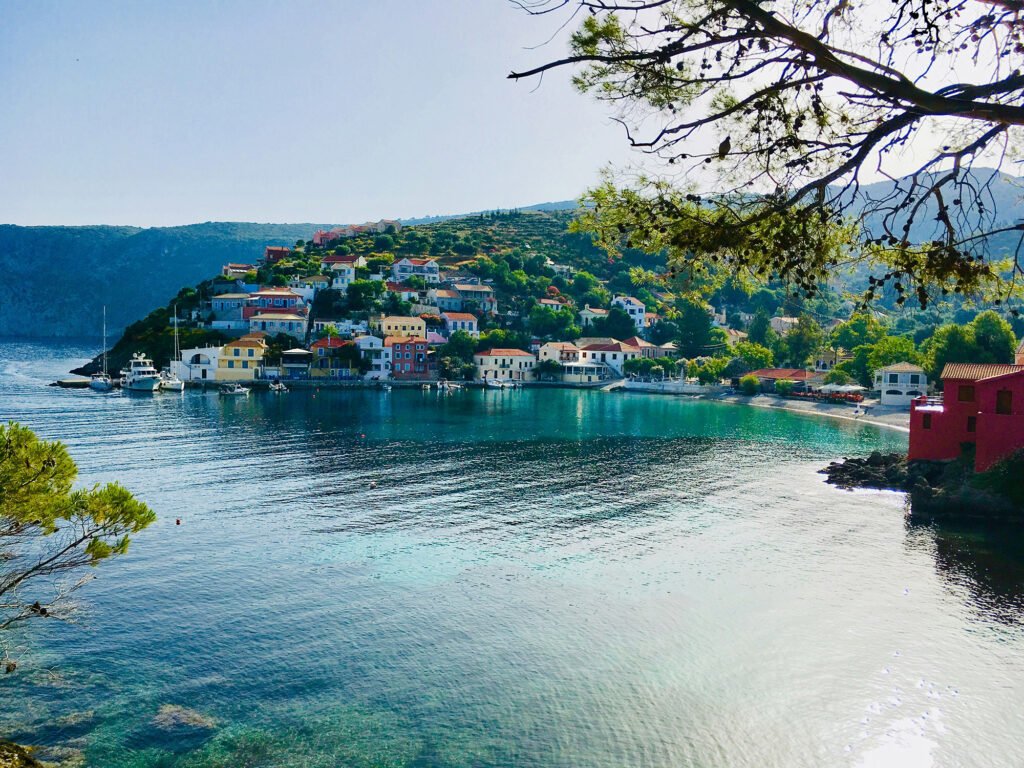
Agia Efimia
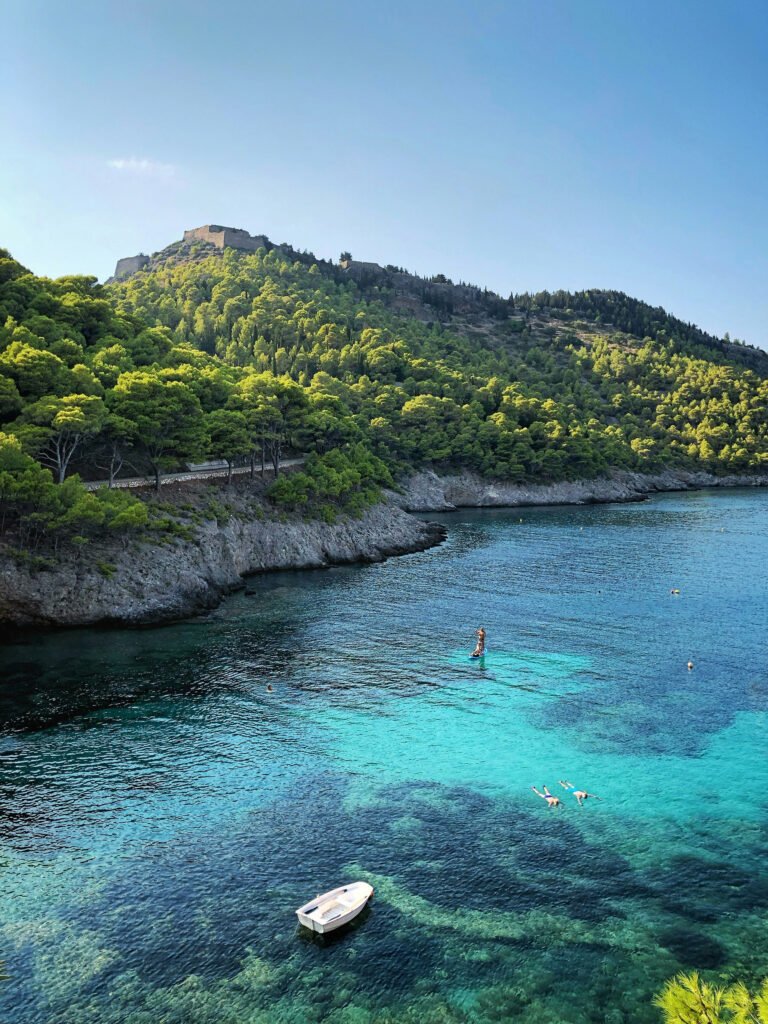
Antisamos Bay
Lourdas Bay
Poros Harbour
Explore Drogarati Cave
Taste Robola wine in the Omalos Valley
Snorkel the red sands of Xi Beach
Hike Mount Ainos National Park
Watch for nesting loggerhead turtles at Mounda Beach
Sami
Lixouri
Omalos Valley vineyards
Mount Ainos National Park
Katavothres sinkholes
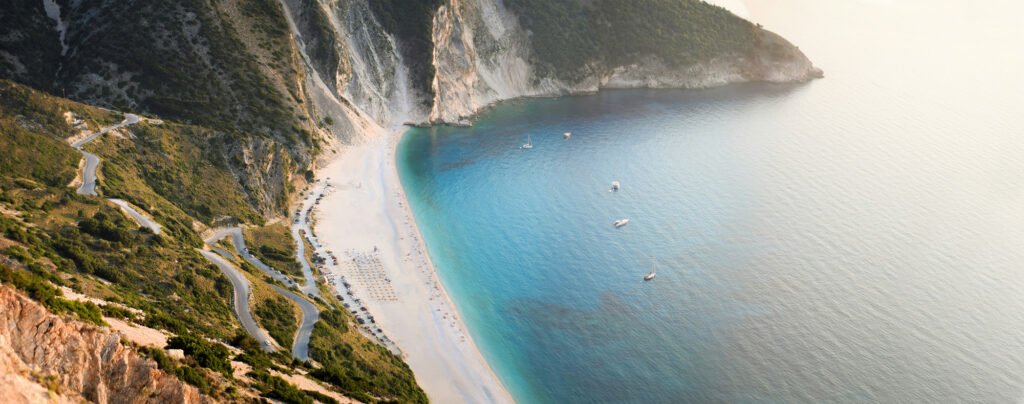
May through October gives reliable sailing weather, with July and August bringing the busiest anchorages at Fiskardo and the warmest water for swimming at Myrtos and Antisamos. The Meltemi can pick up in the northern Ionian in high summer, though it is generally less severe here than in the Aegean. June and September combine warm water with quieter harbours and easier berthing at Fiskardo’s popular quay.
Yes. Kefalonia International Airport (EFL) lies around eight kilometres south of Argostoli, the island’s capital, making it one of the more accessible larger islands for guests joining a charter mid-trip. It receives seasonal flights from the UK and other parts of Europe alongside year-round connections from Athens, and buses run from Argostoli on to towns across the island, including Fiskardo in the north.
Fiskardo, in the far north, is the most popular choice, offering reliable shelter and a well-preserved Venetian quay lined with tavernas. Agia Efimia, a little further south on the same coast, is a quieter alternative with a smaller, more local harbour. Sami, on the east coast, provides good shelter and easy access to Antisamos Bay and the Melissani and Drogarati caves nearby.
Two to three nights allow time to swim at Myrtos, row across the underground lake at Melissani and enjoy an evening in Fiskardo’s harbour, all without rushing between them. As the largest of the Ionian Islands, Kefalonia rewards a slightly longer stop than smaller neighbours such as Ithaca or Meganisi, and it combines naturally with both on a wider Ionian route.
A severe earthquake in 1953 destroyed almost every village on the island, flattening the old Venetian and Neoclassical buildings that had defined Kefalonia’s towns for centuries. Argostoli and most other settlements were rebuilt in simpler, low-rise concrete style considered more earthquake resistant. Fiskardo, at the northern tip, was one of the few villages spared, which is why its pastel harbour houses remain the island’s clearest link to the pre-earthquake era.

Tell us what you would like to know, and our team will respond with clear details on availability, specification, pricing and next steps.