British Isles / Cornwall
Falmouth
St Mawes
Fowey
Helford River
New Grimsby Sound
Visit Tresco Abbey Garden
Snorkel New Grimsby Sound
Walk the South West Coast Path
Dine in Padstow
Kayak the Helford River
St Ives
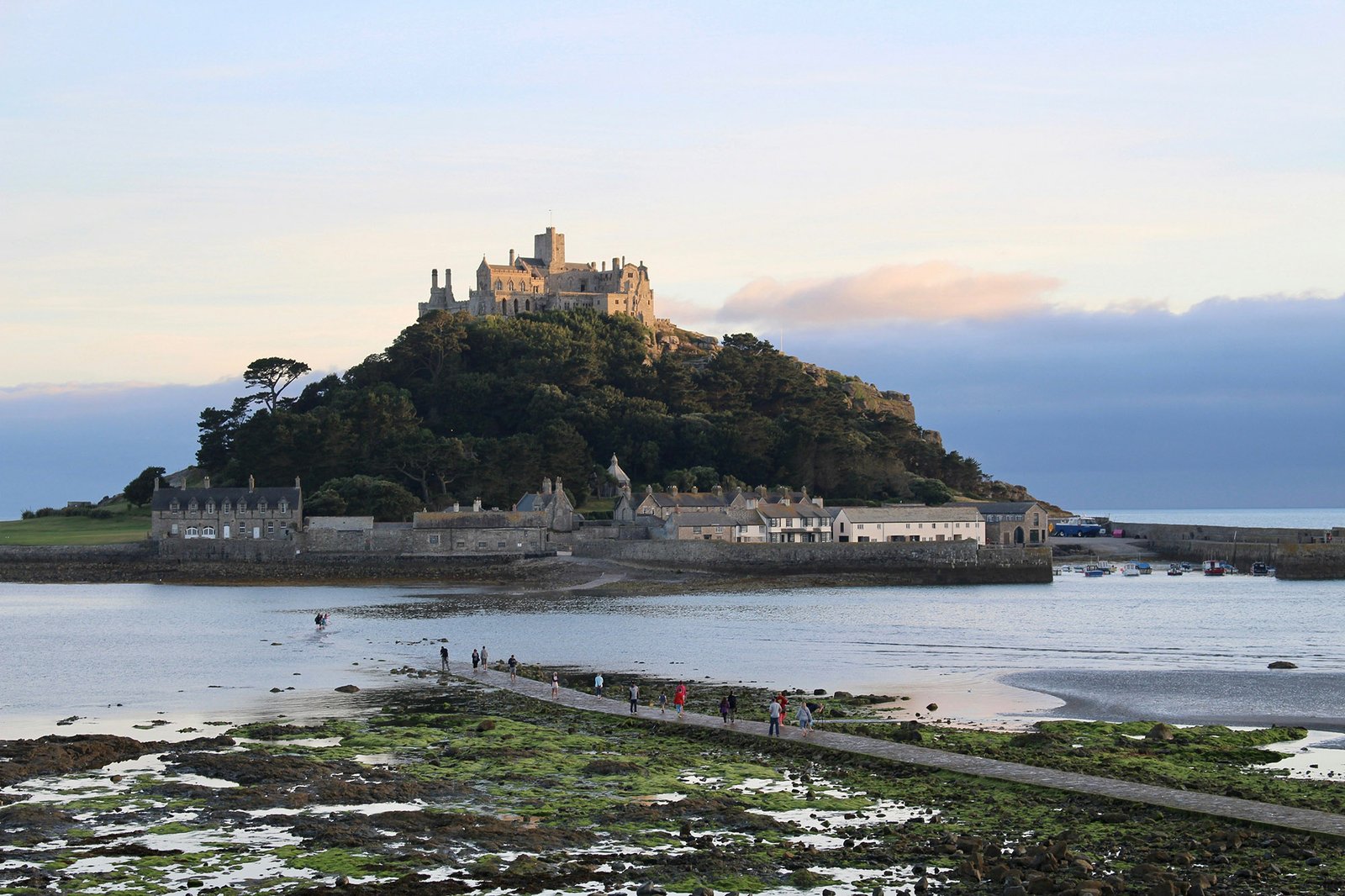
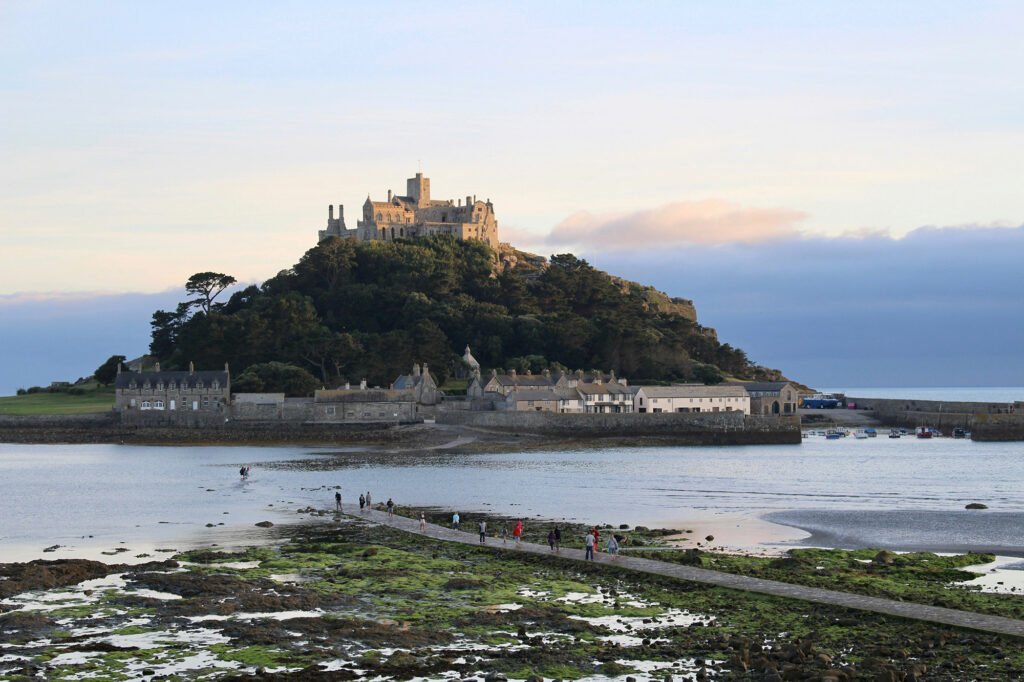
St Michael’s Mount
Isles of Scilly
Land’s End
The Eden Project
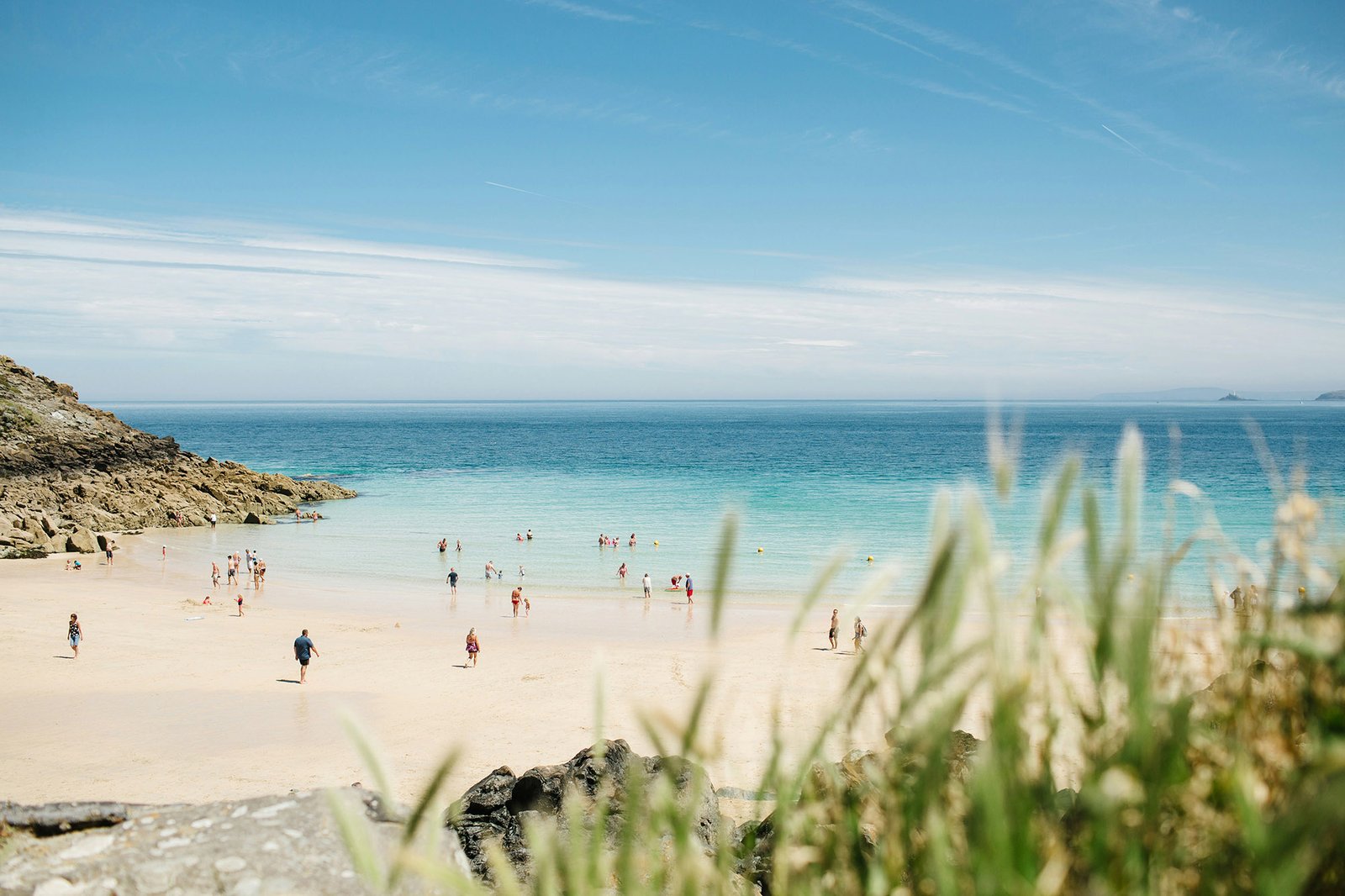
May to September brings the calmest conditions and the best chance of the clear, turquoise water Cornwall is known for, with July and August the warmest but busiest months in harbours like Fowey and St Ives. Late spring and early autumn offer quieter anchorages and still-good weather, useful for a crossing to the Isles of Scilly, which depends on settled conditions for a comfortable passage either way.
Newquay Cornwall Airport (NQY) is the closest, with direct flights from London and several regional UK cities and an hour or so by road to Falmouth or the Helford River. Exeter Airport offers a wider range of connections a little further east. Guests heading straight to the Isles of Scilly can also fly directly into St Mary’s Airport via Skybus from Land’s End, with a seasonal link from Newquay, or take the Scillonian ferry from Penzance.
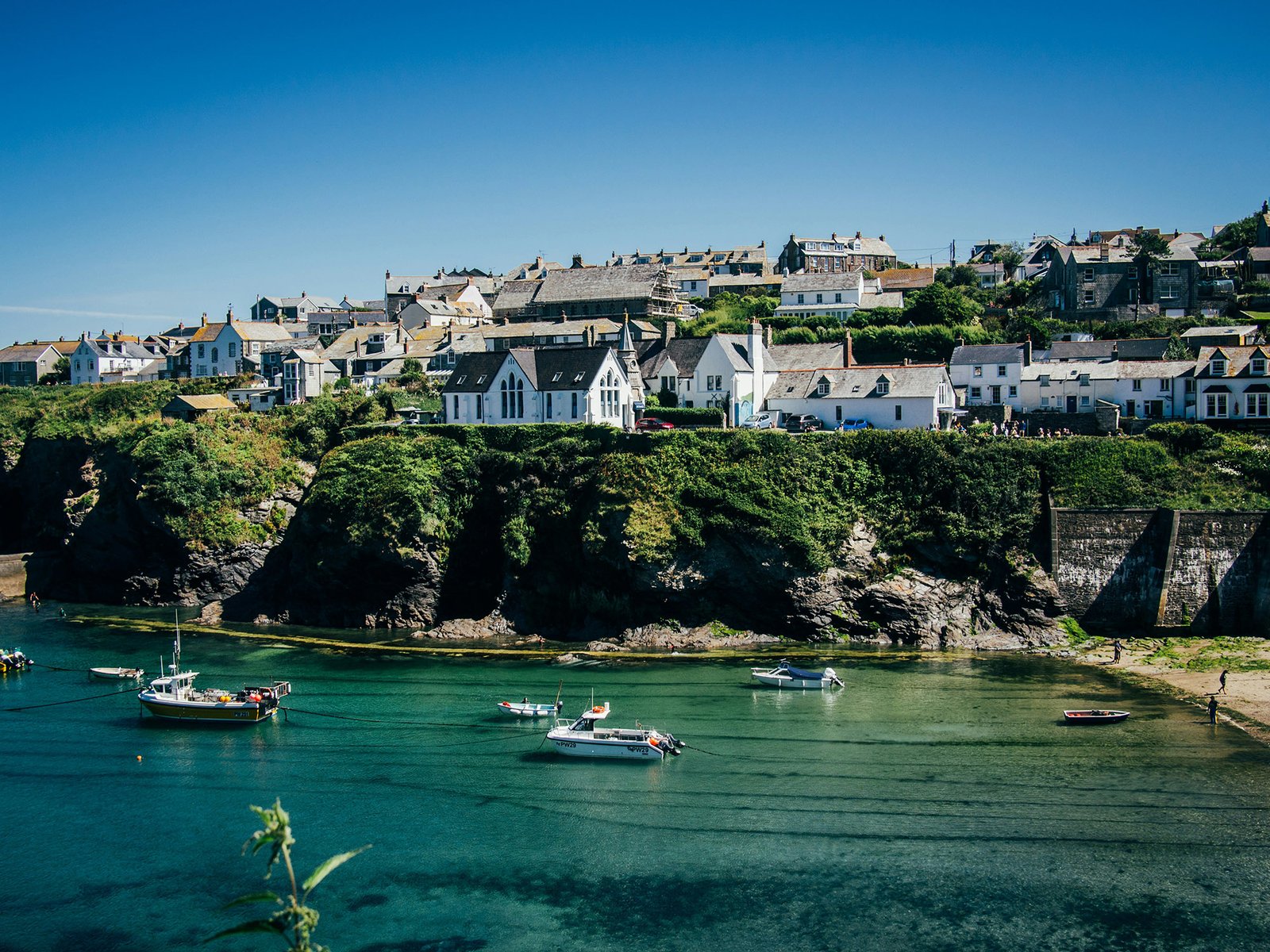
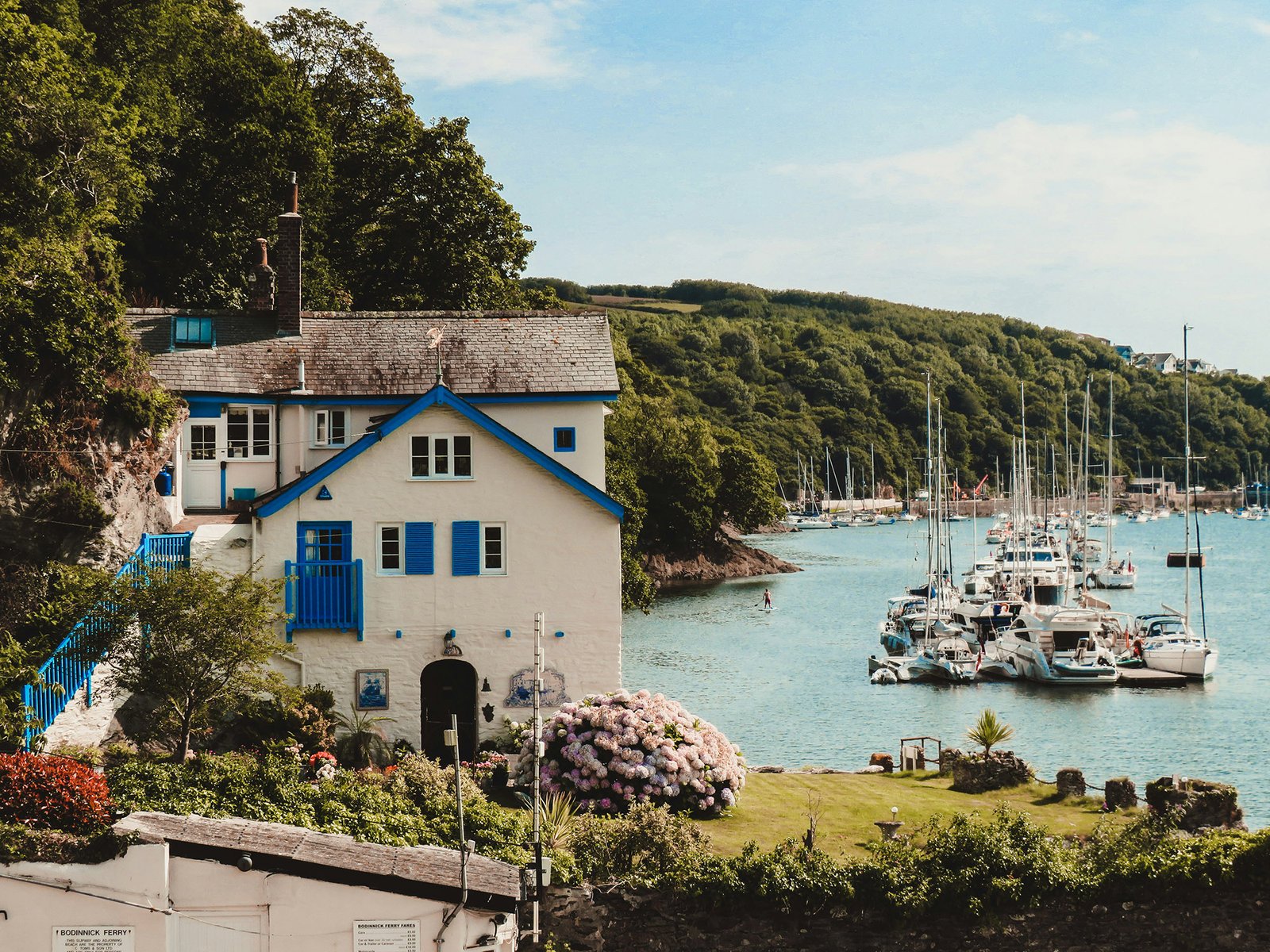
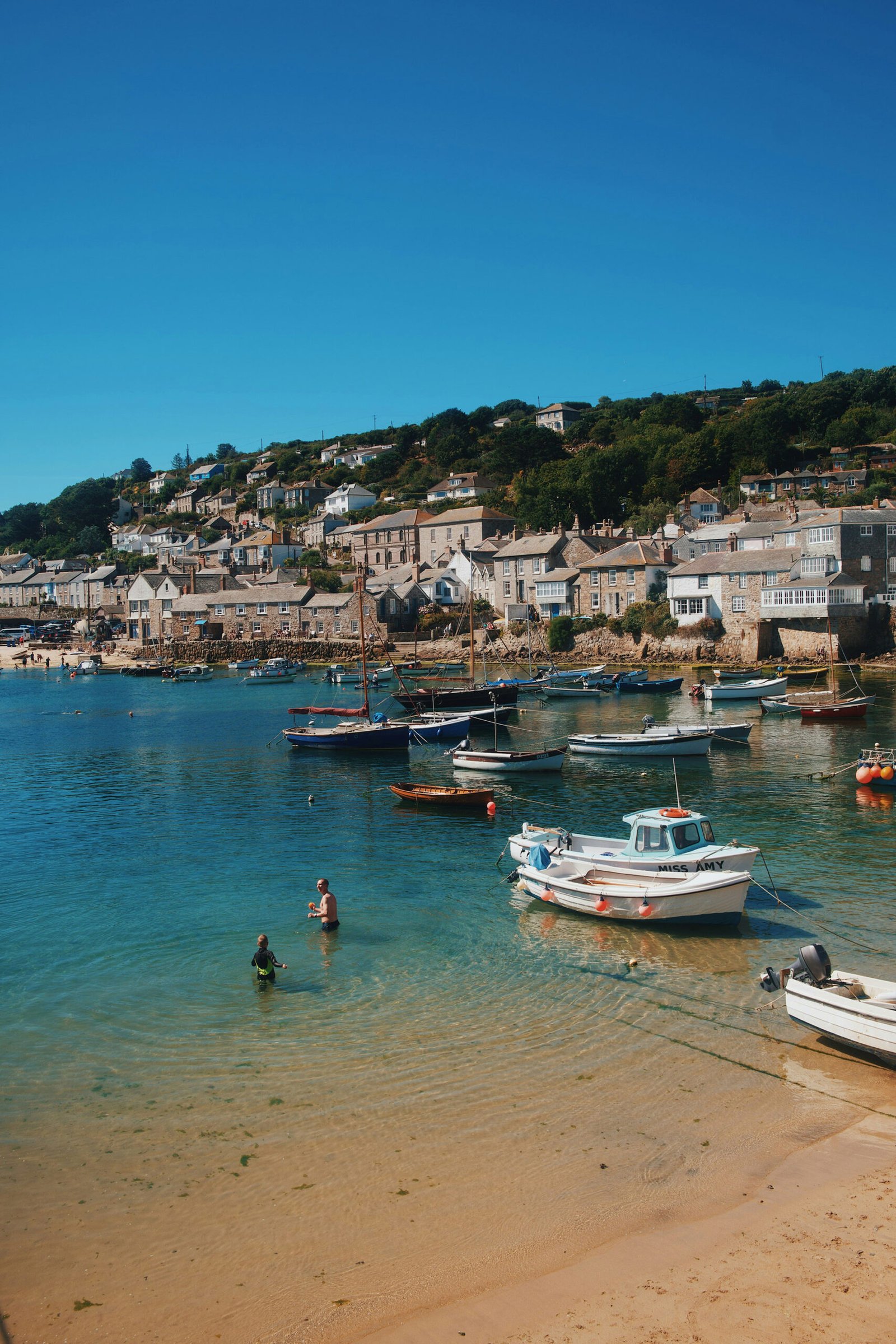
Falmouth, opening into the deep waters of Carrick Roads, makes an excellent base with full marina facilities and easy access to St Mawes across the bay. Fowey offers a beautiful, sheltered river anchorage overlooked by its old town, while the Helford River’s wooded creeks, including Frenchman’s Creek of Daphne du Maurier fame, reward slower exploration. For something different, New Grimsby Sound in the Isles of Scilly provides one of the most scenic overnight stops anywhere on this coast.
A week covers the mainland coast comfortably, from the Lizard Peninsula around to St Ives, with time ashore in Falmouth, Fowey and Padstow. Adding the Isles of Scilly, a crossing of several hours each way, is worth another three to four days given how different the archipelago feels from the mainland. Cornwall’s tidal harbours and exposed headlands, including the notorious waters off Land’s End, reward a flexible schedule over a fixed one.
The Gulf Stream gives Scilly a climate mild enough to stay frost-free through winter, rare this far north, and Tresco Abbey Garden makes the most of it with subtropical plants from more than eighty countries growing in the open air. The islands themselves are a scattered archipelago of white sand and clear water that feels closer to the Caribbean than to the English mainland just 28 miles away. Anchorages are exposed to the Atlantic, so settled weather matters.