Cambodia

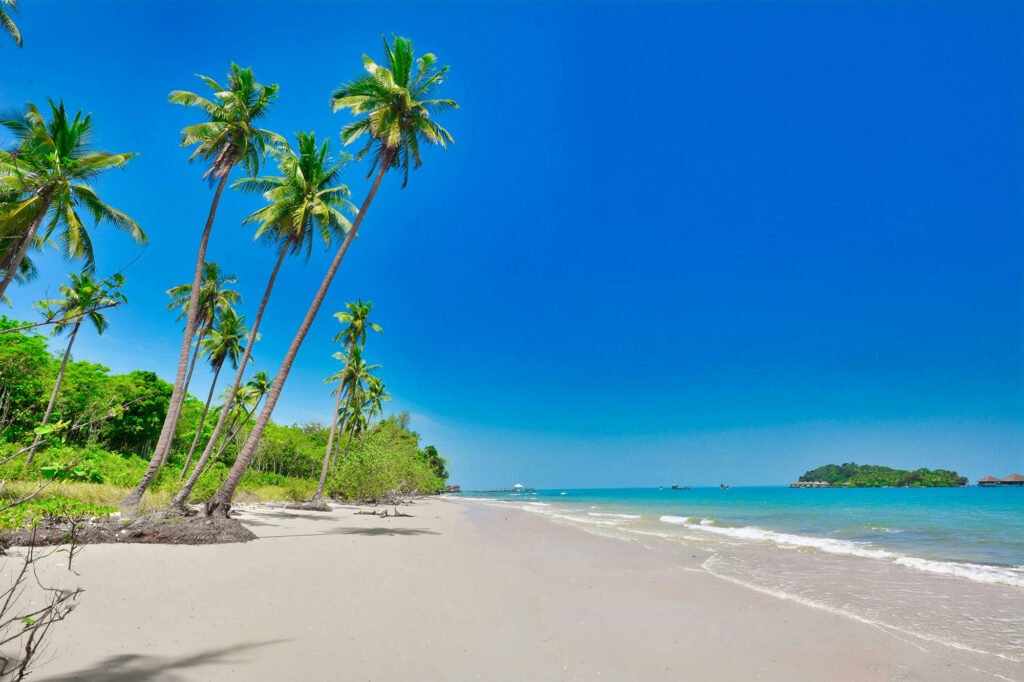
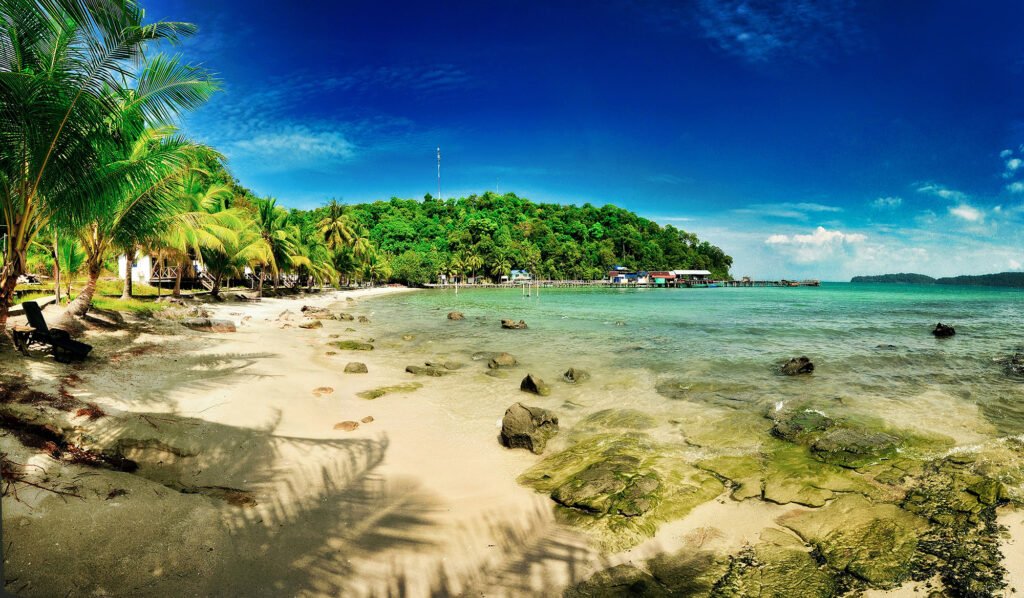
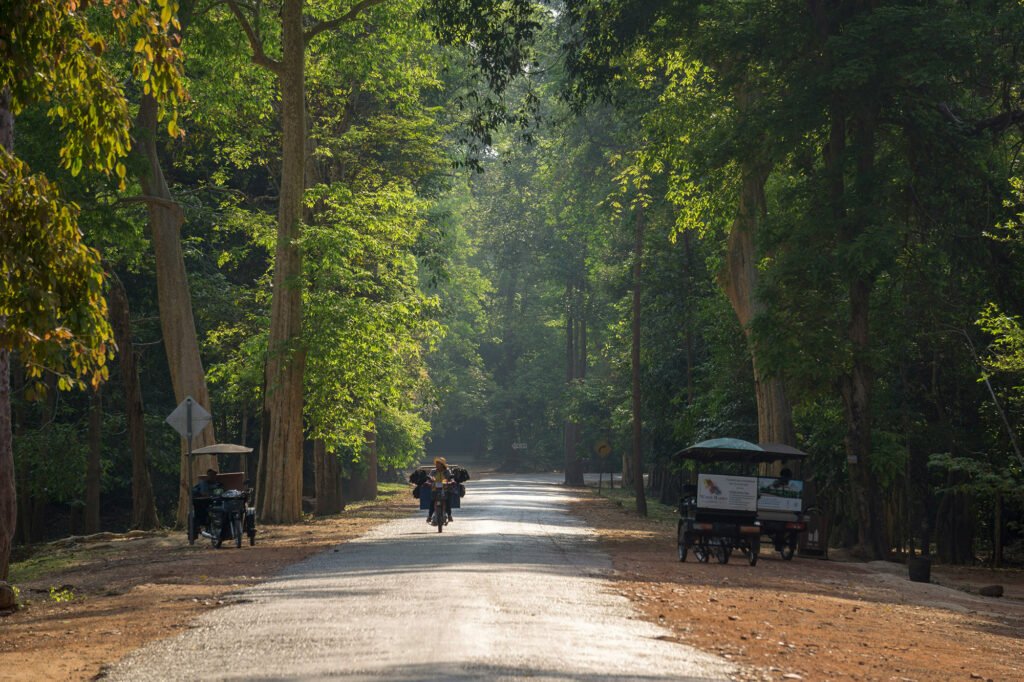
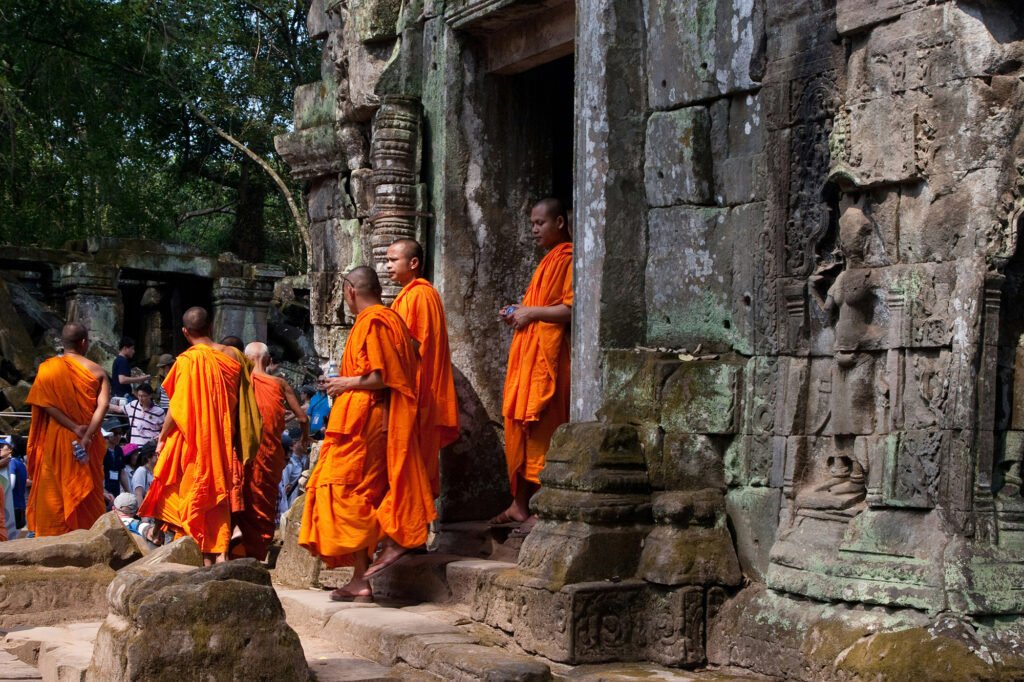
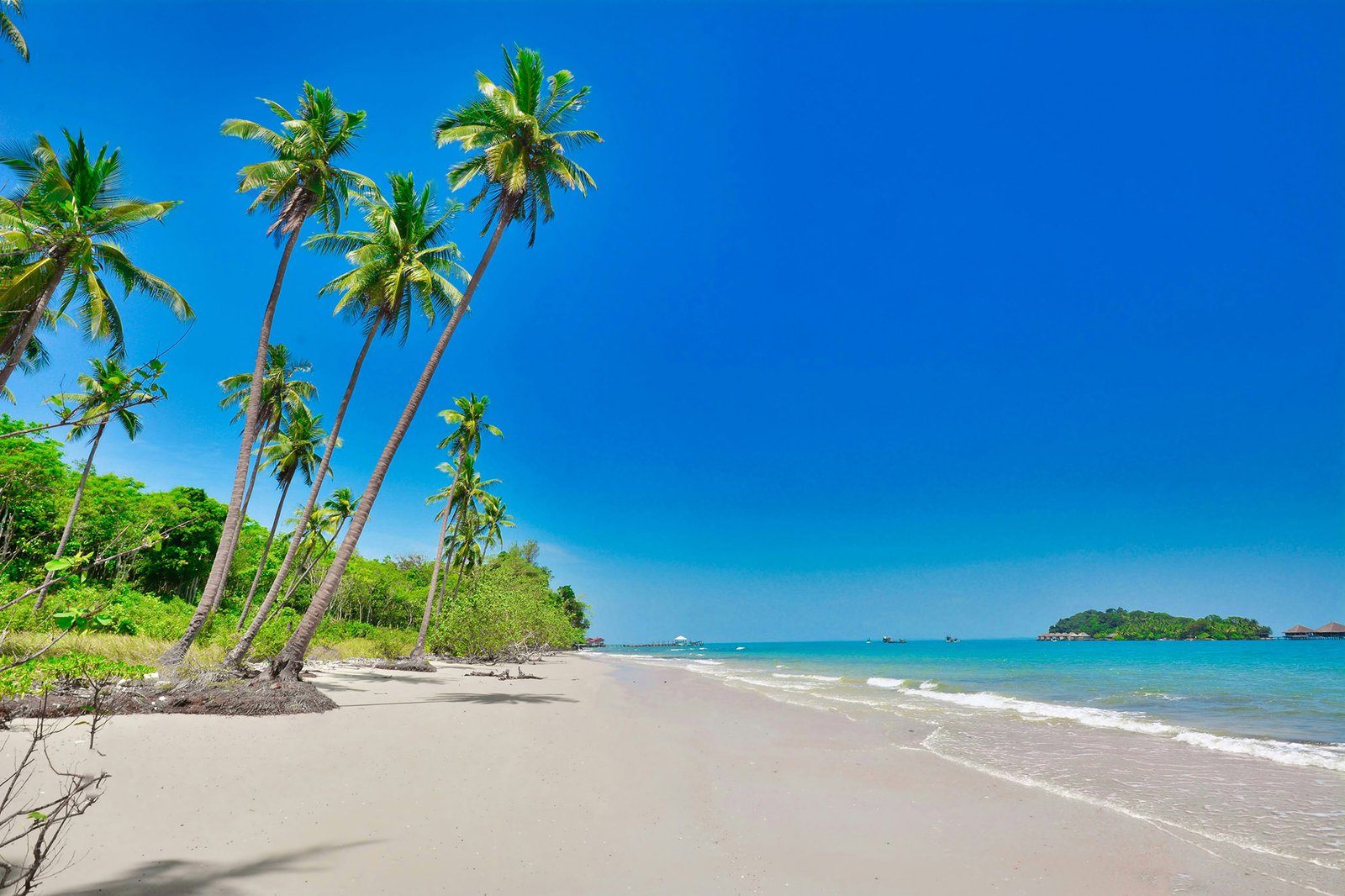
Koh Touch, Koh Rong
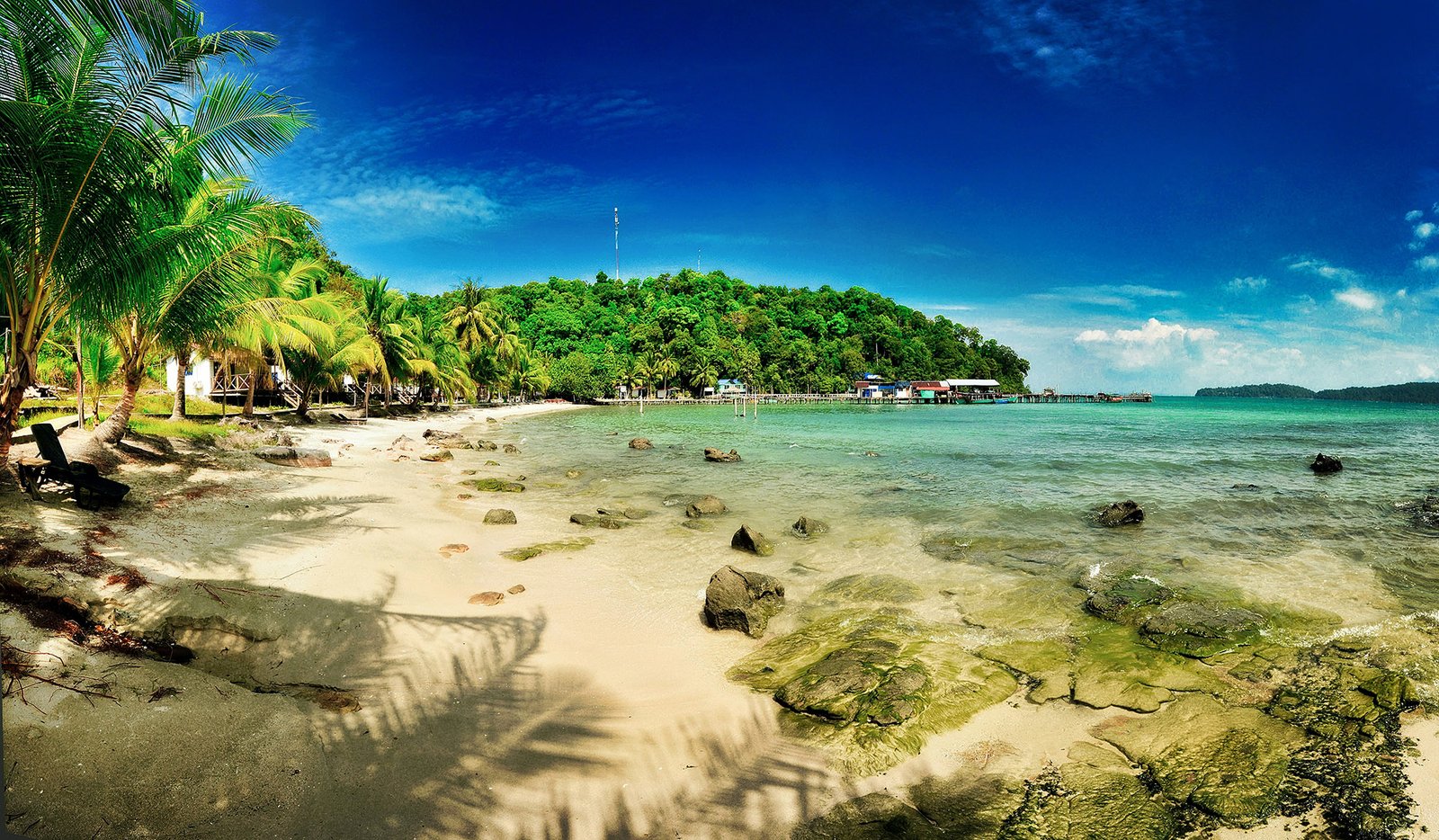
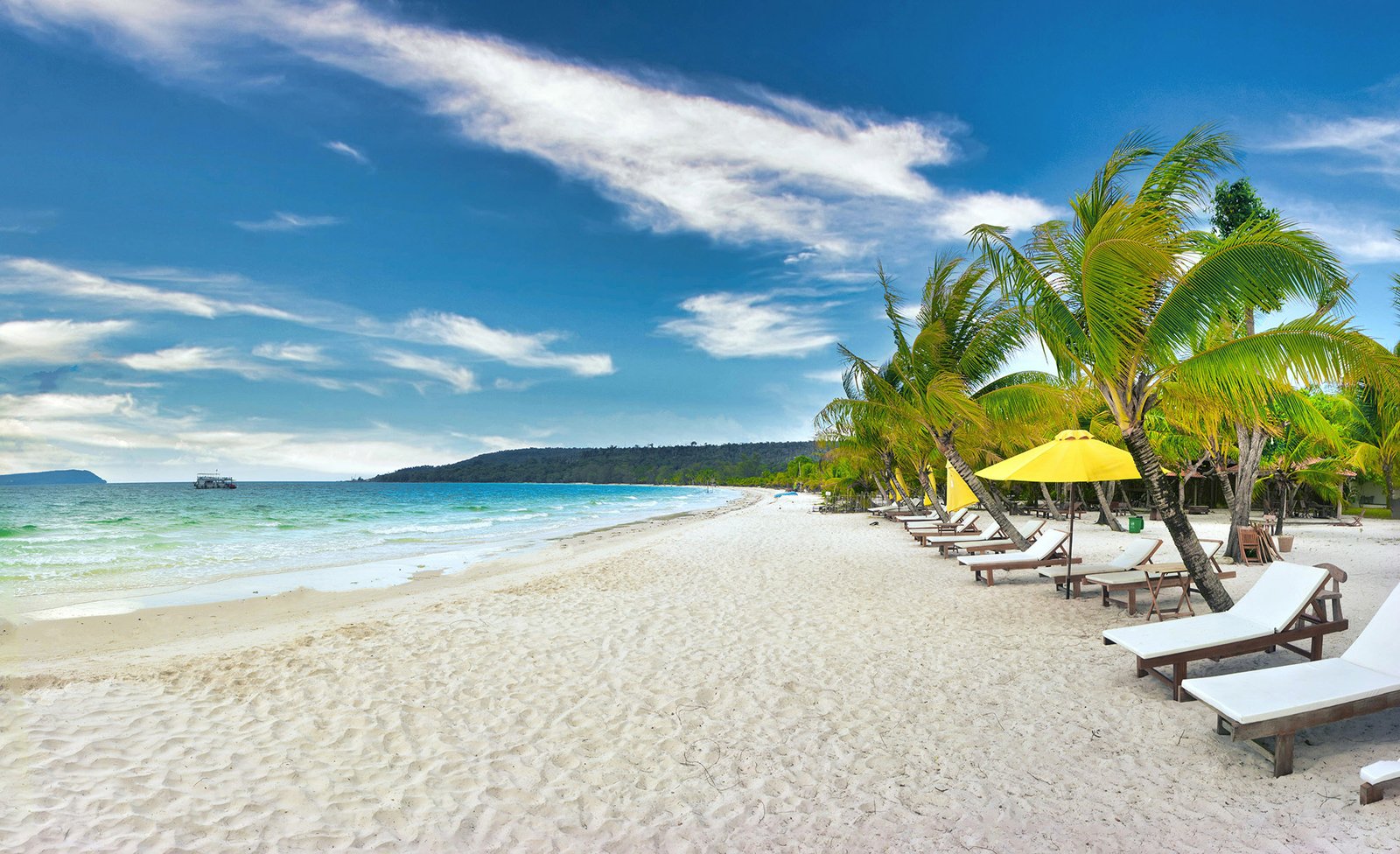
Saracen Bay, Koh Rong Samloem
Sok San Beach, Koh Rong
Koh Thmei, Ream National Park
Kep Harbour
Swim in bioluminescent plankton off Koh Rong Samloem at night
Snorkel the reefs off Koh Rong’s outer bays
Watch the sunset over the Kep crab market
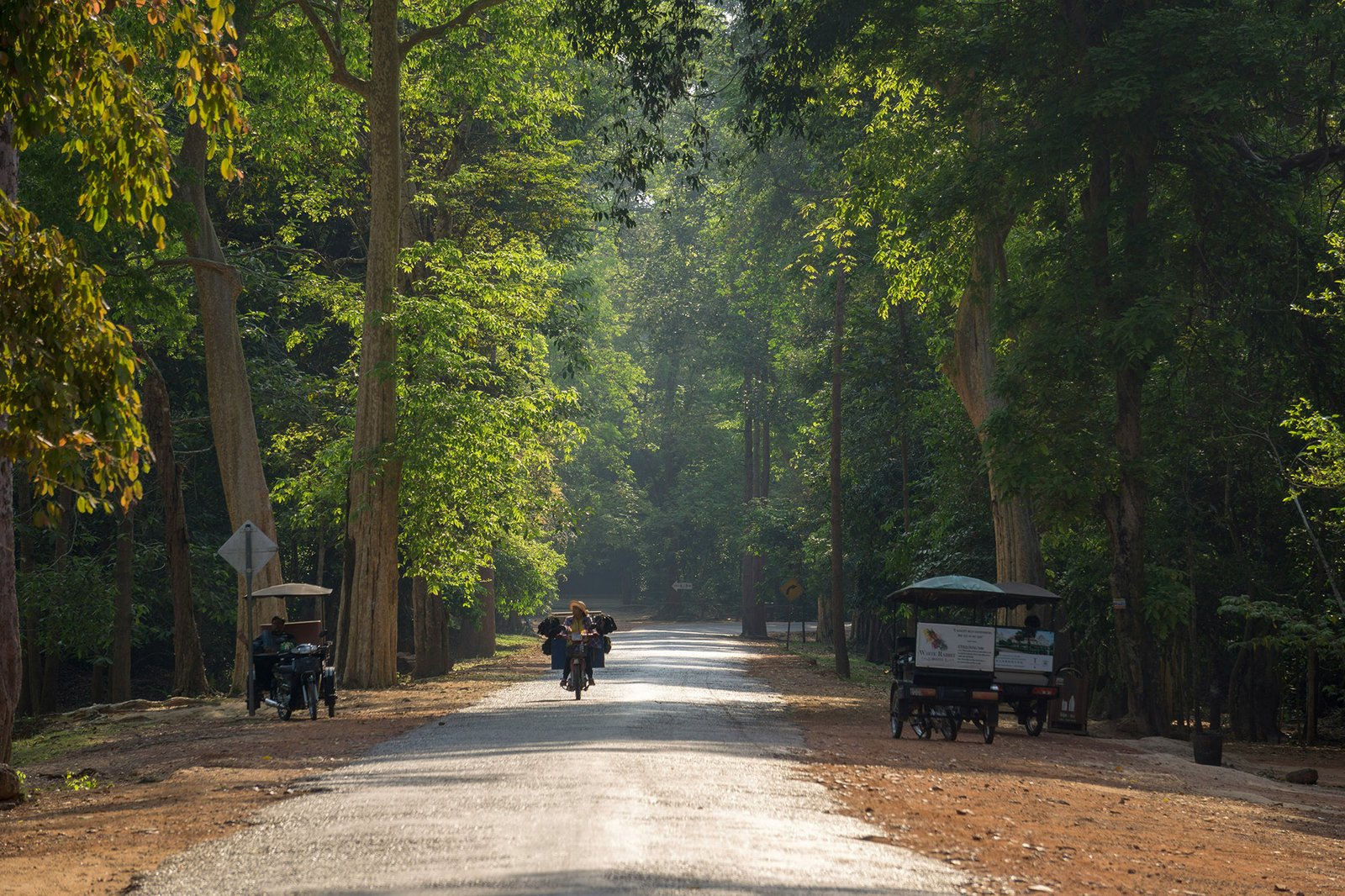
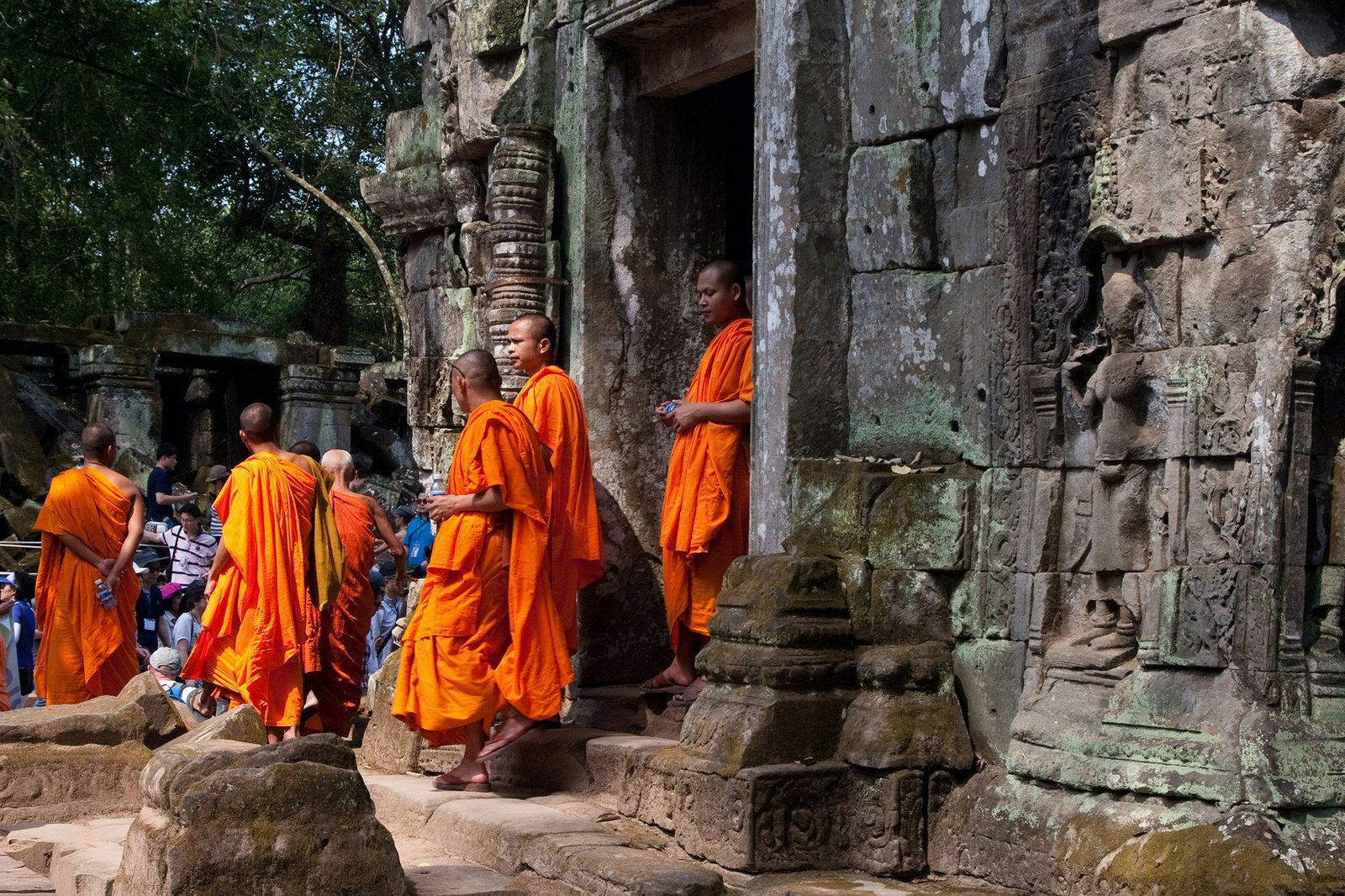
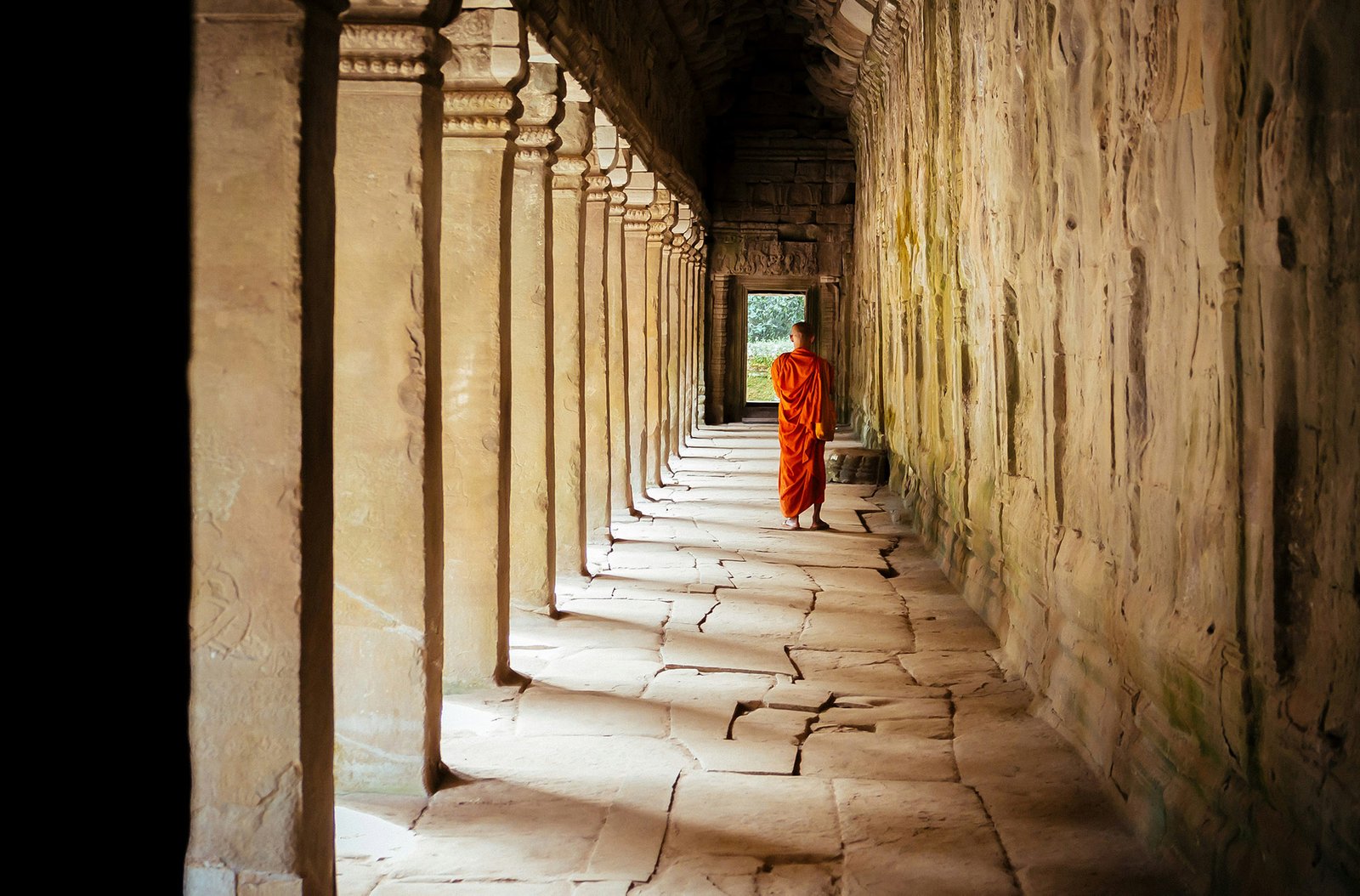
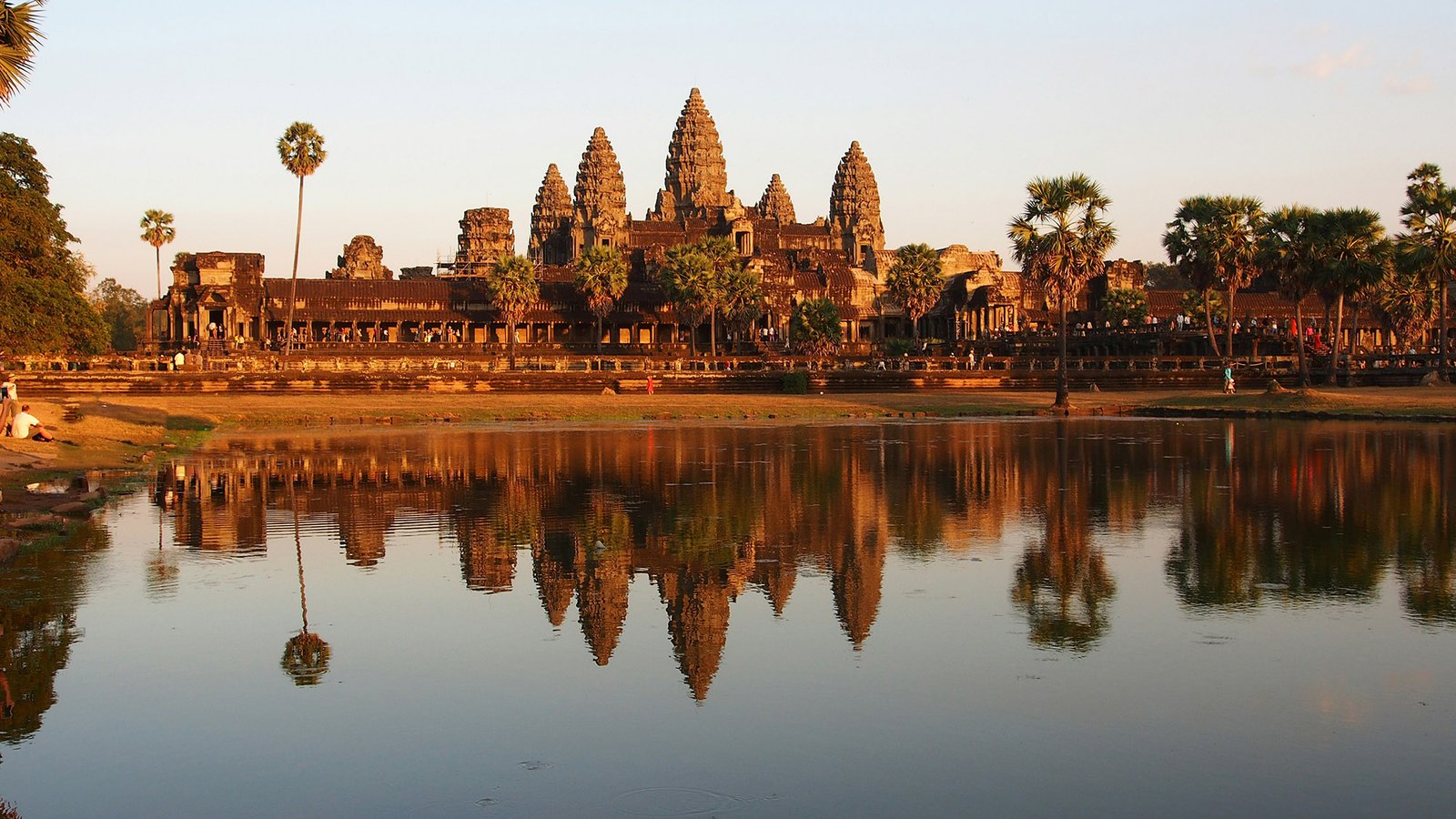
Visit Angkor Wat and the temples of Siem Reap
Explore the mangroves of Ream National Park by boat
Koh Rong
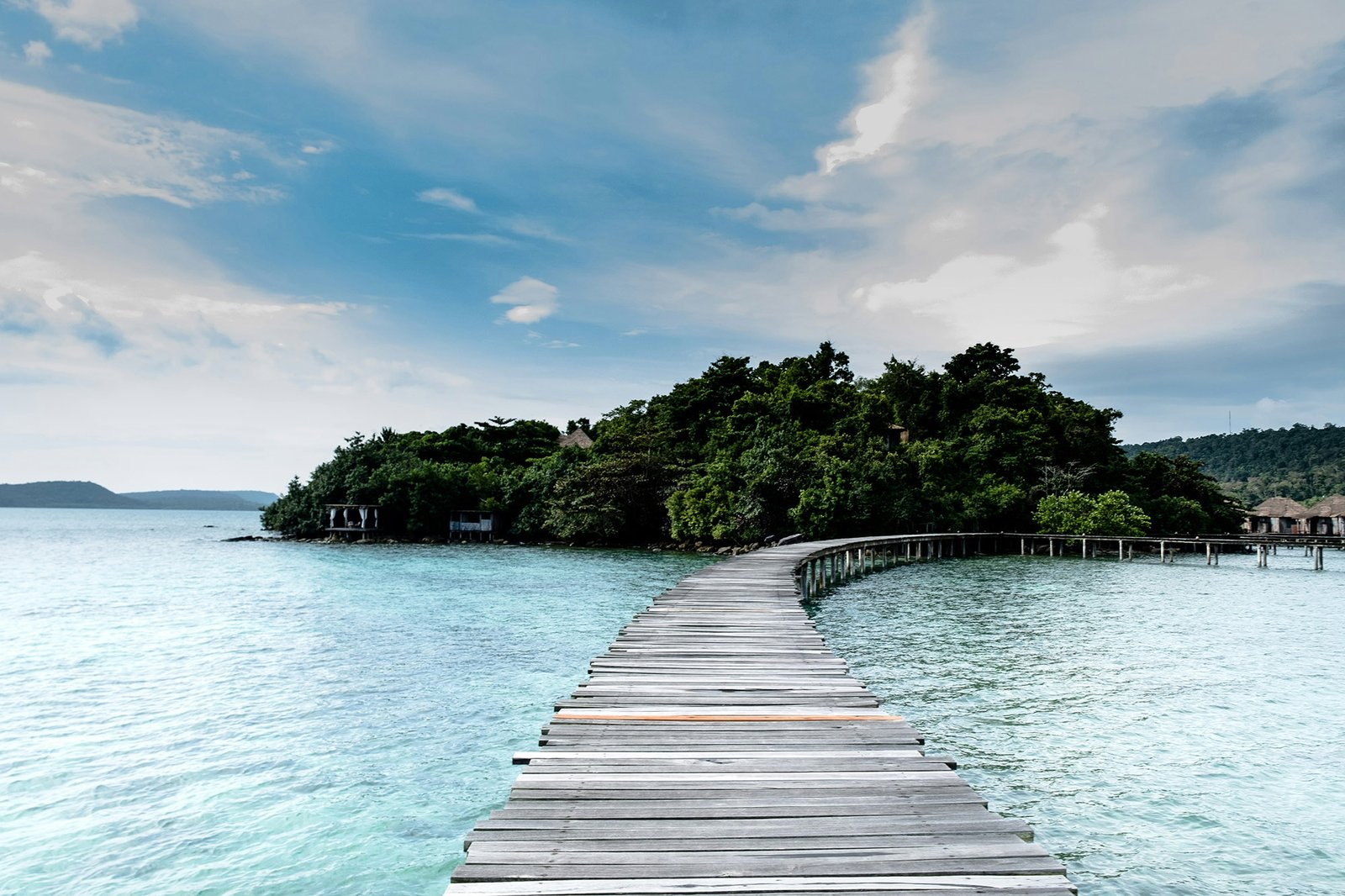
Koh Rong Samloem
Kep
Kampot
Siem Reap (Angkor)
November through April is Cambodia’s dry season and the best window for a coastal charter, with calm seas and long stretches of sunshine, cooler from November to February and noticeably hotter by March and April. The wet season, roughly May to October, brings heavier rain and choppier crossings between the islands, though showers are often short and the water stays warm throughout.
Sihanouk International Airport (KOS) sits a short drive from Sihanoukville, the main departure point for boats to Koh Rong and Koh Rong Samloem, with direct flights from several regional hubs. Guests wanting to combine the coast with Angkor Wat usually fly separately into Siem Reap-Angkor International Airport (SAI), which replaced the city’s old airport in 2023 and sits roughly 40 kilometres from the temples themselves.
Saracen Bay, on Koh Rong Samloem’s east coast, is the most sheltered and popular overnight anchorage, backed by a long sandy beach and a handful of low-key beach bars. Koh Touch, Koh Rong’s main village, suits guests wanting an evening ashore, while Koh Thmei inside Ream National Park offers a quieter, more remote alternative closer to the mainland.
Three to four days suit most itineraries, enough to spend a night off each of the main islands and a stop at Kep for its crab market. Guests wanting to add Angkor Wat should budget at least one extra day inland, since it requires a separate flight to Siem Reap rather than a detour by boat, with no coastal route connecting the two.
Sihanoukville is the only real hub for fuel, spares and full provisioning, so charters typically stock up there before heading out to Koh Rong, Koh Rong Samloem or Kep, none of which offer much beyond basic supplies and a handful of small restaurants. The islands themselves still run largely on generators and solar power rather than a mains grid, part of what keeps their pace so unhurried.