Greater Antilles / Dominican Republic
Casa de Campo Marina, La Romana
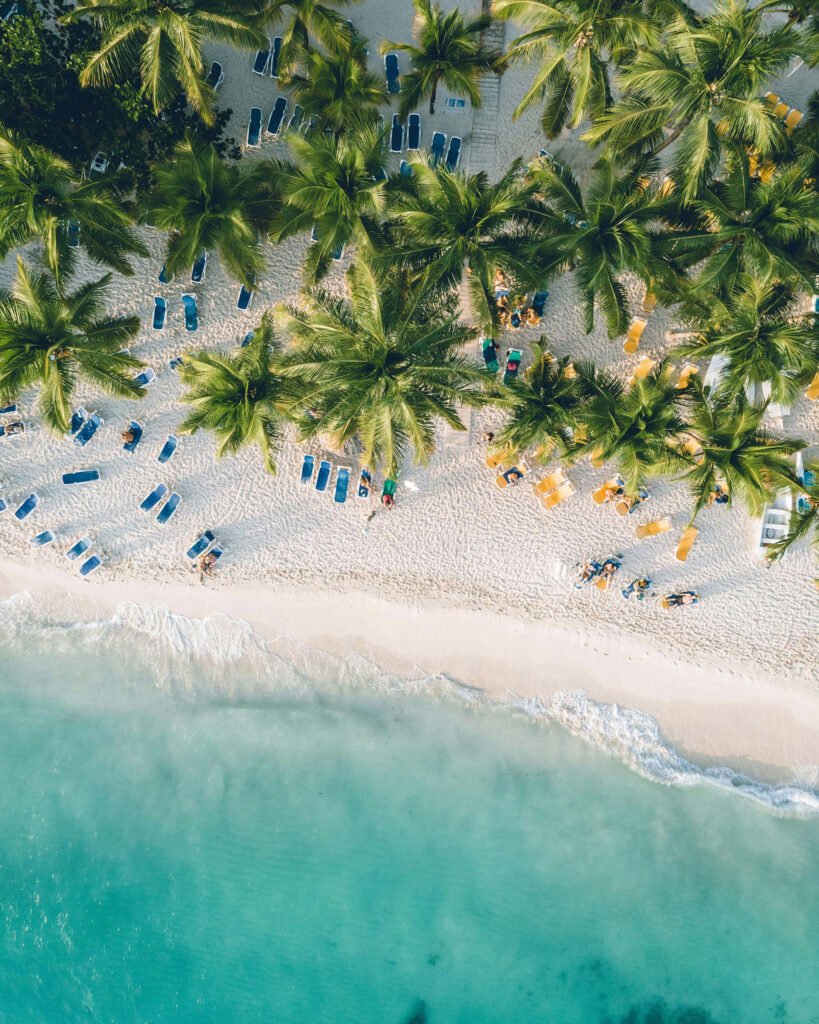
Bayahibe
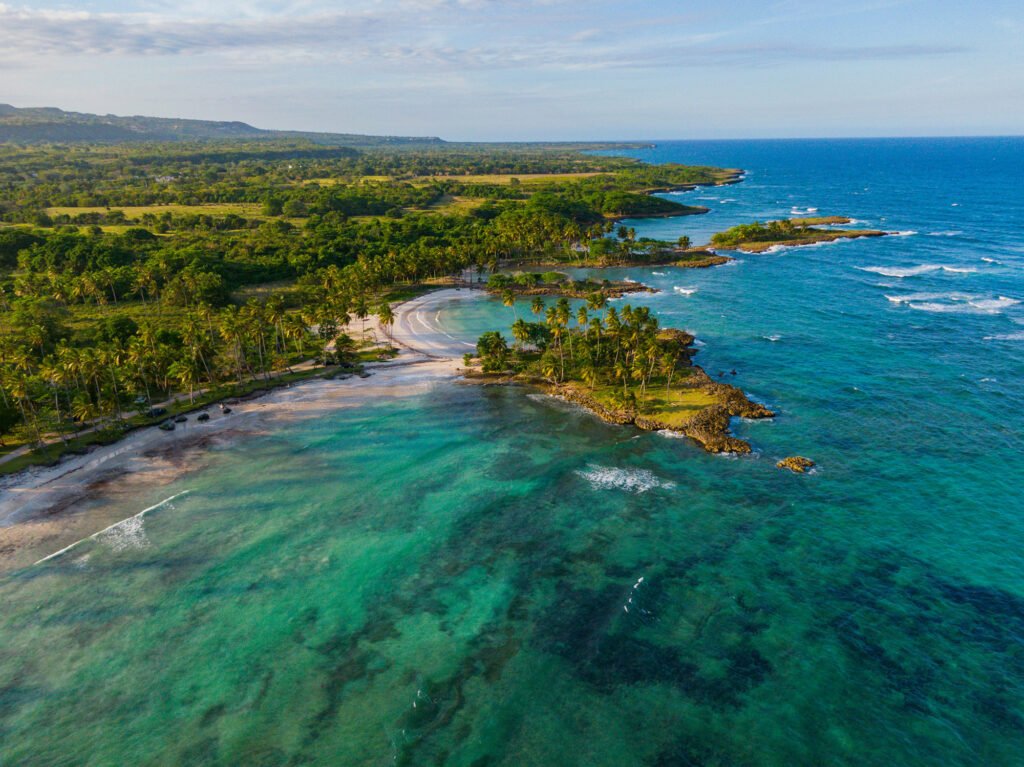
Luperón
Ocean World Marina, Puerto Plata
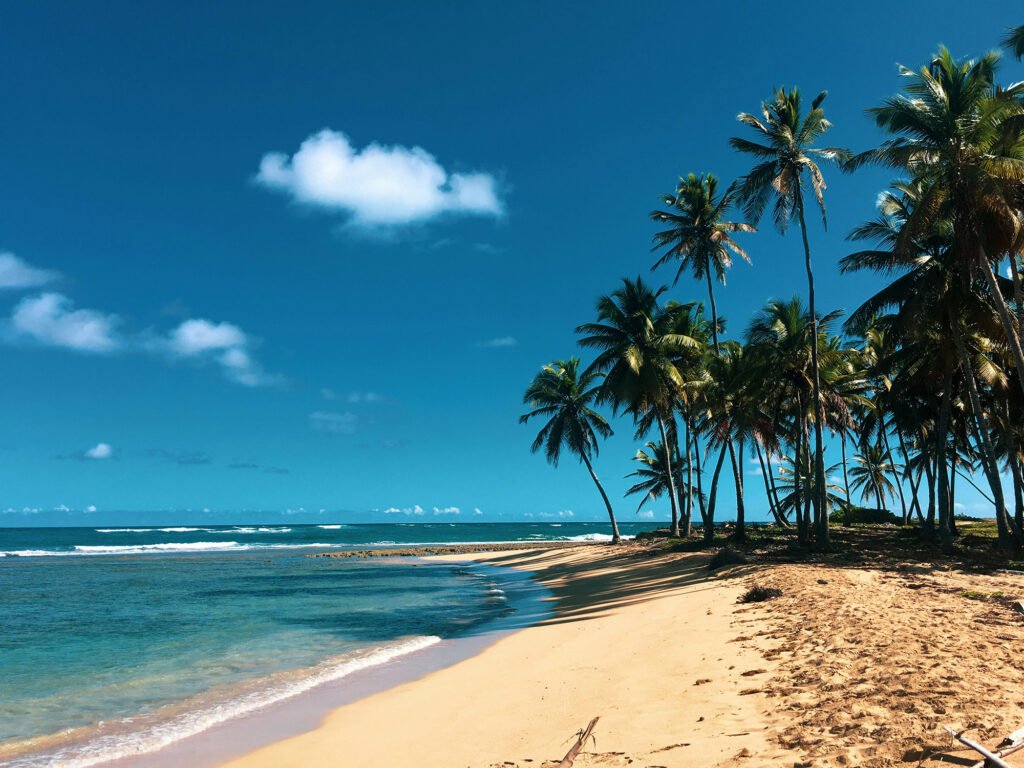
Isla Saona
Snorkel Isla Saona within Parque Nacional del Este
Explore the underground lakes of Los Tres Ojos
Ride the cable car up Pico Isabel de Torres
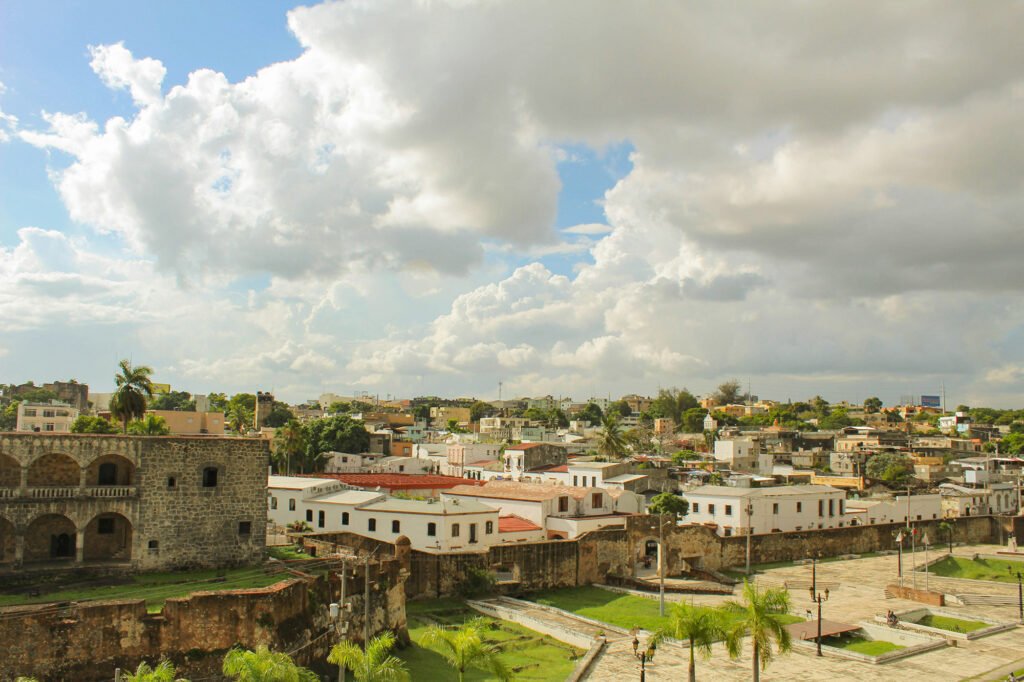
Wander the hilltop village of Altos de Chavón
Swim beneath the 27 waterfalls of Damajagua
Bayahibe
Puerto Plata
La Romana
Punta Cana
Jarabacoa
December through April is the most popular window: dry, warm and, from January to March, overlapping with the humpback whale season in Samaná Bay. Hurricane season runs June through November, with the heaviest rain typically falling on the north coast within that stretch, so a late spring or summer charter benefits from a flexible route and close attention to the weather forecast.
Punta Cana International Airport (PUJ) is the busiest gateway and closest to the eastern anchorages around Casa de Campo and Bayahibe, with direct flights from across North America and Europe. Guests starting on the north coast usually fly into Puerto Plata’s Gregorio Luperón International Airport (POP), while Las Américas International (SDQ) outside Santo Domingo suits a charter beginning in the capital.
Bayahibe and the Casa de Campo marina in La Romana give easy access to Isla Saona and the reefs of Parque Nacional del Este, while Luperón on the north coast is one of the Caribbean’s best regarded hurricane holes, ringed by mangroves and popular with cruisers riding out the season. Ocean World Marina near Puerto Plata works well as a stop for guests exploring the north coast independently.
A week covers the east coast comfortably: Bayahibe, Isla Saona and a day in La Romana or Santo Domingo’s Zona Colonial. Ten days or more allow a run up to the north coast for Puerto Plata and, in season, the whale watching grounds of Samaná Bay, though the crossing between coasts takes a full day’s sail and is best planned around settled weather.
Larimar, a rare pale blue variety of pectolite, is found nowhere else on earth outside a single mountain range near Barahona in the southwest, mined mainly from the Los Chupaderos deposit discovered in 1974. It’s sold as jewellery throughout the country, most reliably from licensed shops in Santo Domingo and Puerto Plata, where a certificate of authenticity distinguishes genuine stone from the dyed imitations sometimes sold to cruise passengers.

Tell us what you would like to know, and our team will respond with clear details on availability, specification, pricing and next steps.