Greece / Aegean Islands / Cyclades Islands
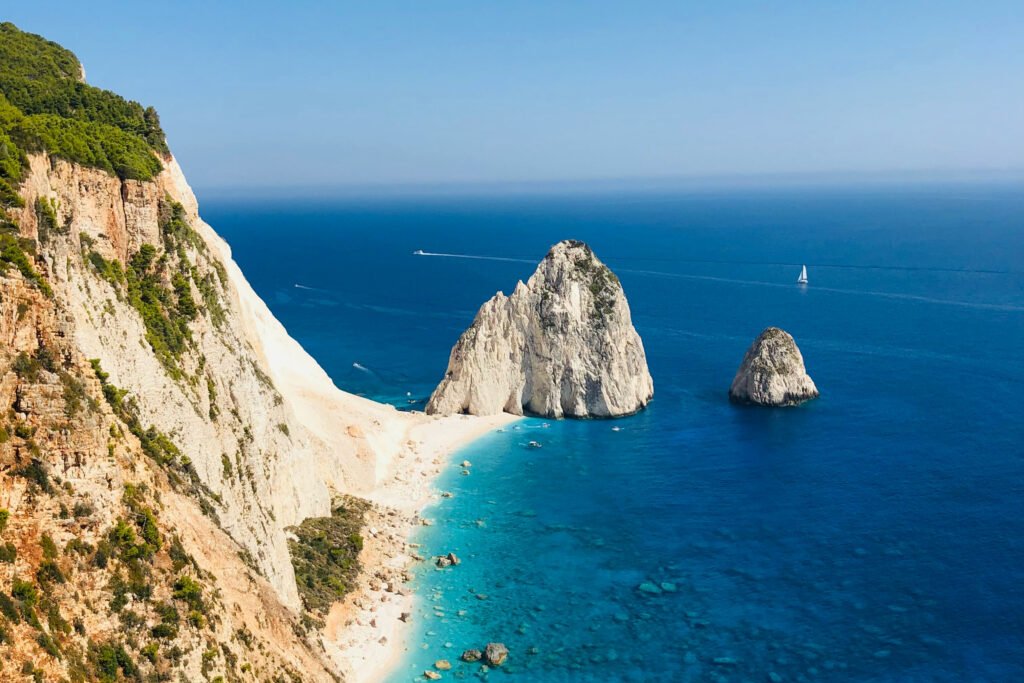
Sarakiniko Bay, Milos
Agios Prokopios, Naxos
Mylopotas Bay, Ios
Kamares Bay, Sifnos
Ermoupoli Harbour, Syros
Swim the volcanic rock pools of Sarakiniko, Milos
Hike the Byzantine flagstone path to Kastro, Sifnos
Explore the Portara, Naxos’s marble temple gate
Dance until dawn in Ios’s harbour bars
Wander the Vaporia district of Ermoupoli, Syros
Klima, Milos’s fishing village of colourful boathouses
Chora, Amorgos’s clifftop capital
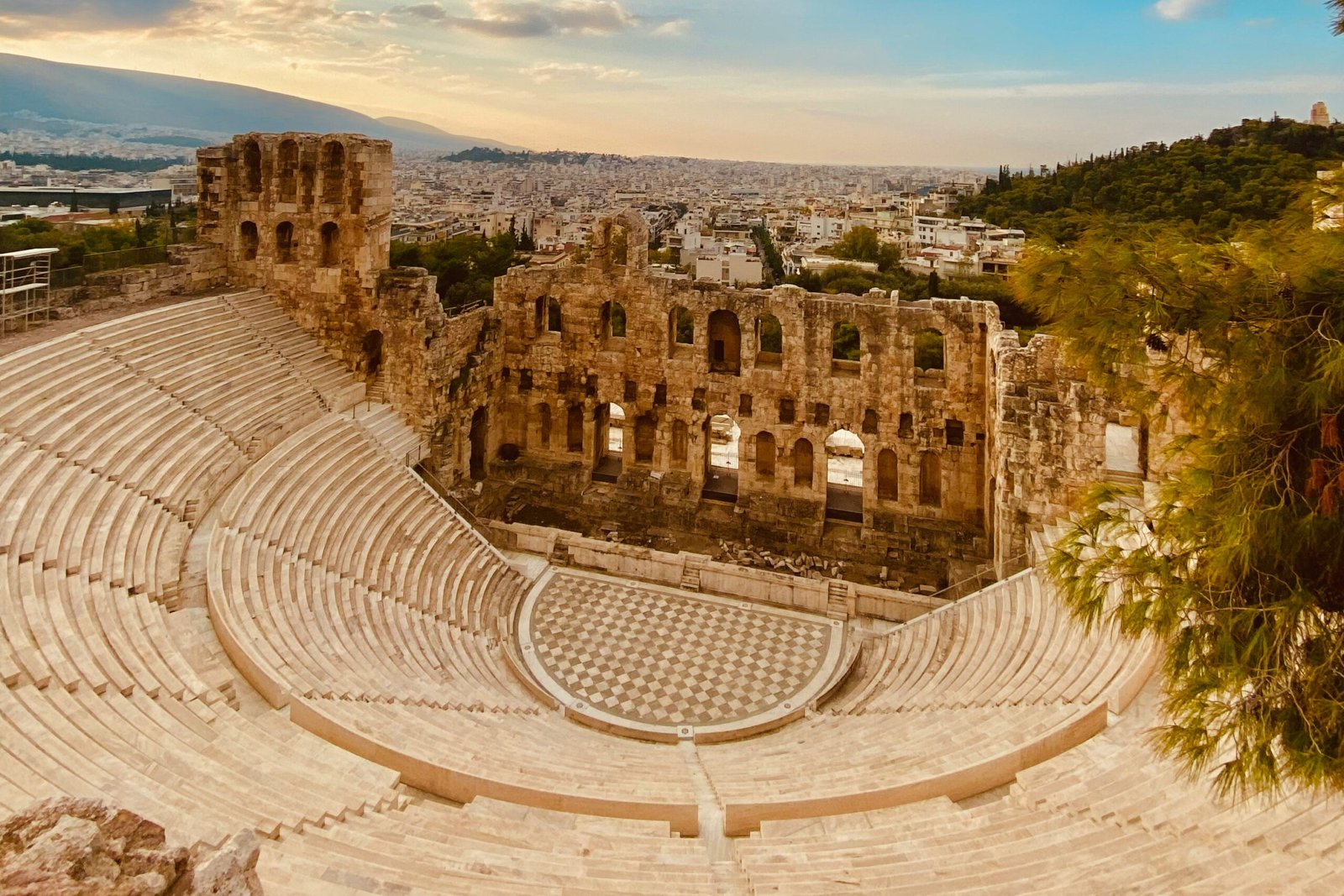
Ermoupoli’s Apollo Theatre, Syros
Panagia Chrysopigi Monastery, Sifnos
Halki, Naxos’s marble-paved former capital
Late May to early October works well, though the islands feel quite different at each end of that window. June and September bring warm, settled seas and thinner crowds around Mykonos and Santorini, while July and August deliver the Cyclades’ strongest meltemi winds alongside its busiest beach clubs and highest prices. Many experienced charterers now deliberately target the shoulder months instead.
Mykonos (JMK) and Santorini (JTR) both have their own airports with extensive summer connections from across Europe, and are the two most common start or end points for a Cyclades charter. Naxos (JNX) and Paros (PAS) have smaller airports served mainly from Athens, which can work well if the itinerary is built around the islands’ quieter western half instead.
It varies by island, but well-sheltered options include Kamares Bay on Sifnos, Mylopotas Bay on Ios and the Ermoupoli waterfront on Syros, all comfortable overnight stops with tavernas ashore. Santorini and Mykonos have far less natural shelter, so most yachts either pick up a mooring or anchor for the day and retreat to a calmer bay, such as Sarakiniko on Milos, for the night.
Seven to ten days lets you comfortably combine two or three of the well-known islands, Mykonos, Santorini and Paros, say, with one or two quieter stops such as Sifnos or Milos worked in between. Guests short on time often just base themselves between Mykonos and Santorini, a single, relatively short hop, and add day trips to Delos or the smaller islets nearby.
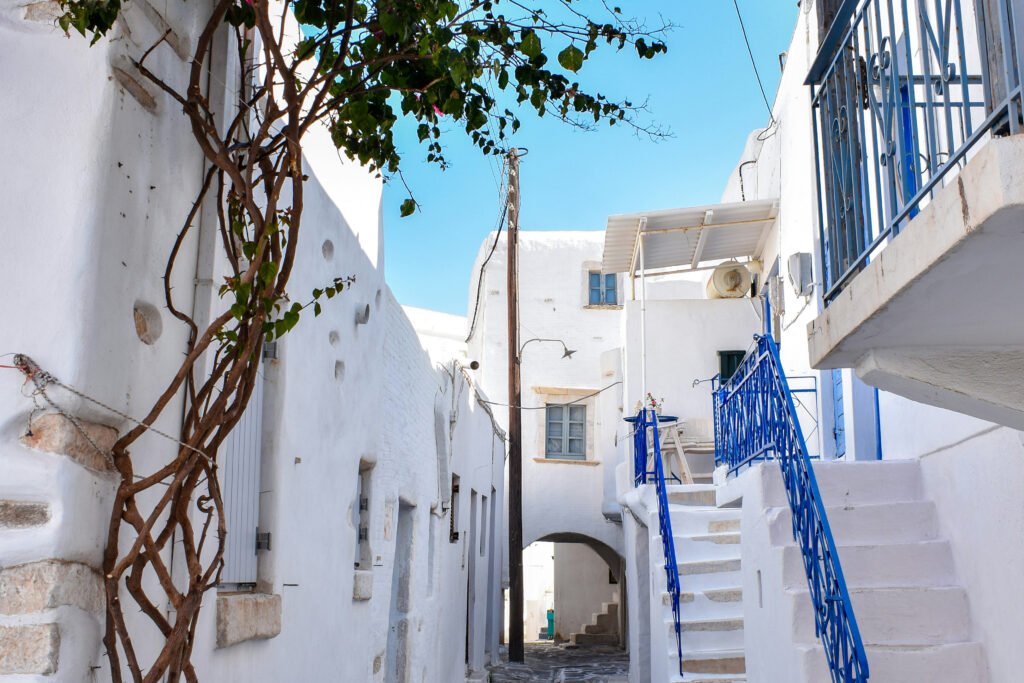
Not quite, but the tradition has a real legal history. Whitewashing was reportedly first encouraged in the 1930s as a public health measure, since limewash acts as a disinfectant, and was later reinforced under a 20th-century government keen to promote the blue and white of the Greek flag. There’s no active law enforcing it today, but island communities keep repainting every spring out of custom rather than obligation.

Tell us what you would like to know, and our team will respond with clear details on availability, specification, pricing and next steps.