Indonesia / Raja Ampat / Gam Island
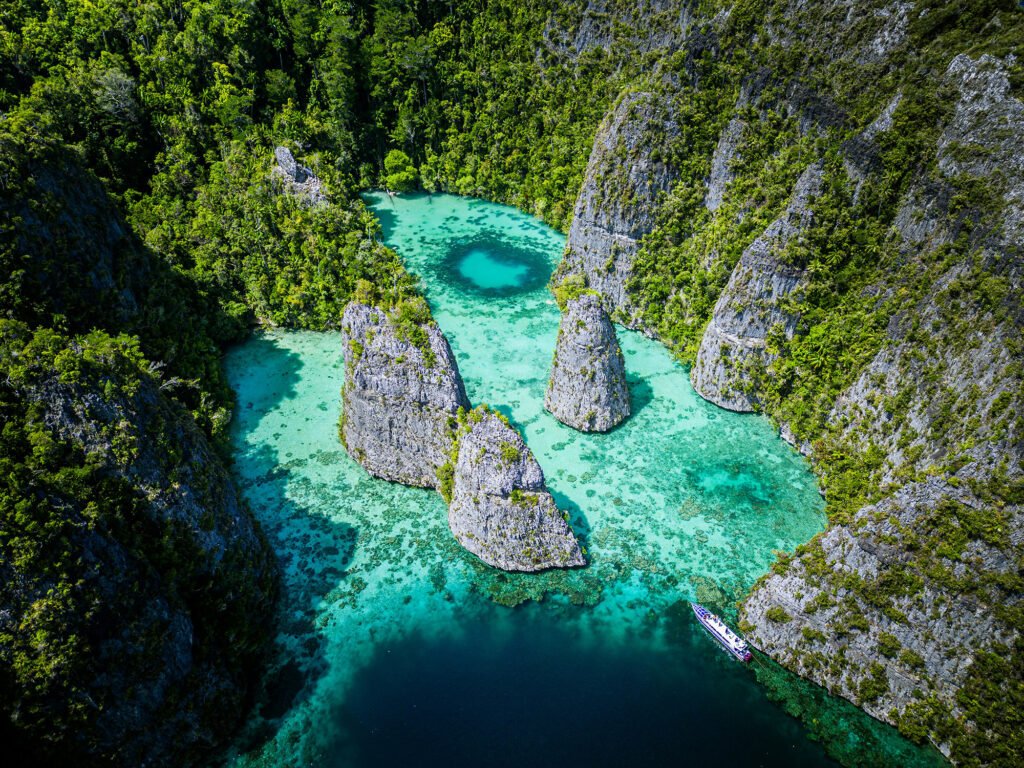
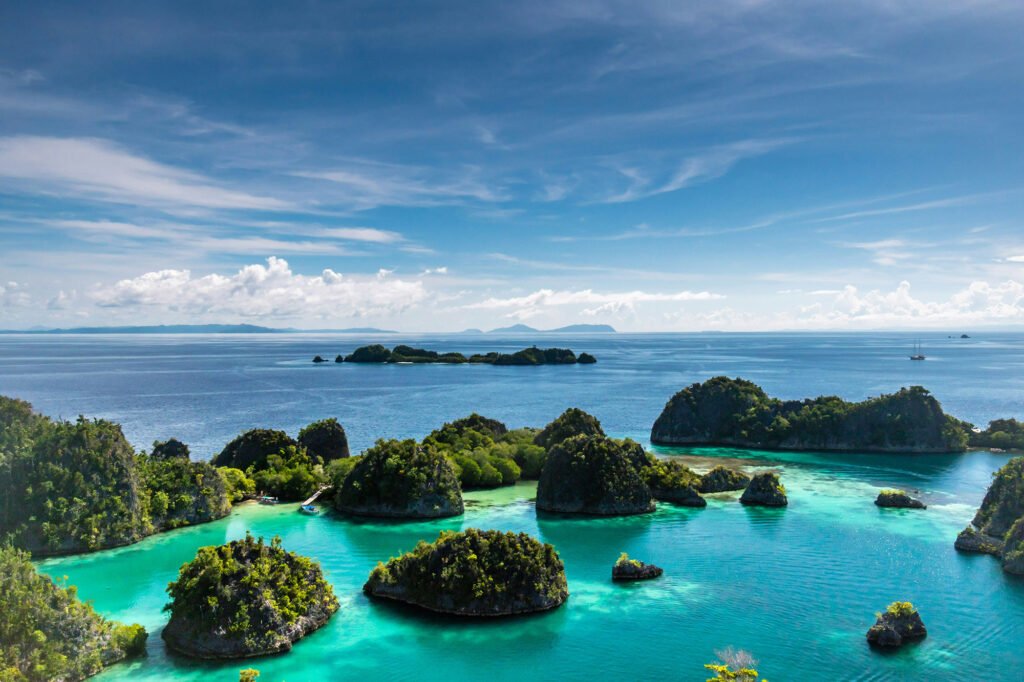
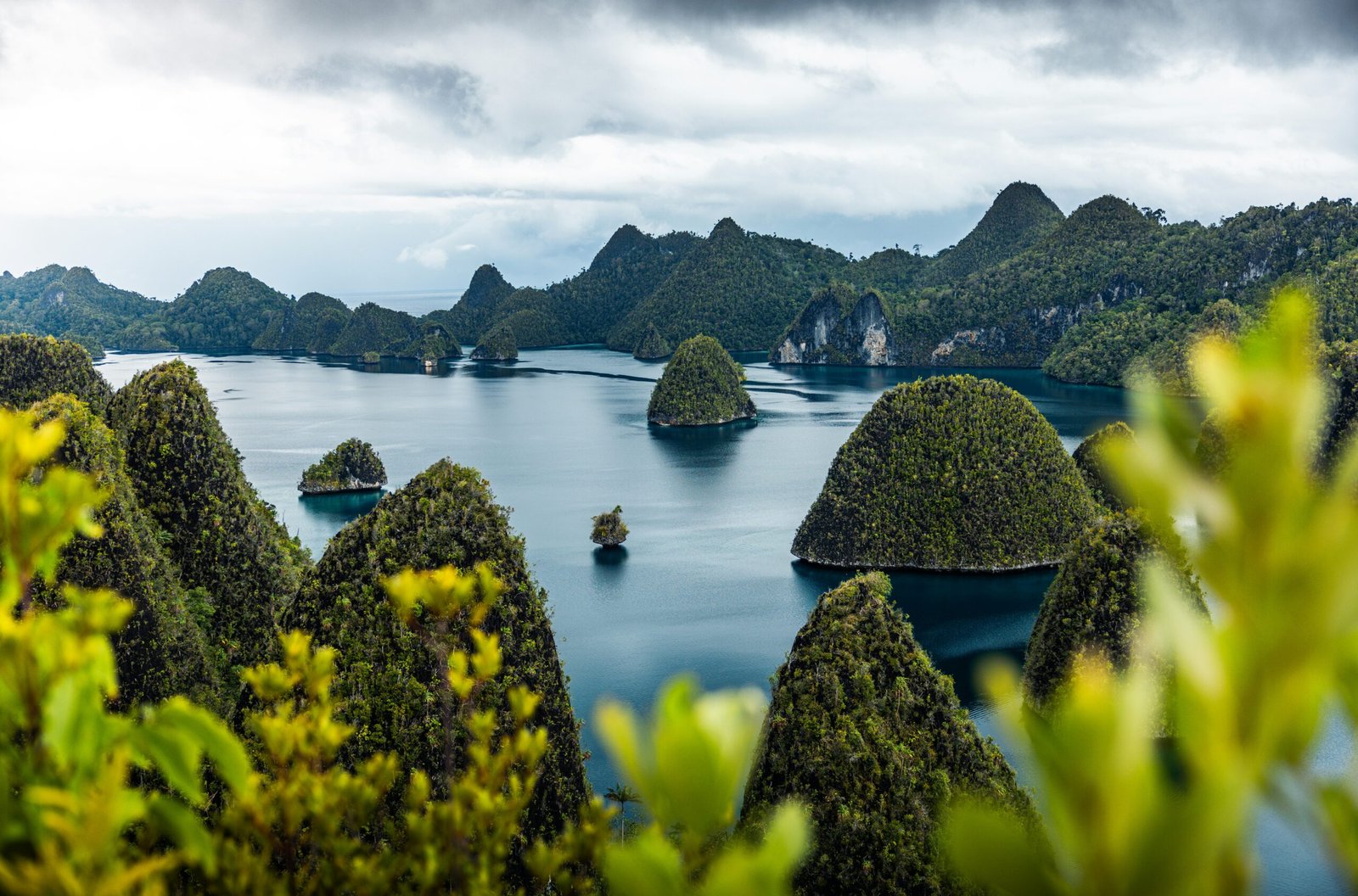
Gam Bay
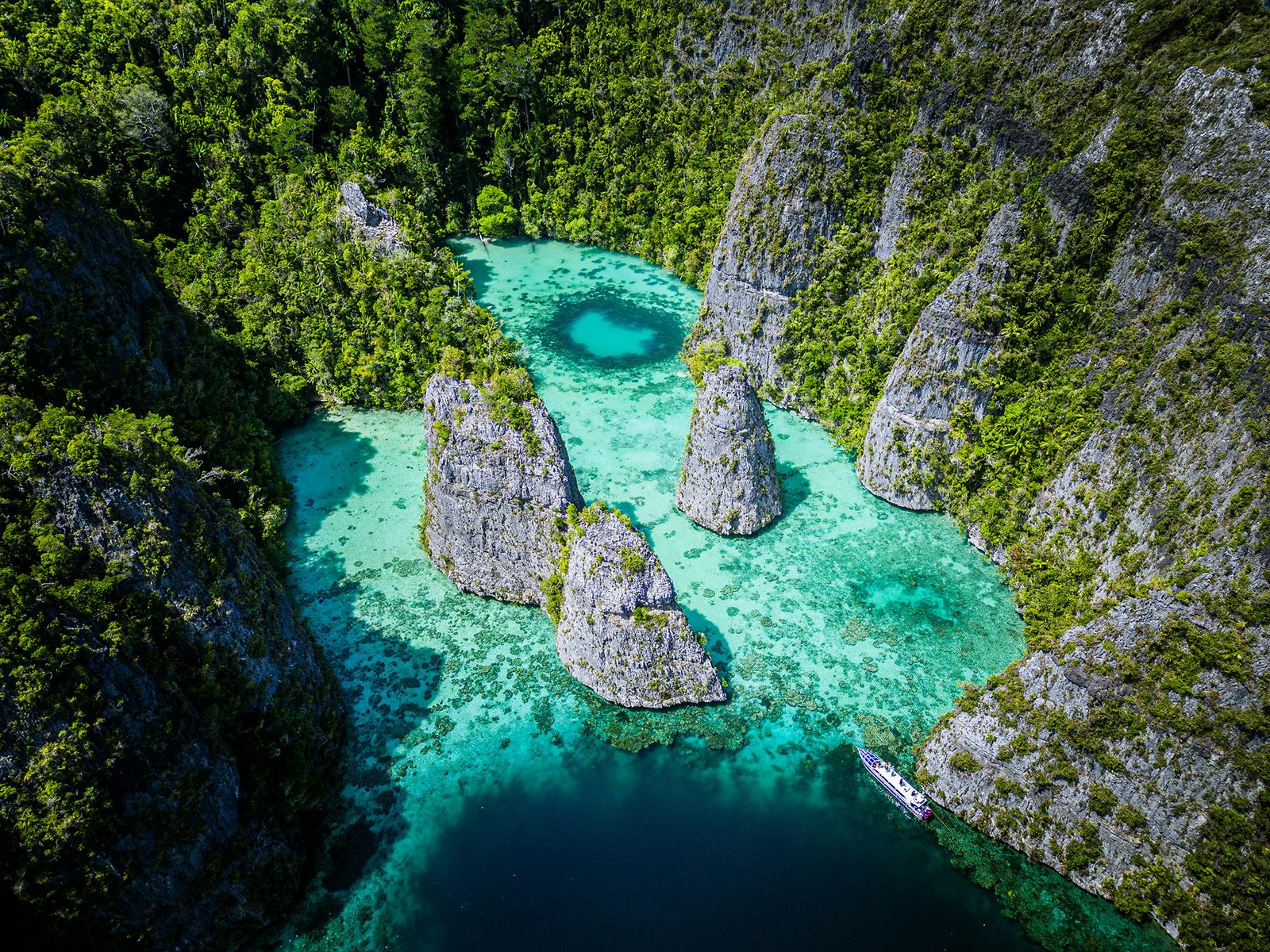
Kabui Passage
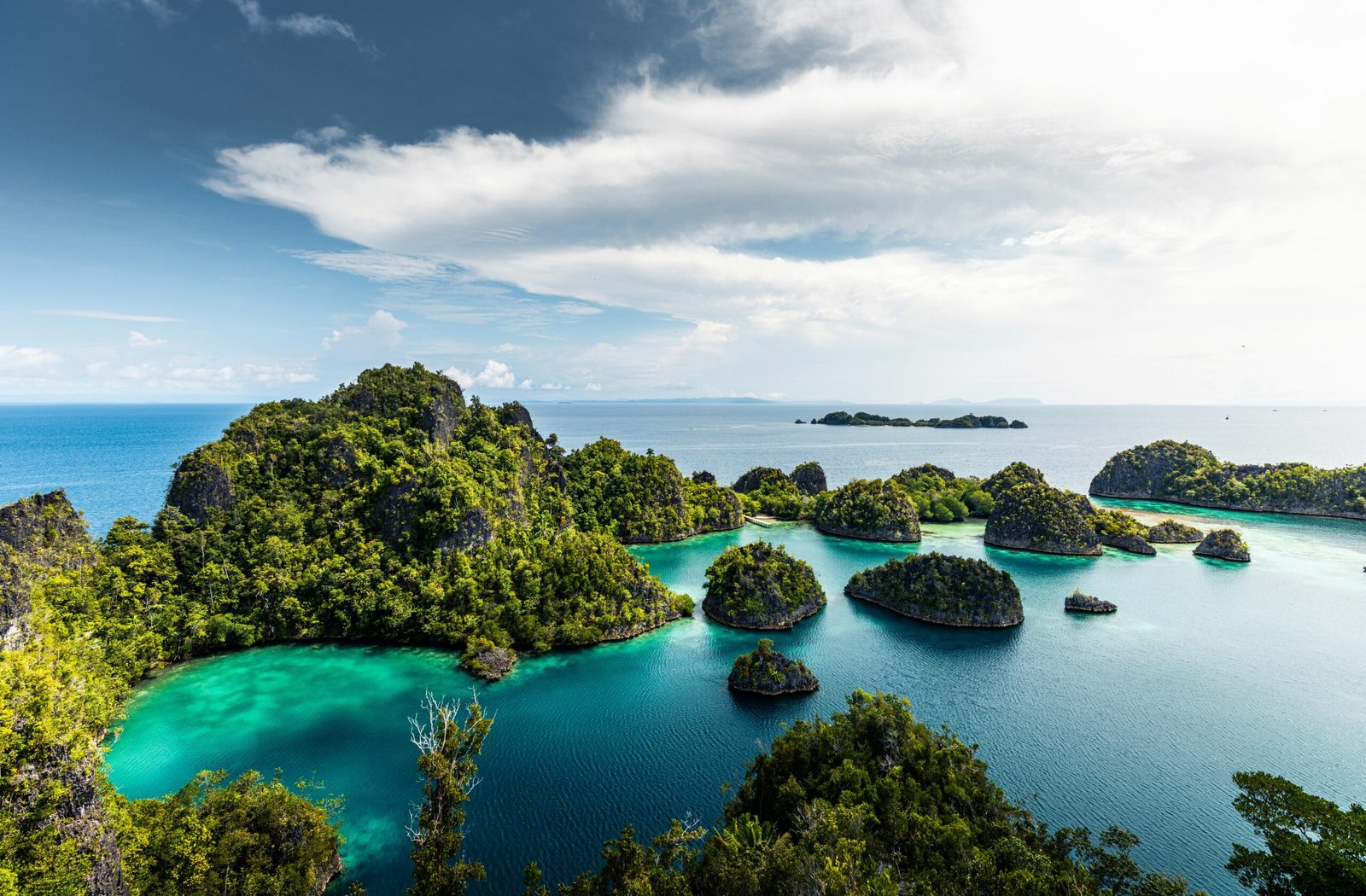
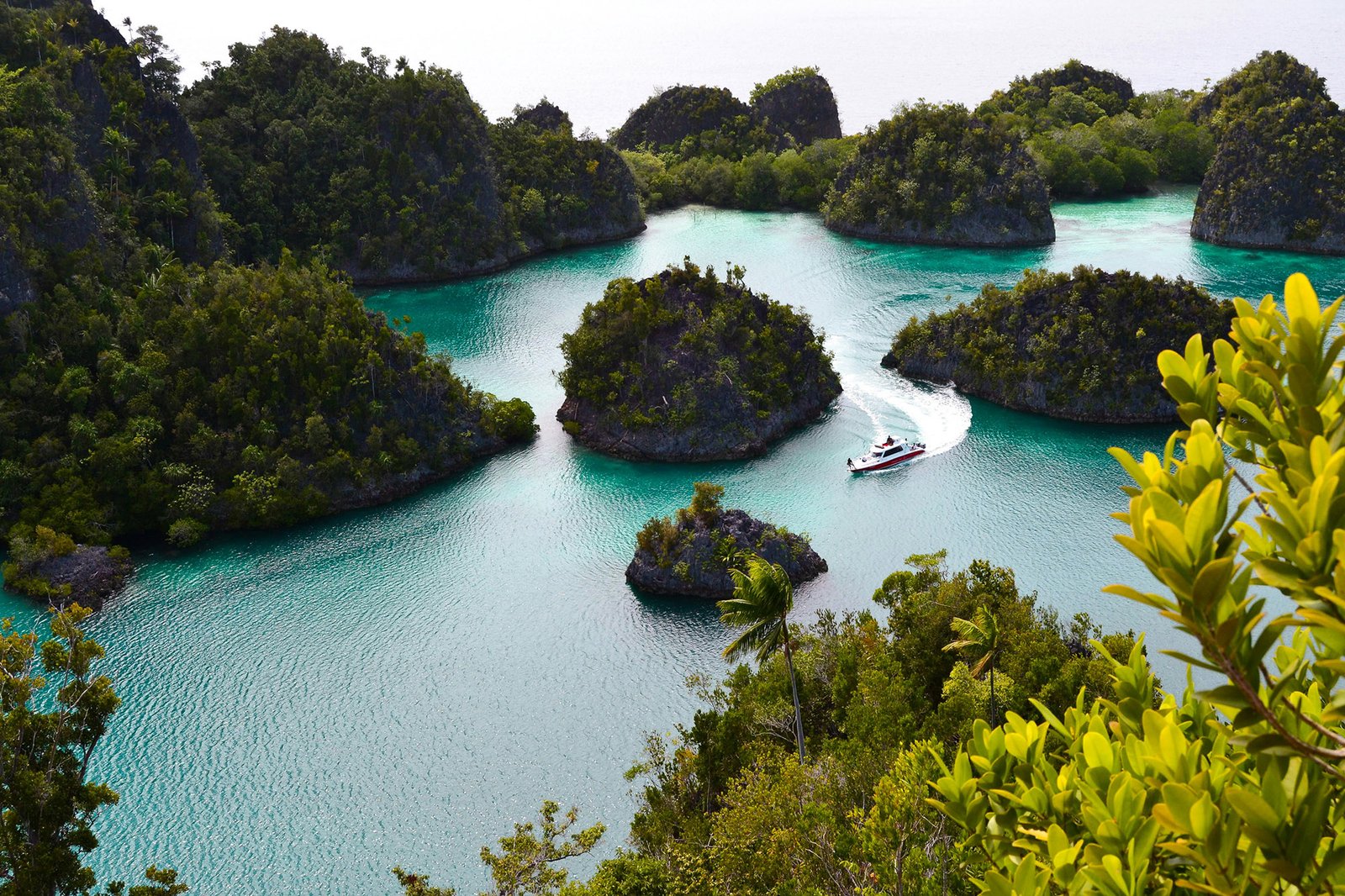
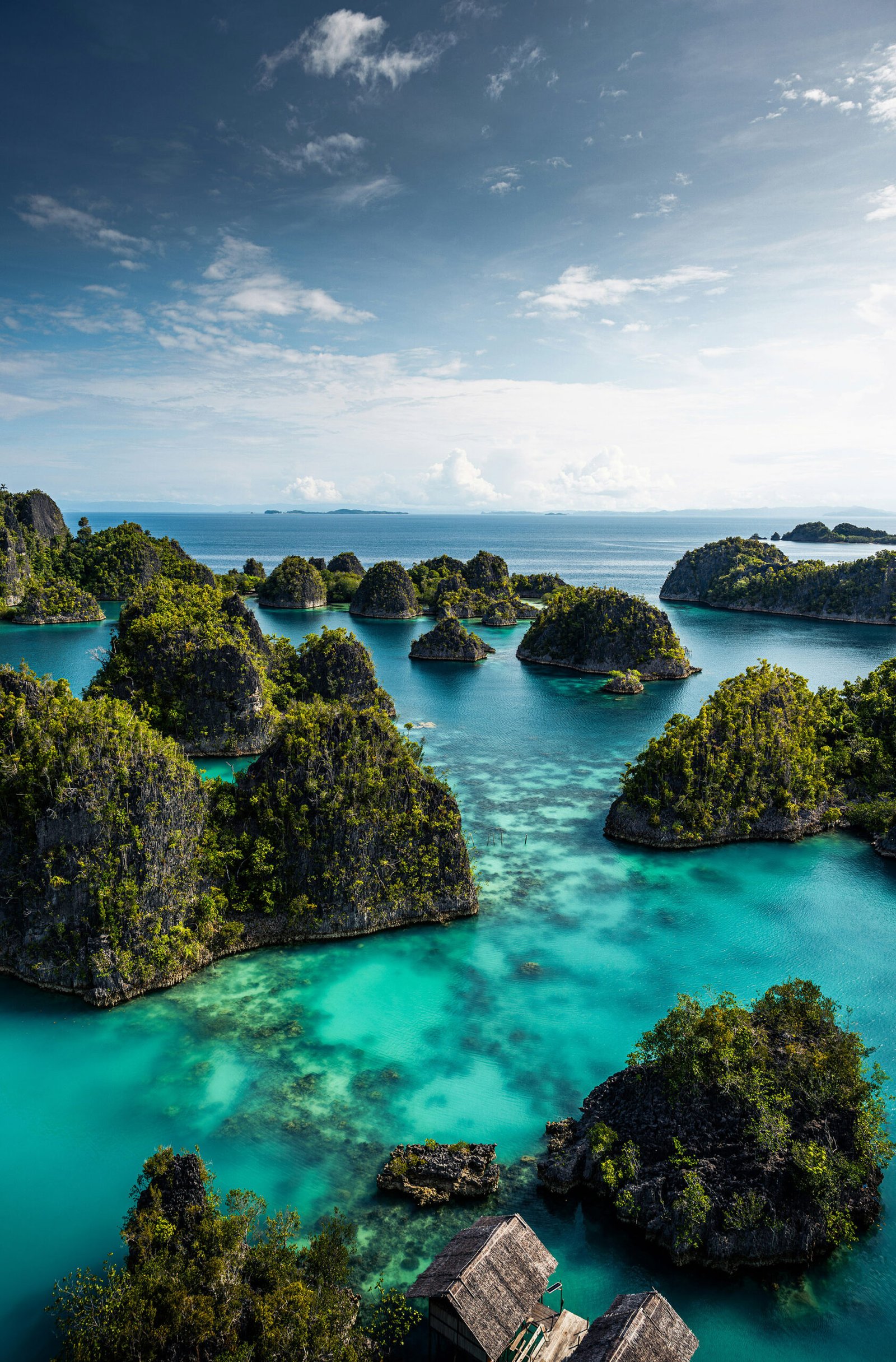
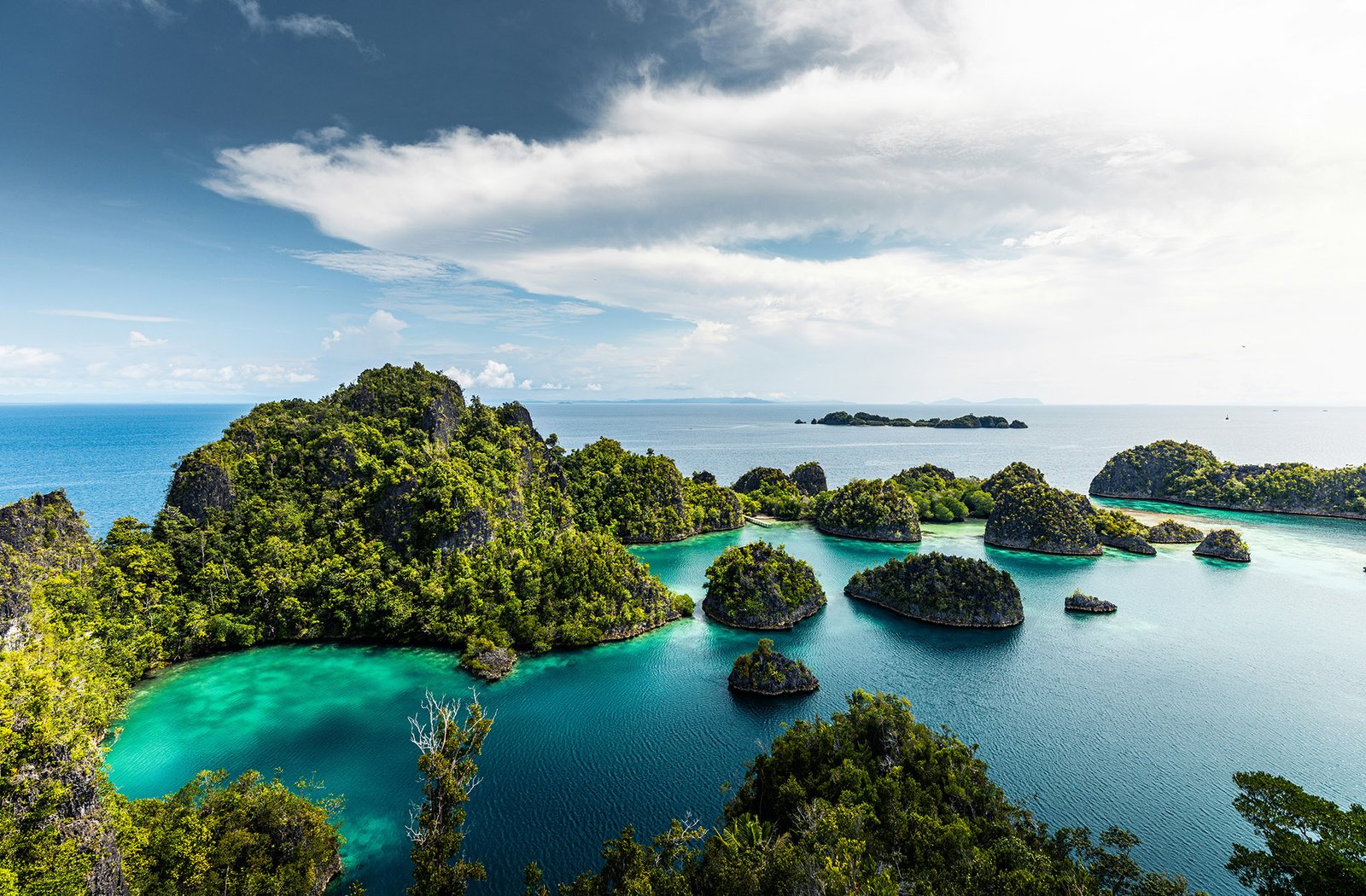
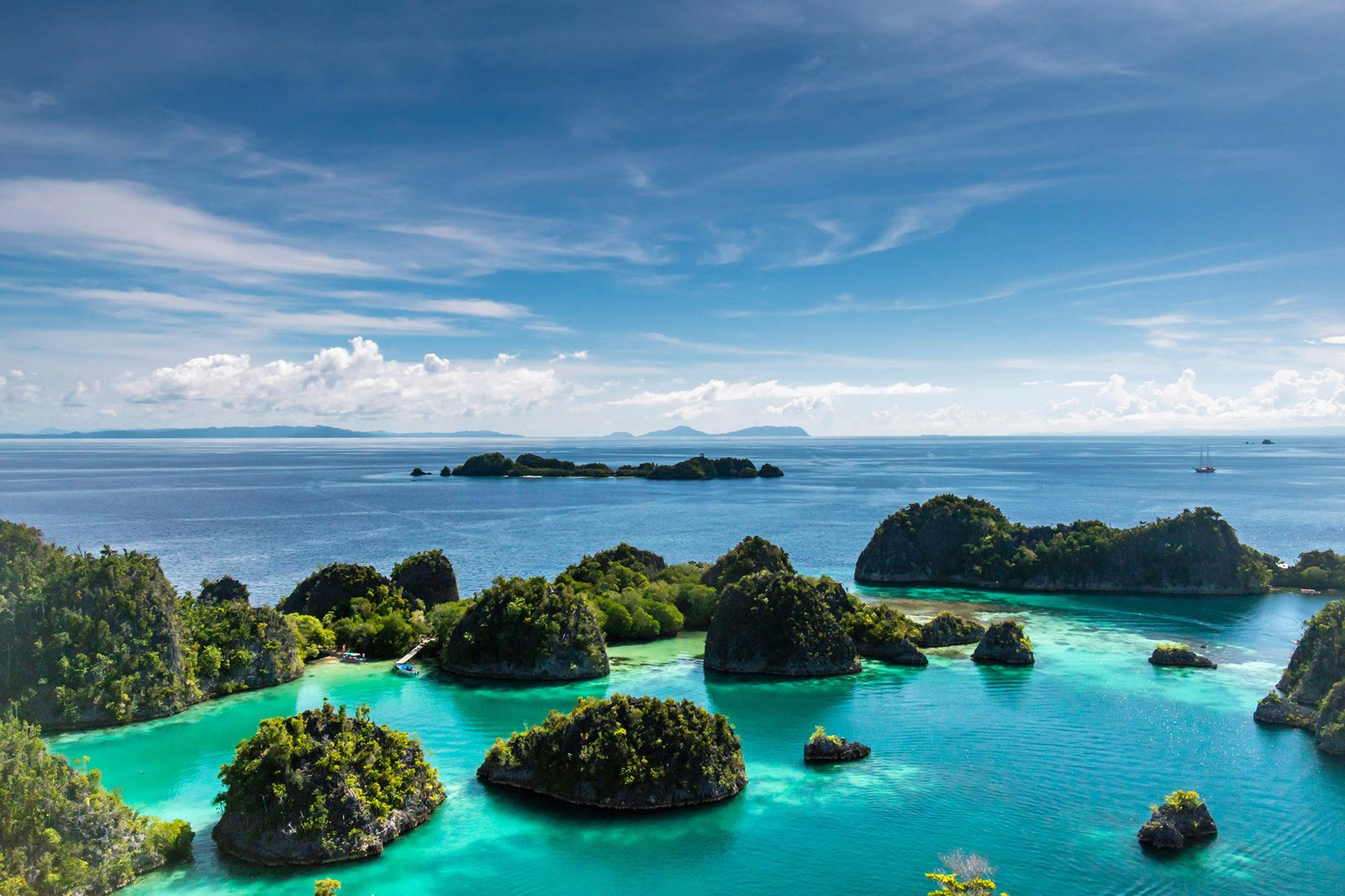
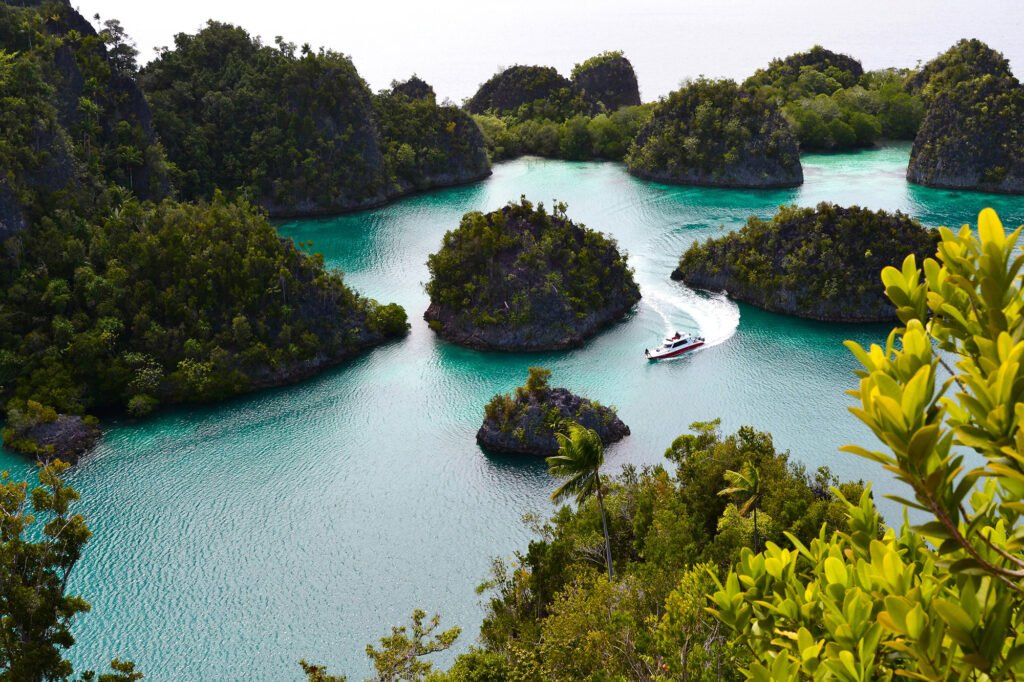
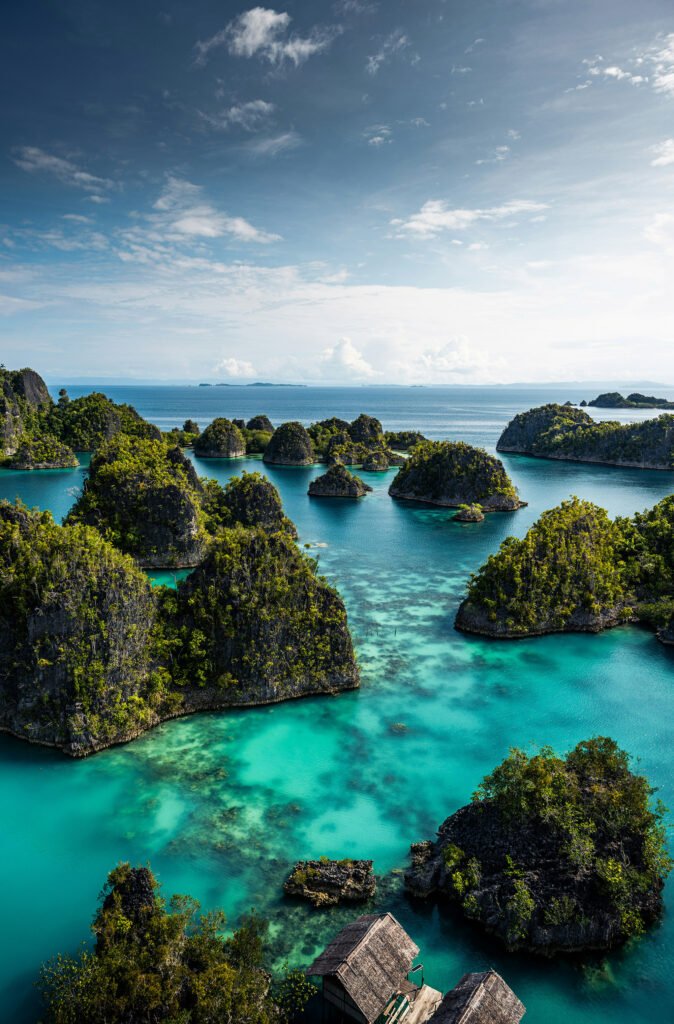
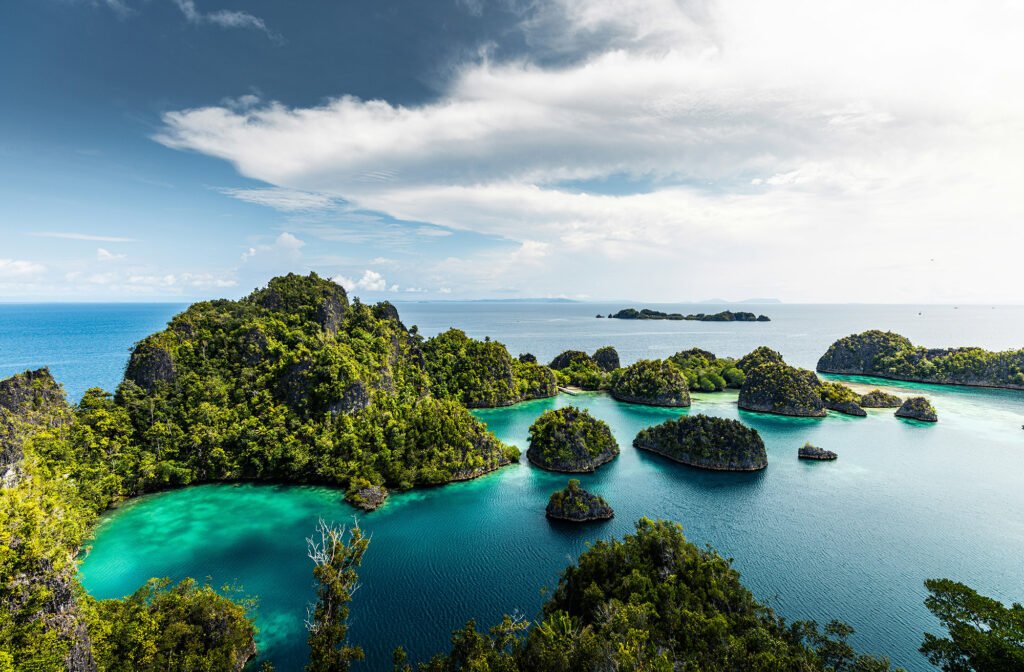
Friwen Island
Sawinggrai anchorage
Kapisawar Bay
Spot the red bird-of-paradise at Sawinggrai
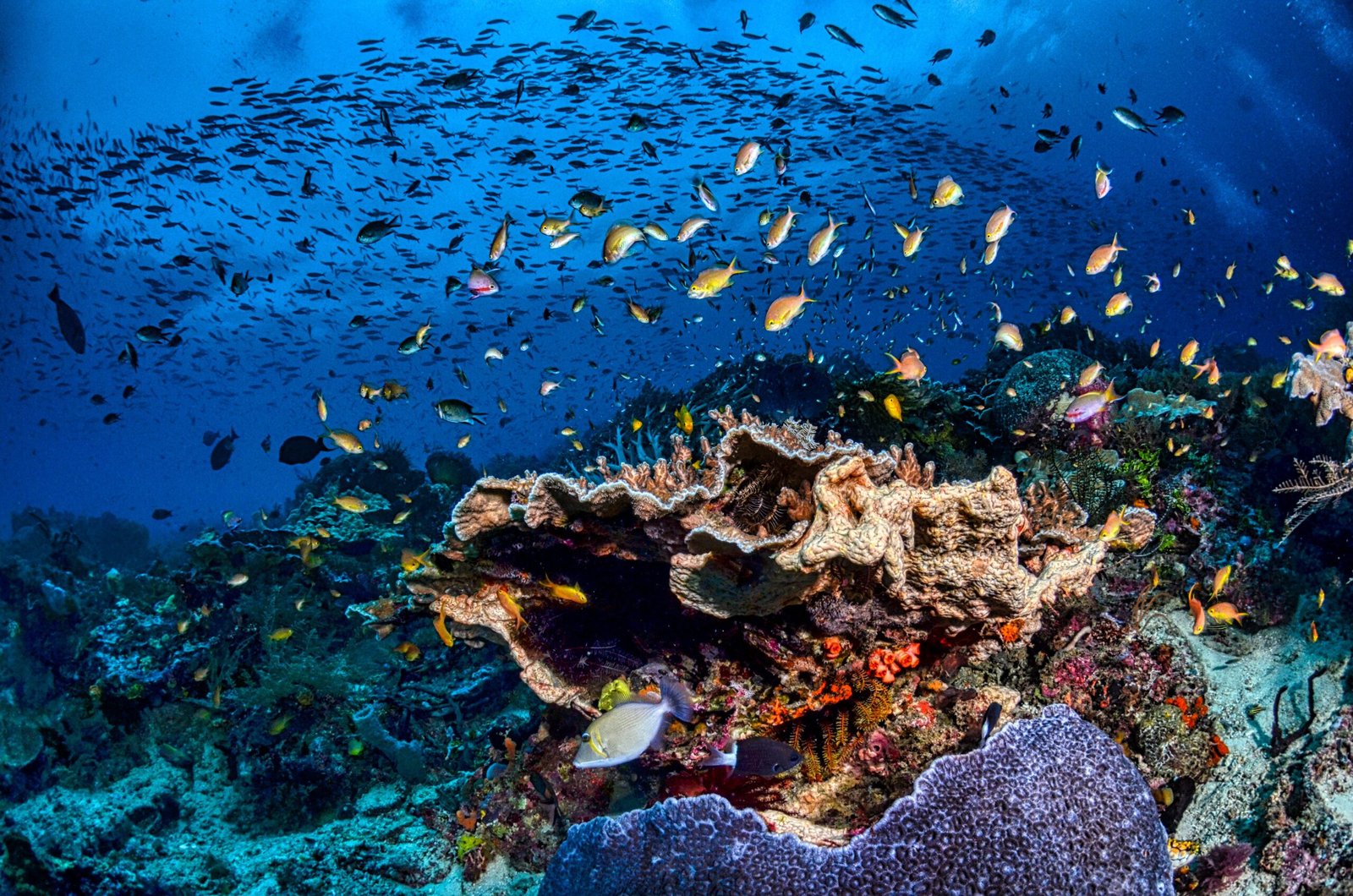
Dive the Friwen Wall drop-off
Kayak the Kabui Passage mangroves
Visit Alfred Russel Wallace’s 1860 campsite at Yenbeser
Explore the Dore Mkun lagoon
Sawinggrai village
Yenbeser village
Friwen Island
Gam Bay
Kapisawar
01
The most reliable window across Raja Ampat, including Gam, runs from around September to June, with the core bad-weather period concentrated in July and August, when the southeast monsoon brings choppier seas and reduced underwater visibility. October to December is often cited as the calmest stretch, coinciding with strong manta activity in the nearby Dampier Strait, making it a popular time to combine diving with a Gam anchorage.
02
Guests fly into Domine Eduard Osok Airport (SOQ) in Sorong, West Papua, the main gateway to Raja Ampat, then continue by boat. A public ferry to Waisai takes around two hours, with a further private tender transfer of roughly an hour on to Gam itself, though most charter yachts collect guests directly from Sorong and make the crossing under their own power.
03
Gam Bay, which splits the island into two, offers sheltered overnight anchorage close to good snorkelling, while Kabui Passage, the narrow strait separating Gam from Waigeo, rewards a slower tender exploration of its mangrove-lined banks. Friwen Island, just offshore, adds a third option within easy reach of the Friwen Wall dive site and the quieter Dore Mkun lagoon behind it.
04
Most itineraries treat Gam as a one or two night stop within a wider Raja Ampat loop rather than a standalone destination, pairing a dawn birdwatching excursion at Sawinggrai with an afternoon of diving or snorkelling nearby. Guests short on time can see the highlights in a single overnight, while those with a full week can slow down and add the Kabui Passage and Dore Mkun lagoon at a more relaxed pace.
05
Yes. The naturalist camped at Yenbeser on Gam’s eastern shore in 1860 while collecting specimens in the region that helped shape his independent theory of evolution, developed around the same time as Charles Darwin’s. There is no formal museum or marker, just the same stretch of shoreline and forest he described in his notebooks, which makes it a quietly rewarding stop for guests interested in natural history rather than a polished heritage site.

Tell us what you would like to know, and our team will respond with clear details on availability, specification, pricing and next steps.