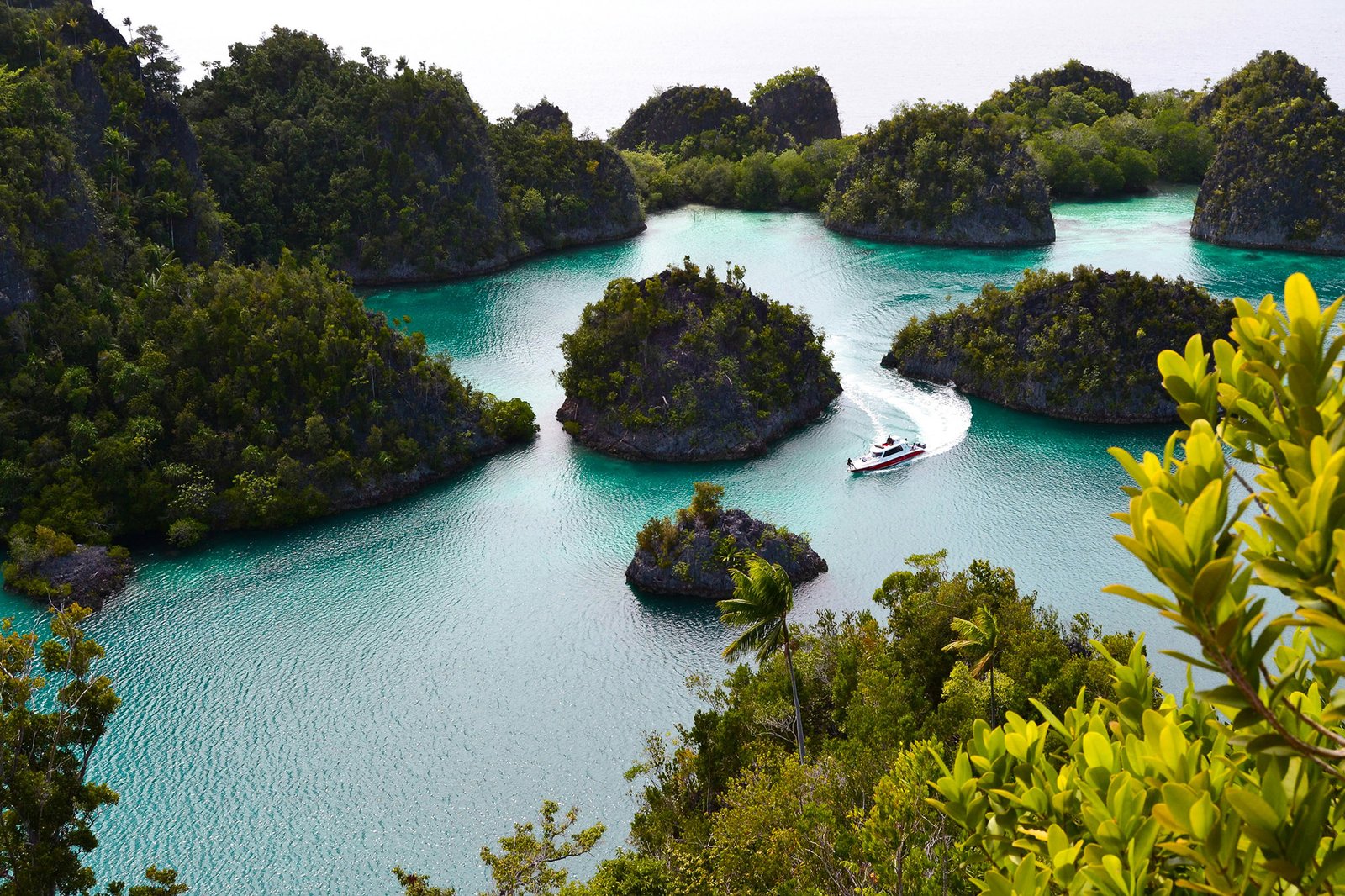
Indonesia / Raja Ampat
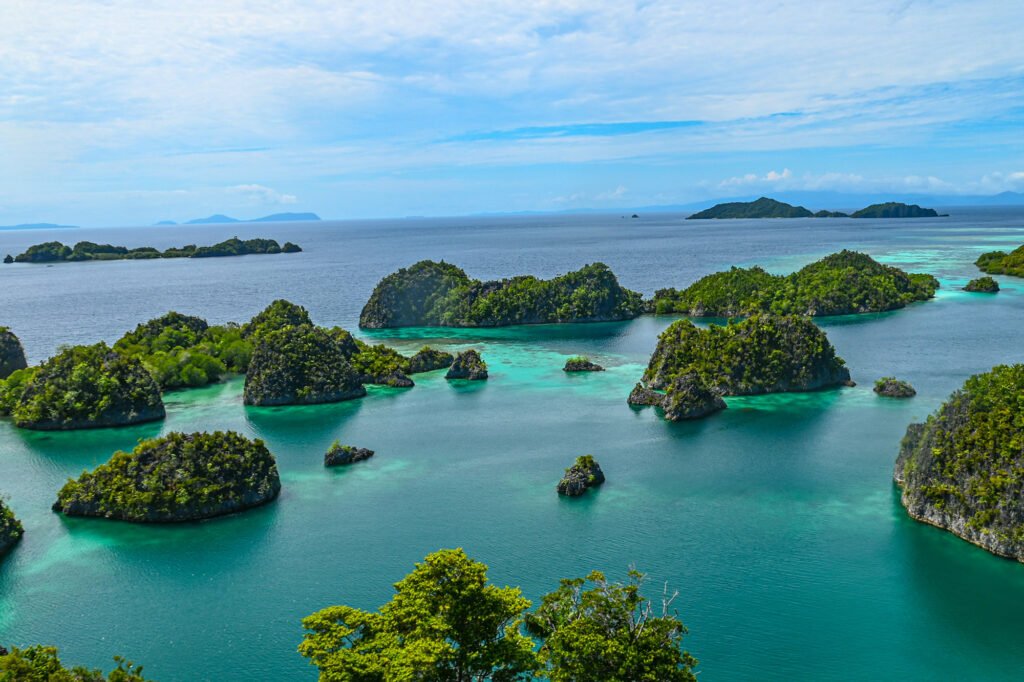
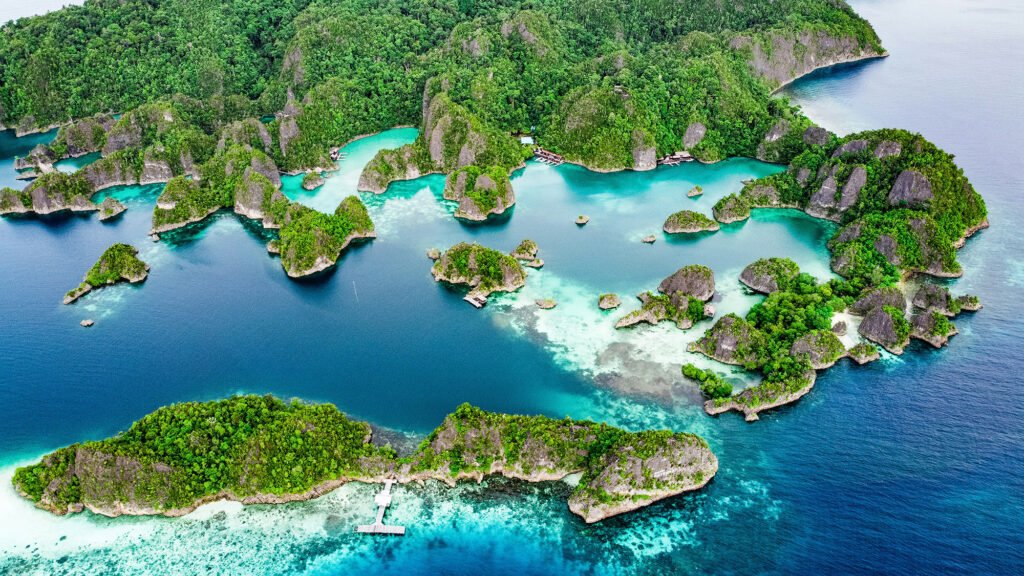
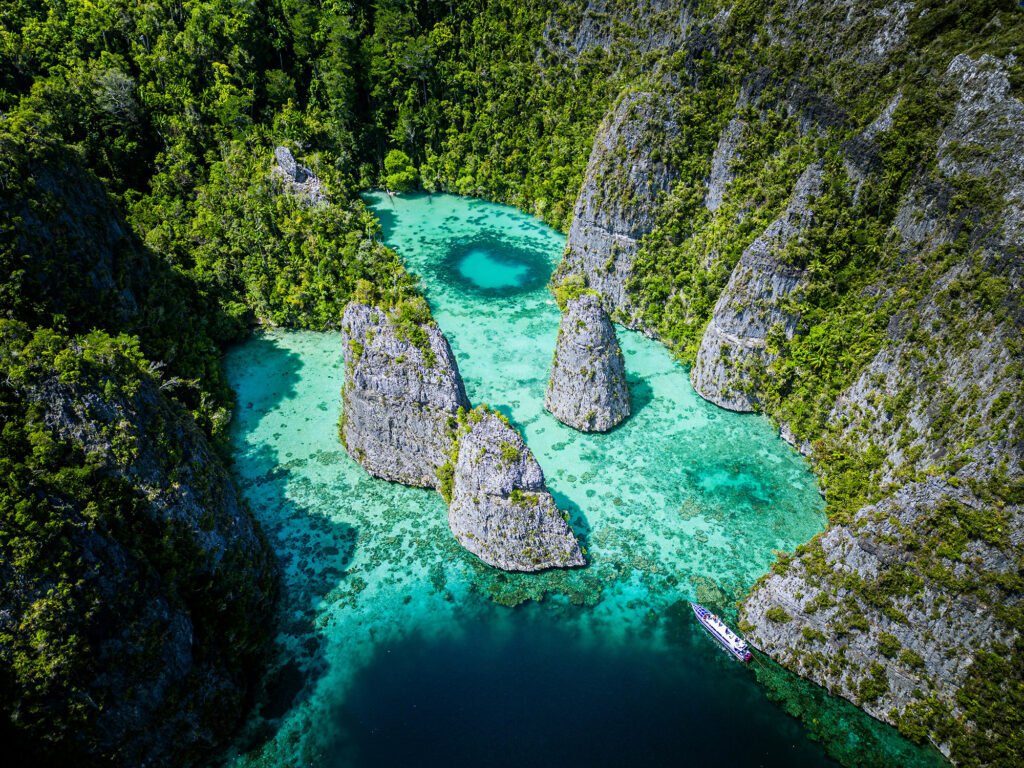
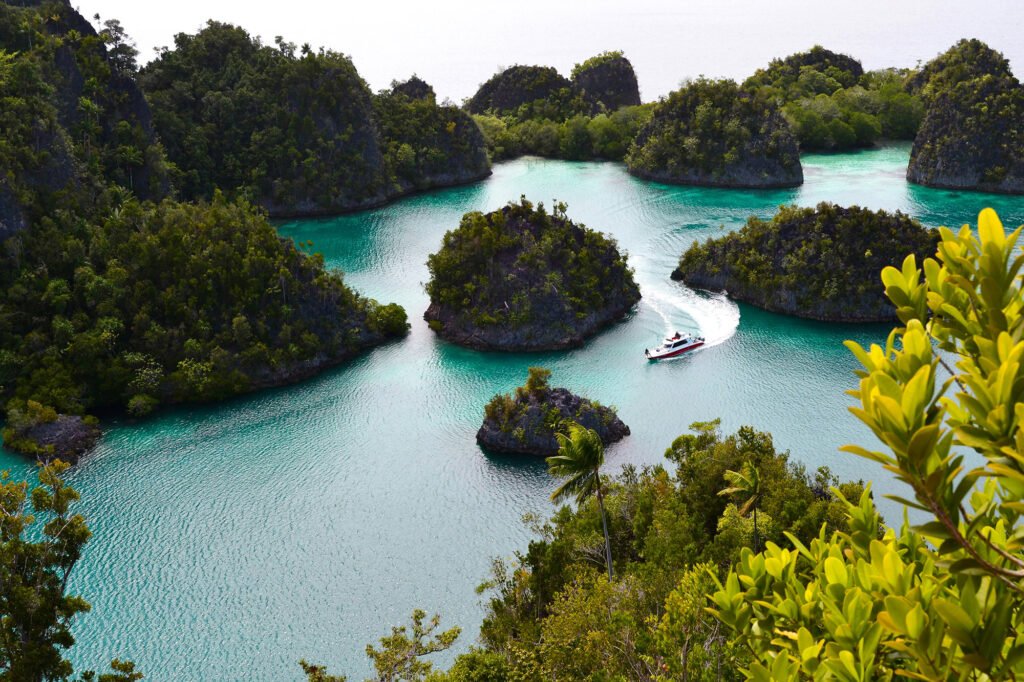
Wayag Lagoon
Misool
Kabui Bay
Fam Islands
Dampier Strait
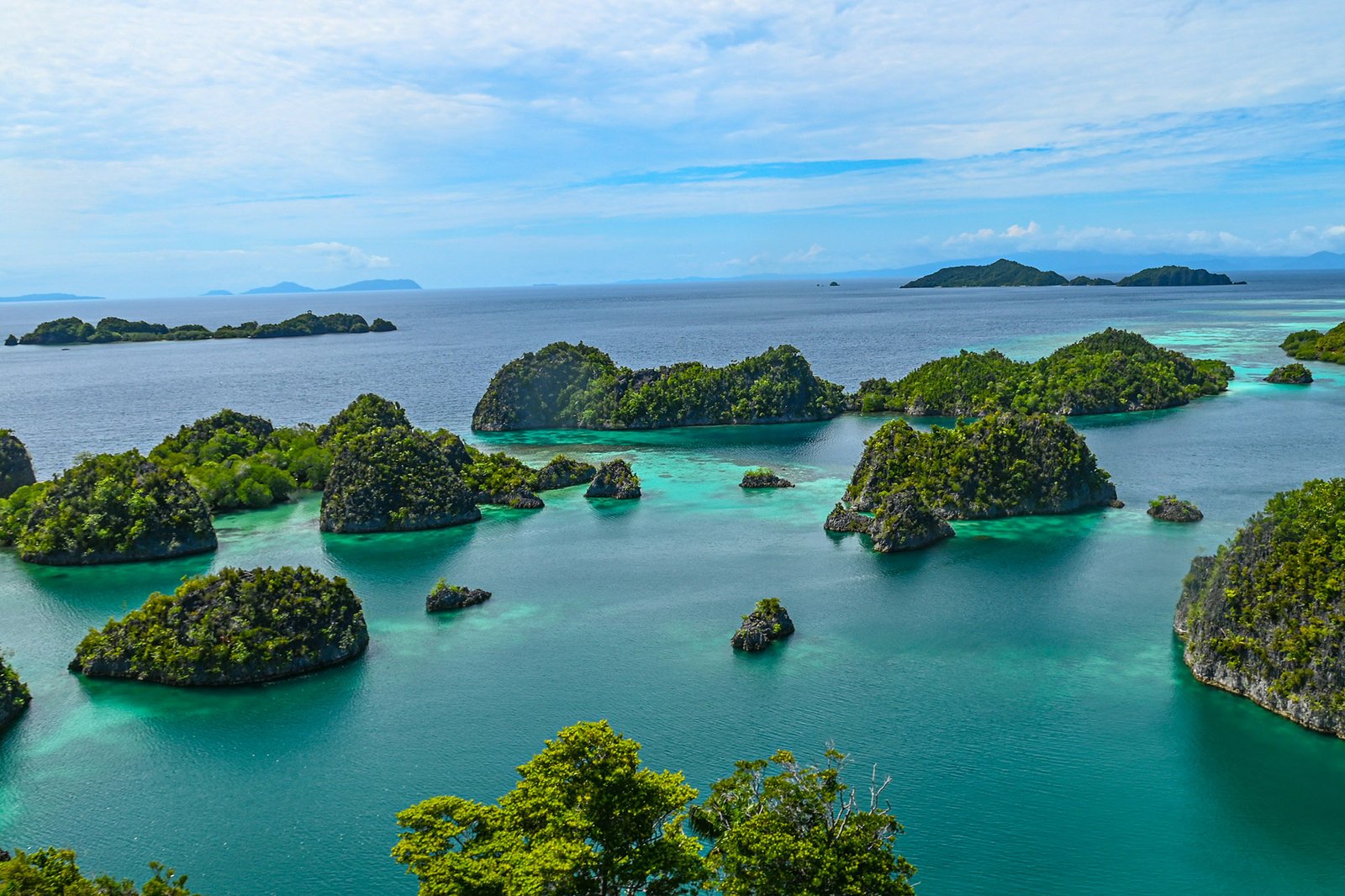
Climb Piaynemo’s viewpoint
Dive Cape Kri
Snorkel with manta rays at Manta Sandy
Birdwatch for Wilson’s bird-of-paradise on Waigeo
Kayak the Wayag karst lagoons
Wayag Island
Piaynemo
Misool Marine Reserve
Waisai
Arborek Village
Raja Ampat sits close enough to the equator that conditions stay fairly consistent year-round, though October through April is generally the calmer window, with less wind and better visibility for diving. Manta ray sightings at sites like Manta Sandy also peak from October to April, while the shoulder months of May and September often combine good weather with fewer other boats at anchor.
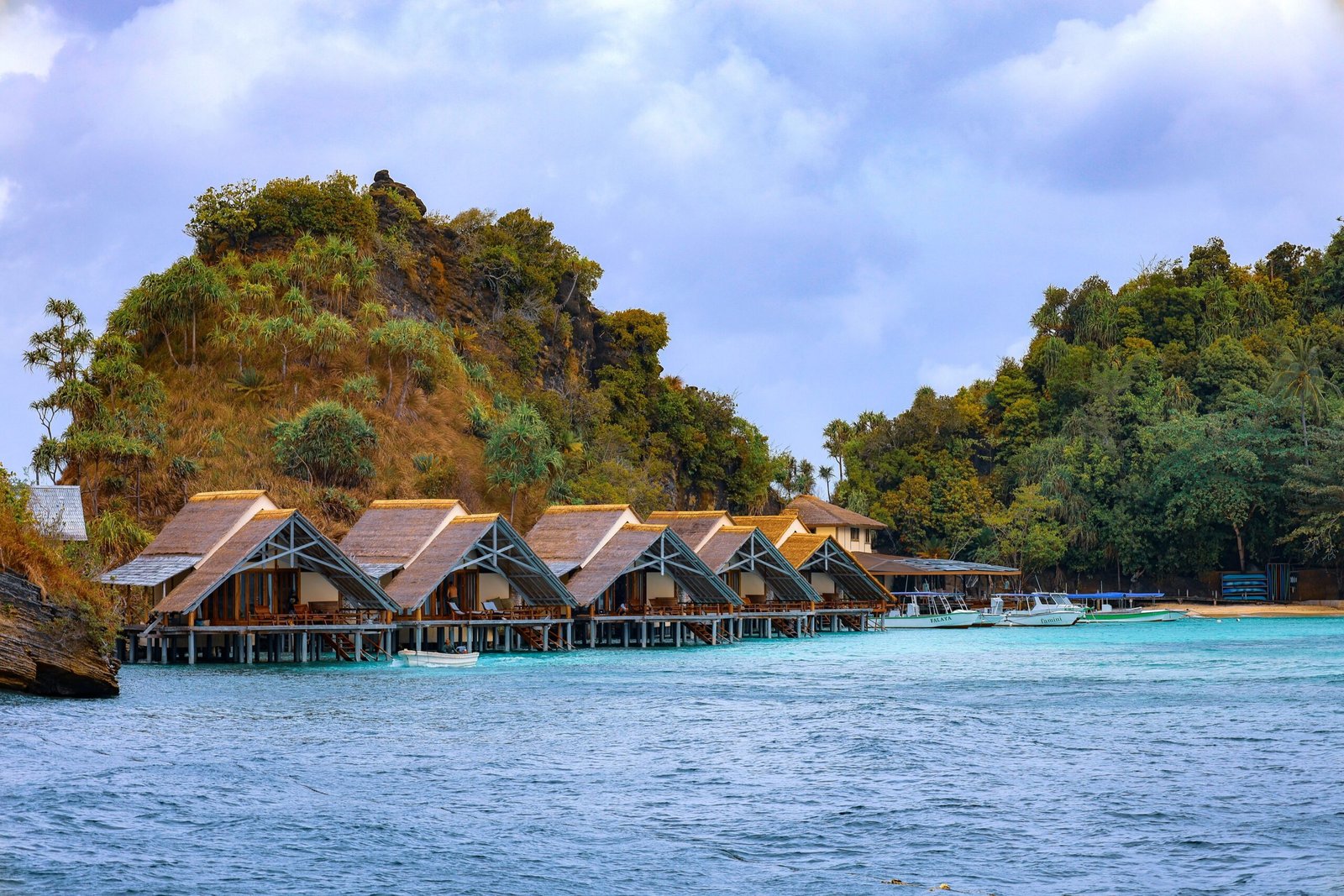
There’s no direct international access. Guests fly into a hub like Bali, Jakarta or Makassar, connect to Sorong (SOQ) on a domestic flight, then join the yacht either directly from Sorong harbour or after a roughly two-hour ferry crossing to Waisai, the regency’s capital. It’s a longer journey than most Indonesian destinations, which is part of why Raja Ampat has stayed so undeveloped.
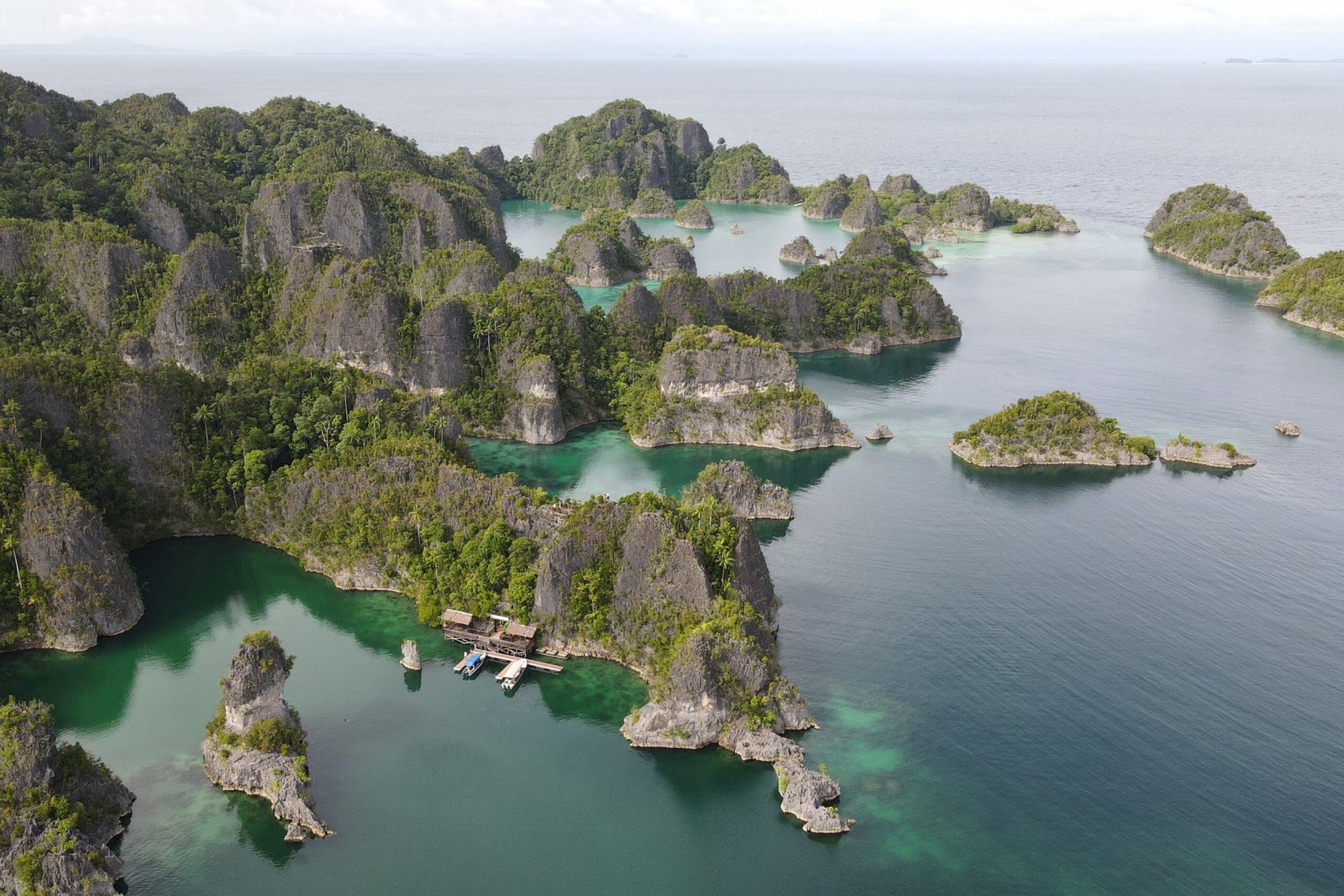
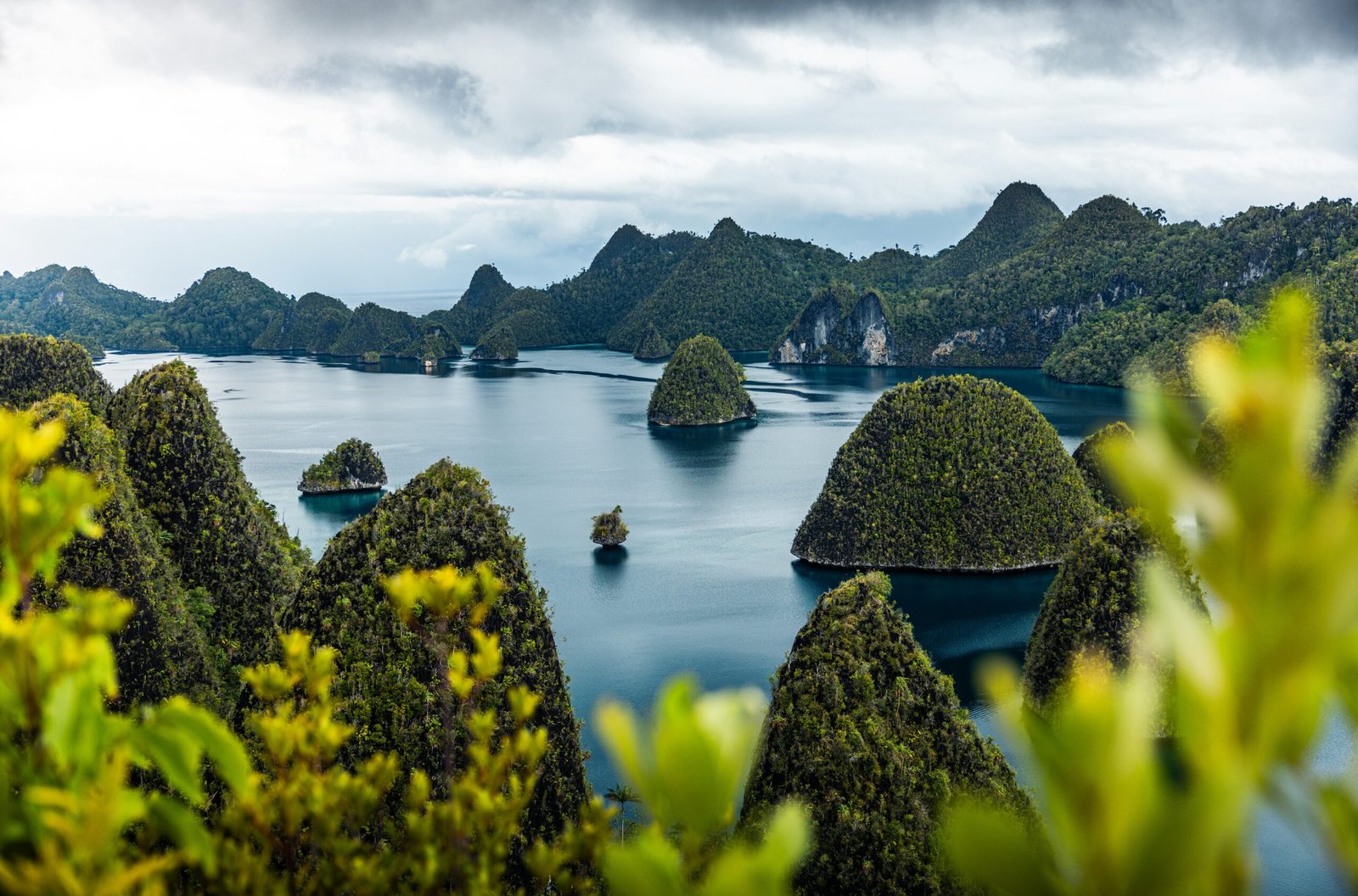
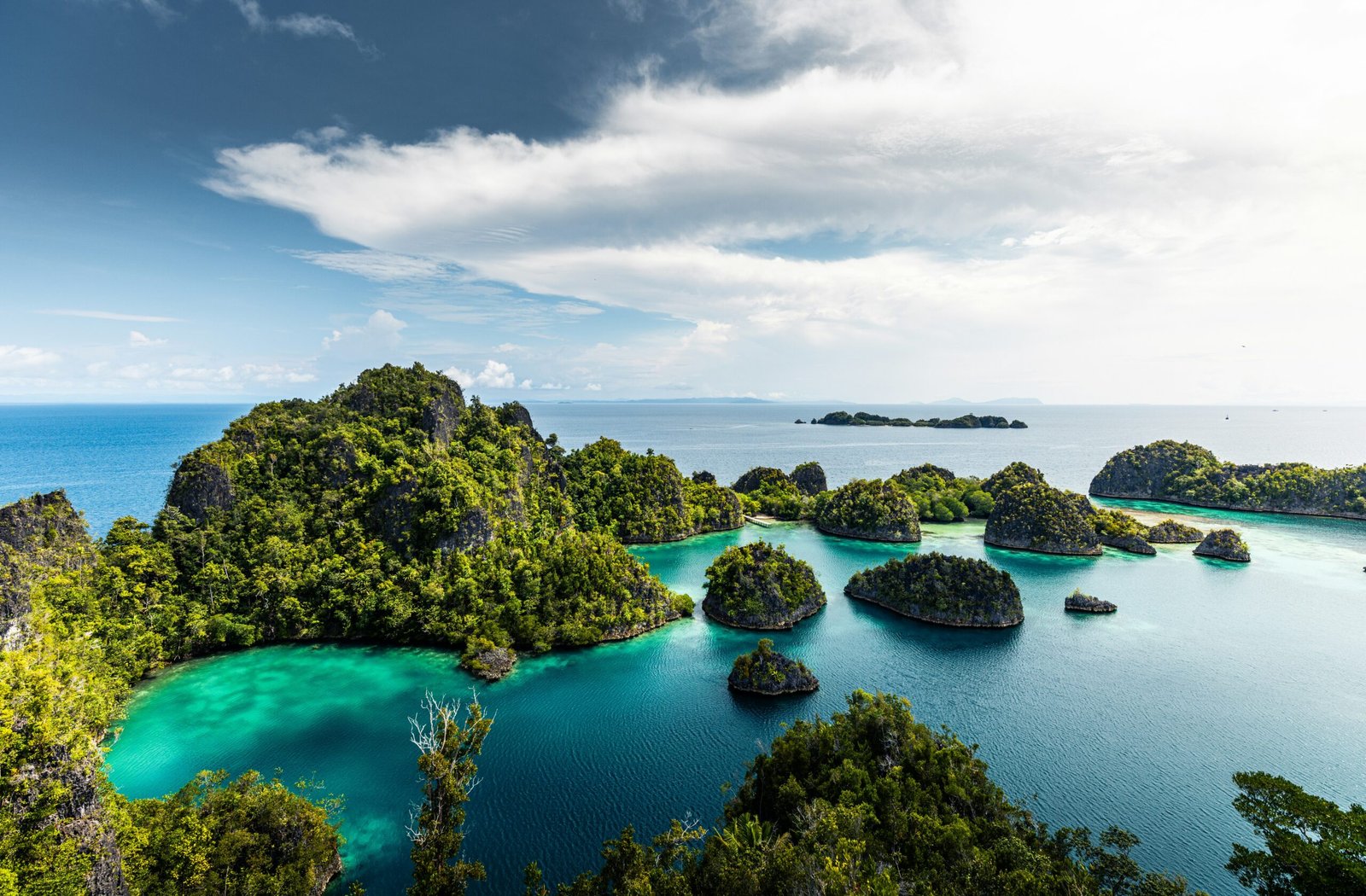
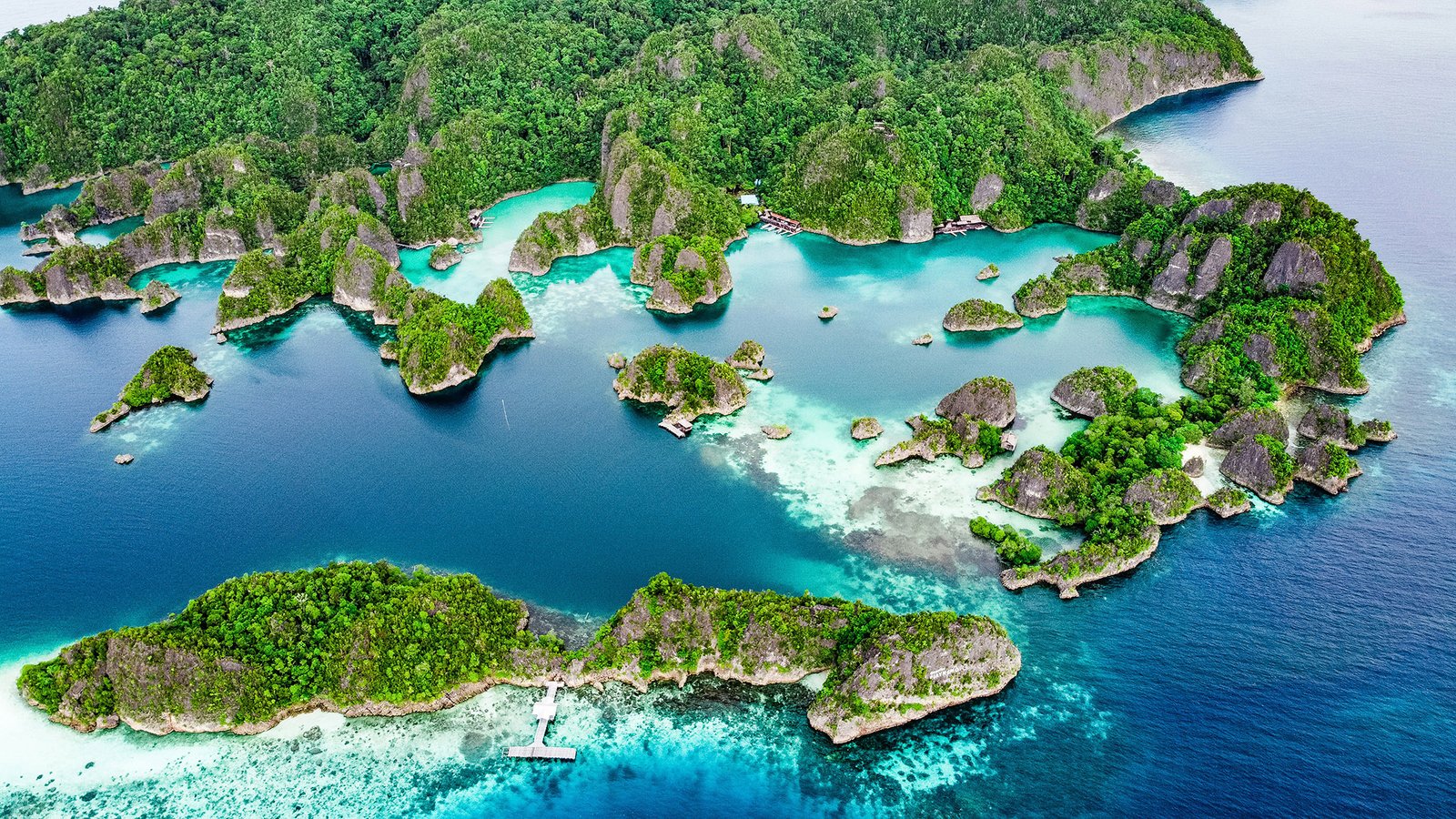
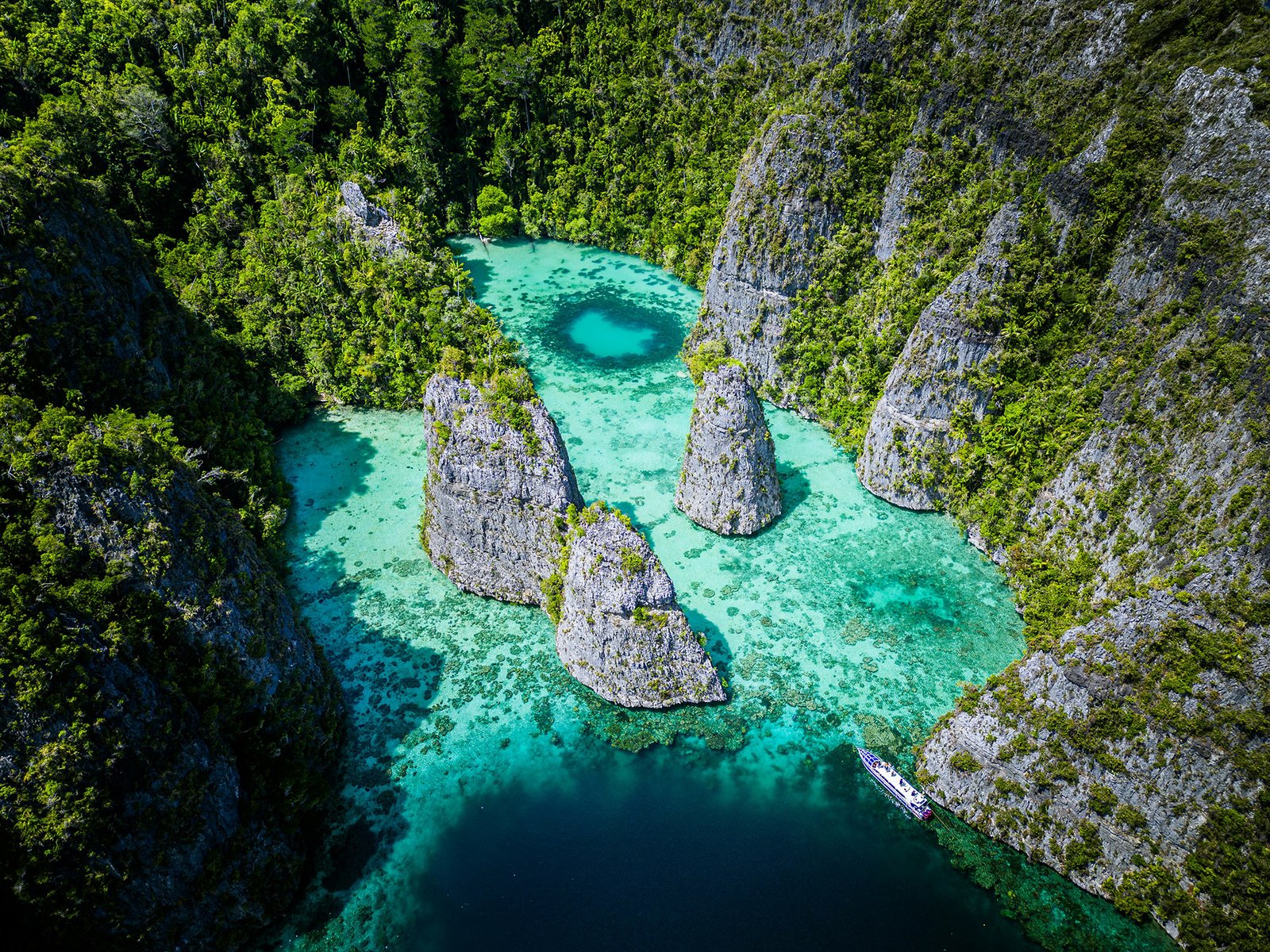
Wayag’s lagoon, ringed by limestone karst islands, is the itinerary’s usual centrepiece and worth the extra distance north. Misool, in the south, offers calmer water and some of the region’s best-preserved reefs inside its own no-take zones. Kabui Bay, close to Waisai, makes an easy, sheltered stop for a first or last night without adding significant sailing time.
Ten days to two weeks is typical, given how spread out the region is: Wayag in the far north, Misool in the south and the Dampier Strait’s dive sites in between are each a half-day’s sail or more apart. A shorter, week-long trip usually means choosing one region, most often Dampier Strait and Misool together, rather than attempting to cover the whole archipelago.
Yes. Every visitor, including boat passengers, needs a Marine Park Entry Card, officially called the kartu TLPJL, which costs 700,000 Indonesian Rupiah for foreign nationals and stays valid for 12 months. It can be bought online in advance or in person at Sorong harbour or the authority’s office in Waisai, and the fee goes directly toward ranger patrols and reef monitoring across the conservation area.