
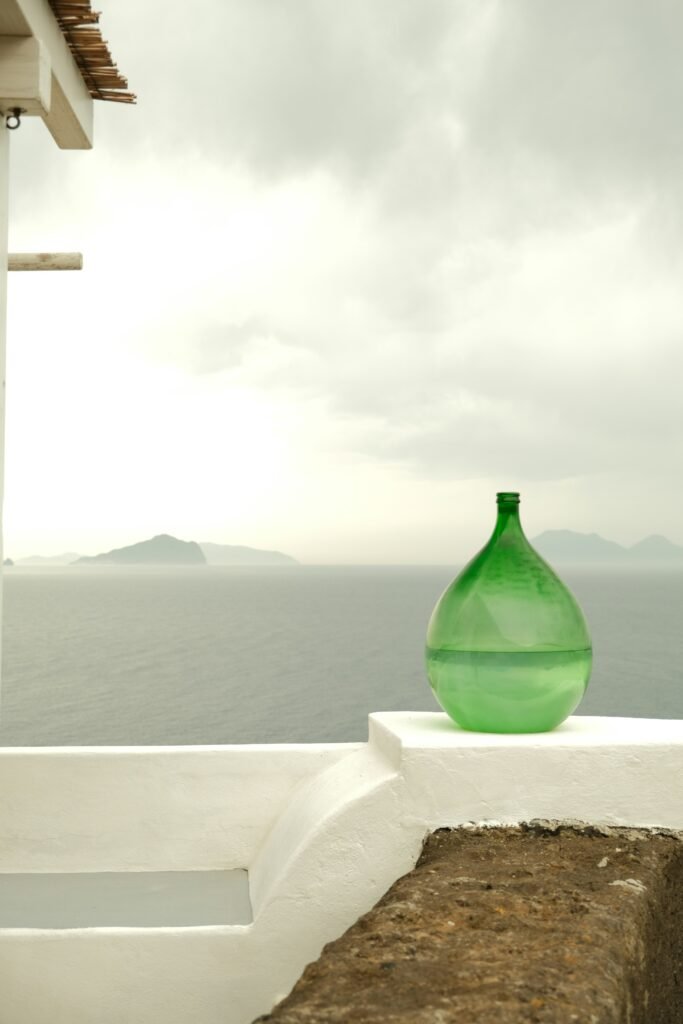
Cala Junco, Panarea
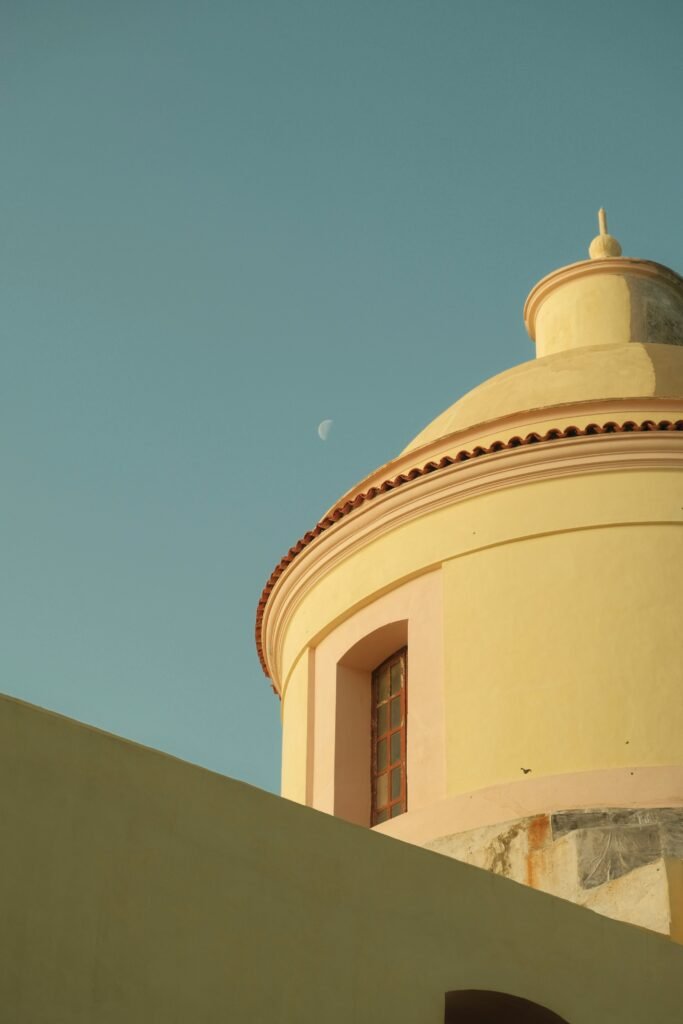
Marina Corta, Lipari
Pollara, Salina
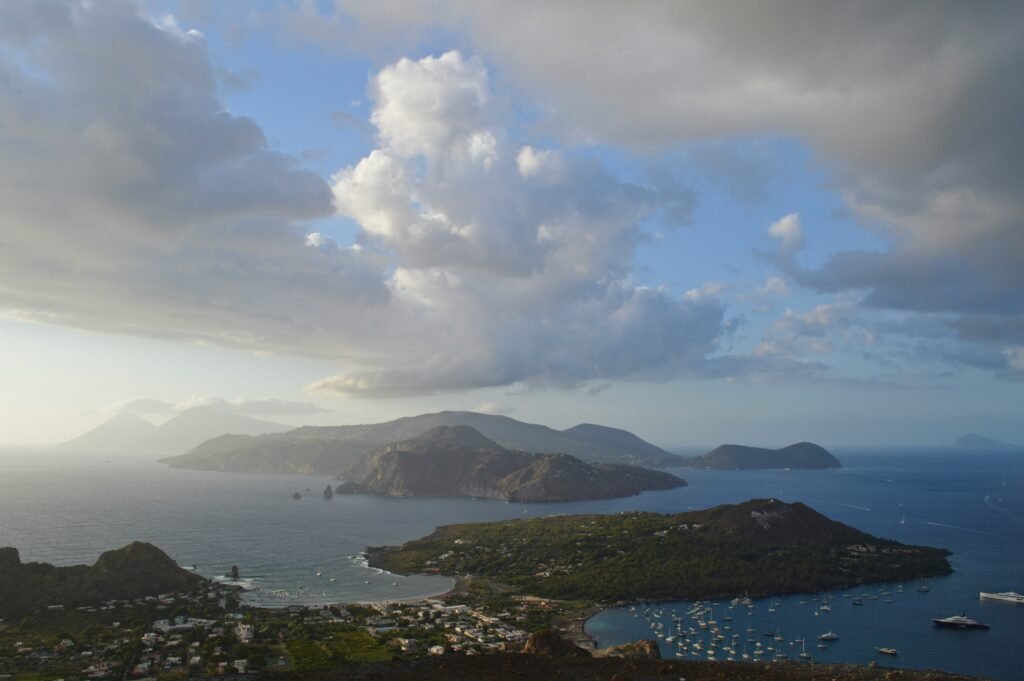
Porto di Ponente, Vulcano
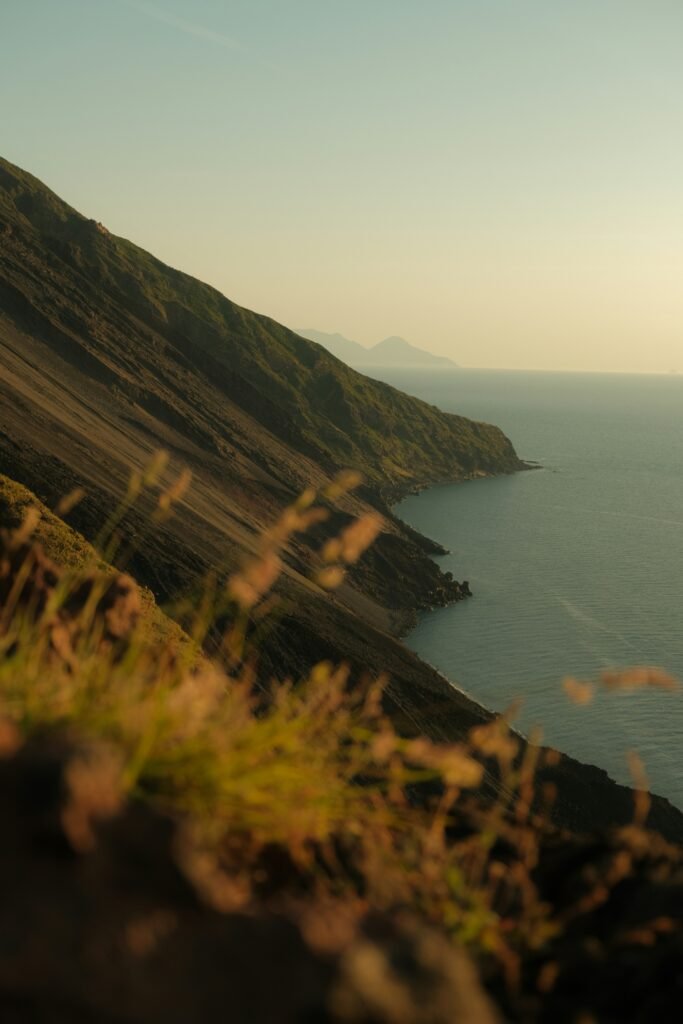
Ficogrande, Stromboli
Watch Stromboli’s eruptions from the water after dark
Soak in Vulcano’s therapeutic mud baths
Hike to Belvedere Quattrocchi above Lipari
Taste Malvasia wine in Salina’s vineyards
Swim the sea caves off Filicudi
Lipari Town
Panarea
Vulcano
Salina
Stromboli
June and September offer the most reliable weather, warm enough to swim with fewer crowds than the July and August peak. The islands can be exposed to sudden wind shifts, so shoulder-season sailing tends to be more comfortable for shorter island-hopping passages. Stromboli’s eruptions are visible year-round after dark, so timing for that particular highlight isn’t a factor.
Catania (CTA) and Palermo (PMO) are the main airports, both roughly two to three hours from the islands by road and hydrofoil via Milazzo, the main mainland port. Guests already chartering in Sicily can simply sail across, a crossing of around ninety minutes to two hours depending on the departure point. There’s no airport within the archipelago itself, so most charters begin from a Sicilian mainland port.
Cala Junco on Panarea is one of the most photographed coves in the archipelago, sheltered and turquoise beneath volcanic cliffs. Porto di Ponente on Vulcano combines a good anchorage with easy access to the mud baths, and Marina Corta on Lipari puts guests within walking distance of the island’s medieval quarter. Ficogrande, on Stromboli’s northern shore, is the best base for an evening eruption-watching excursion.
Four to five days allow a comfortable loop through three or four of the seven islands, typically Lipari, Panarea, Vulcano and Stromboli, the archipelago’s most visited. Guests wanting to add quieter Salina, Filicudi or Alicudi should plan for a week or more, since the outer islands sit two to three hours further west. Many guests combine the Aeolians with a broader Sicily charter rather than visiting them alone.
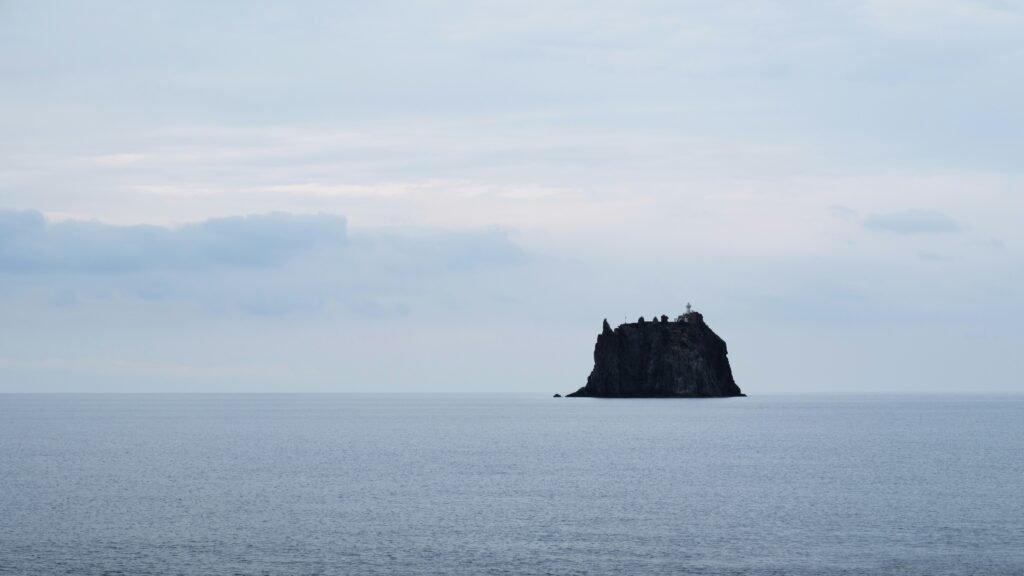
Independent hiking is limited by law: unguided access is permitted only up to 290 metres, while reaching 400 metres requires a licensed volcanological guide, and the crater rim itself is closed to walkers entirely. The safest and most popular way to see the eruptions is by boat after dark, watching from offshore as incandescent rock spills down the Sciara del Fuoco into the sea, an excursion nearly every operator on the island runs nightly.

Tell us what you would like to know, and our team will respond with clear details on availability, specification, pricing and next steps.