Italy / Sicily / Aeolian Islands / Panarea

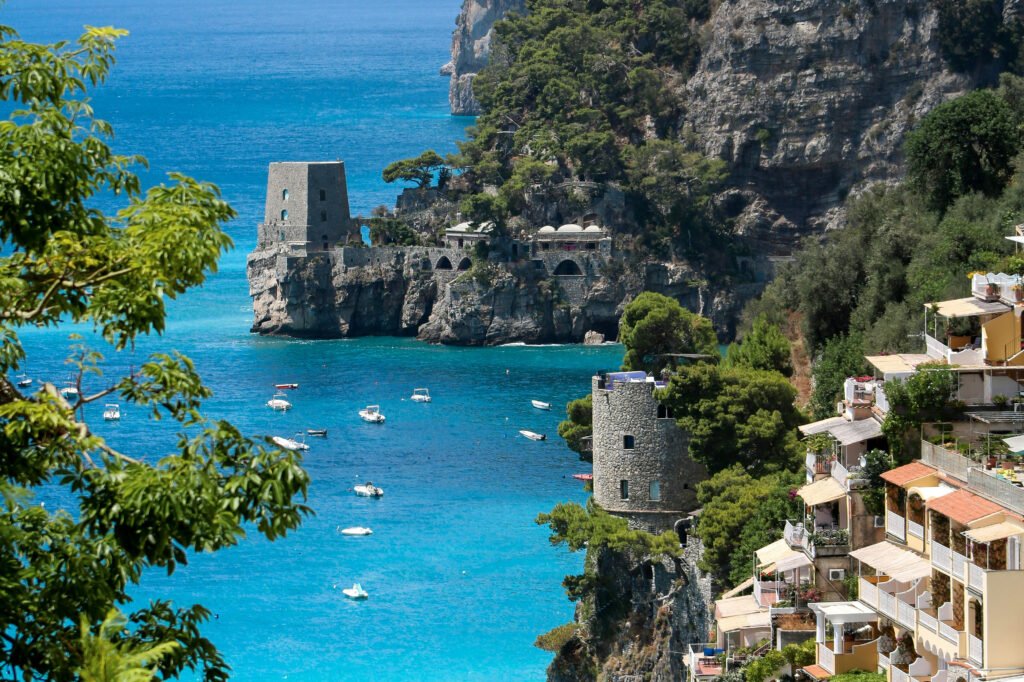

San Pietro Harbour
Punta Milazzese
Basiluzzo
Lisca Bianca
Calcara
Explore the Bronze Age ruins at Punta Milazzese
Snorkel the volcanic fumaroles off Bottaro and Lisca Bianca
Browse San Pietro’s boutiques and harbourside bars
Take a tender to Basiluzzo’s Roman-era ruins
Swim the coves around Cala Junco and Drauto
San Pietro
Drauto
Iditella
Basiluzzo
Punta Milazzese
April to October suits Panarea best, with July and August the busiest and warmest for swimming. June and September bring quieter anchorages, calmer seas and water still warm enough to enjoy, making them the better choice for guests who want the island’s coves without the peak-season crowds. Stromboli’s eruptions across the water are visible year-round, though a clear, moonless night gives the sharpest view of the glow.
Fly into Catania (CTA) or Palermo (PMO), then continue by road or rail to Milazzo, the main gateway port. Liberty Lines hydrofoils reach Panarea in one and a half to two and a half hours from there. In summer, SNAV runs a direct seasonal hydrofoil from Naples, taking roughly five hours, a convenient option for guests already cruising the Bay of Naples or the Amalfi Coast.
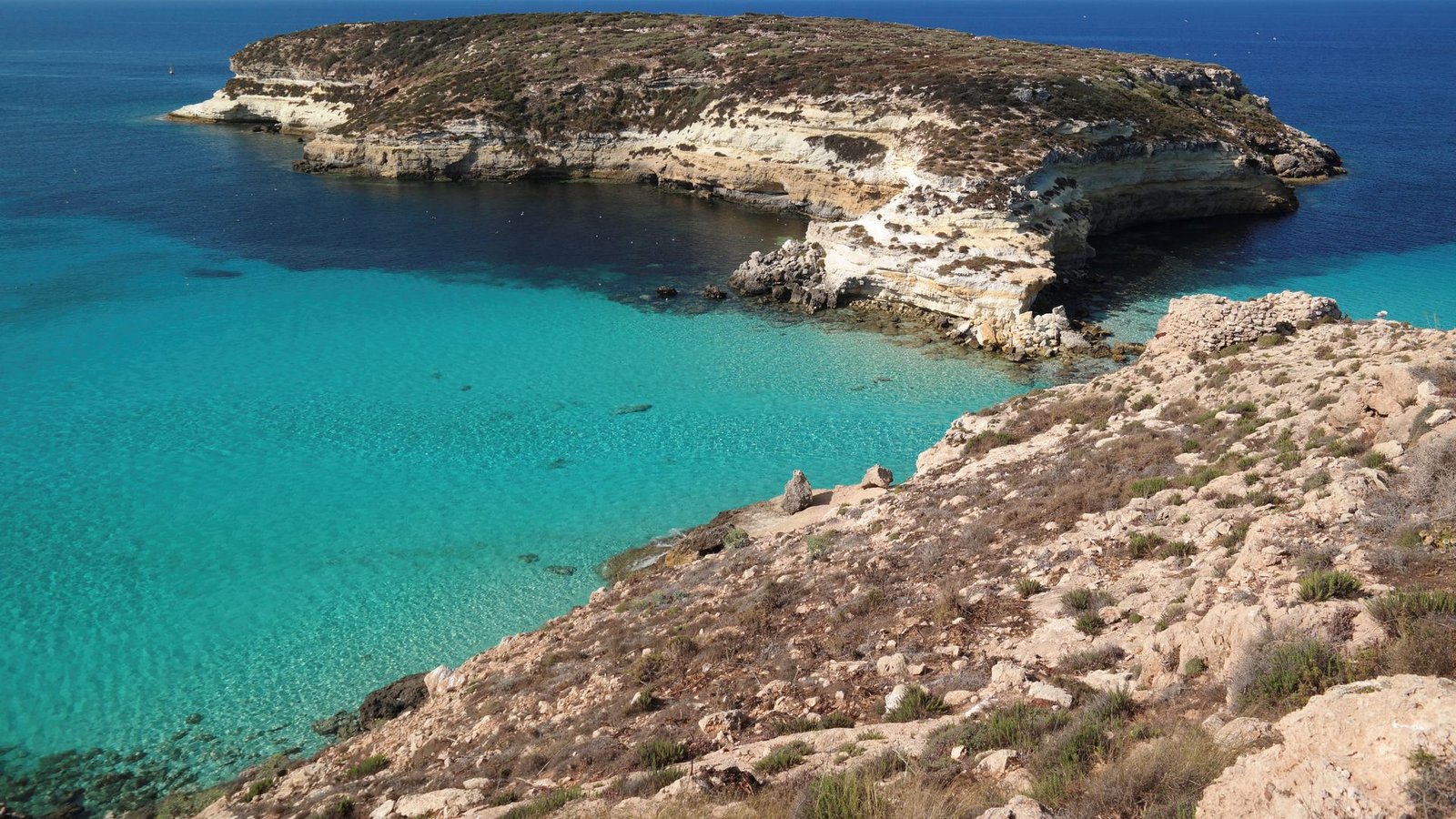
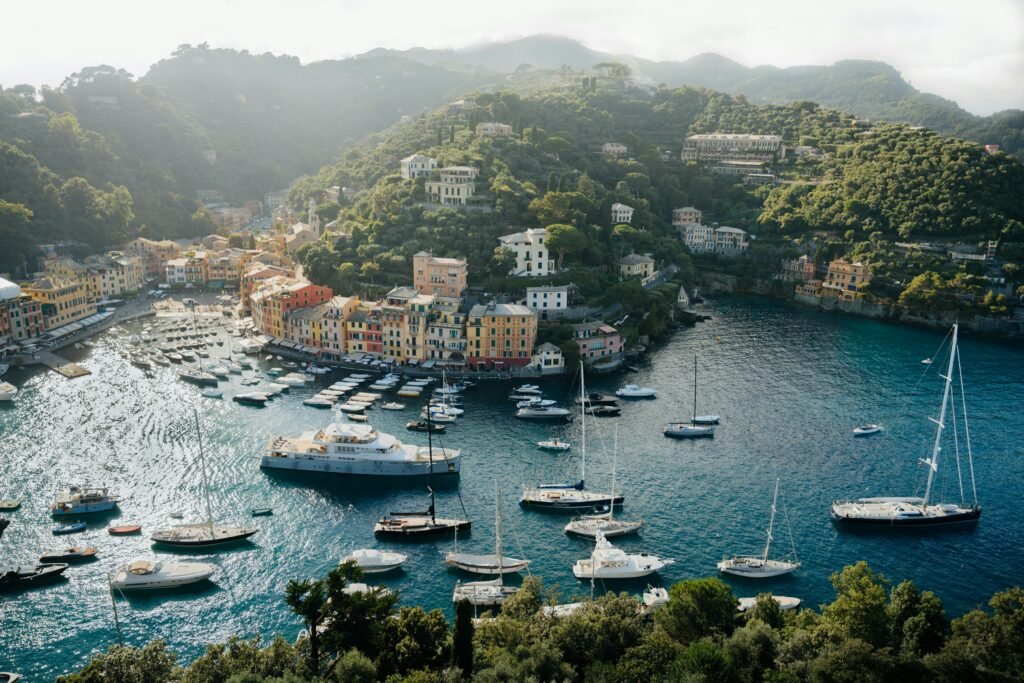
Cala Junco, below the Punta Milazzese headland, is the island’s signature anchorage, a turquoise pool sheltered by volcanic cliffs. San Pietro’s harbour offers the easiest access to the village’s bars and boutiques, while the waters around Basiluzzo and the outlying islets of Lisca Bianca and Dattilo suit guests who prefer a quieter, more open setting for swimming and snorkelling away from the main village.
A day or two is enough to properly explore Panarea itself, given its small size, but most guests combine it with the wider Aeolian archipelago. Pairing Panarea with Stromboli, Lipari and Salina makes for a well-rounded week-long itinerary, letting a charter move between the island’s chic anchorages and the more dramatic, less crowded landscapes of its volcanic neighbours.
Yes. Archaeologist Luigi Bernabò Brea excavated the site in 1947, uncovering twenty-three oval stone huts dating to the fourteenth and early thirteenth centuries BC, a period now named the Milazzese phase after this very village. Imported Mycenaean pottery found among the ruins points to trade with the wider Bronze Age Mediterranean. The site sits above Cala Junco, reached by a thirty-minute walk from San Pietro, and remains freely open to visitors.

Tell us what you would like to know, and our team will respond with clear details on availability, specification, pricing and next steps.