Mexico / Cancun
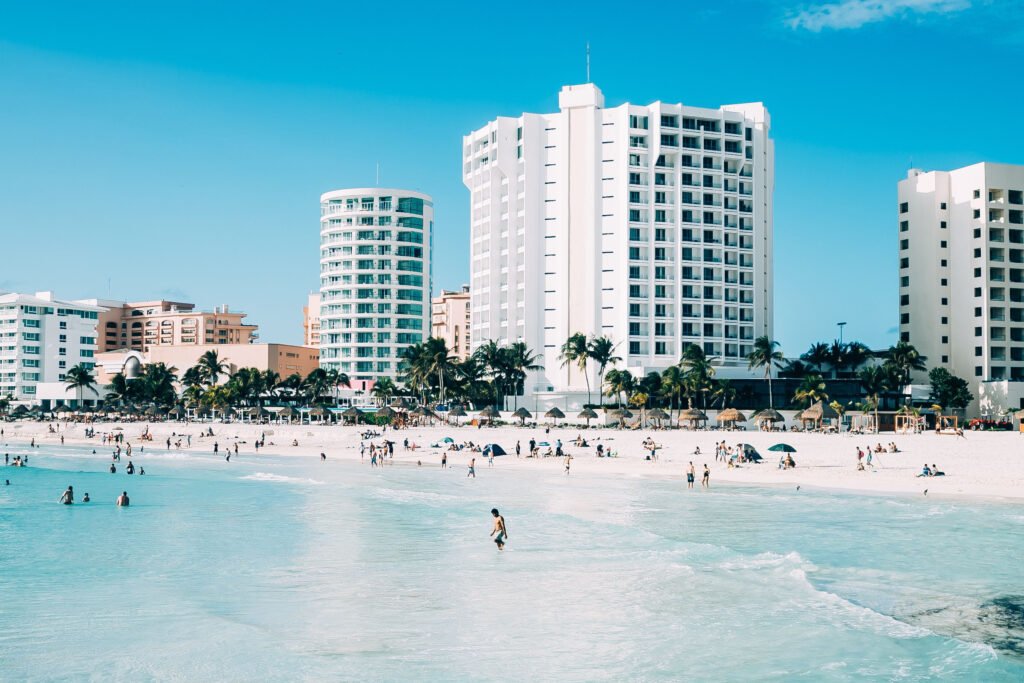
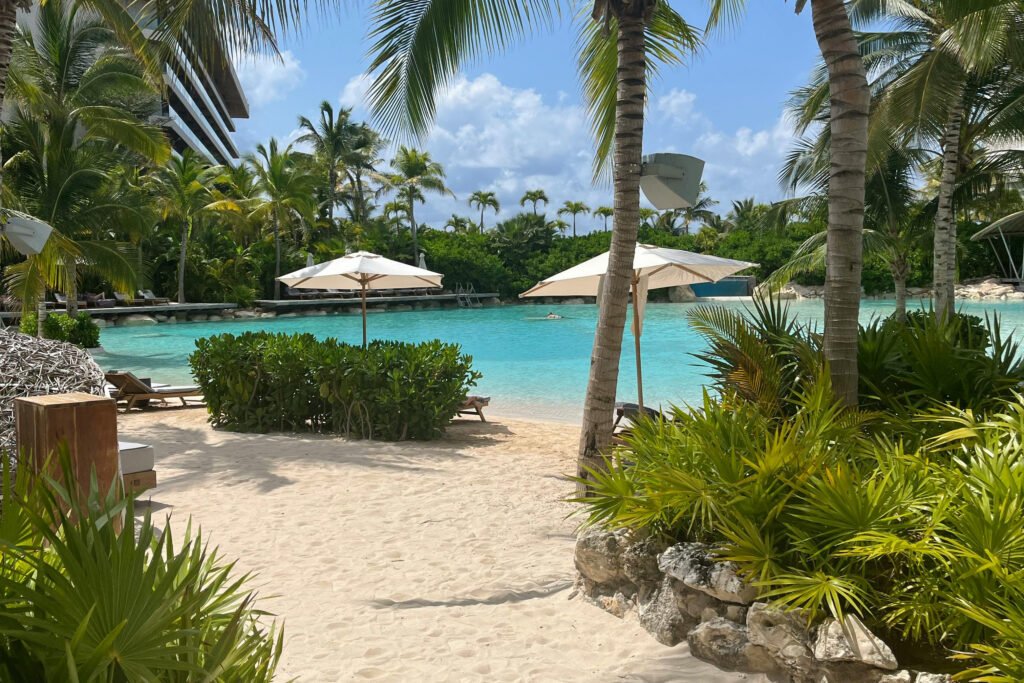
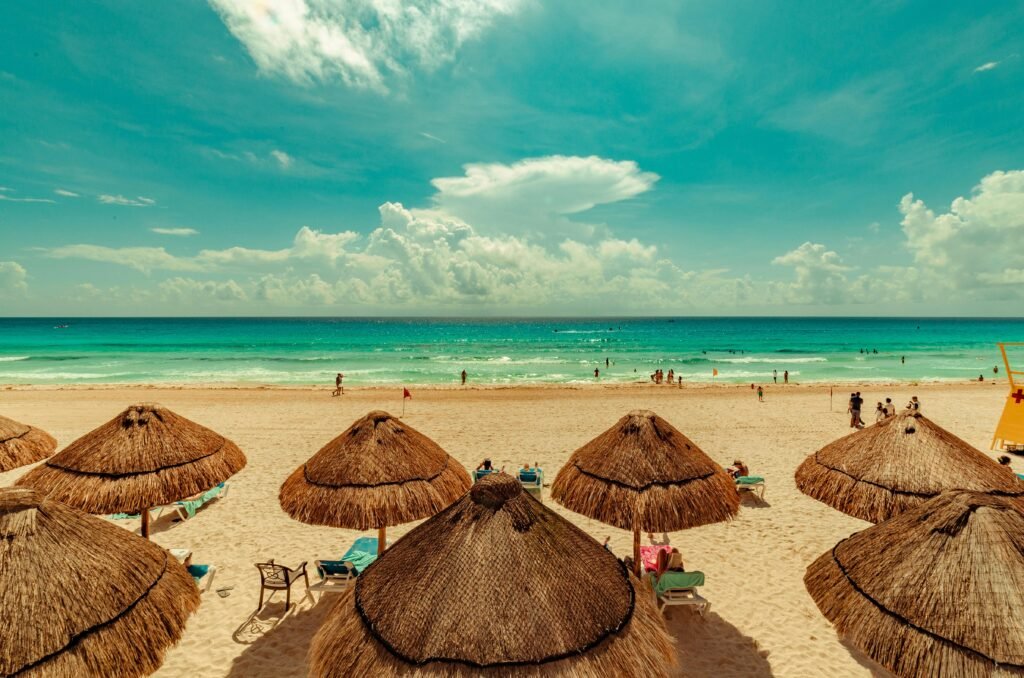
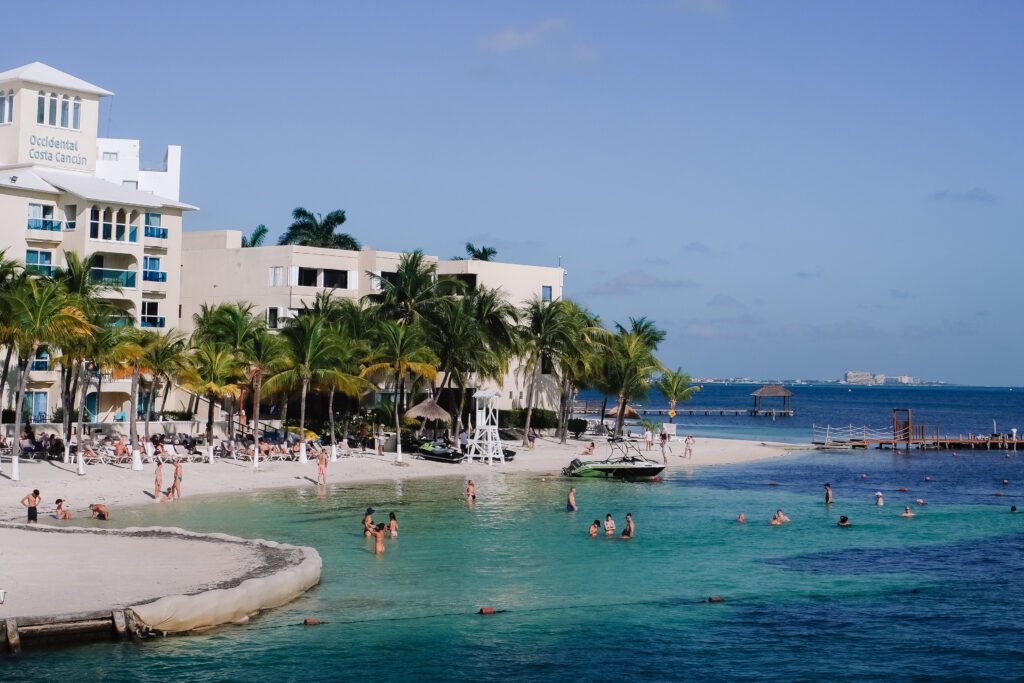
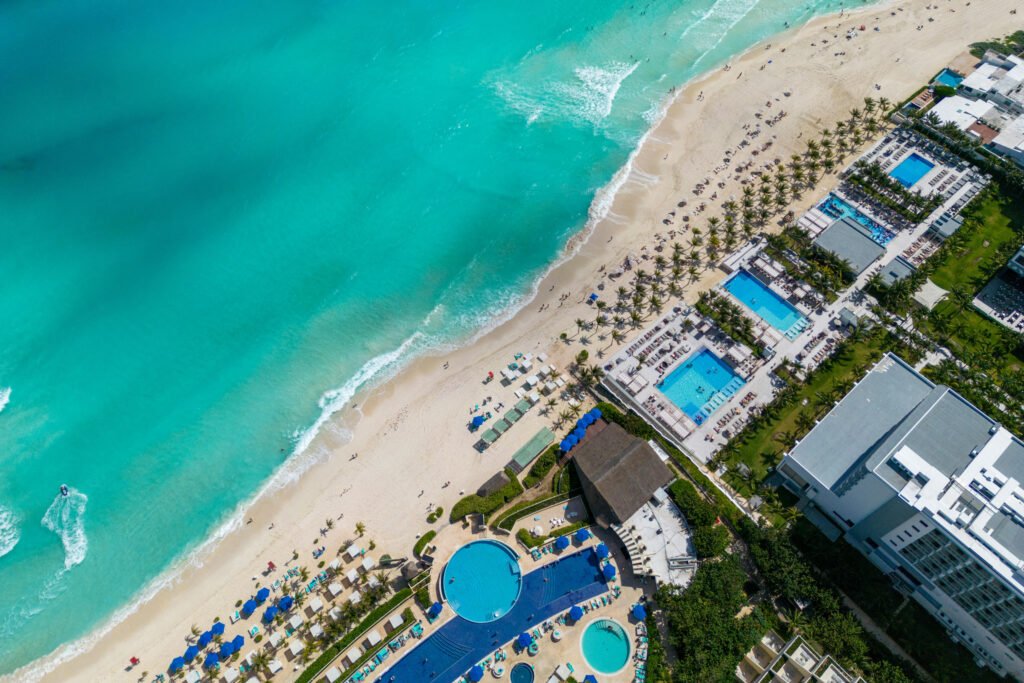
Puerto Cancún Marina
Isla Mujeres
Isla Contoy
Puerto Morelos
Nichupte Lagoon
Dive or snorkel MUSA underwater museum
Day trip to Chichén Itzá
Snorkel Isla Mujeres’ reef
Swim in a cenote near Puerto Morelos
Wall-dive Palancar Reef off Cozumel
Isla Mujeres
Cozumel
Puerto Morelos
El Rey Ruins
Chichén Itzá
November through April brings the driest weather and calmest seas, and is considered peak season for both diving visibility and comfortable temperatures. Hurricane season runs roughly June through November, with the highest storm risk concentrated in September and October, so most operators reduce availability during those two months. Spring break, through March, brings the liveliest nightlife scene but also the most crowded beaches and marinas.
Cancún International Airport (CUN) is the region’s main gateway, among the busiest airports in Mexico, with direct flights from most major US and European cities and a short transfer to the marina. It also serves as the practical entry point for the wider Riviera Maya, so guests planning to combine Cancún with Cozumel, Playa del Carmen or Tulum typically fly in and out through CUN regardless of where the charter starts or ends.
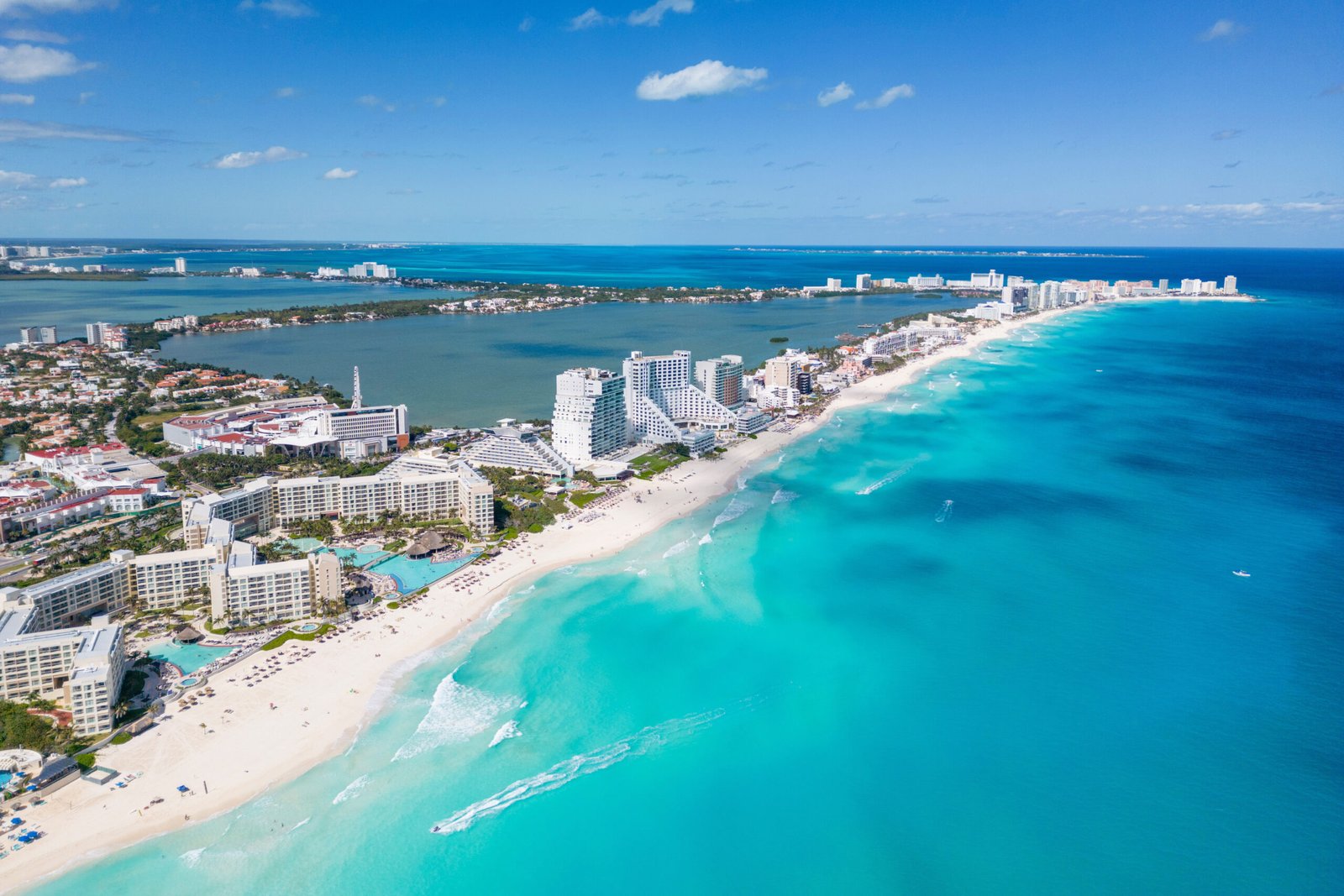
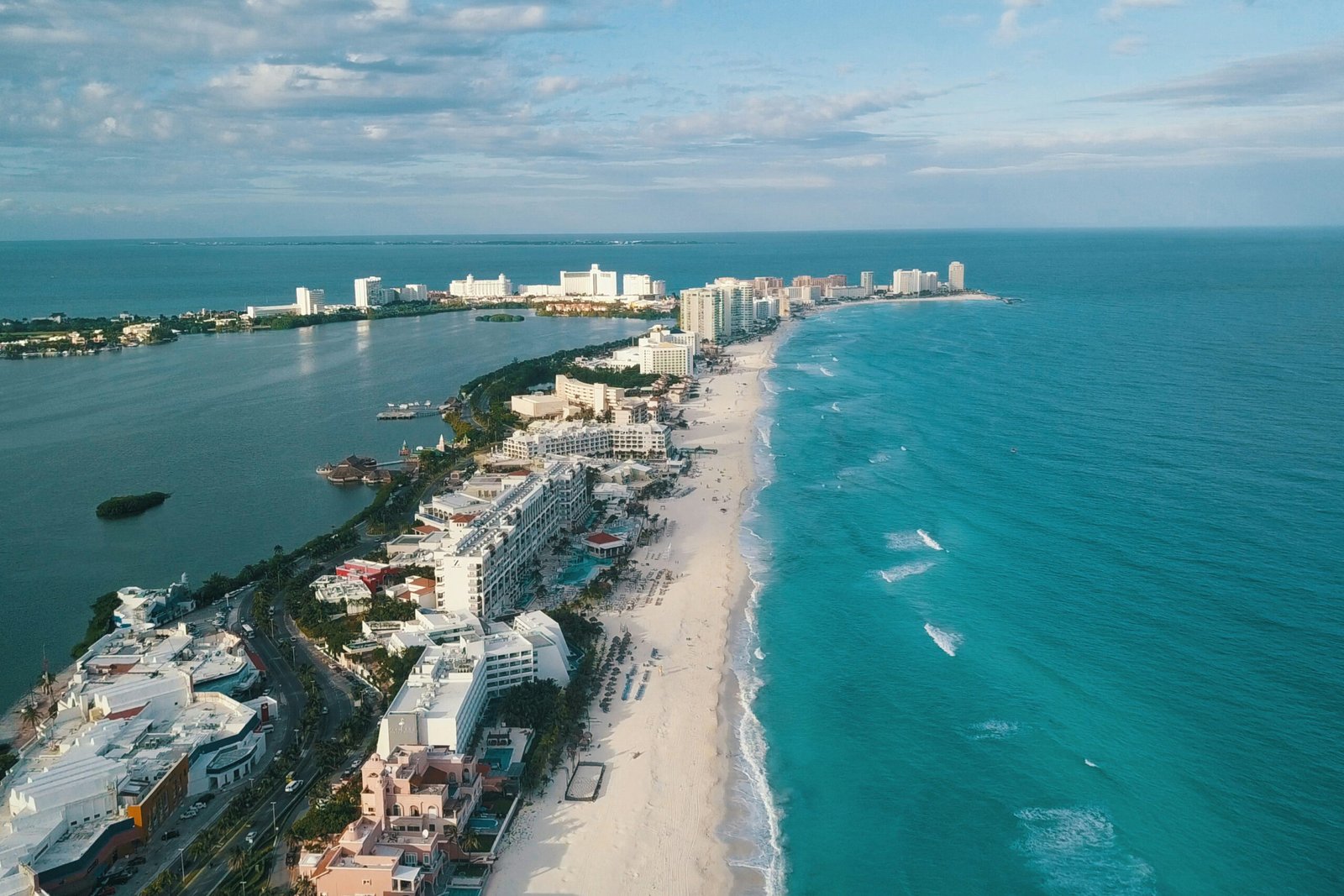
Isla Mujeres, a short crossing from the Hotel Zone, offers calmer, more sheltered water than the open Caribbean side and a laid-back town for going ashore. Puerto Morelos, south along the coast, sits inside its own protected reef and keeps a quieter, more local feel than Cancún itself. For deeper diving and clearer visibility, Cozumel is worth the longer run south, particularly along its western wall.
Four to five days covers Isla Mujeres, a day of diving or snorkeling, and a shore excursion to Chichén Itzá or a cenote without feeling rushed. Guests wanting to add Cozumel’s wall diving or explore further down the Riviera Maya toward Tulum typically extend to a full week, since the coastline between anchorages is more spread out than it appears on a map.
Yes. The waters around Isla Mujeres, Punta Cancún and Punta Nizuc, including the reefs near the MUSA underwater museum, sit inside a national marine park with a daily entrance fee of around 125 pesos per person, with exemptions for young children and reductions for students. The fee funds reef conservation and is typically collected by the dive or snorkel operator rather than paid separately, so it rarely complicates planning.