Mexico / Sea of Cortez
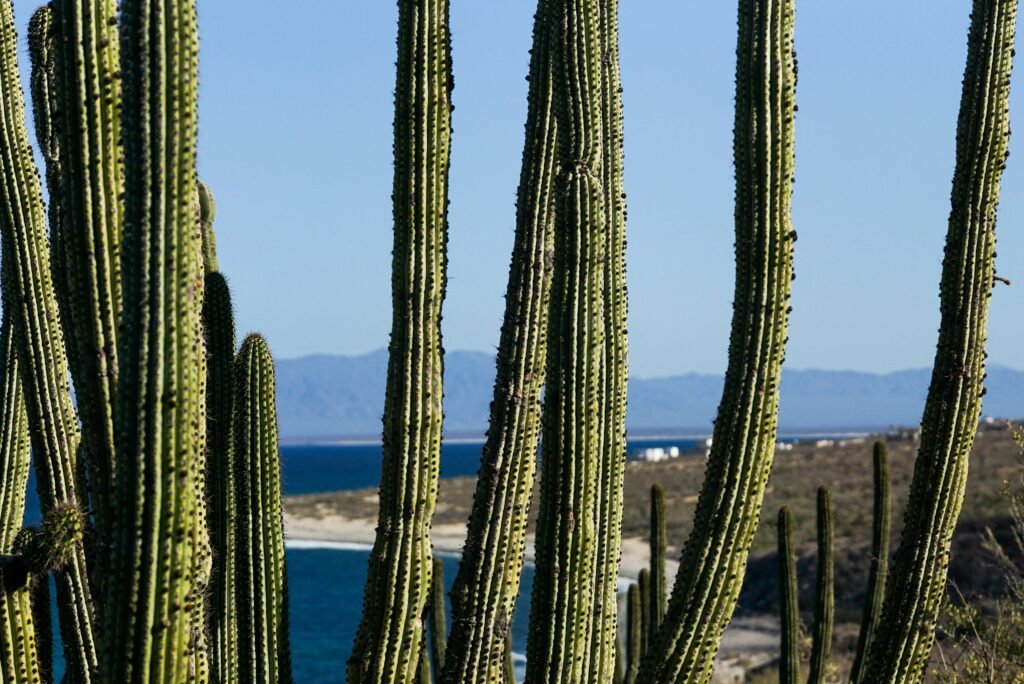
Isla Espíritu Santo
Isla Partida
Bahía de los Muertos
Puerto Escondido (Loreto)
Bahía Concepción
Snorkel with sea lions at Los Islotes
Swim with whale sharks in La Paz Bay
Dive Cabo Pulmo National Park
Sea kayak the Espiritu Santo archipelago
Sport fish off the East Cape
La Paz
Loreto
Cabo Pulmo
Isla Espíritu Santo
Todos Santos
October through June is the core season, when the water is calmest and whale sharks are present in La Paz Bay. Peak visibility for diving comes in the cooler months, December through March, once summer’s plankton bloom has cleared. Summer itself brings warmer water and better conditions for sport fishing, but also the highest heat and the tail end of the Eastern Pacific hurricane season, so most operators wind down charters between July and September.
La Paz has its own international airport (LAP) with a handful of direct US connections, and sits closest to the archipelago and Los Islotes. Many guests instead fly into Los Cabos International Airport (SJD), the region’s busiest hub, and take a two-hour transfer north to La Paz. Loreto also has a small airport (LTO) useful for charters based further north around Puerto Escondido and the Sierra de la Giganta coastline.
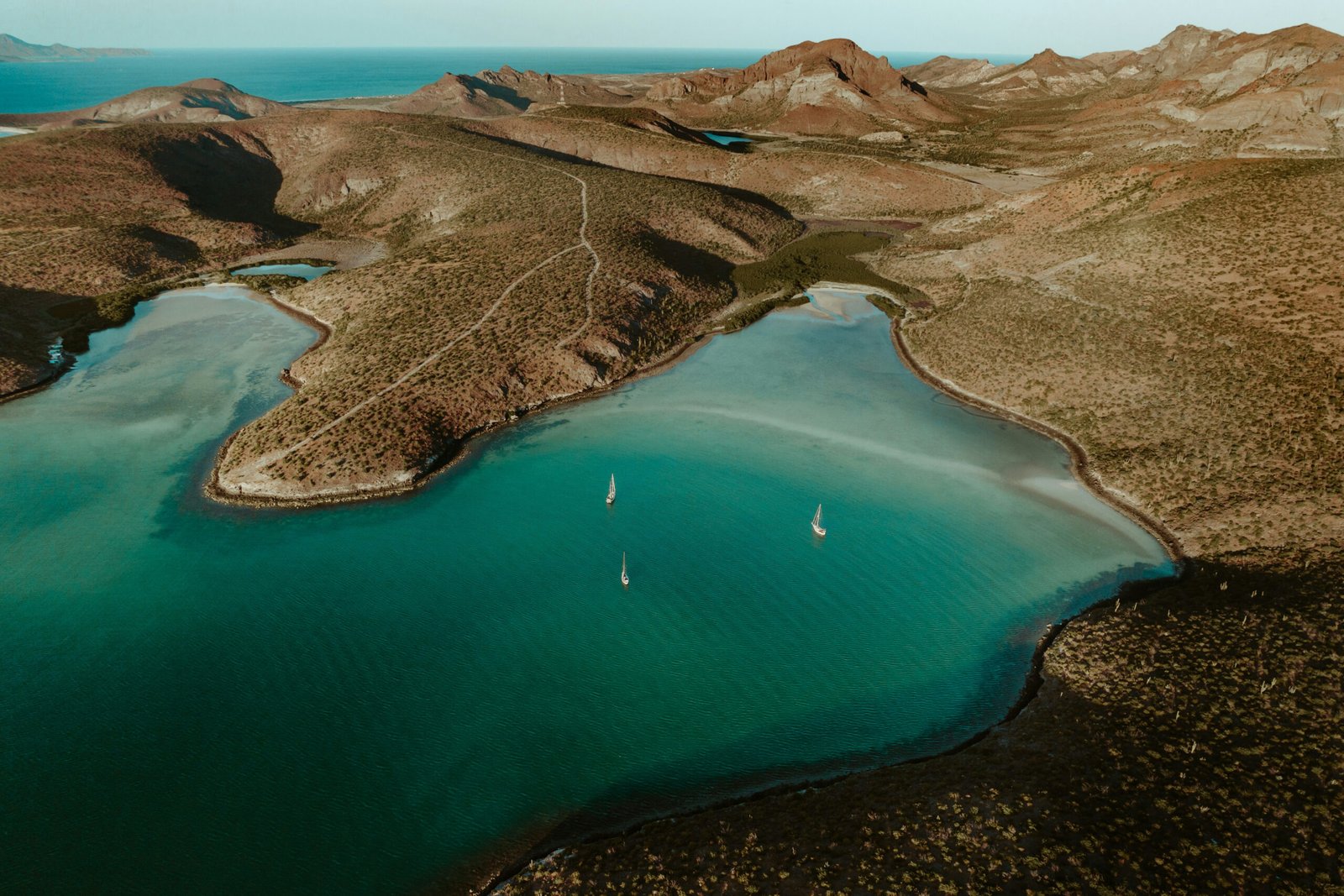
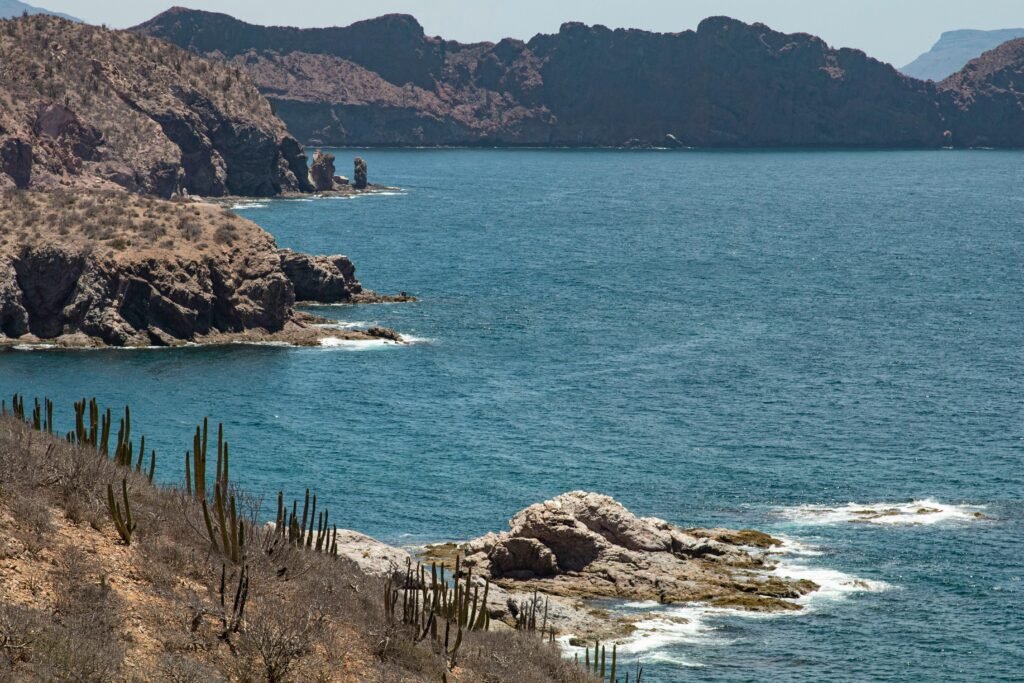
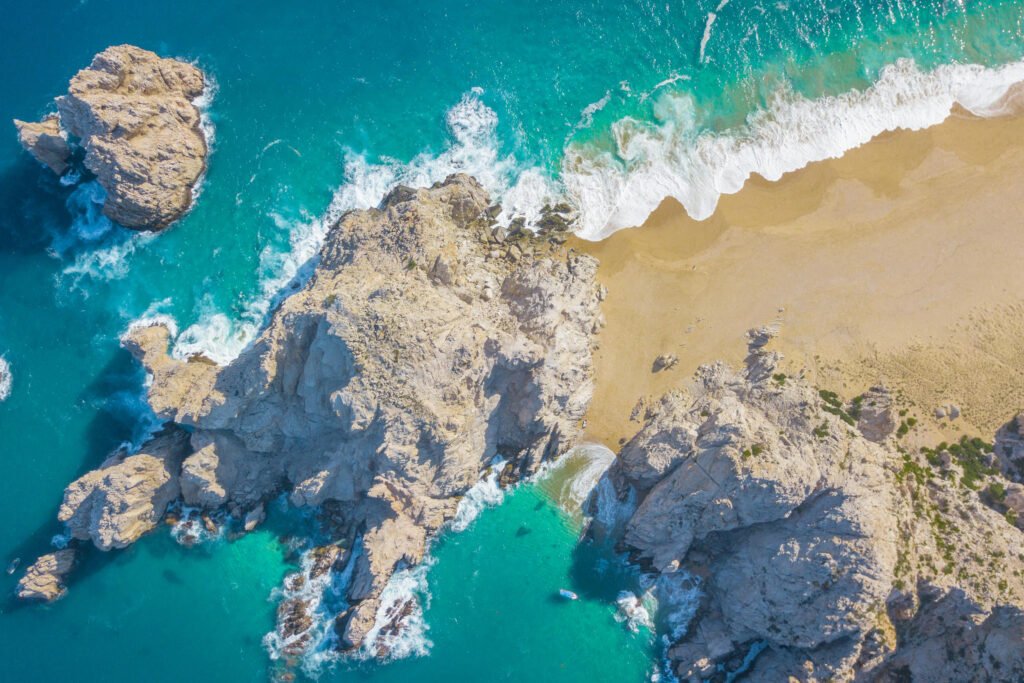
Isla Espíritu Santo and neighboring Isla Partida offer the most sheltered, scenic anchoring, with calm coves on their eastern side protected from prevailing winds. Bahía de los Muertos, south of La Paz, is a favorite overnight stop with good holding and a long sandy beach. Further north, Puerto Escondido near Loreto is one of the most protected natural harbors on the entire Baja coast, useful when weather turns.
Five to seven days covers the highlights around La Paz and the Espíritu Santo archipelago comfortably, with time for both a whale shark excursion and a day of snorkeling at Los Islotes. Guests wanting to also reach Loreto and Cabo Pulmo, both a full day’s cruise from La Paz, usually extend to ten days or more to avoid rushing between anchorages.
Yes. Espíritu Santo and its surrounding waters form part of a national park and UNESCO-listed biosphere reserve, and visiting requires a permit issued through Mexico’s environment authority. In practice, licensed charter operators and marinas hold these permits and build the cost into the excursion, so guests rarely need to arrange anything themselves. The same protections apply to Los Islotes and Cabo Pulmo, both of which limit group sizes around the sea lion colony and reef to protect the wildlife.