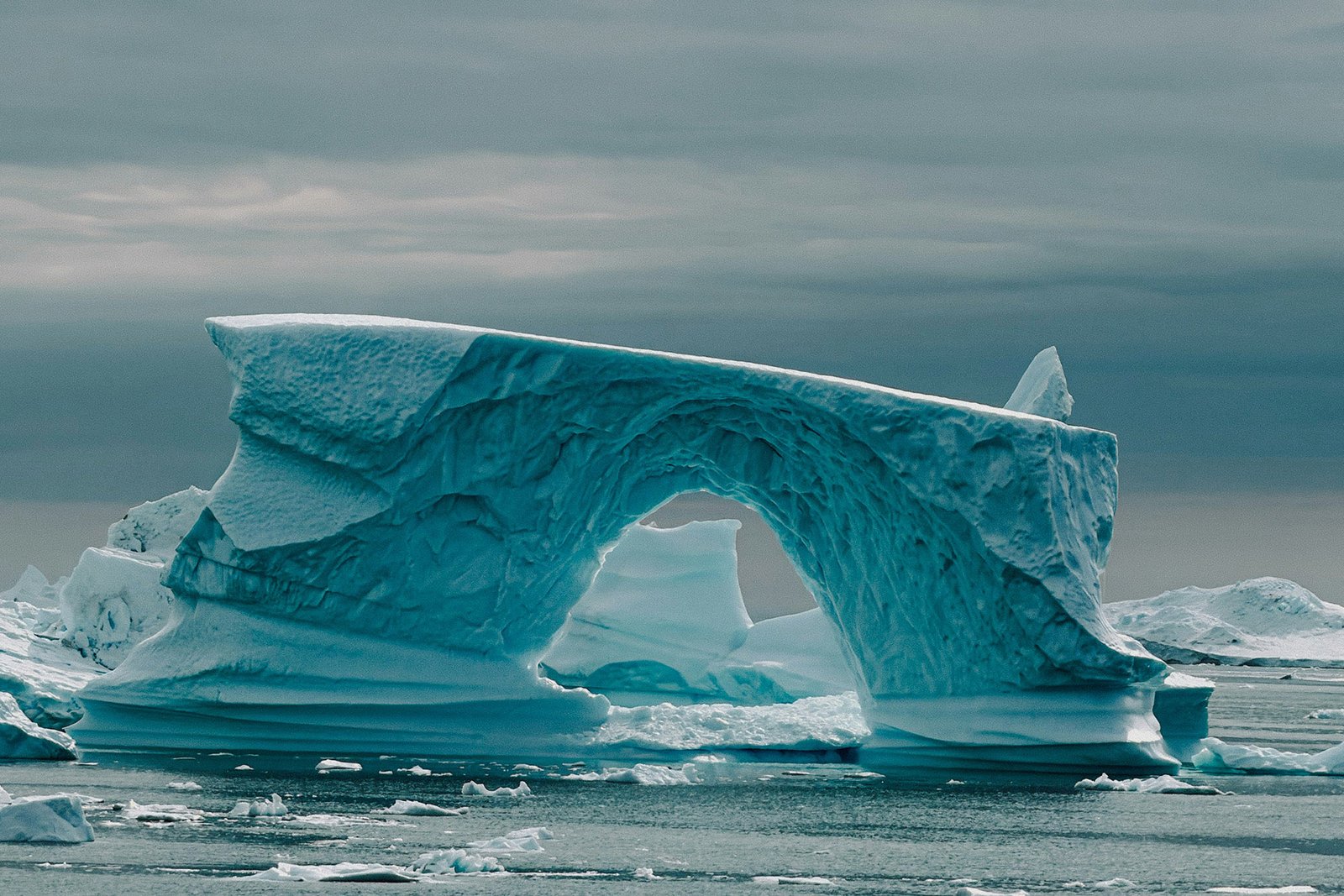
Northwest Passage

Beechey Island
Fort Ross, Bellot Strait
Gjoa Haven
Cambridge Bay
Resolute Bay
Visit the Franklin Graves, Beechey Island
Transit Bellot Strait
Watch Belugas at Cunningham Inlet
Tour the Kitikmeot Heritage Society Museum
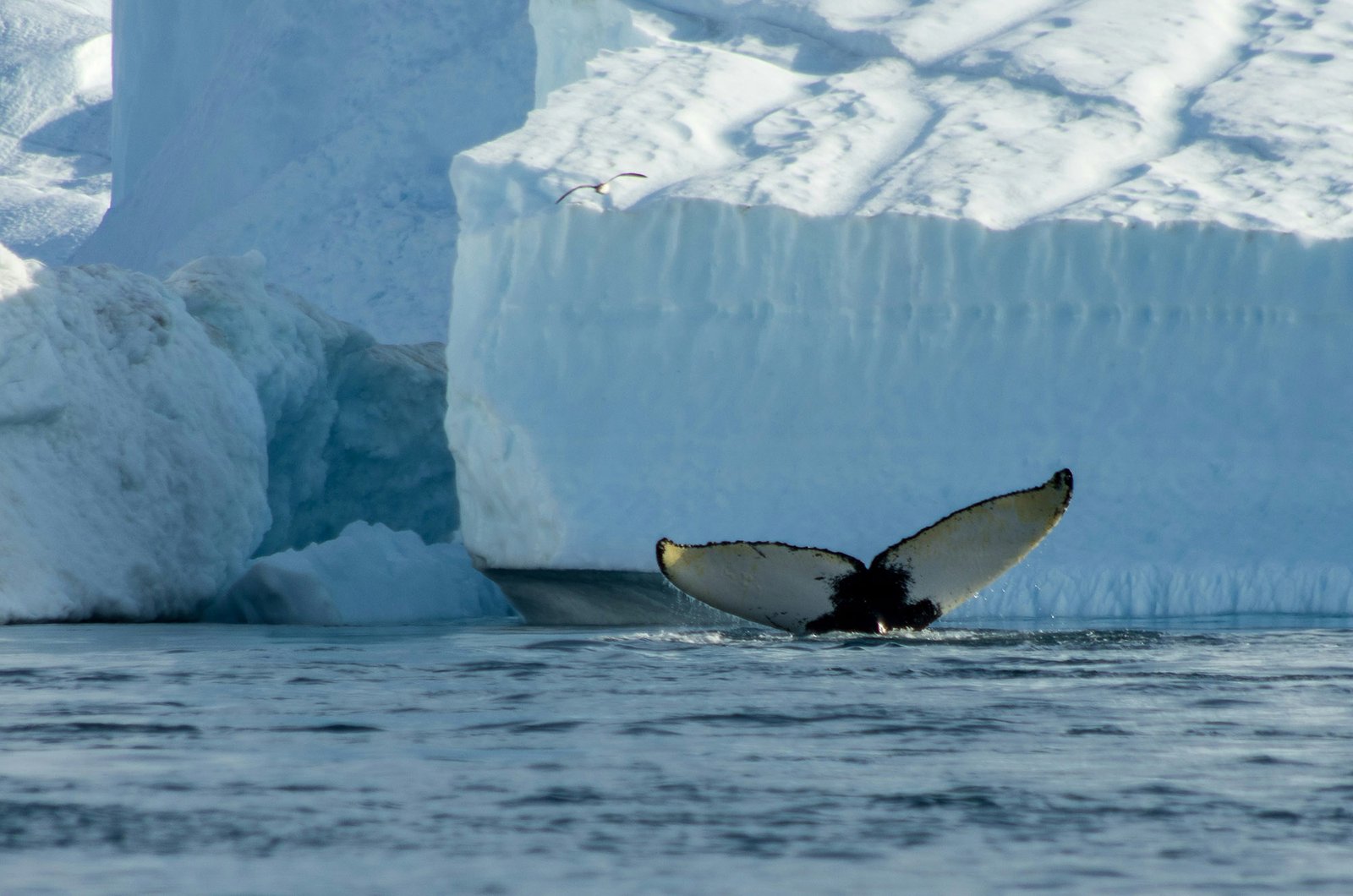
Spot Narwhal in Lancaster Sound
Devon Island
Prince Leopold Island Bird Sanctuary
Somerset Island
Ellesmere Island
King William Island
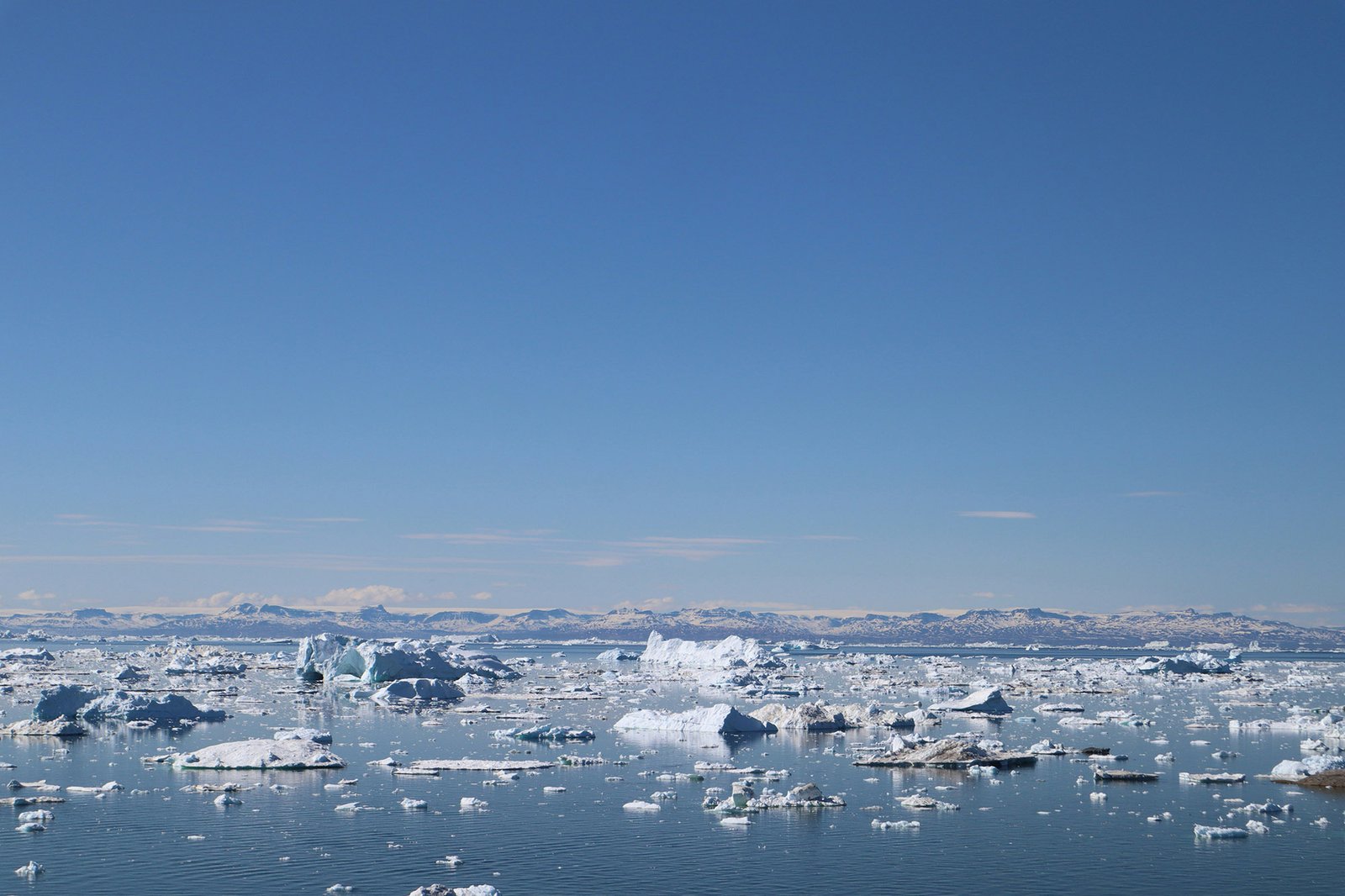
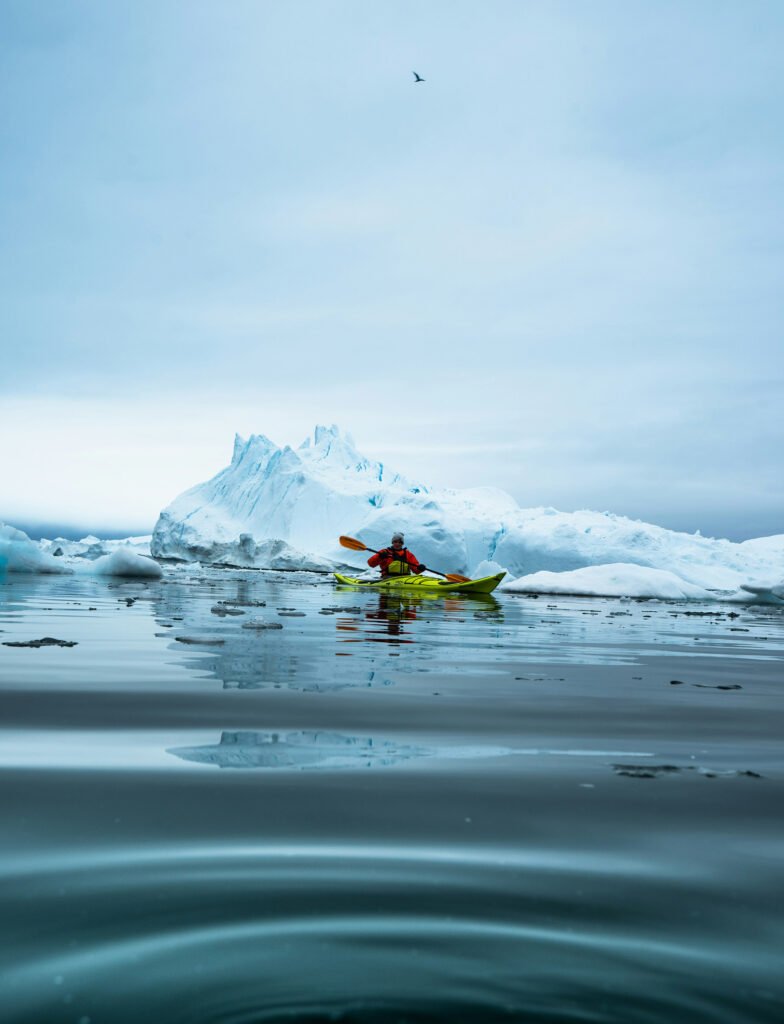
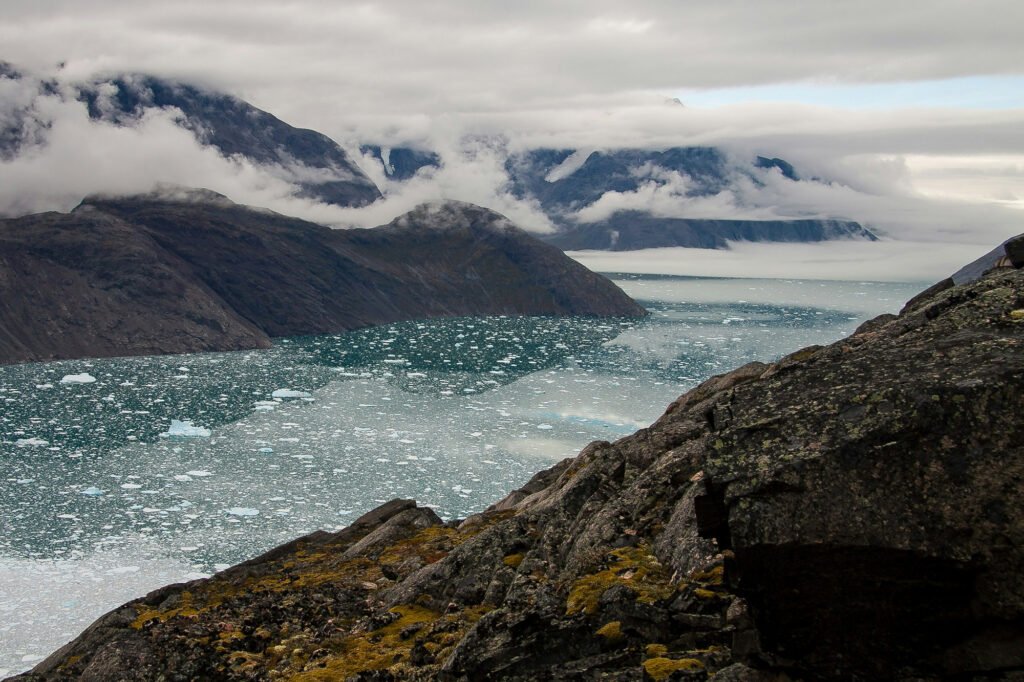
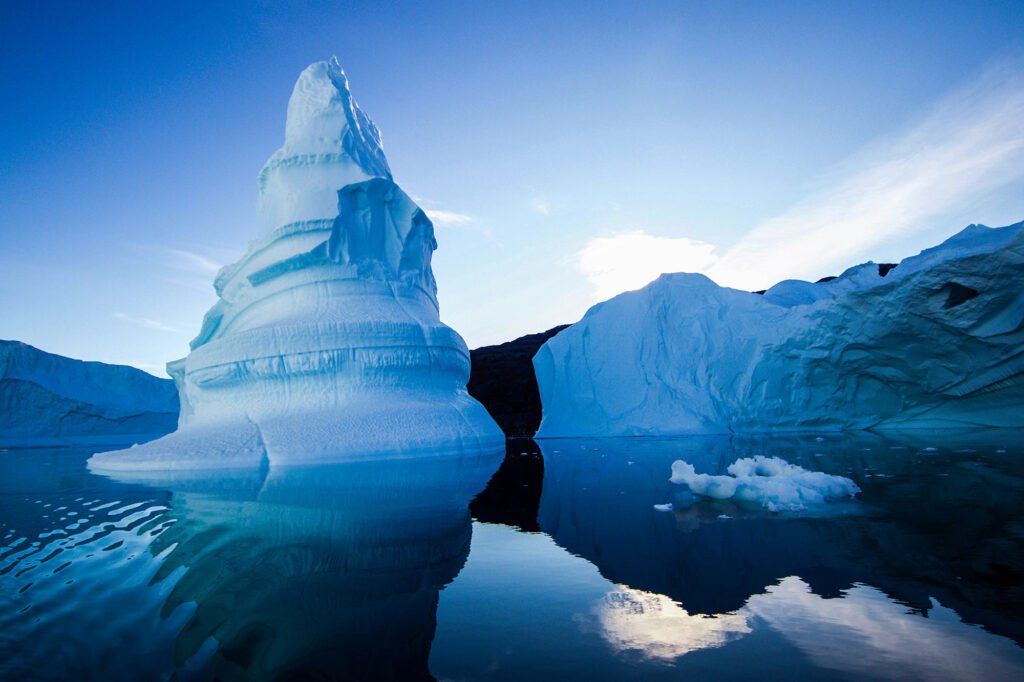
The navigable window is short and unpredictable, typically opening in early August and closing by mid-September as new ice forms. Satellite ice charts and a flexible schedule matter more than a fixed departure date, since one or more channels can remain blocked by multi-year ice in a poor season. Most attempts are planned as one-way transits between the Atlantic and Pacific rather than there-and-back cruises, given how narrow the margin is.
Most guests fly to Cambridge Bay (YCB) or Resolute Bay (YRB) in Nunavut, both reached by charter or scheduled flights from Yellowknife or Ottawa rather than any direct international route, and join the yacht there partway through its transit rather than at the very start or end. Cambridge Bay and Resolute both have small gravel-and-paved airstrips built originally for military and scientific use, with limited seats, so flights need booking well in advance of the narrow sailing season itself.
Beechey Island, where three of Franklin’s crew are buried in graves still visible today, is a near-obligatory stop and a sobering one. Fort Ross, a former Hudson’s Bay Company post at the eastern end of Bellot Strait, offers reliable shelter for a tidal-current transit that can run up to eight knots. Cambridge Bay and Gjoa Haven double as anchorage and community visit in one stop, since both sit on genuinely sheltered water rather than an open roadstead.
A full transit typically runs three to five weeks depending on ice conditions and how many stops are built in along the way, considerably longer than the roughly two-week sailing time the distance alone would suggest. Some charter guests instead join for a shorter leg, a week to ten days through one section such as Lancaster Sound and Bellot Strait, flying in and out at Resolute or Cambridge Bay rather than committing to the full Atlantic-to-Pacific crossing.
Canada regards the passage as internal waters and requires all vessels, including private yachts, to report to NORDREG, the Coast Guard’s Arctic Canada Traffic System, mandatory since 1 July 2010 to track position and ice conditions throughout a transit. The United States and others instead consider it an international strait open to free passage, a long-running dispute that, in practice, rarely affects a well-prepared yacht with its NORDREG reporting and customs clearance in order.

Tell us what you would like to know, and our team will respond with clear details on availability, specification, pricing and next steps.