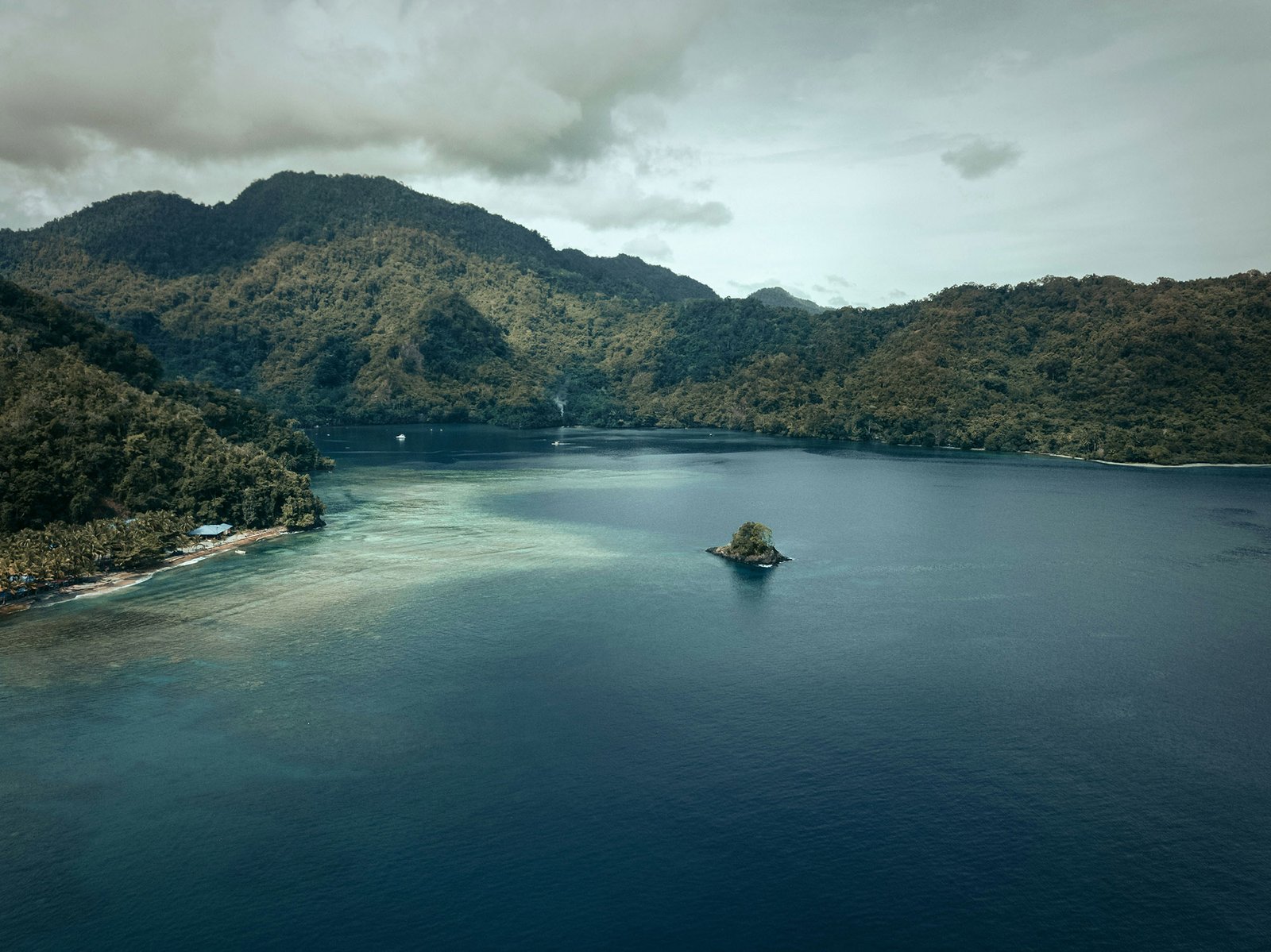
Papua New Guinea
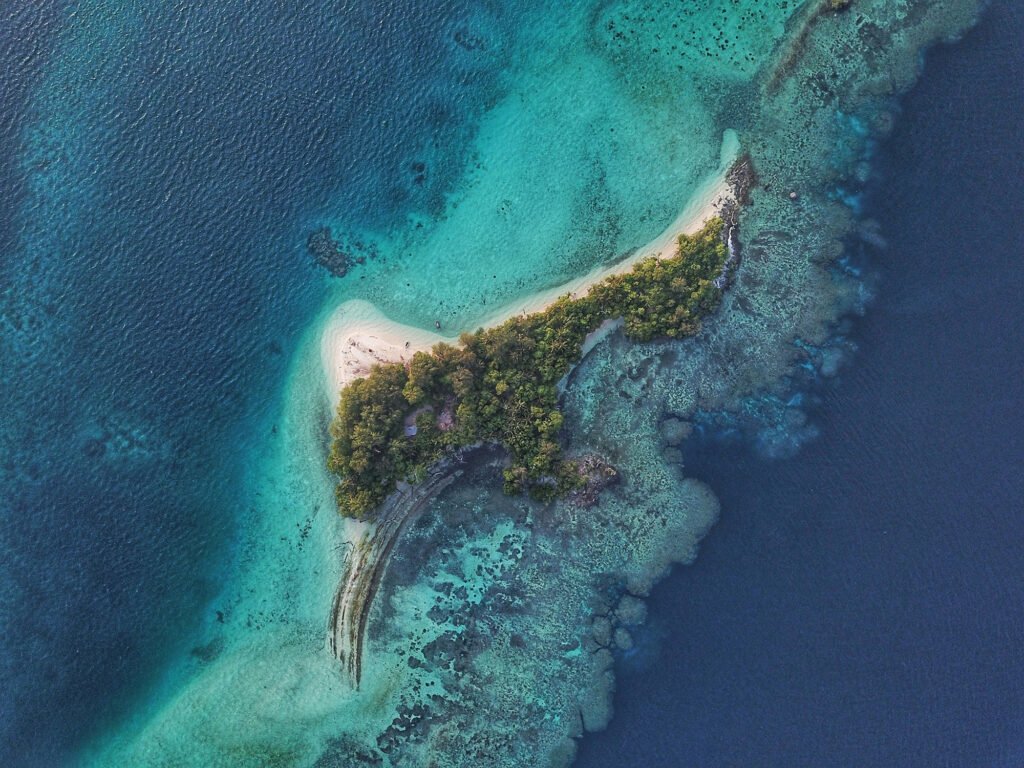
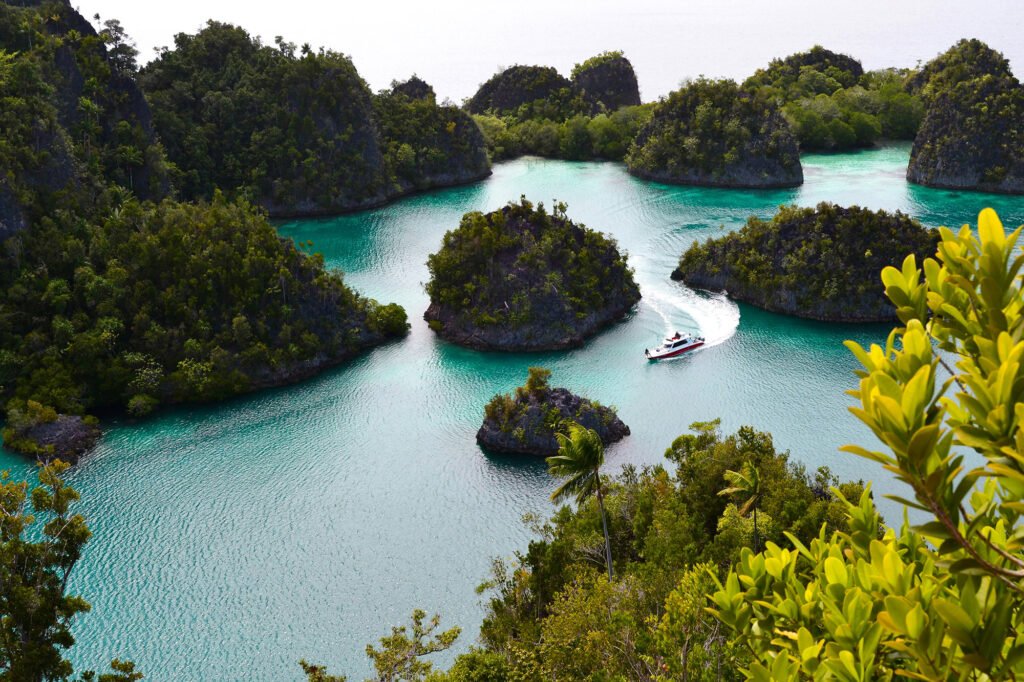
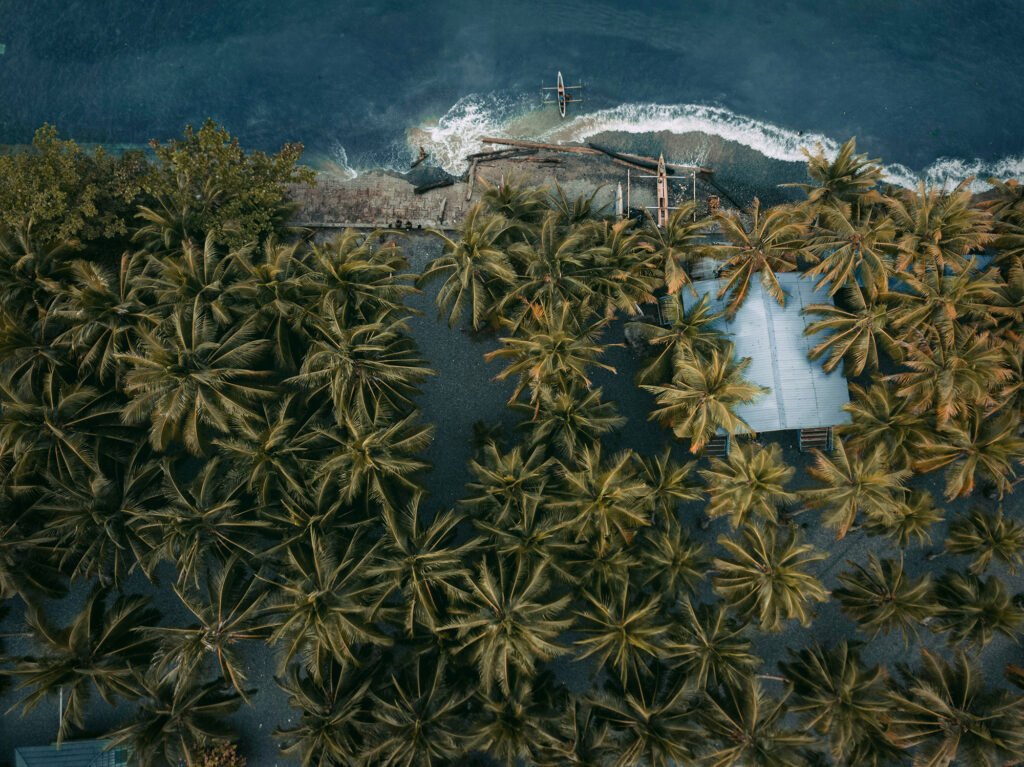
Alotau, Milne Bay
Kavieng, New Ireland
Rabaul, New Britain
Madang
Port Moresby
Dive the coral gardens of Kimbe Bay
Visit a Sepik River spirit house
Explore WWII wrecks in Rabaul Harbour
Trade for pottery in the Trobriand Islands
Snorkel the reefs of Milne Bay
Port Moresby
Rabaul
Trobriand Islands
Sepik River
Tufi Fjords
May through October is the main dry season across most of the country, bringing calmer seas and the most reliable diving visibility, particularly around Kimbe Bay and Milne Bay. The northwest monsoon from December to March brings heavier rain and rougher conditions in many areas, though this varies by region since Papua New Guinea spans a wide range of coastlines and microclimates. Most charter operators build their season around the May to October window.
Jacksons International Airport in Port Moresby is the main gateway, with connections from Australia, Singapore and Fiji, and the Royal Papua Yacht Club Marina there is the principal port of clearance. Guests joining a charter further out, in Milne Bay or New Britain, typically connect onward by domestic flight to Alotau, Kavieng or Rabaul rather than travelling overland, since road links between regions are limited or non-existent.
Alotau, in Milne Bay, gives easy access to the Trobriand Islands and the Louisiades, while Kavieng and Rabaul serve as bases for New Britain and New Ireland’s reefs and wreck sites. Most anchorages here have a mud bottom and good holding, though many bays remain incompletely charted, so cruising is generally done with local knowledge or a guide rather than by chart alone.
Ten to fourteen days suit the distances involved, since the country’s best cruising grounds, Milne Bay, the Bismarck Archipelago and the Sepik River delta, are spread across a coastline longer than California’s. A shorter charter can focus on a single region, such as Kimbe Bay for diving or Milne Bay for its islands and reefs, rather than attempting to cover the whole country in one trip.
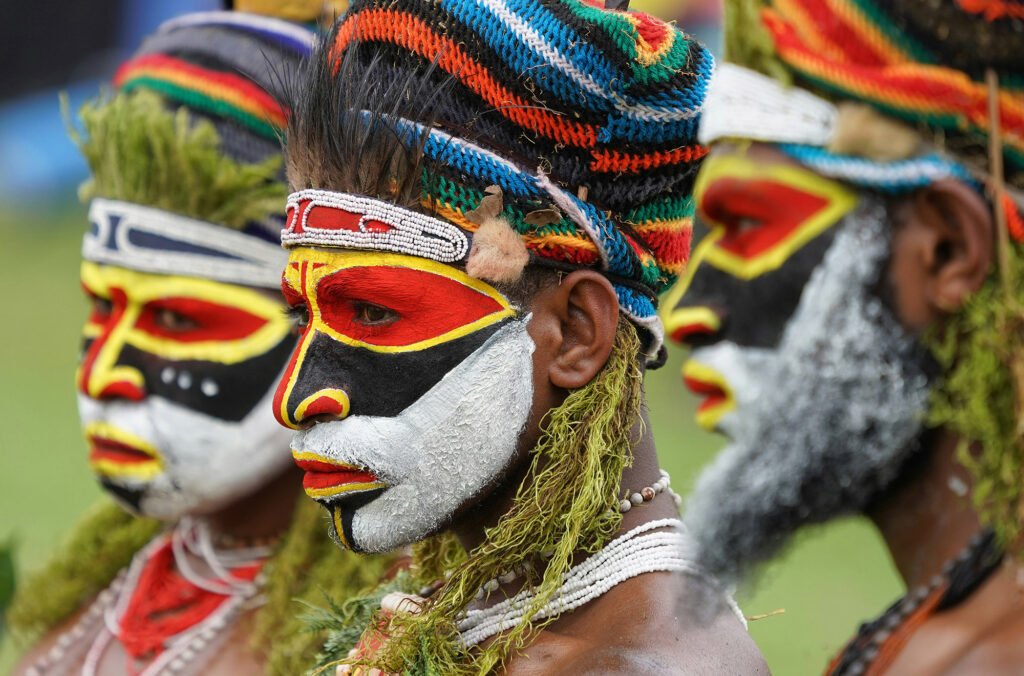
It’s home to more than eight hundred living languages, close to twelve percent of the world’s total, spoken across thousands of small, often isolated communities. The Sepik River region and the Trobriand Islands, sometimes called the Islands of Love for their traditional courtship customs, are two of the most accessible windows into that diversity for visiting yachts. Many villages still trade using traditional shell money alongside modern currency.

Tell us what you would like to know, and our team will respond with clear details on availability, specification, pricing and next steps.