Thailand / Phang Nga Bay
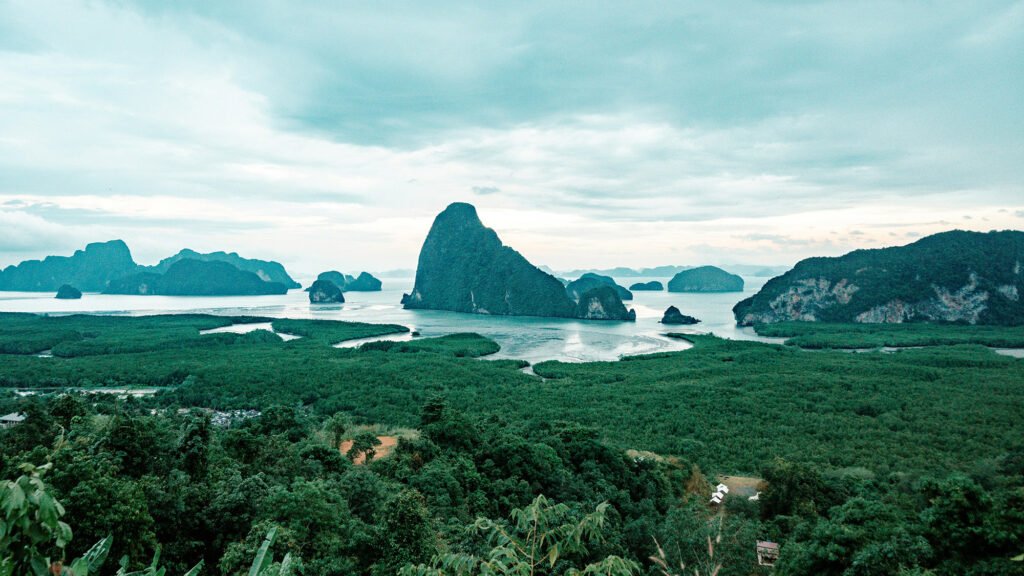
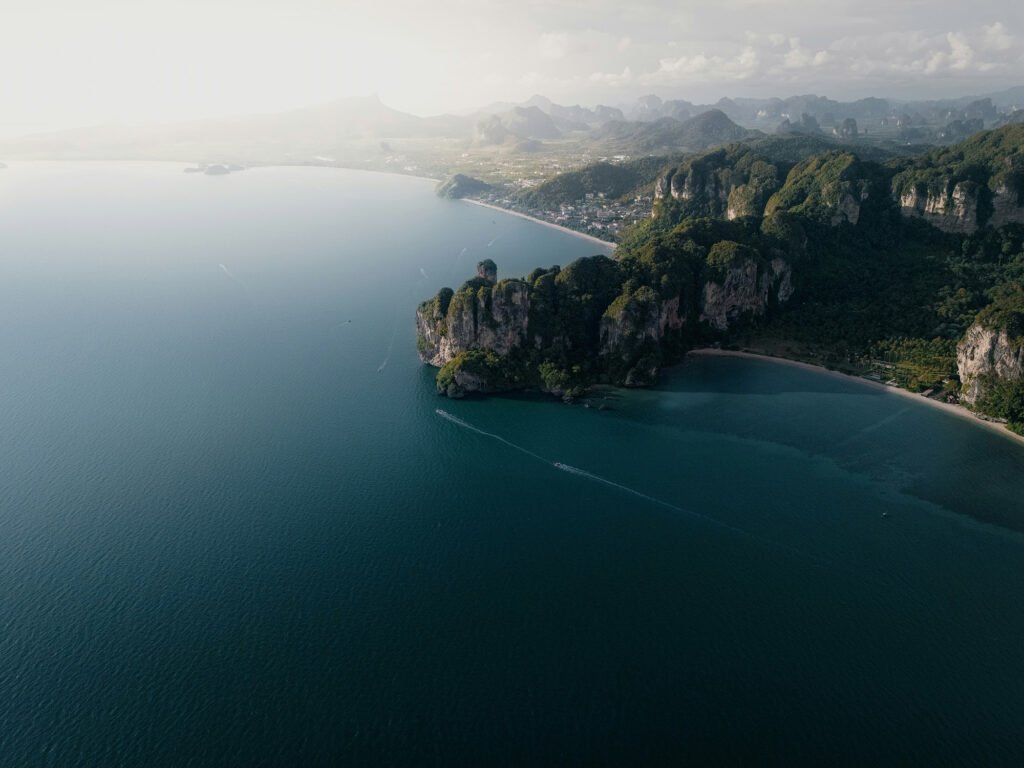
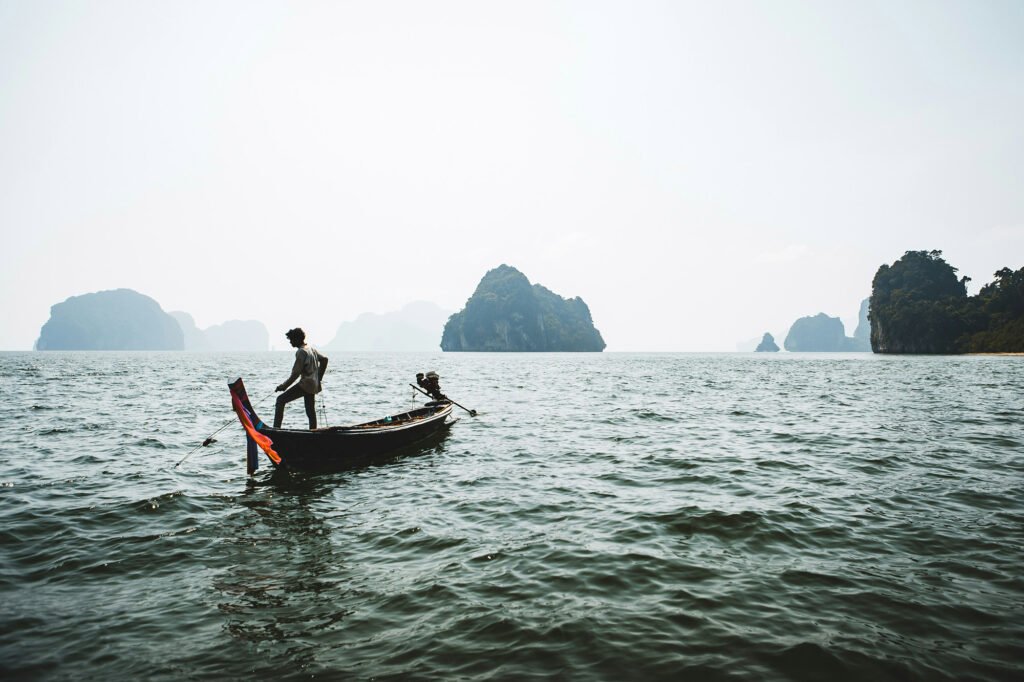
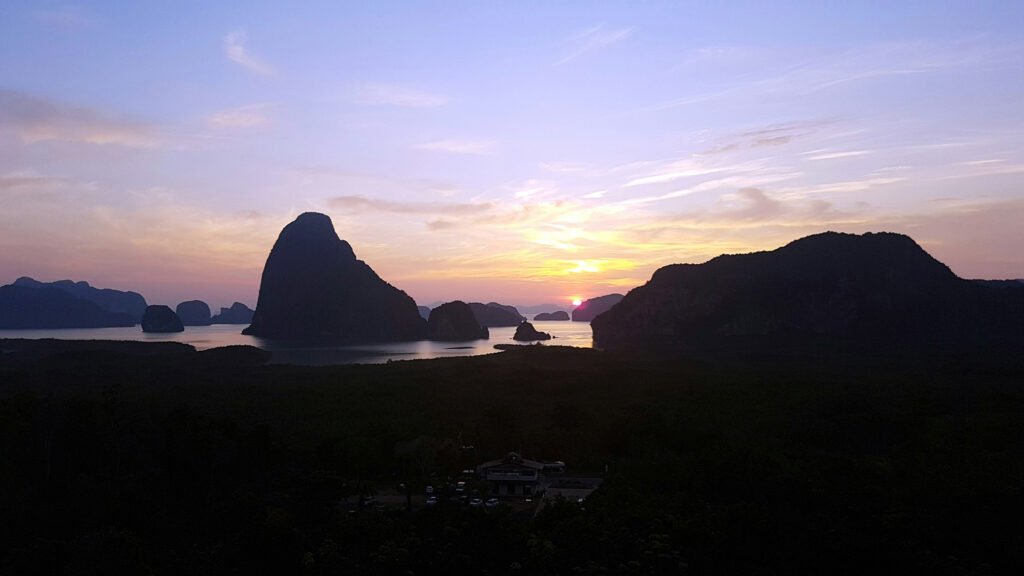
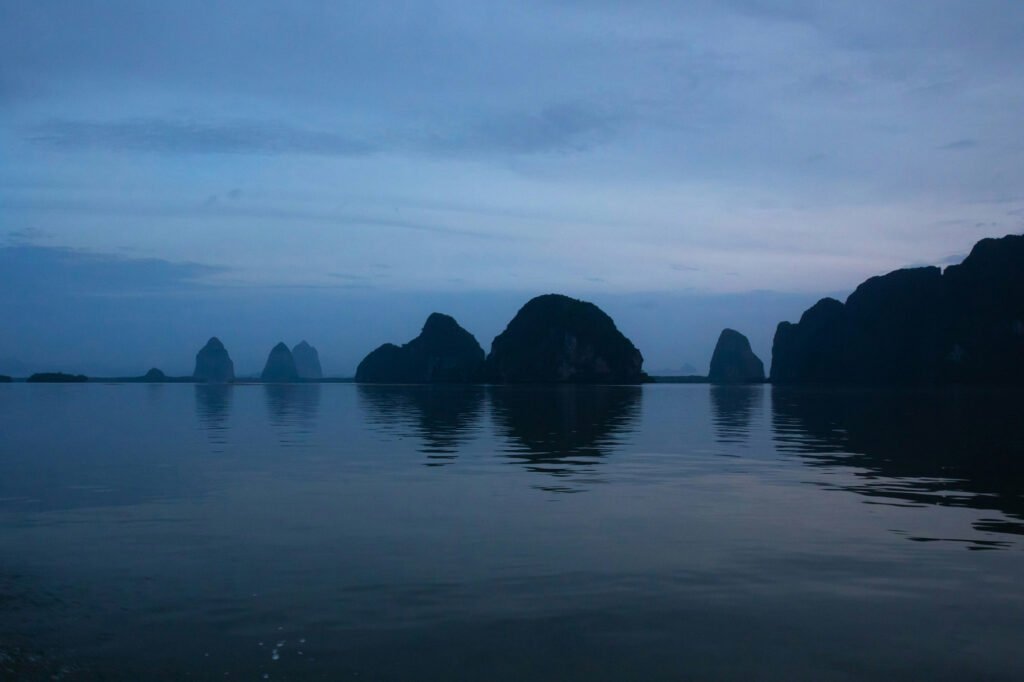
Ao Phang Nga
Koh Panyi Anchorage
Hong Islands
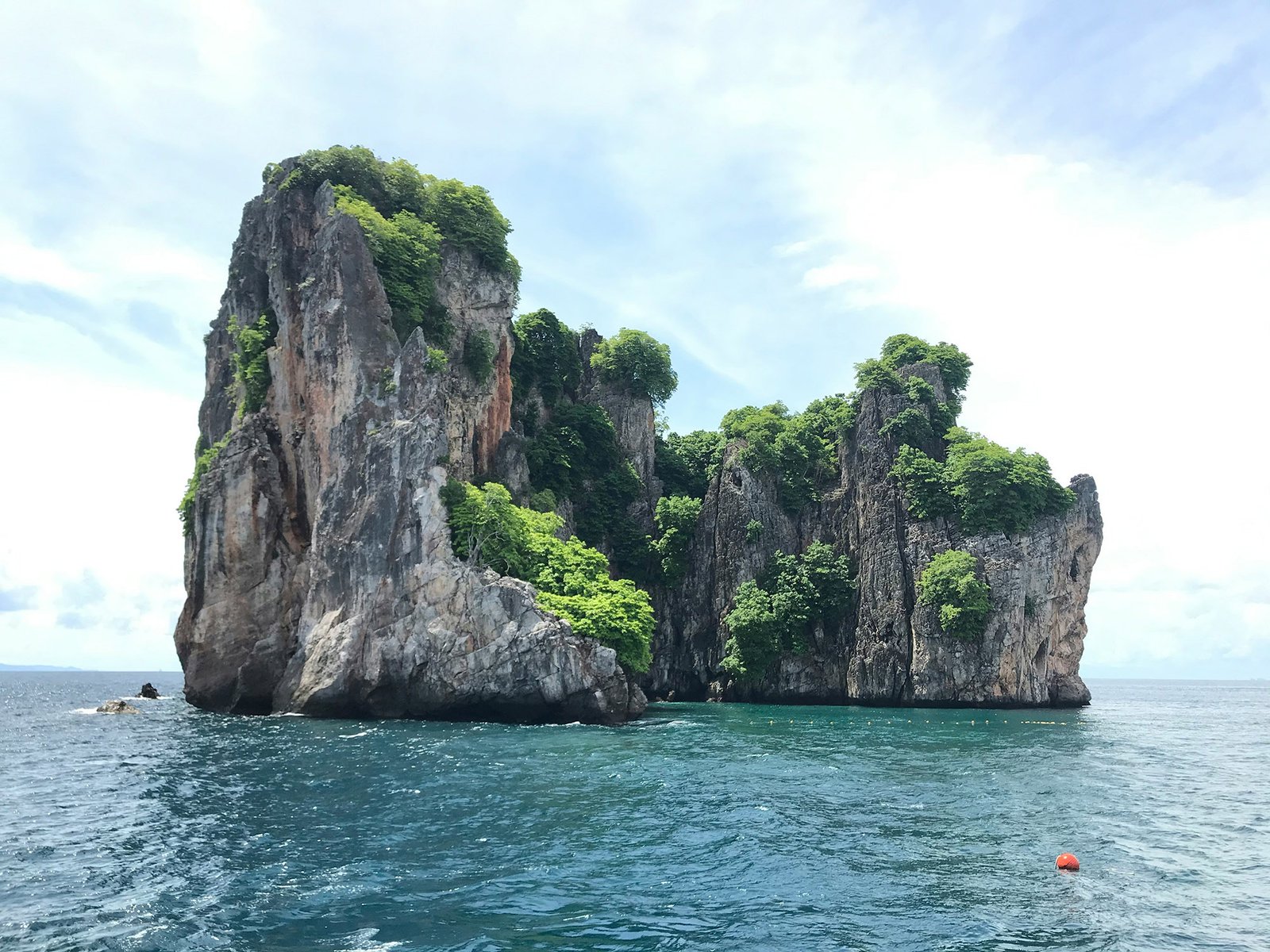
Koh Panak
Ao Thalane
Kayak Koh Panak’s Sea Caves
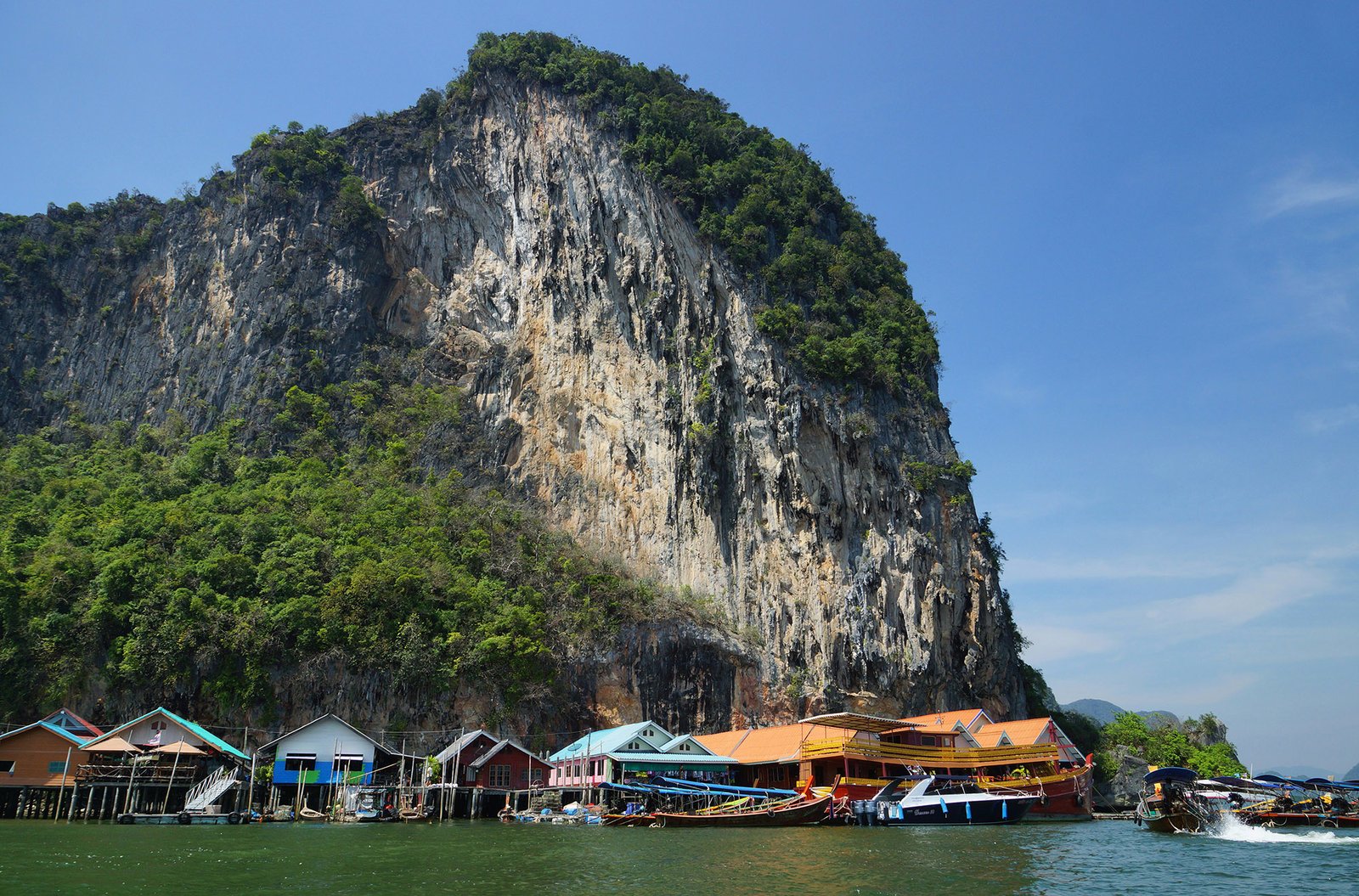
Visit Ko Panyi Floating Village
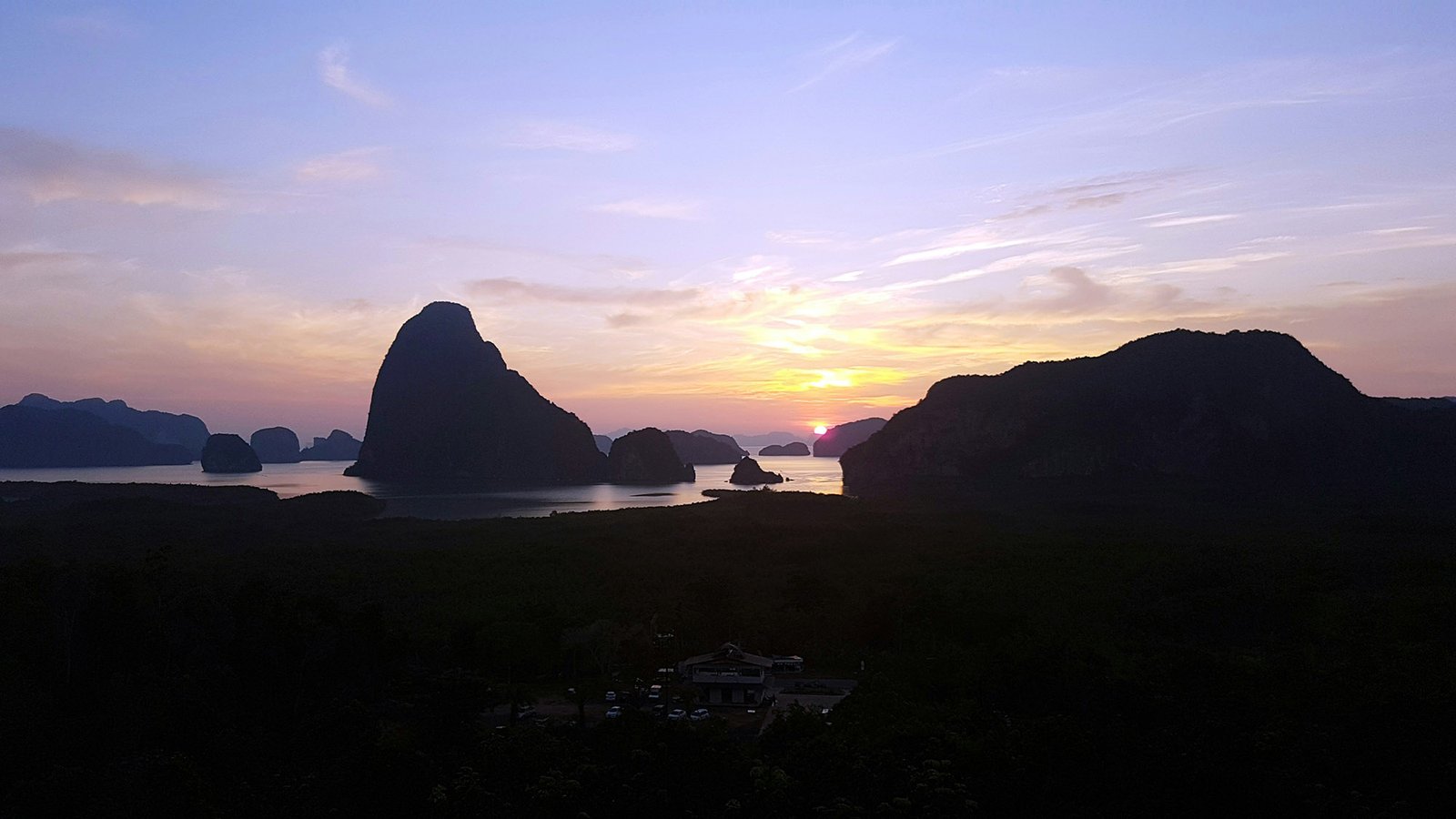
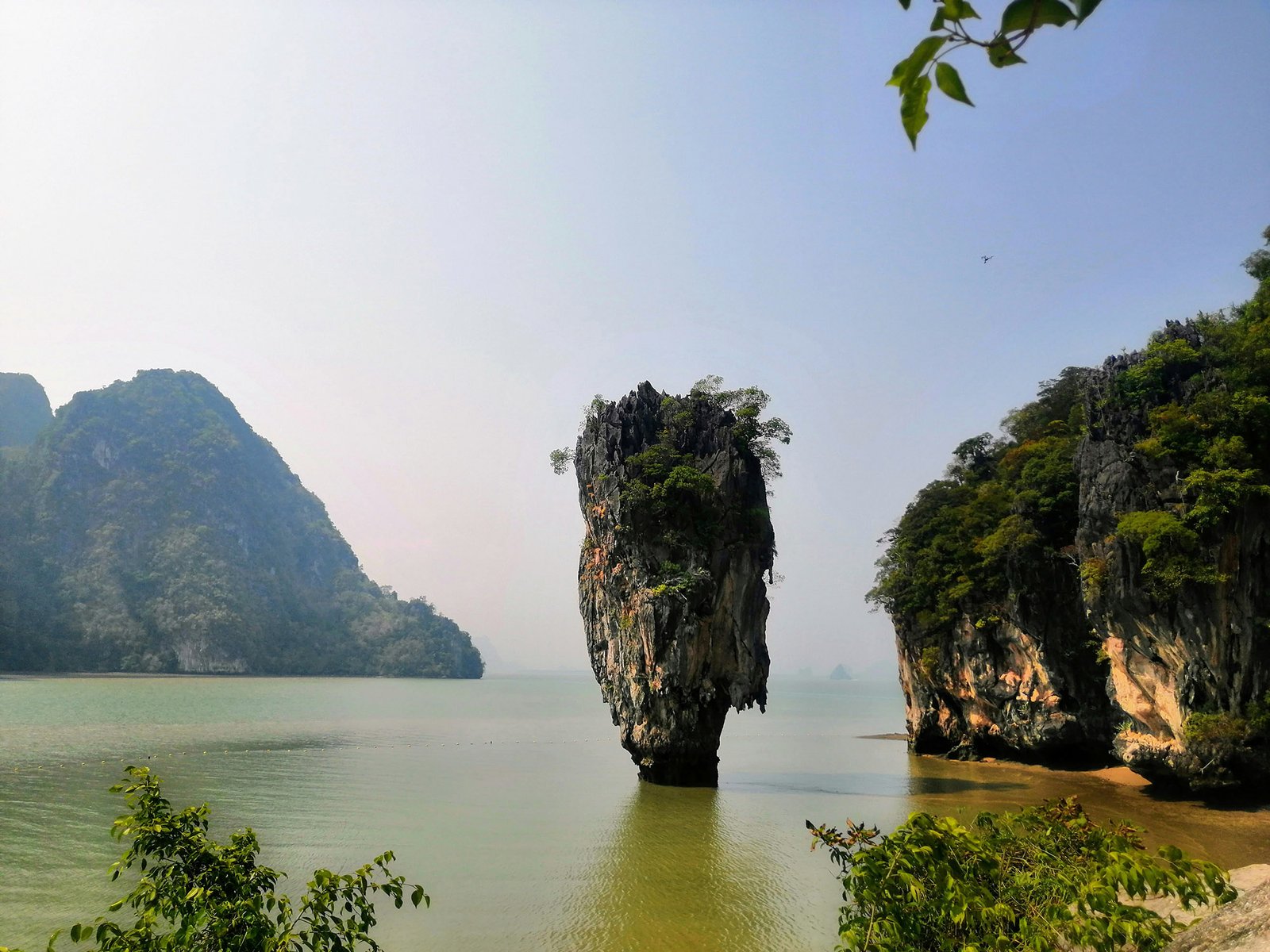
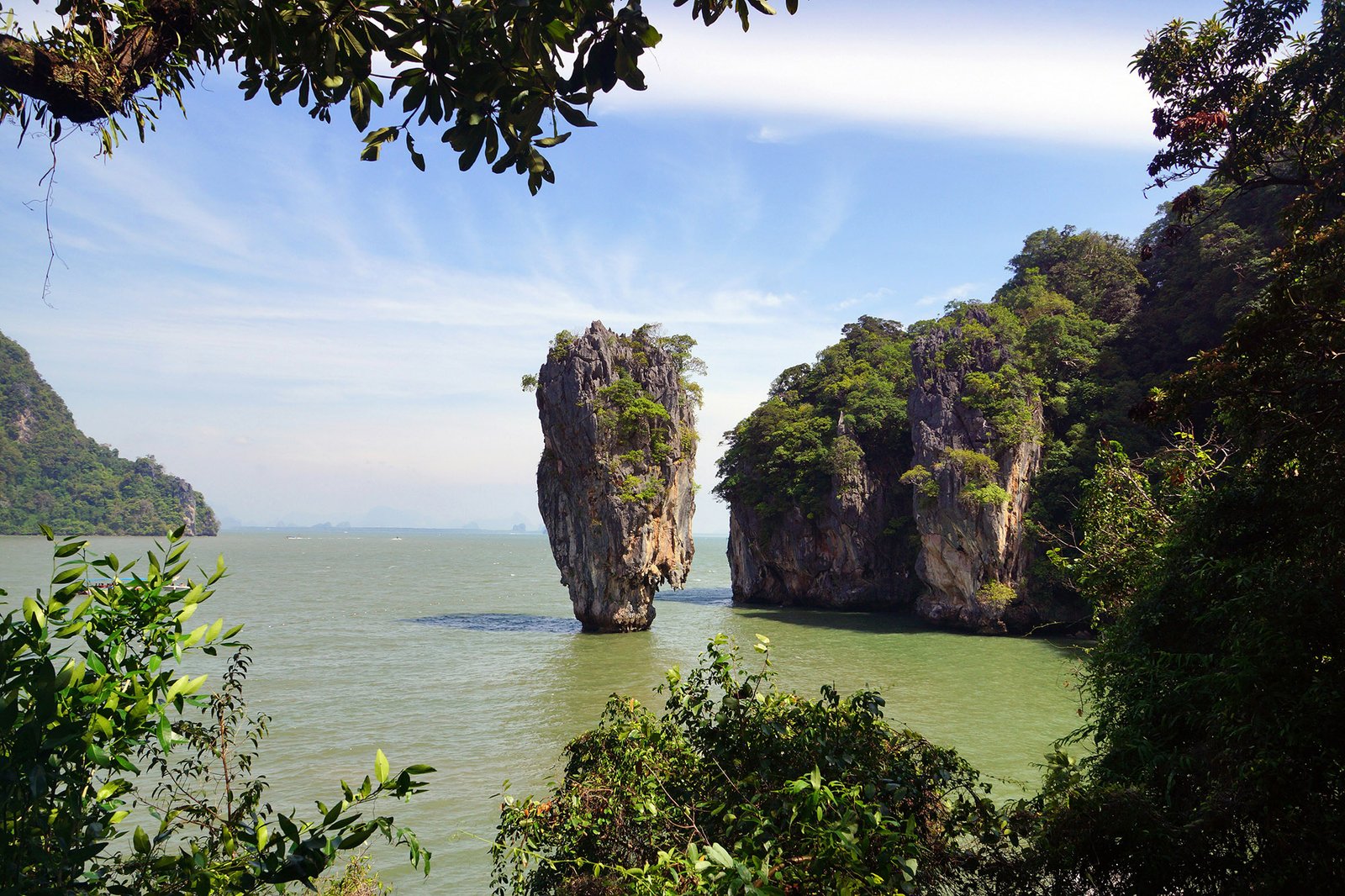
Photograph James Bond Island
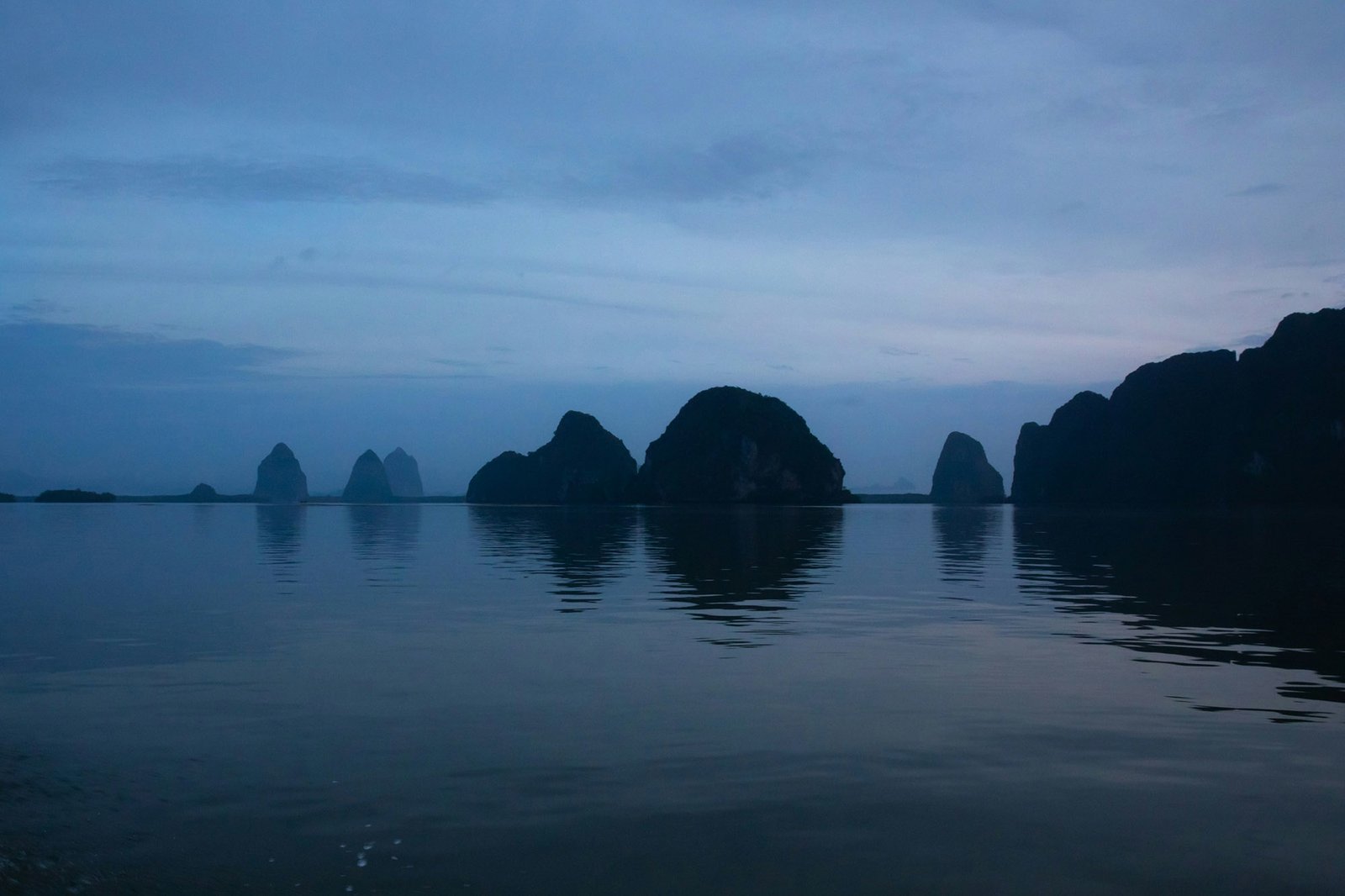
Explore the Hong Island Lagoons
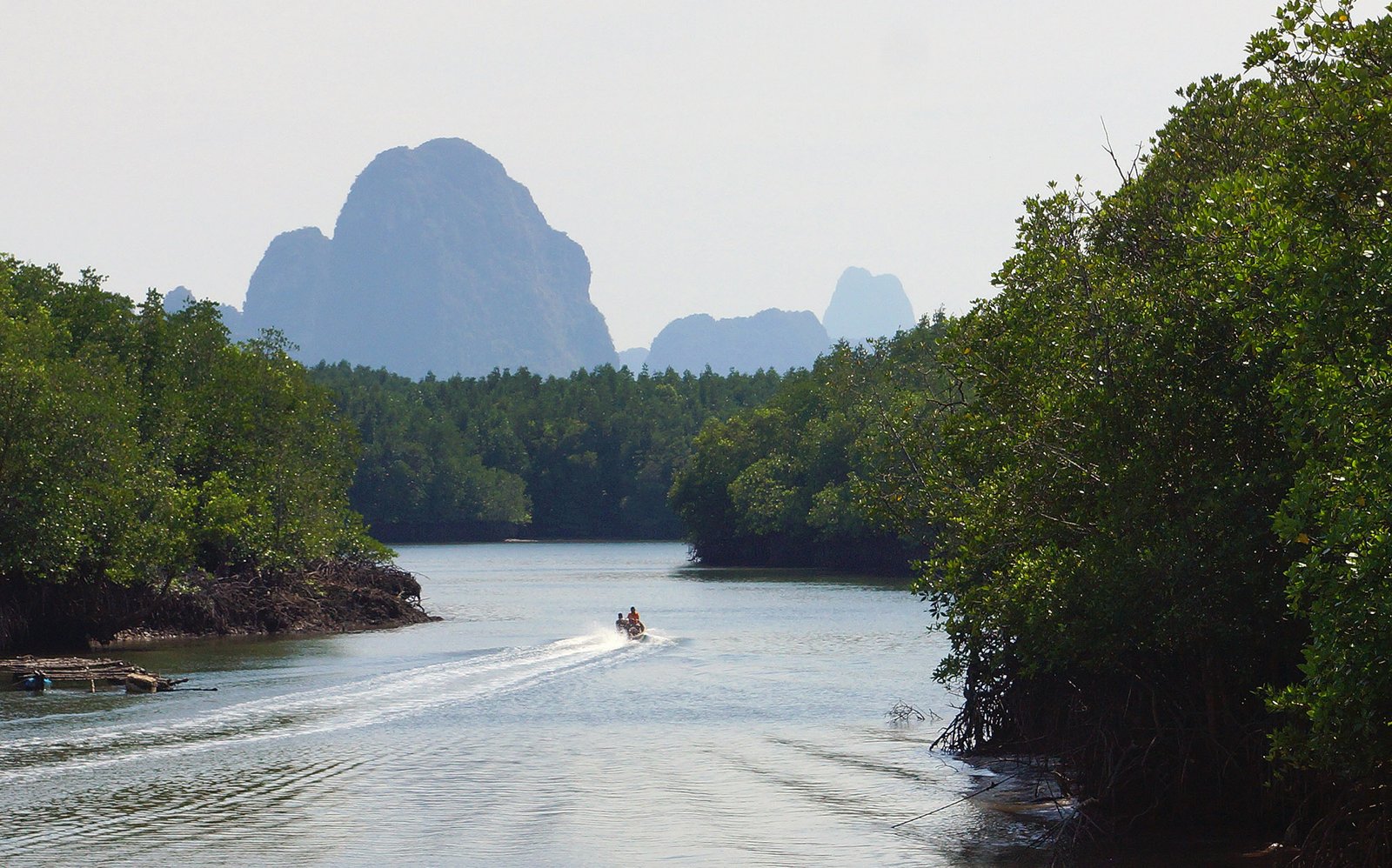
Canoe the Mangrove Channels
Ko Panyi
Khao Phing Kan
Wat Suwan Khuha
Sa Nang Manora Forest Park
Hong Islands
The dry season from November to April brings calm water, good visibility and the clearest views of the karsts, with December through February the coolest and most comfortable months. The southwest monsoon from May to October brings heavier rain and rougher seas further offshore, though the bay itself stays relatively sheltered thanks to the surrounding islands. Early morning departures year round avoid the day trip crowds that build around James Bond Island by mid morning.
Phuket International Airport, code HKT, is the usual arrival point, with the bay roughly an hour by road or a shorter run by sea from marinas on Phuket’s east coast. Charters based in Krabi or Ao Nang can reach the bay from the opposite shore too. Ao Phang Nga National Park’s checkpoint sits close to the mainland, so most itineraries treat the bay as a day sail from either Phuket or Krabi rather than an overnight passage.
Most captains anchor off Koh Panak or in the sheltered water near the Hong Islands, both within easy tender range of the sea caves and calm enough for an overnight stay. Ao Thalane, closer to the mainland, offers quiet mangrove channels for kayaking at dawn before the day boats arrive. Anchoring directly off Ko Panyi or Khao Phing Kan is possible but busier, since both sit on the main tourist boat routes through the bay.
A single overnight is enough to see the highlights: James Bond Island at dawn, a kayak through the Hong Islands’ hidden lagoons, and a stop at Ko Panyi for lunch. Two to three days allow time to add Koh Panak’s caves, Wat Suwan Khuha’s cave temple and a quieter anchorage away from the day boat routes. Most charter guests combine the bay with a wider Andaman itinerary rather than treating it as a standalone destination.
Ko Panyi is a floating village built roughly two centuries ago by Muslim fishermen from the Malay world, its stilted houses, shops and mosque standing entirely over the water on the bay’s eastern limestone cliffs. Around 1,600 residents descended from the original settlers still live there, running the floating restaurants most day trippers stop at for lunch. The village is known for its floating football pitch, built by local children in 1986, home to a youth team with local success.

Tell us what you would like to know, and our team will respond with clear details on availability, specification, pricing and next steps.