Virgin Islands / British Virgin Islands / Virgin Gorda
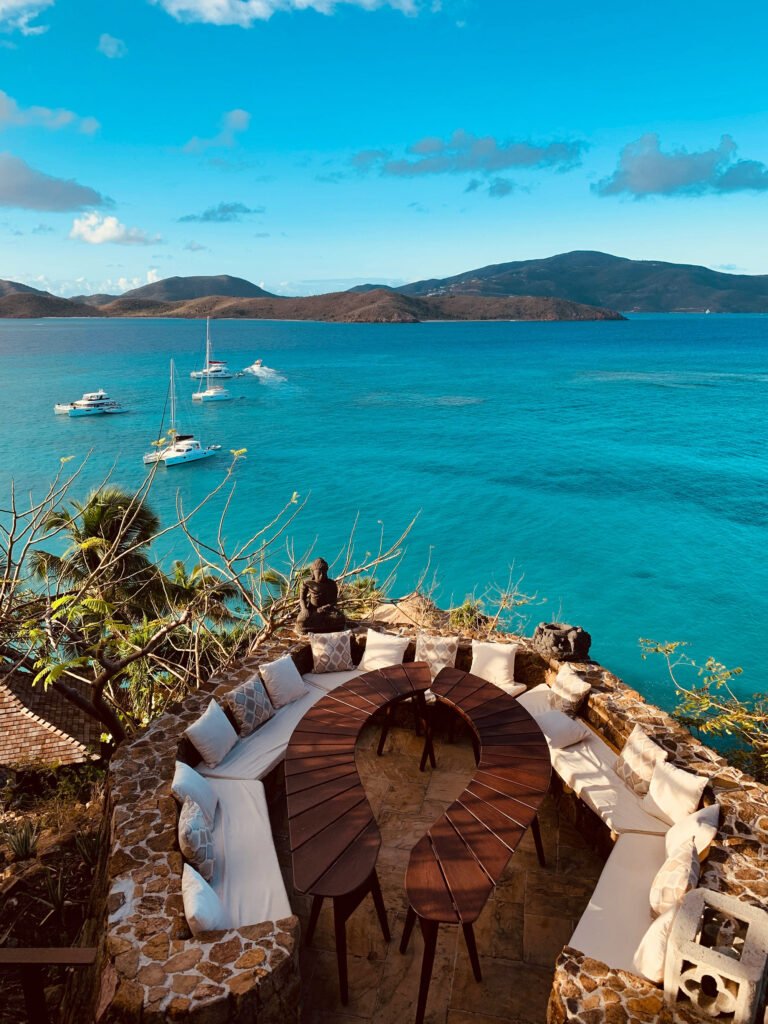
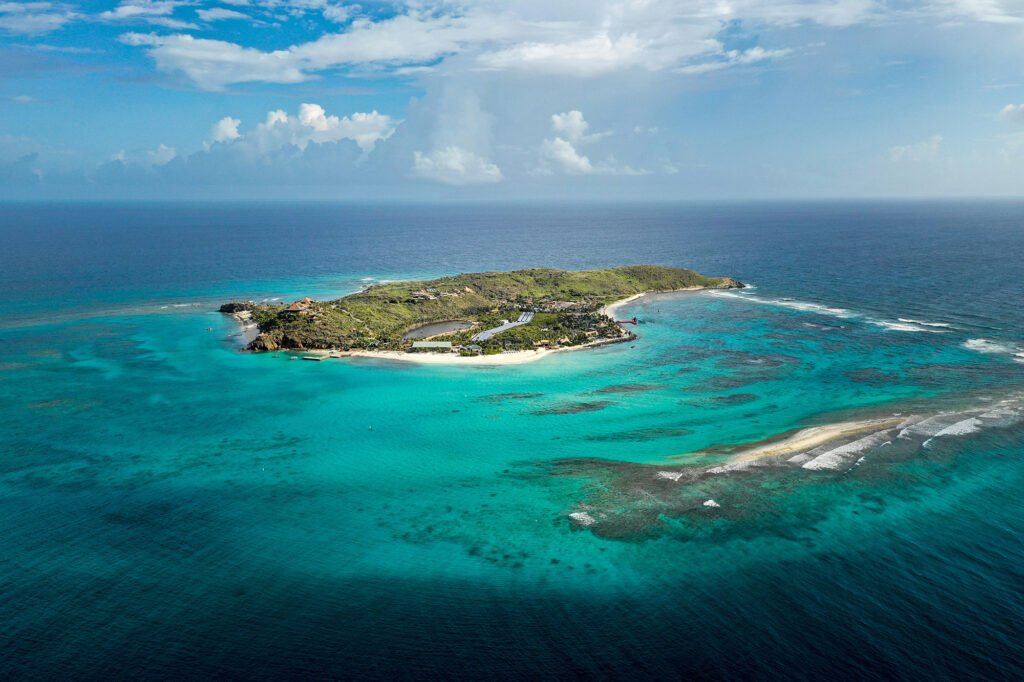
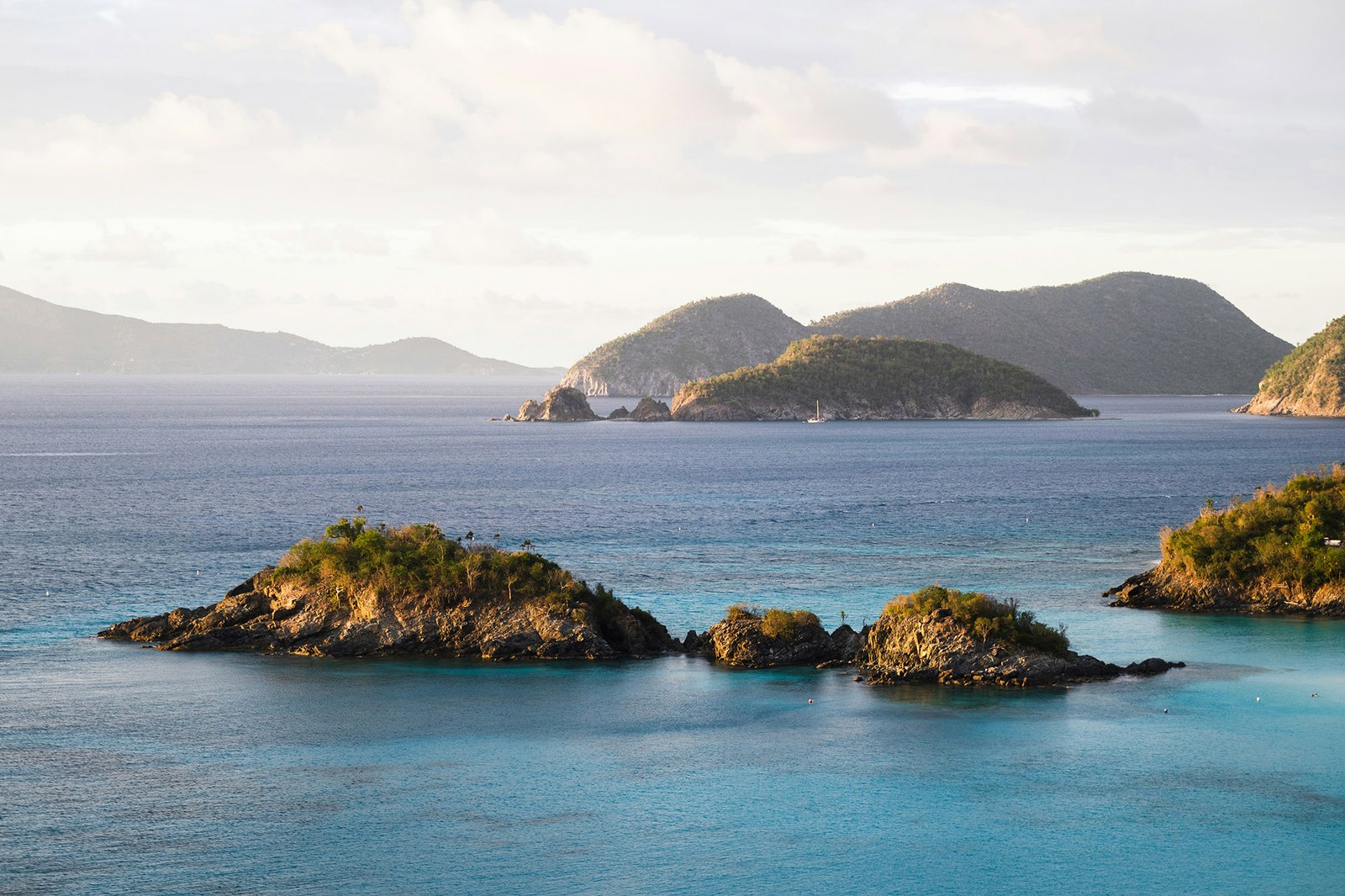
Gorda Sound
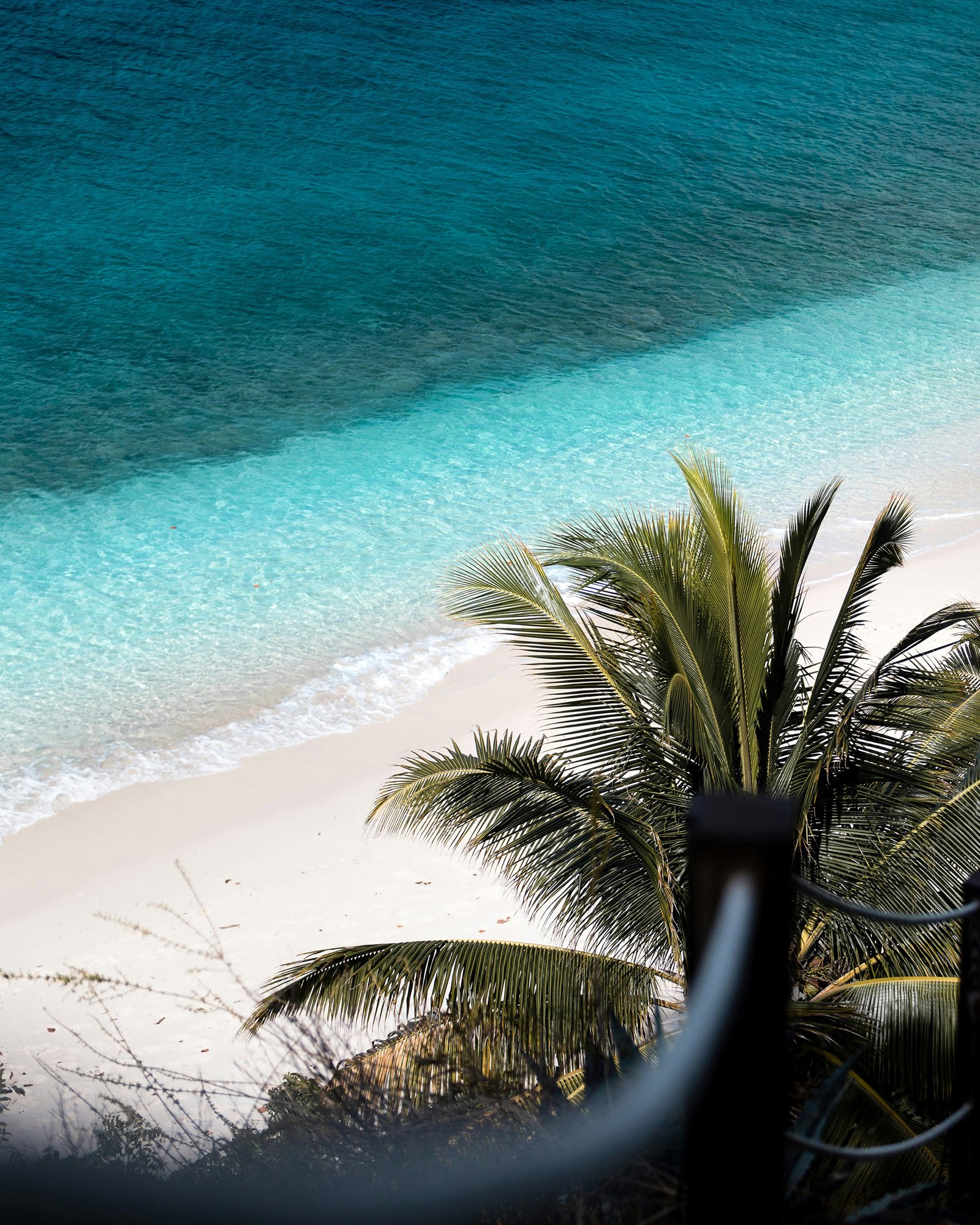
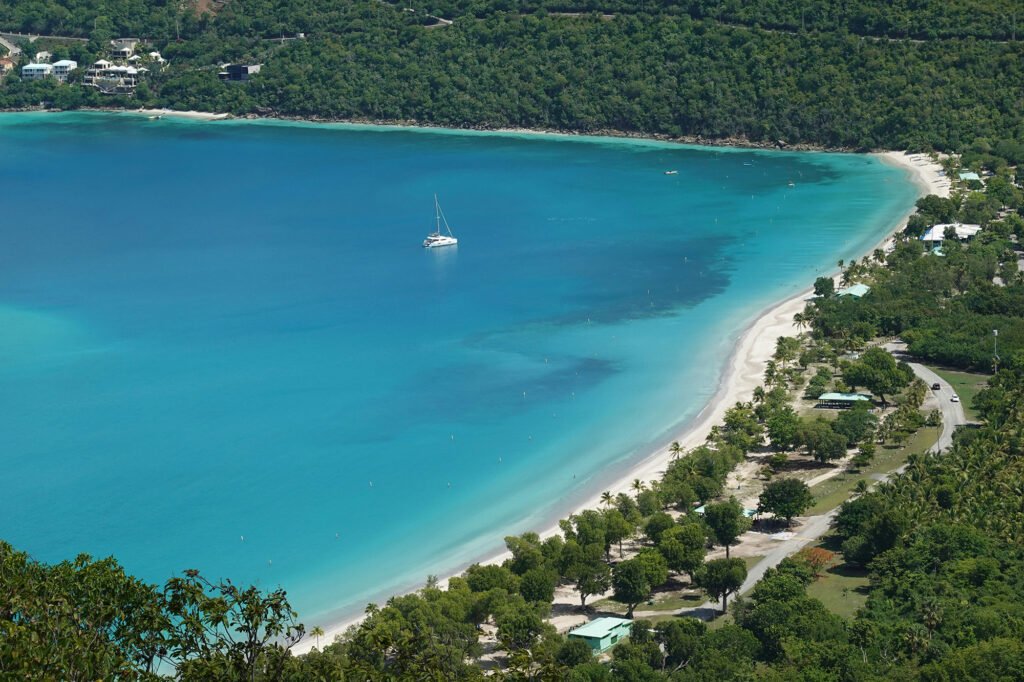
Savannah Bay
Mahoe Bay
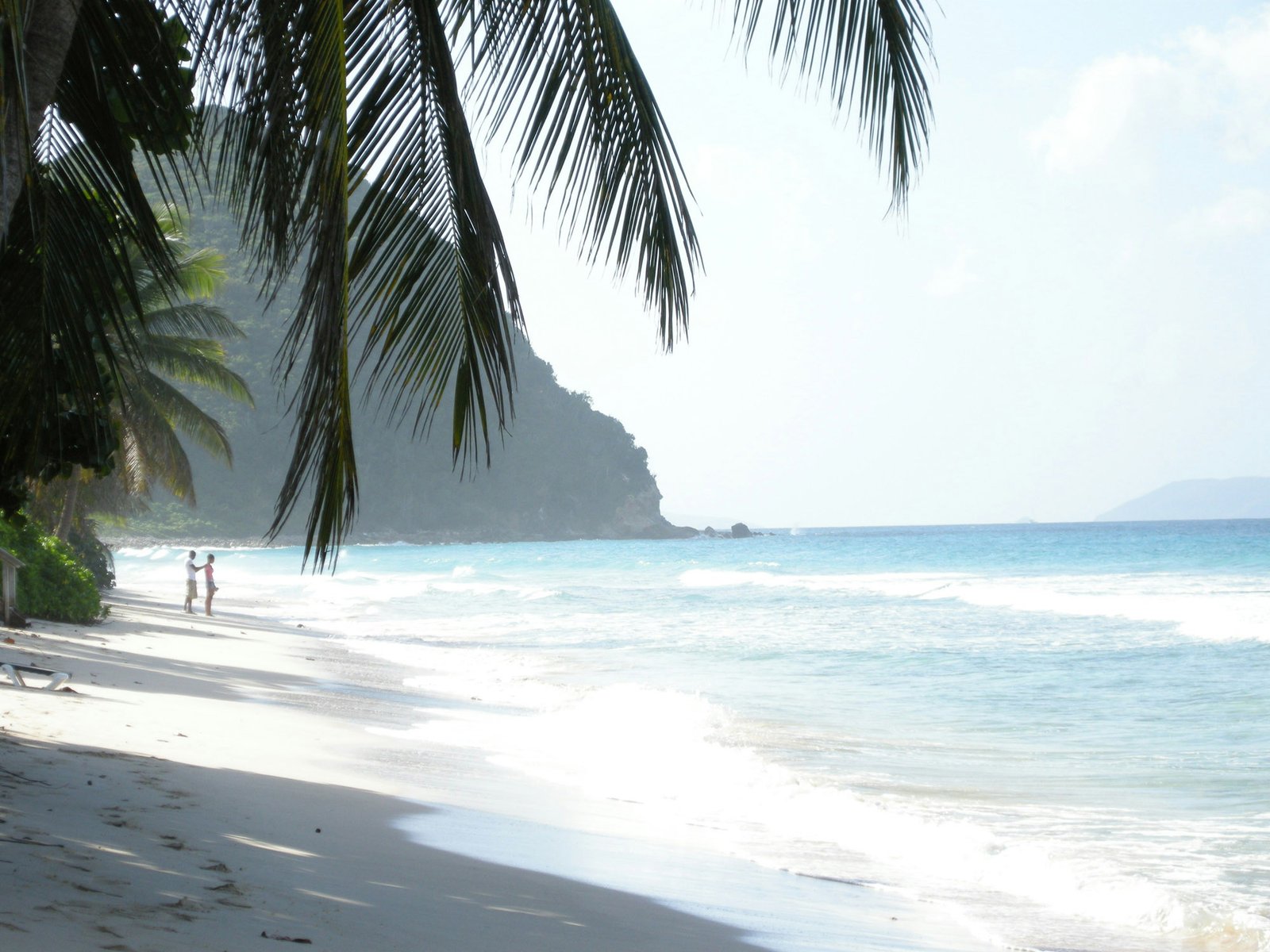
Spring Bay
Leverick Bay
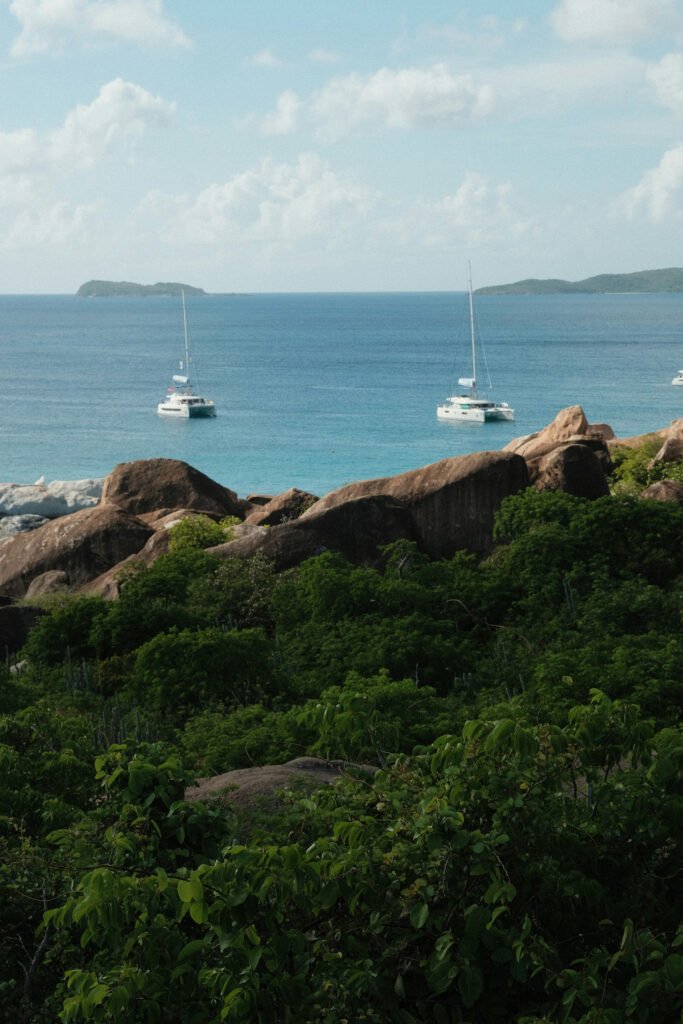
Boulder-hop the trail from The Baths through Devil’s Bay National Park
Snorkel Spring Bay’s calm granite pools
Hike the rainforest trail to Gorda Peak’s summit
Dine at Saba Rock in North Sound
Paddleboard the sheltered shallows of Savannah Bay
Gorda Peak National Park
Devil’s Bay National Park
Leverick Bay
Bitter End Yacht Club
Nail Bay
December through April brings the calmest seas and the busiest crowds at The Baths, which is quietest for photographs in the early morning before day-tripper boats arrive from Tortola. May through November is considerably quieter across the island, though hurricane season runs June through November. Gorda Sound, sheltered on the island’s northeast side, tends to stay calmer than the more exposed southern anchorages regardless of the time of year.
Yes. Virgin Gorda Airport, near Spanish Town, receives small inter-island flights from Tortola and other nearby islands, though most guests still arrive by boat. Ferries connect Spanish Town and Gorda Sound’s North Sound to both Road Town, Tortola, and Charlotte Amalie, St Thomas, and many charter guests simply sail over from Tortola, a crossing of roughly two to three hours depending on the route and conditions.
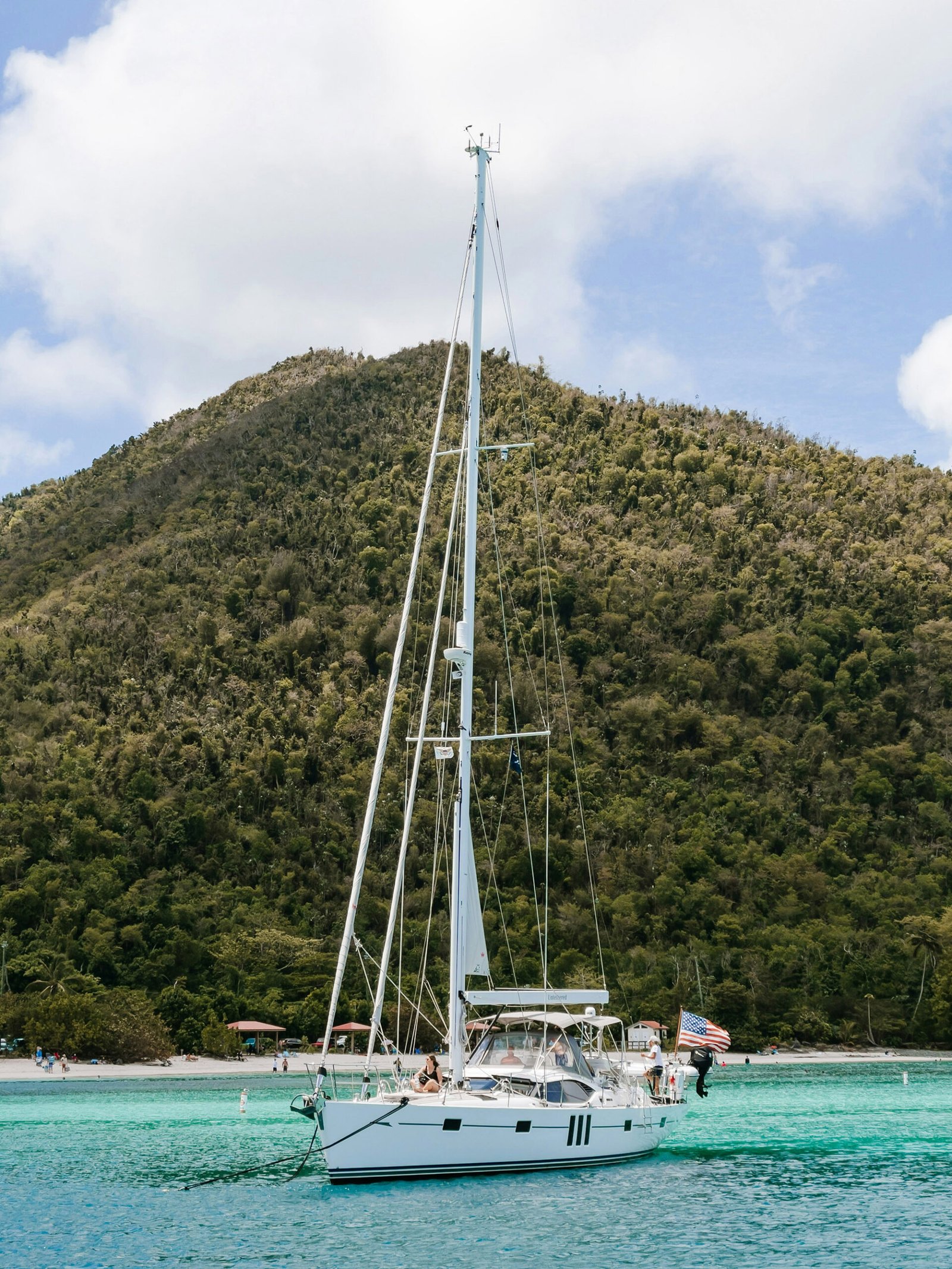
Gorda Sound, on the island’s northeast side, is the most sheltered anchorage and puts guests close to Bitter End Yacht Club and Saba Rock for dinner ashore. Savannah Bay and Mahoe Bay, on the west coast, suit a calmer daytime stop for swimming, while Spring Bay, just north of The Baths, offers a quieter alternative to anchoring directly off the main trail entrance during peak visiting hours.
Two nights let guests see both sides of the island without rushing: an afternoon at The Baths and Devil’s Bay, then a night in Gorda Sound for dinner at Saba Rock or Bitter End. A third day allows time to hike Gorda Peak or swim at the quieter Savannah and Mahoe Bays. Virgin Gorda pairs naturally with Tortola, Anegada or the smaller out-islands on a wider British Virgin Islands itinerary.
The Copper Mine ruins, on the island’s southeast tip, are the remains of a mining operation built in 1837, when thirty-six Cornish miners worked alongside around a hundred and forty local labourers extracting ore before it was abandoned in 1862. The stone engine house and chimney stack, now a protected National Parks Trust site, are a striking, little-visited contrast to The Baths’ granite boulders on the opposite side of the island, and a rare trace of Virgin Gorda’s industrial past.

Tell us what you would like to know, and our team will respond with clear details on availability, specification, pricing and next steps.