Virgin Islands / British Virgin Islands
10 Guests
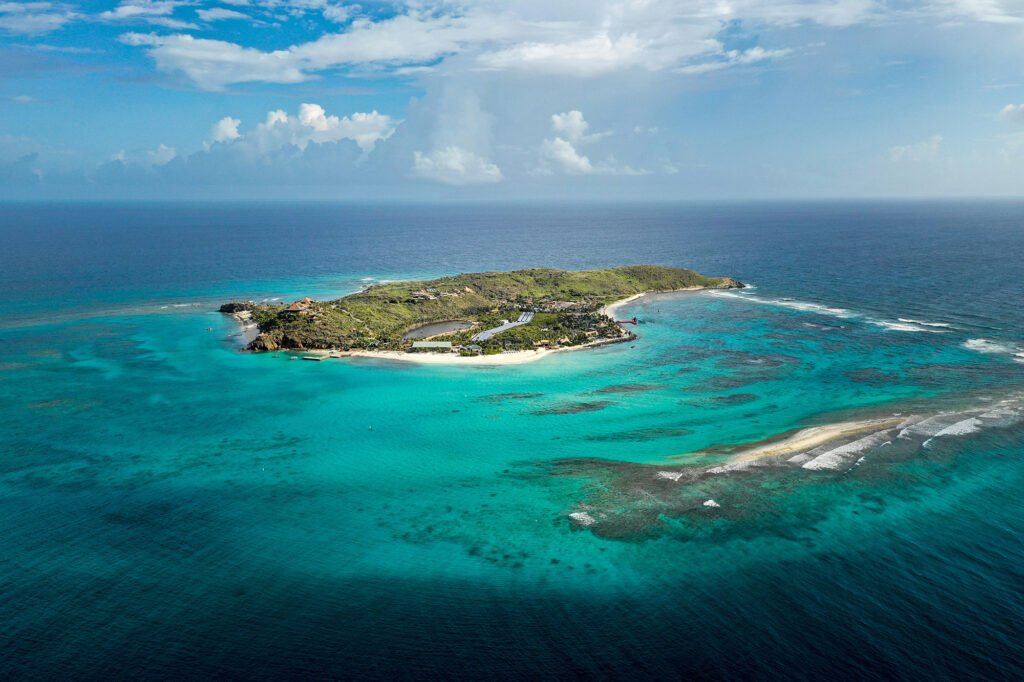
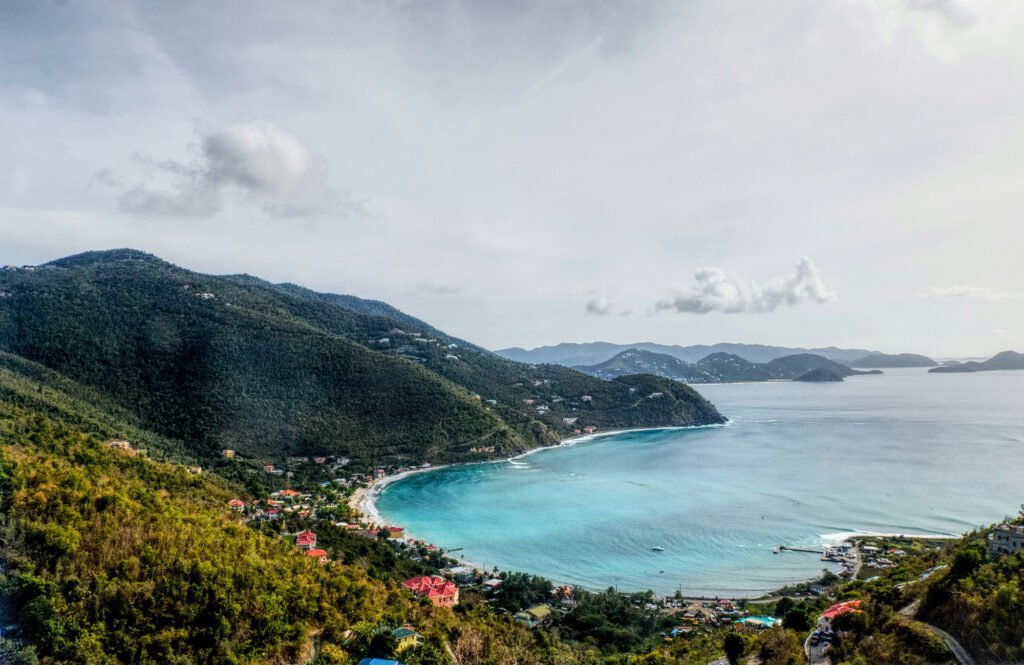
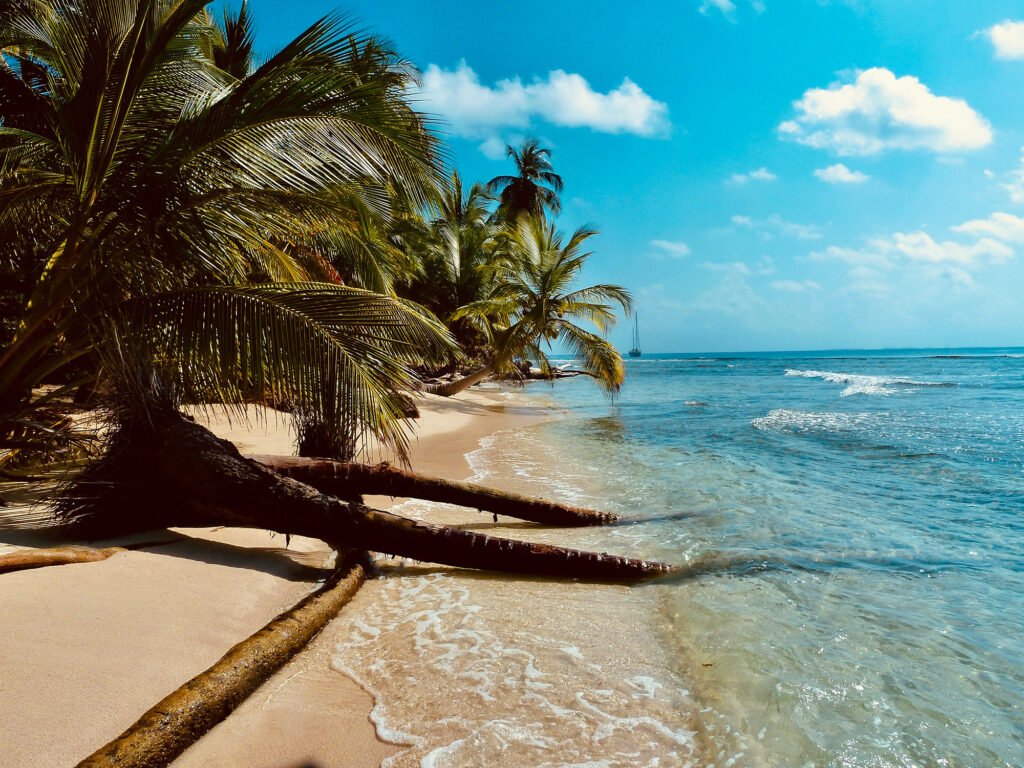
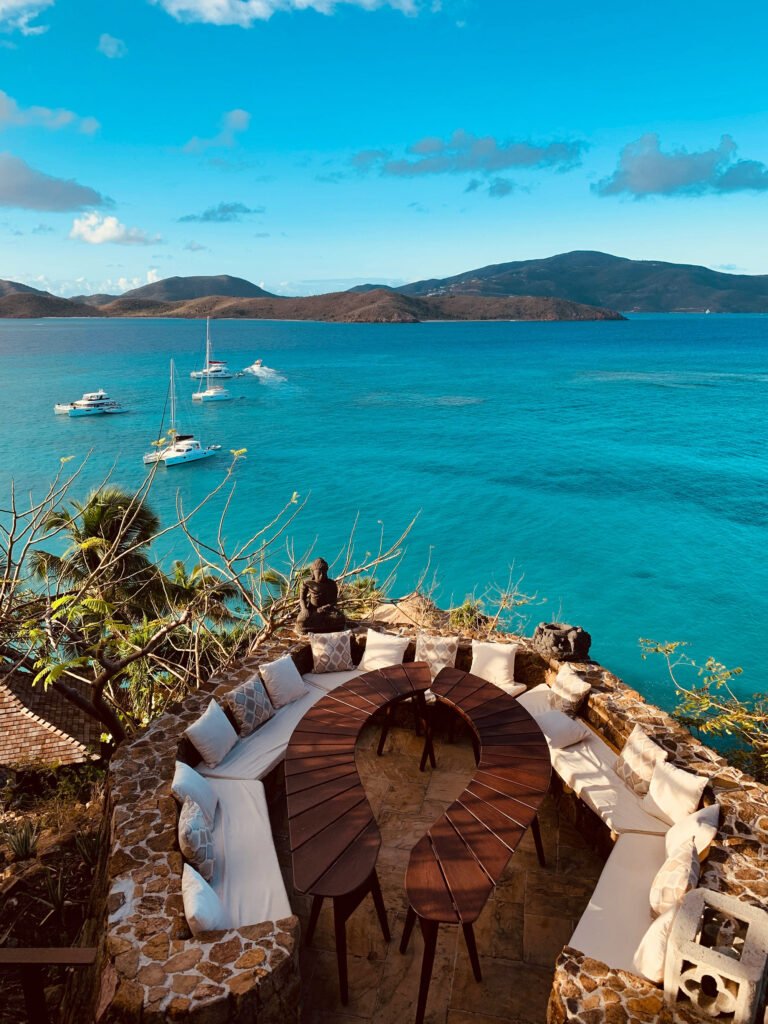
The Baths, Virgin Gorda
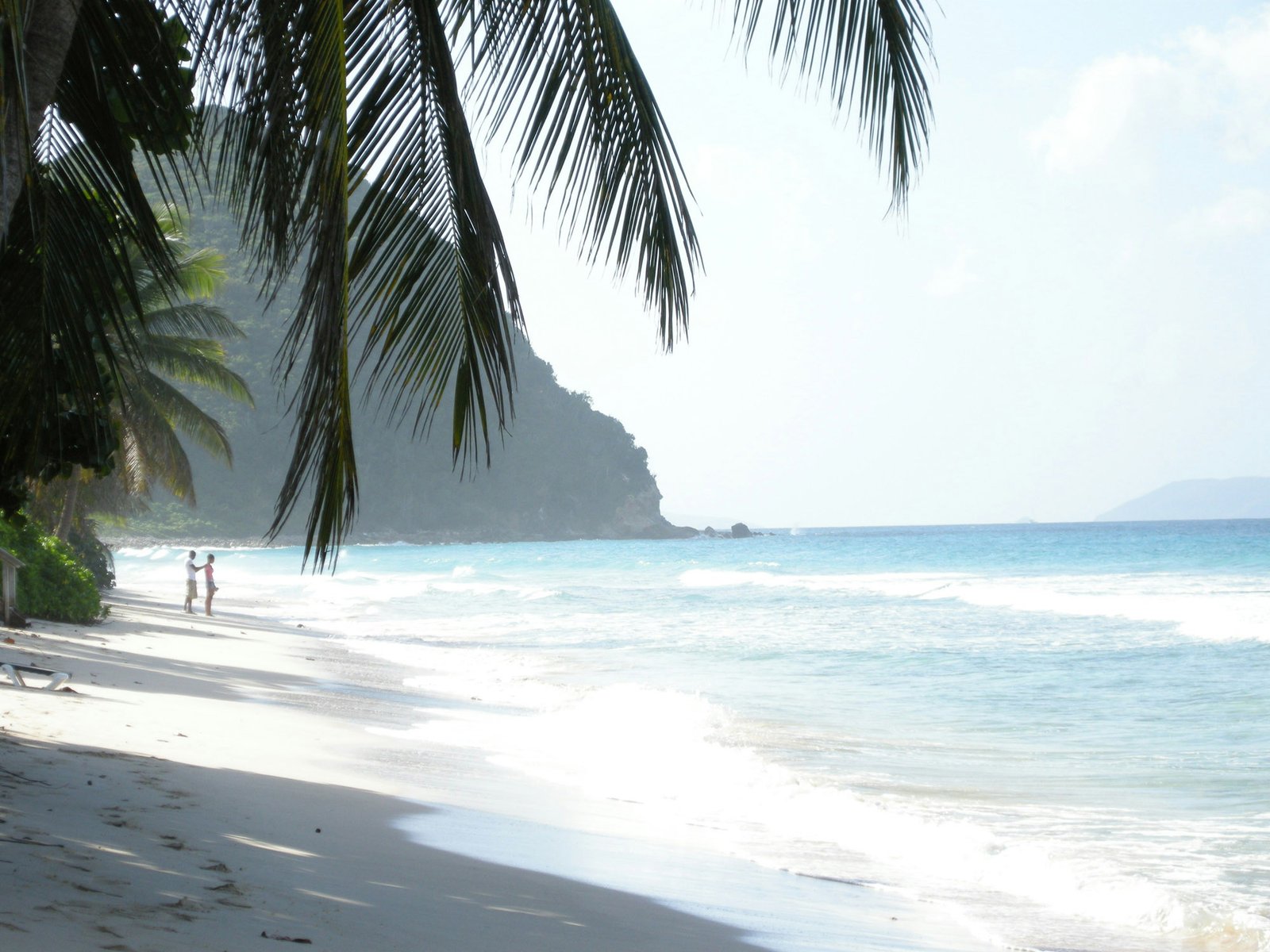
Cane Garden Bay, Tortola
Great Harbour, Jost Van Dyke
The Bight, Norman Island
Setting Point, Anegada
Sip a Painkiller at the Soggy Dollar Bar, Jost Van Dyke
Snorkel The Indians dive site off Norman Island
Dive the wreck of the RMS Rhone, Salt Island
Hike Sage Mountain National Park, Tortola
Visit the floating bar the Willy T, Norman Island
Spanish Town, Virgin Gorda
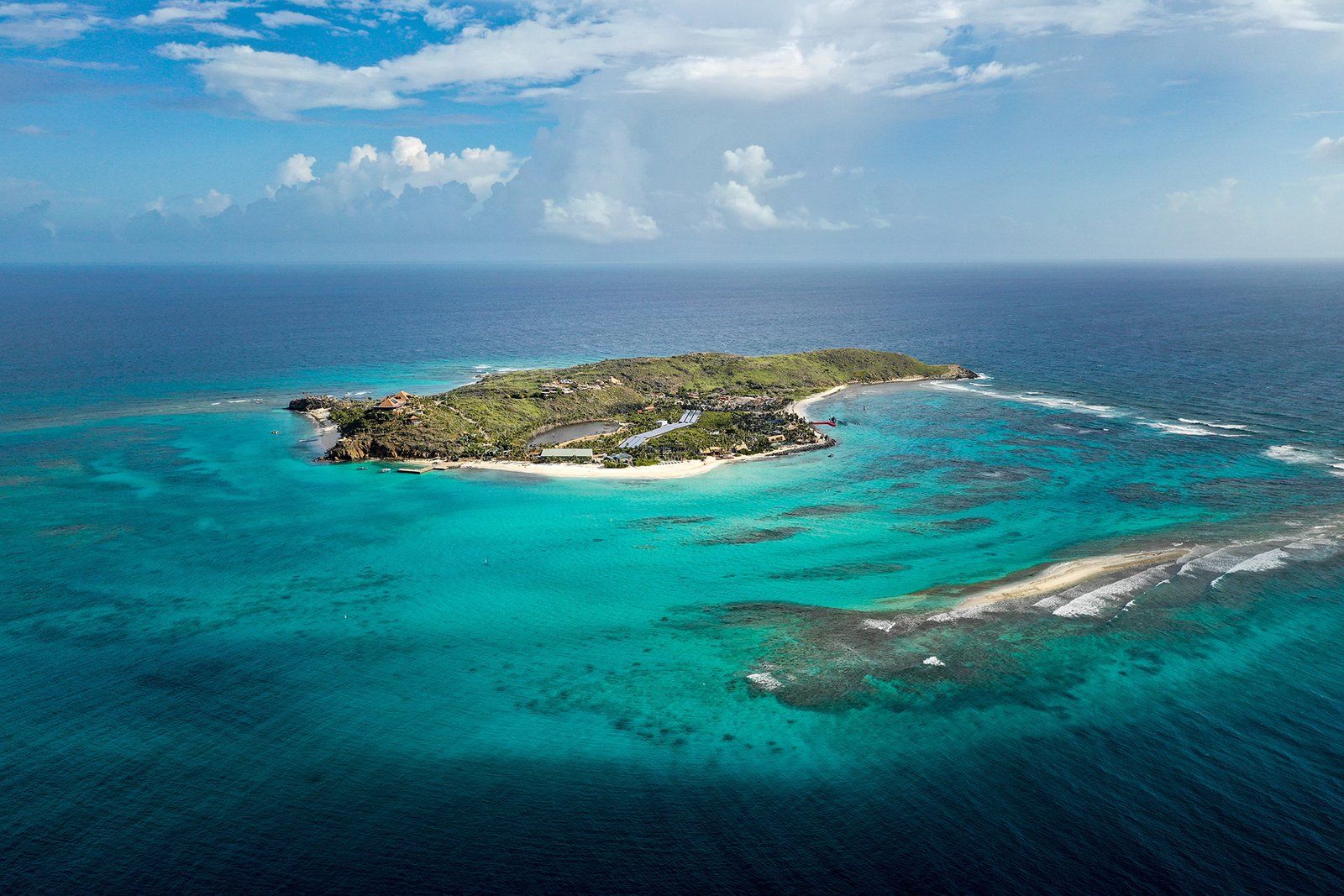
Anegada
Norman Island
Jost Van Dyke
Salt Island
The trade winds are most consistent from December through April, the same dry season that draws the bulk of Caribbean charter traffic, so book well ahead if travelling over Christmas or Easter. May, June and November offer calmer waters and lower rates with only a slightly higher chance of rain, while the peak of hurricane season, August and September, sees most charter operators reduce their BVI fleets or reposition boats elsewhere.
Most guests fly into Terrance B. Lettsome International Airport (EIS) on Beef Island, connected to Tortola by a short bridge and only a few minutes from the main charter bases in Road Town. There is no direct long-haul service, so most itineraries connect through San Juan, St Thomas or Antigua. An alternative is flying into St Thomas and taking a ferry or private boat transfer across to Tortola, which some crewed charters arrange directly.
Beyond The Baths, most charter itineraries build around a loop through Cane Garden Bay, Jost Van Dyke, Norman Island and either Virgin Gorda’s North Sound or Anegada, depending on how many days are available. The short, line-of-sight passages between them, most under ten nautical miles, mean guests can move almost every day without a long stretch at sea, leaving plenty of time to swim, snorkel or go ashore at each stop.
Five to seven days covers the classic loop comfortably, with a night or two at anchor and a night on a mooring near a beach bar. Ten days allows a run out to Anegada, which most one-week itineraries skip because of the extra distance and the reef navigation involved, plus more time to linger at quieter spots like Cooper Island or Peter Island rather than rushing between the best-known anchorages.
Yes, it’s considered one of the best wreck dives in the Caribbean. The Royal Mail steamship sank off Salt Island on 29 October 1867 after a hurricane caught her mid-escape, splitting the hull and claiming 123 lives. The wreck now spans from six metres at the stern, shallow enough for snorkellers, to twenty seven metres at the bow, and its atmospheric interior was used as the main filming location for the 1977 film The Deep.

Tell us what you would like to know, and our team will respond with clear details on availability, specification, pricing and next steps.