Virgin Islands / US Virgin Islands
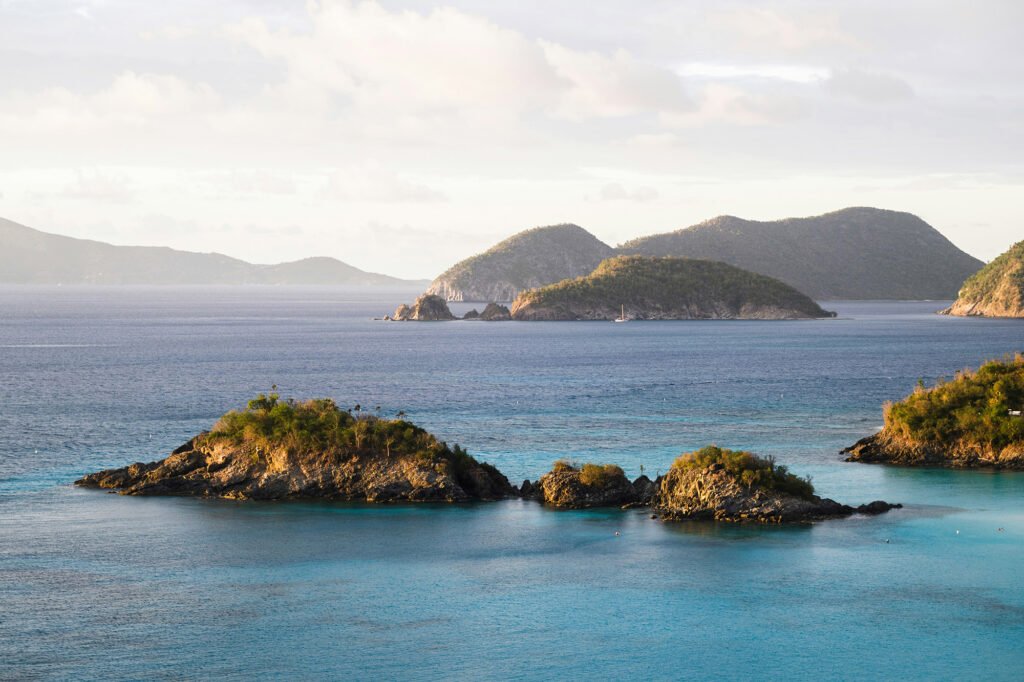
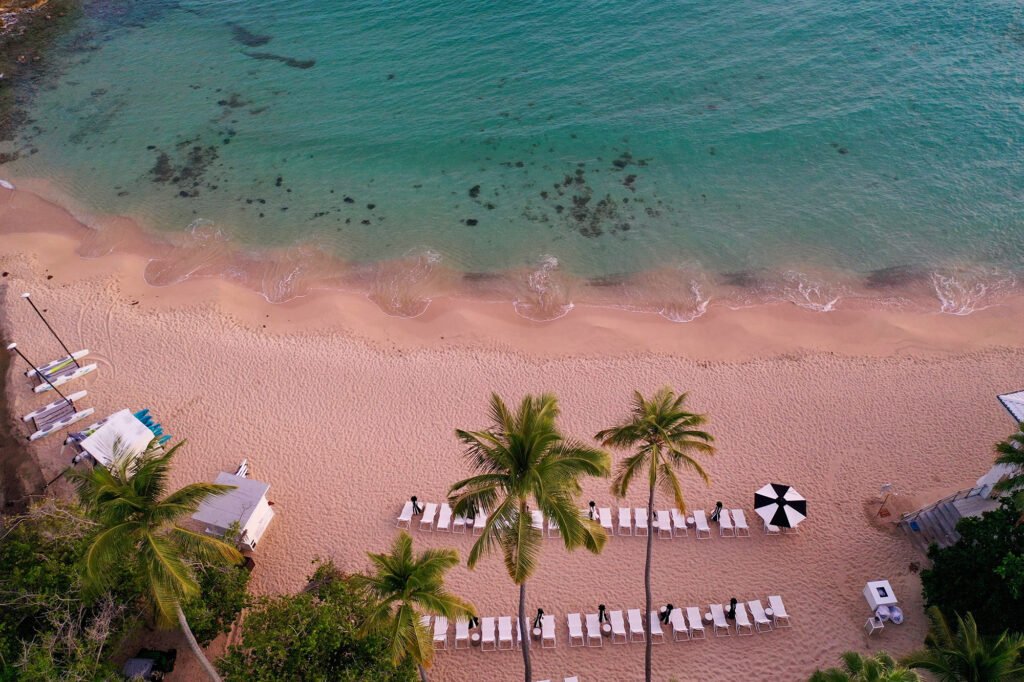
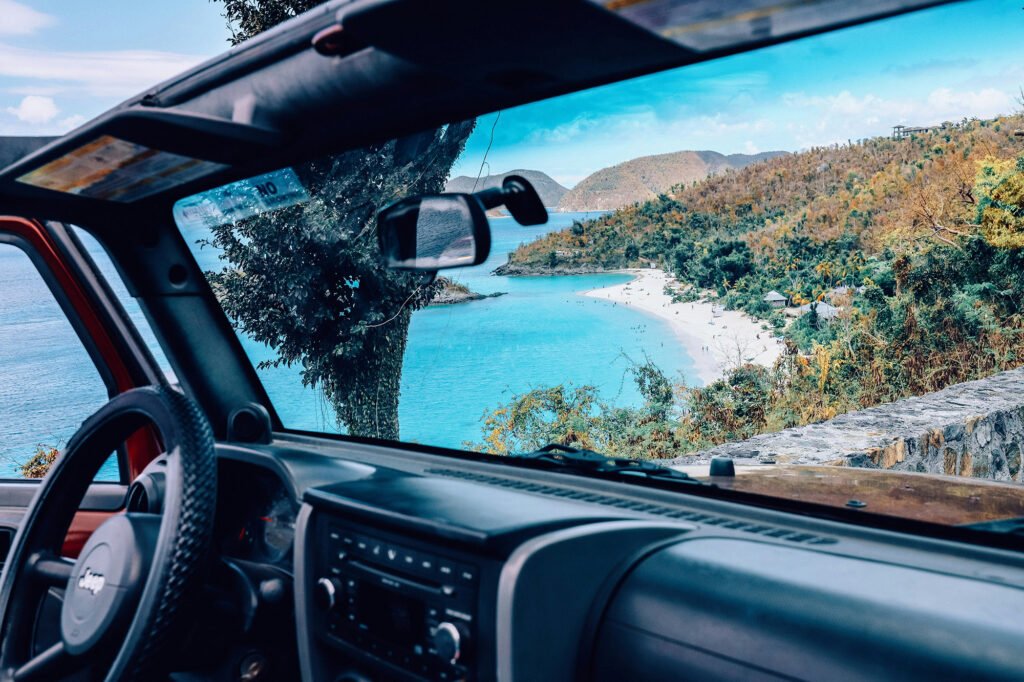
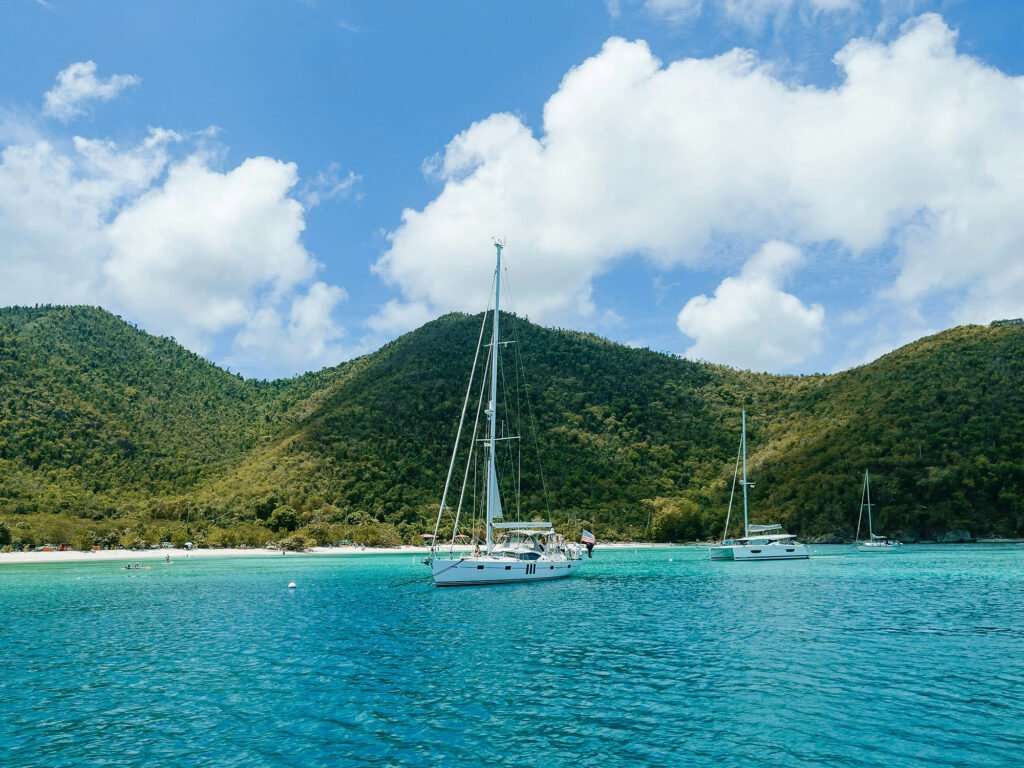
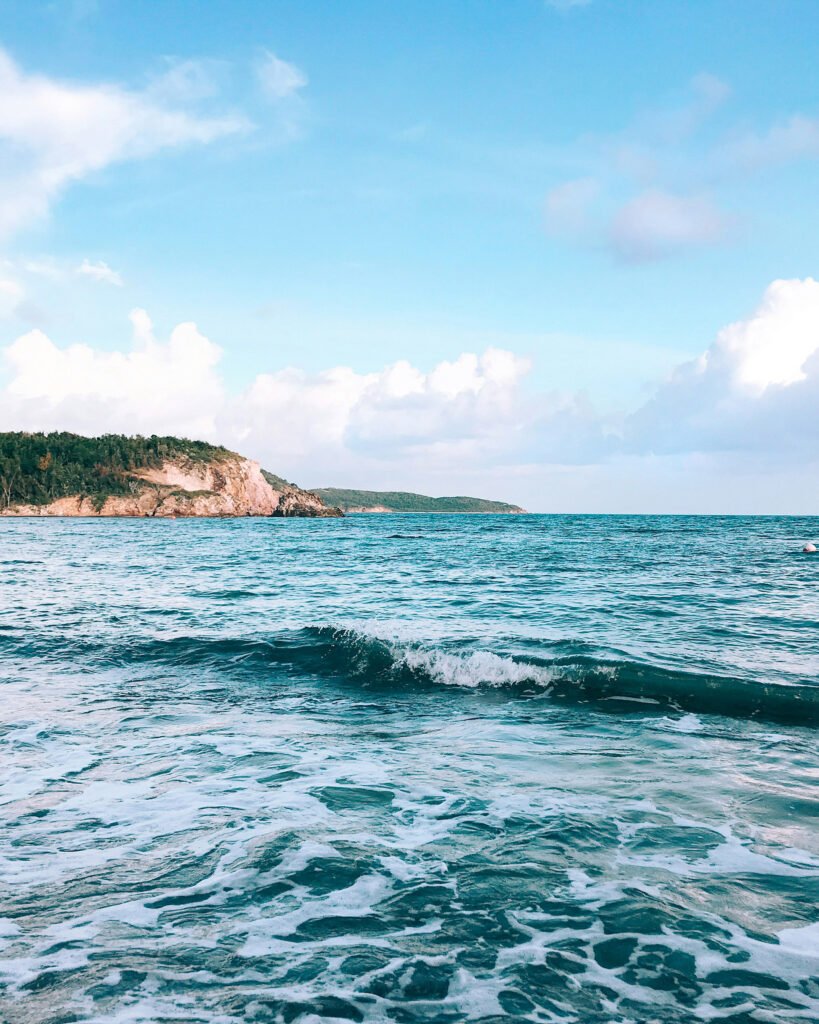
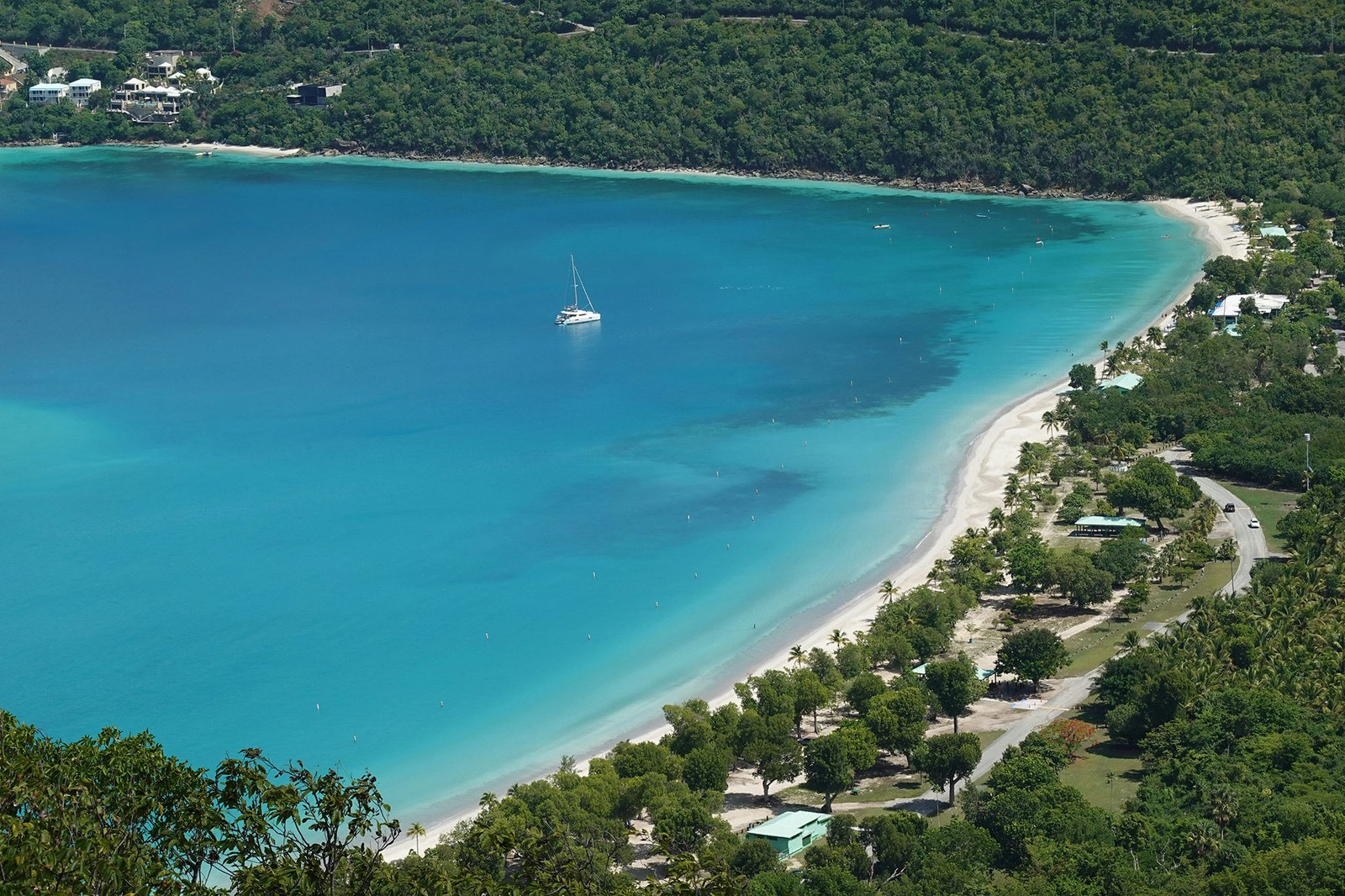
Trunk Bay, St John
Salt Pond Bay, St John
Christmas Cove, Great St James
Honeymoon Beach, St John
Buck Island, St Croix
Hike the Reef Bay Trail to its Taino petroglyphs, St John
Snorkel the underwater trail at Buck Island Reef National Monument, St Croix
Tour the Cruzan Rum Distillery, St Croix
Explore Fort Christian, St Thomas’s oldest standing structure
Shop duty-free along Main Street, Charlotte Amalie
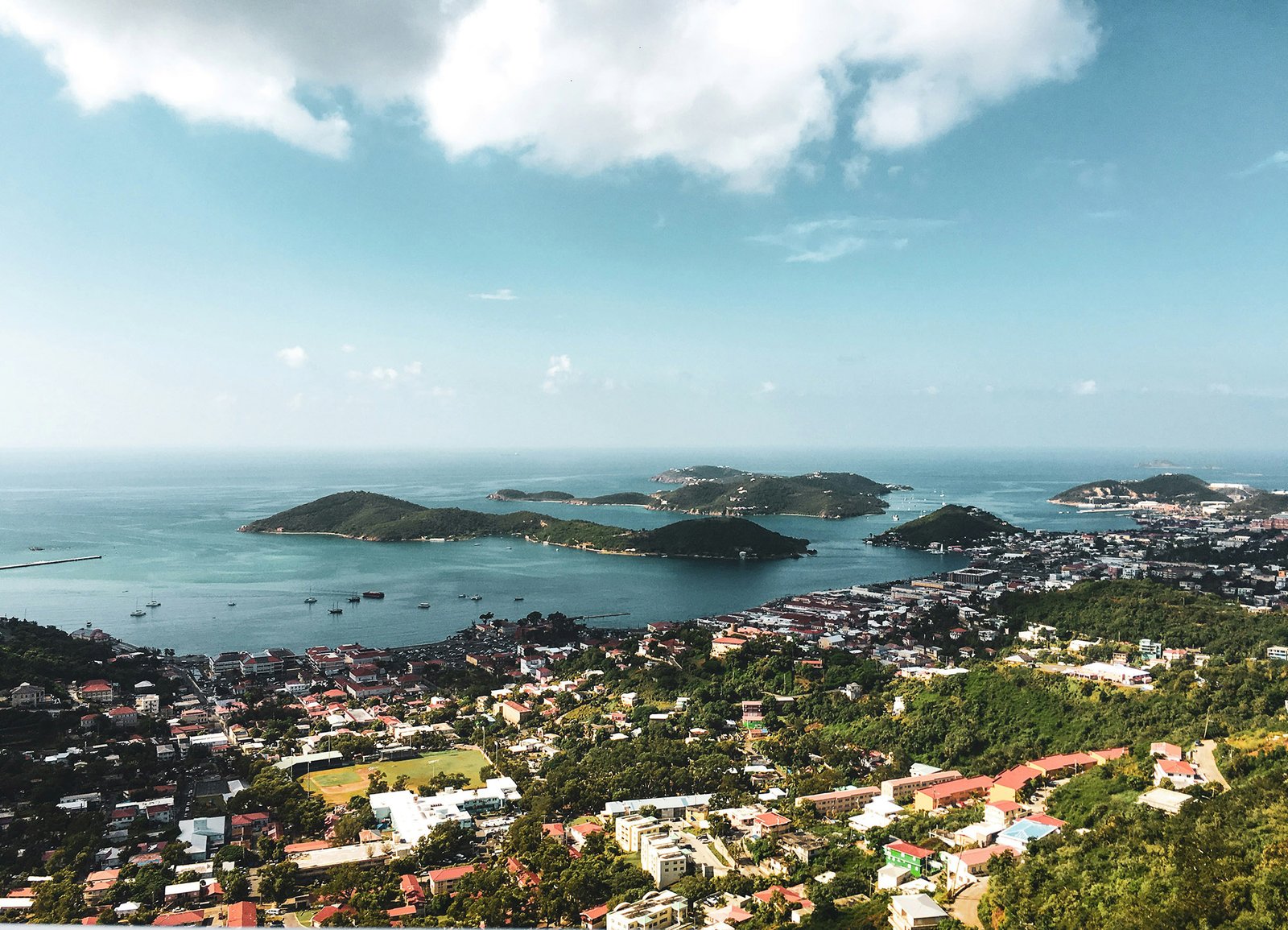
Charlotte Amalie
Cruz Bay, St John
Christiansted, St Croix
Frederiksted, St Croix
Coral Bay, St John
December through April is peak season, with dependable trade winds, minimal rain and warm, comfortable temperatures in the high twenties Celsius. The USVI sees slightly less rainfall on average than islands further south in the Caribbean, but hurricane season still runs from June through November, with the highest risk in August and September, so many charter guests favour December, January and the shoulder months either side of the summer.
Cyril E. King Airport (STT) on St Thomas is the main gateway for most charters, with direct flights from several US East Coast and Florida airports as well as convenient connections onward. St Croix has its own airport, Henry E. Rohlsen (STX), useful for charters that start or end there, while St John has no airport at all and is reached only by ferry or private boat from St Thomas.
Trunk Bay and Cinnamon Bay on St John are the postcard stops, though Salt Pond Bay and Reef Bay offer a quieter, more sheltered alternative close by. Off St Thomas, Christmas Cove at Great St James is a favourite for its calm water and good snorkelling, while St Croix, further south and less visited by charter traffic, adds Buck Island’s protected reef and the historic harbours at Christiansted and Frederiksted.
Four to five days comfortably covers St John and St Thomas together, including a full day at Trunk Bay and time to explore Charlotte Amalie’s shops and Fort Christian. Adding St Croix, forty nautical miles south across open water, is worth another two or three days given the crossing time, and suits guests who want a quieter, less charter-heavy island to finish the trip.
It’s a holdover from the islands’ Danish colonial past, when driving on the left was standard, and the practice simply never changed after the United States purchased the territory in 1917. Most cars are still American imports with the steering wheel on the left side of the vehicle, which makes overtaking a genuine two-person job. It rarely affects charter guests directly, but it’s worth knowing before renting a car for a day ashore.

Tell us what you would like to know, and our team will respond with clear details on availability, specification, pricing and next steps.