Bahamas / Long Island
Clarence Town Harbour
Thompson Bay
Salt Pond
Joe Sound Creek
Stella Maris Marina
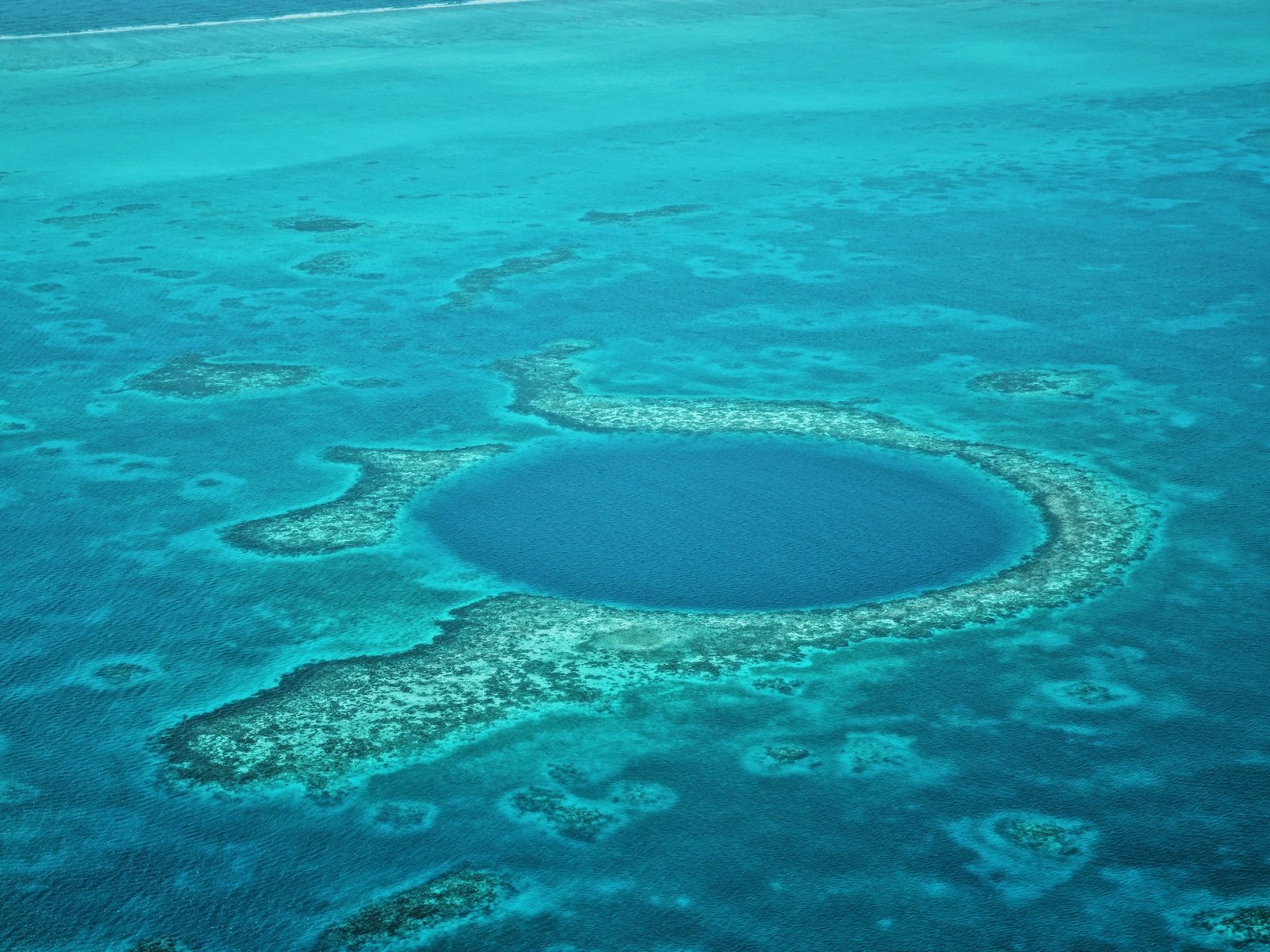
Freedive or snorkel Dean’s Blue Hole
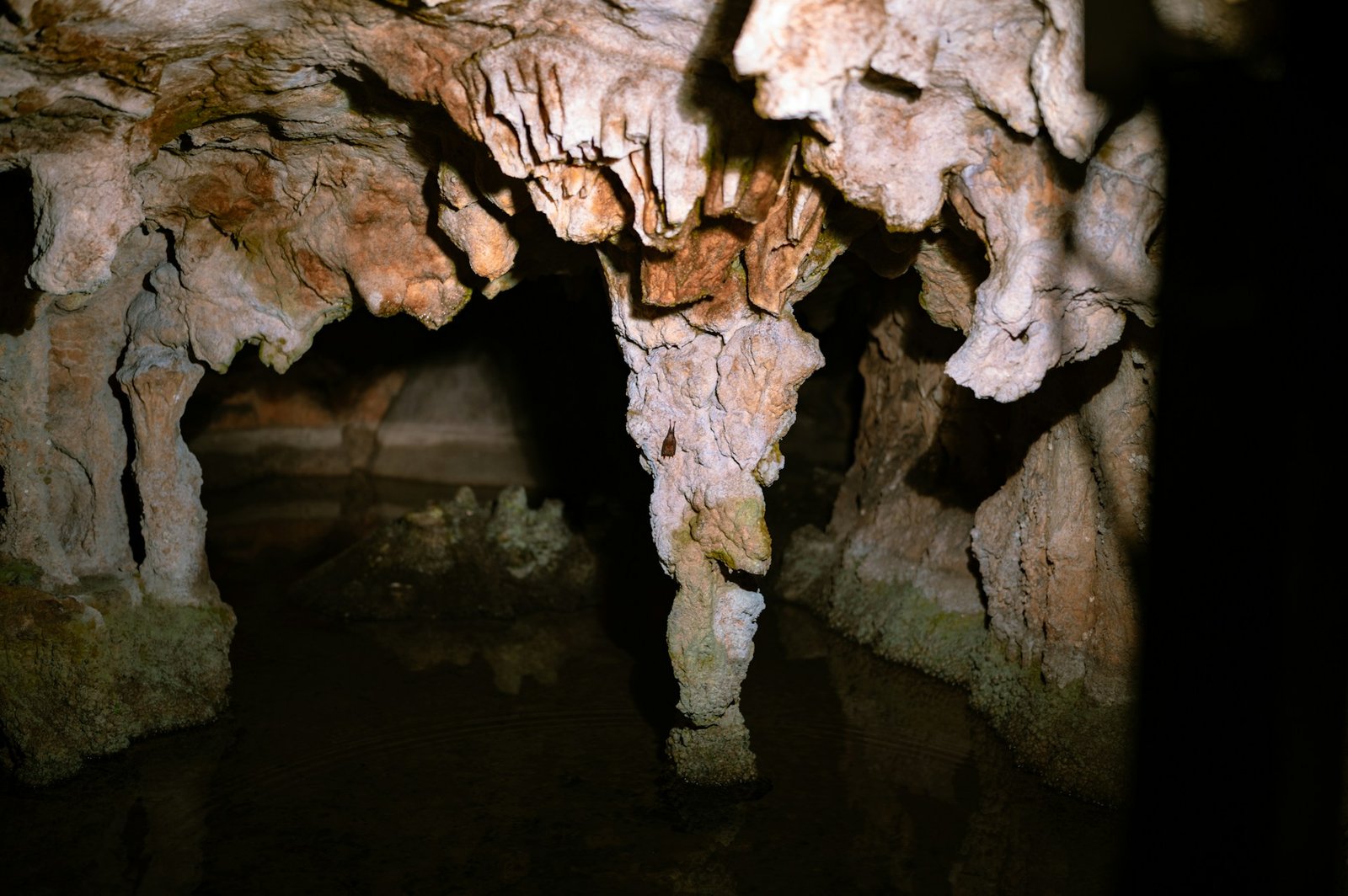
Explore Hamilton’s Cave
Visit the twin churches of Clarence Town
Swim at Cape Santa Maria Beach
Watch the Long Island Regatta at Salt Pond
Clarence Town
Stella Maris
Deadman’s Cay
Simms
Seymour’s
May through July usually brings the calmest sailing conditions before the Atlantic hurricane season builds through August and October. Early July also draws elite athletes to Clarence Town for the Vertical Blue freediving competition at Dean’s Blue Hole, worth timing a visit around rather than avoiding if the sport interests you. Outside that window, Long Island’s anchorages stay quiet even at the height of summer.
Long Island has two small airports: Stella Maris Airport in the north, which clears international customs, and Deadman’s Cay Airport further south, the island’s official port of entry. Both receive regular flights from Nassau, a journey of under an hour, along with occasional charter connections from South Florida. Many charter guests instead join their yacht already cruising the southern Out Islands, boarding from a nearby stop such as George Town or Rum Cay.
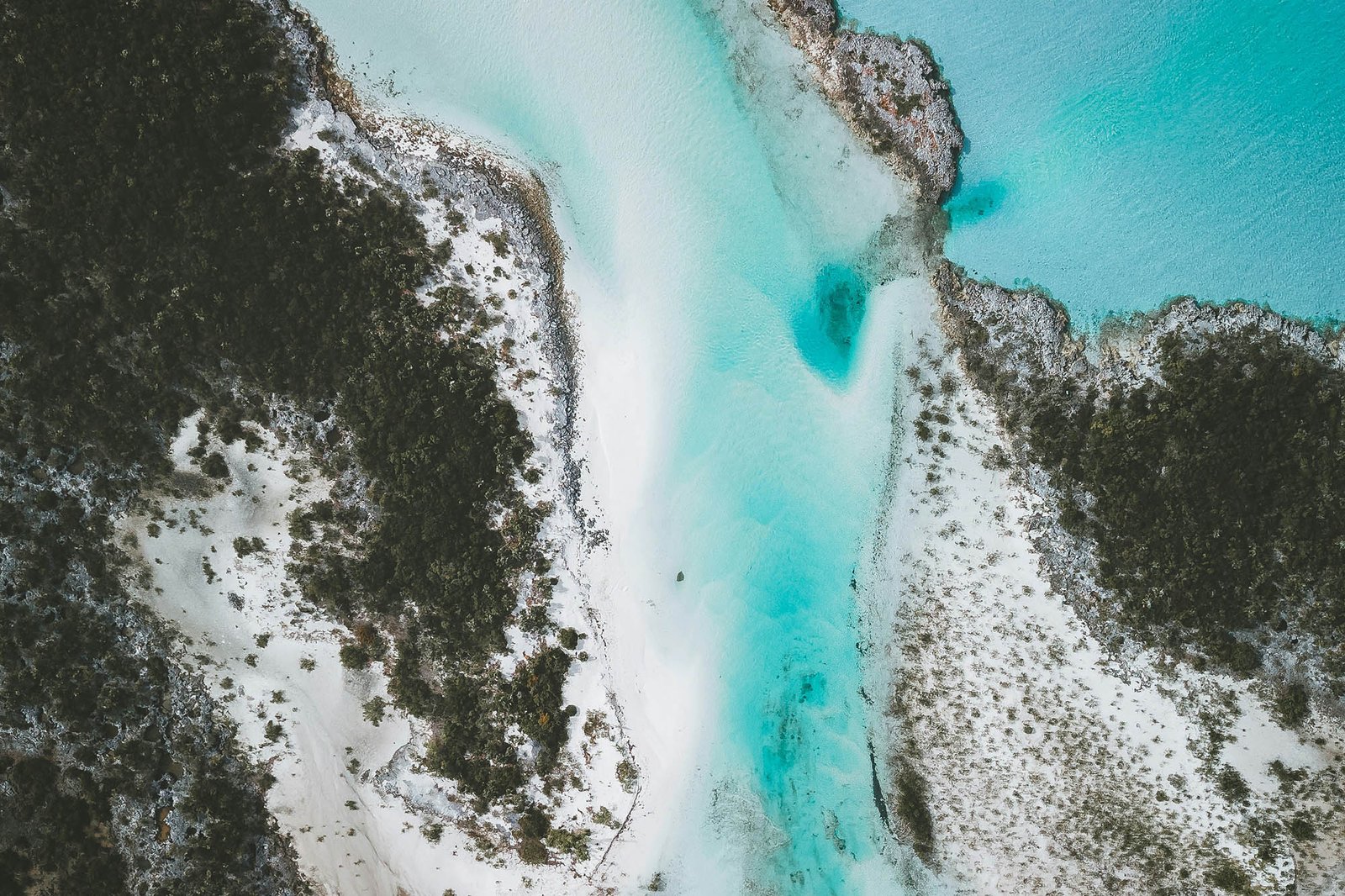
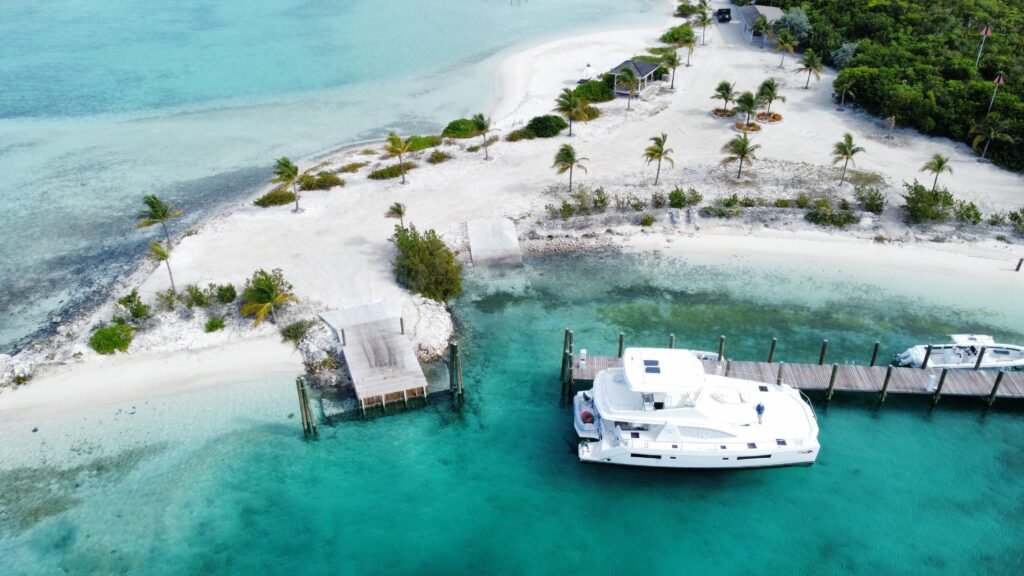
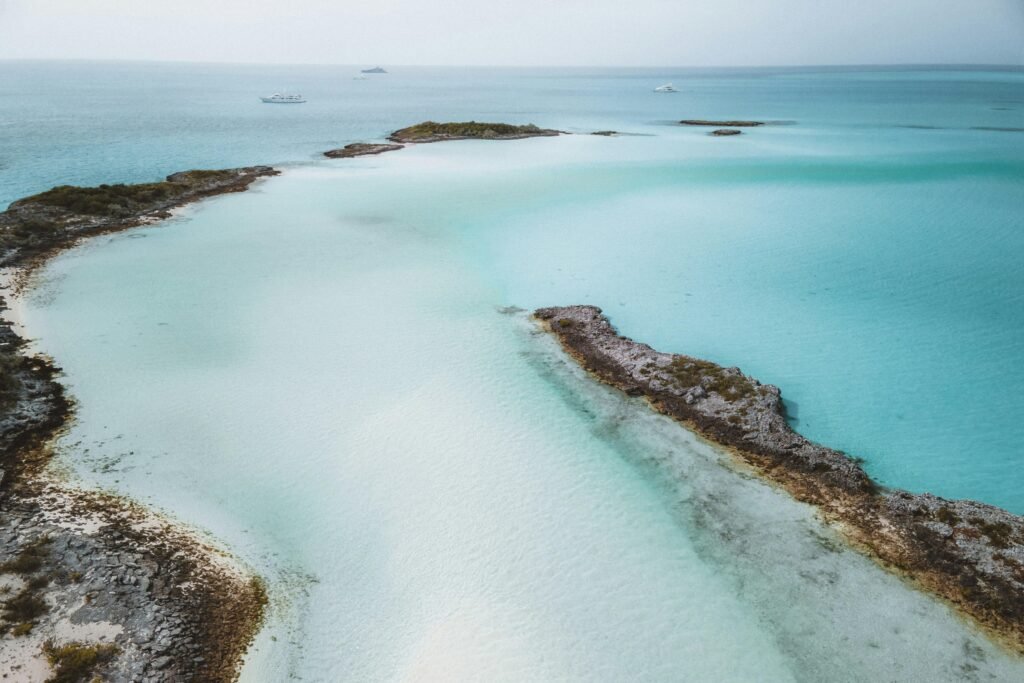
Thompson Bay and Salt Pond, both on the sheltered west coast, offer the most reliable holding and easy dinghy access to shore. Clarence Town’s harbour puts guests within walking distance of the twin churches and a taverna dinner, though it’s more exposed than the western anchorages. In a strong blow, Joe Sound Creek, a narrow tidal cut, provides one of the best natural hurricane holes anywhere on the island.
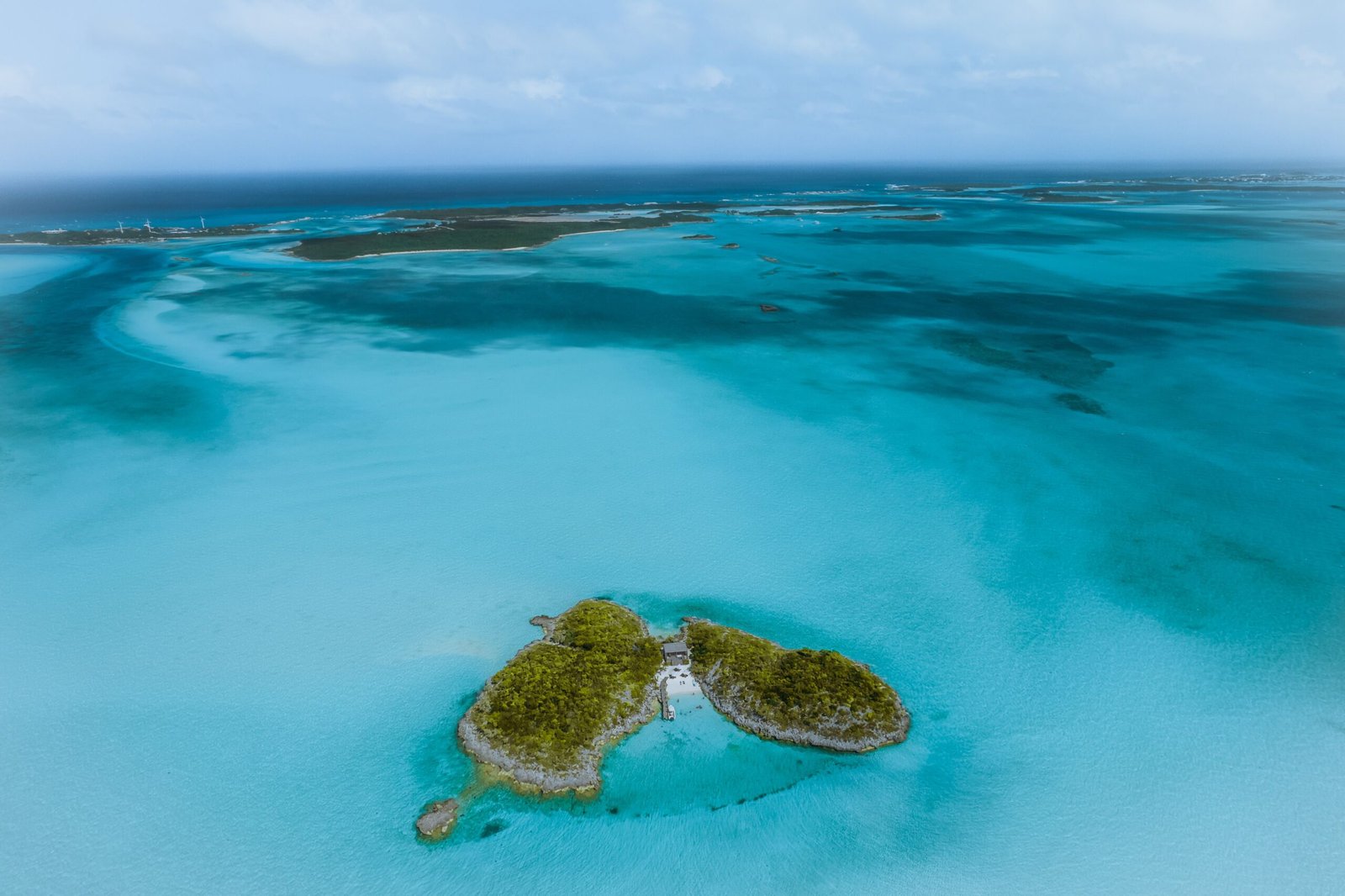
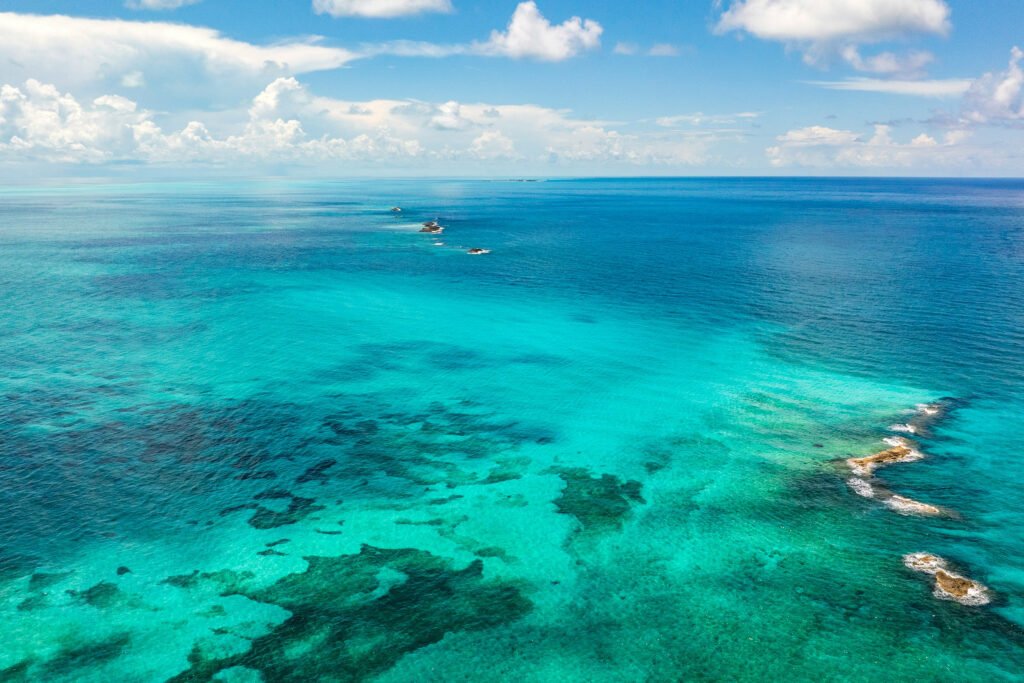
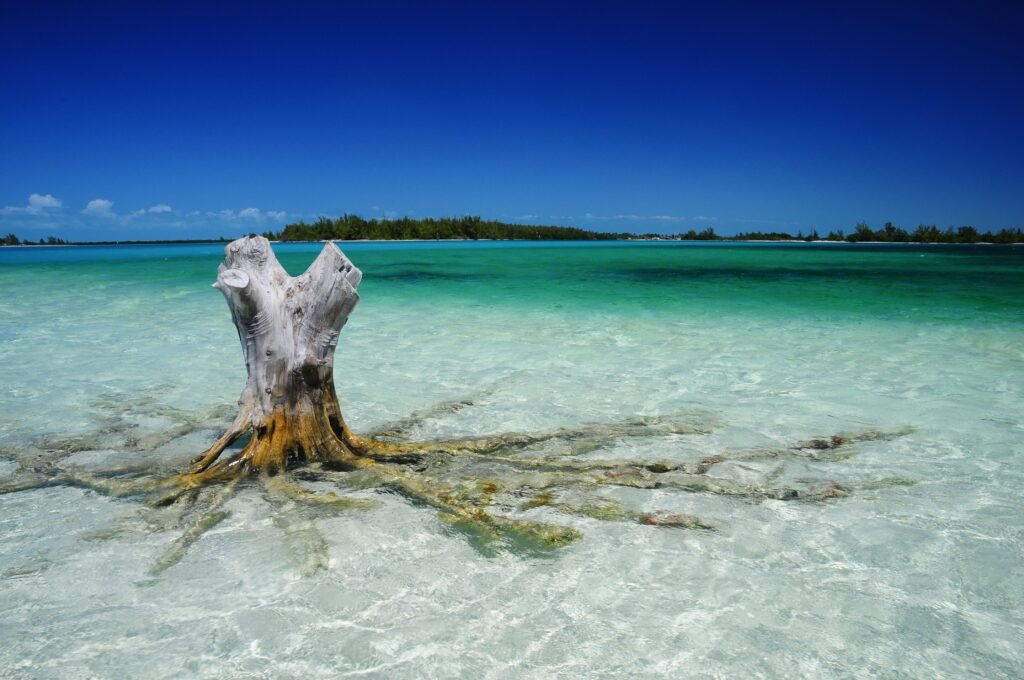
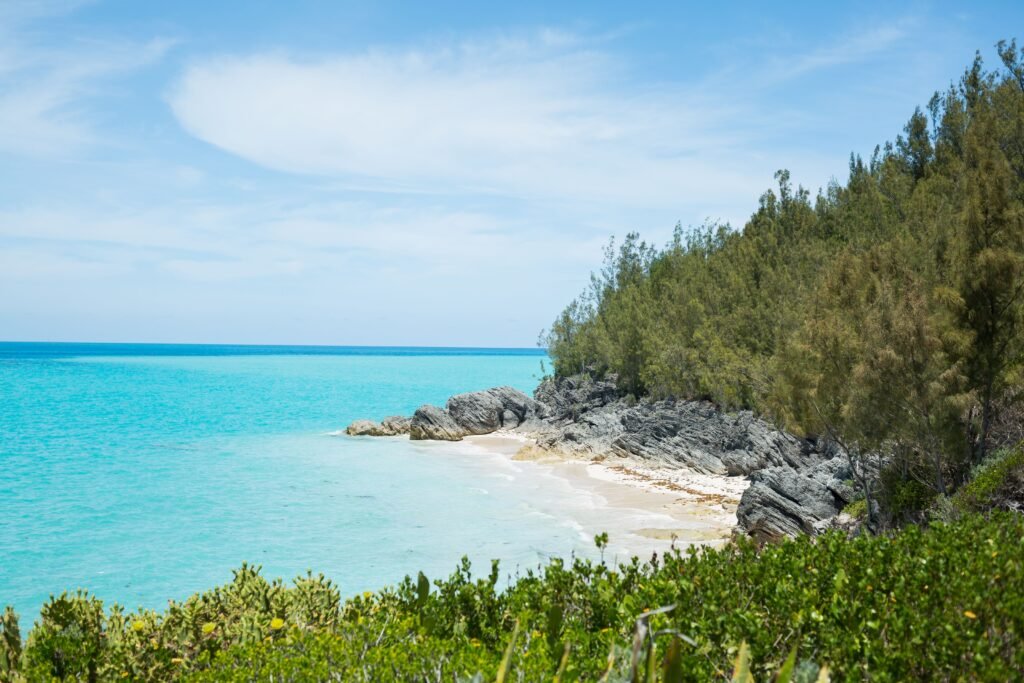
Two to three nights allow time to dive or view Dean’s Blue Hole, explore Hamilton’s Cave and enjoy both coasts, the calm turquoise shallows of the west and the dramatic Atlantic cliffs of the east. Long Island’s unusual length, some 130 kilometres north to south, rewards guests willing to move between anchorages rather than settling in just one spot. It combines naturally with George Town and the Exumas to the north or Crooked Island and Acklins to the south.
Yes, for casual swimming and snorkelling near the surface and the sunlit rim, where the water is calm, clear and well within recreational depths. The hole’s dramatic depth, 202 metres, is only relevant to trained freedivers attempting a serious descent, a pursuit that carries real risk and should never be attempted without proper training and safety divers on hand. Most visitors simply swim, float and take in the surrounding cliffs from the beach or shallow water.

Tell us what you would like to know, and our team will respond with clear details on availability, specification, pricing and next steps.