Croatia / Split
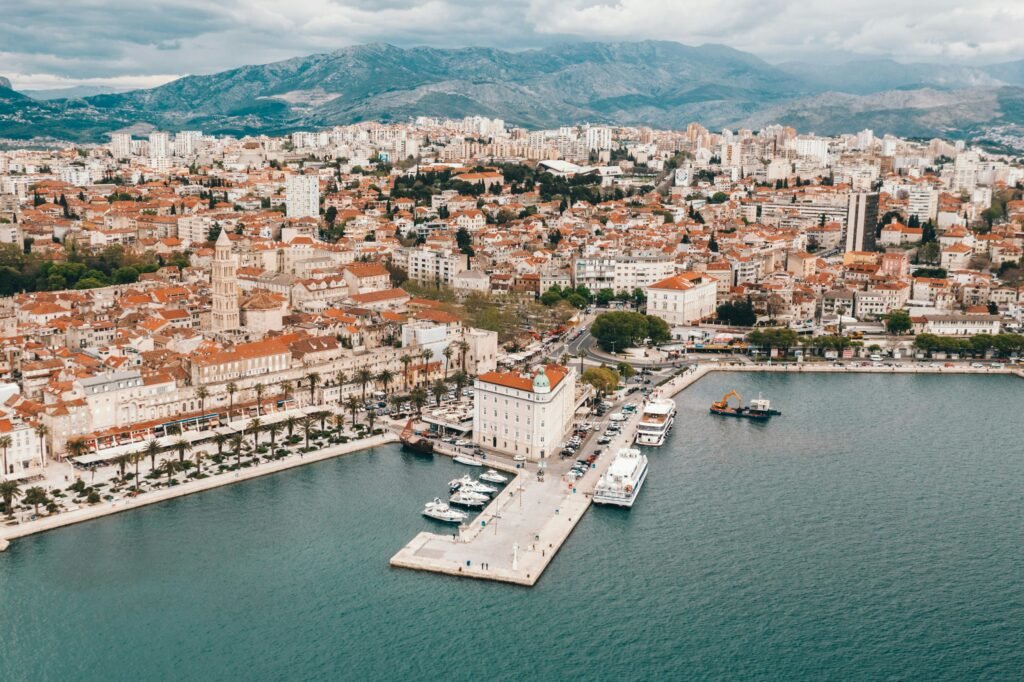
ACI Marina Split (Trstenik)
Kaštela Bay
Stobreč Marina
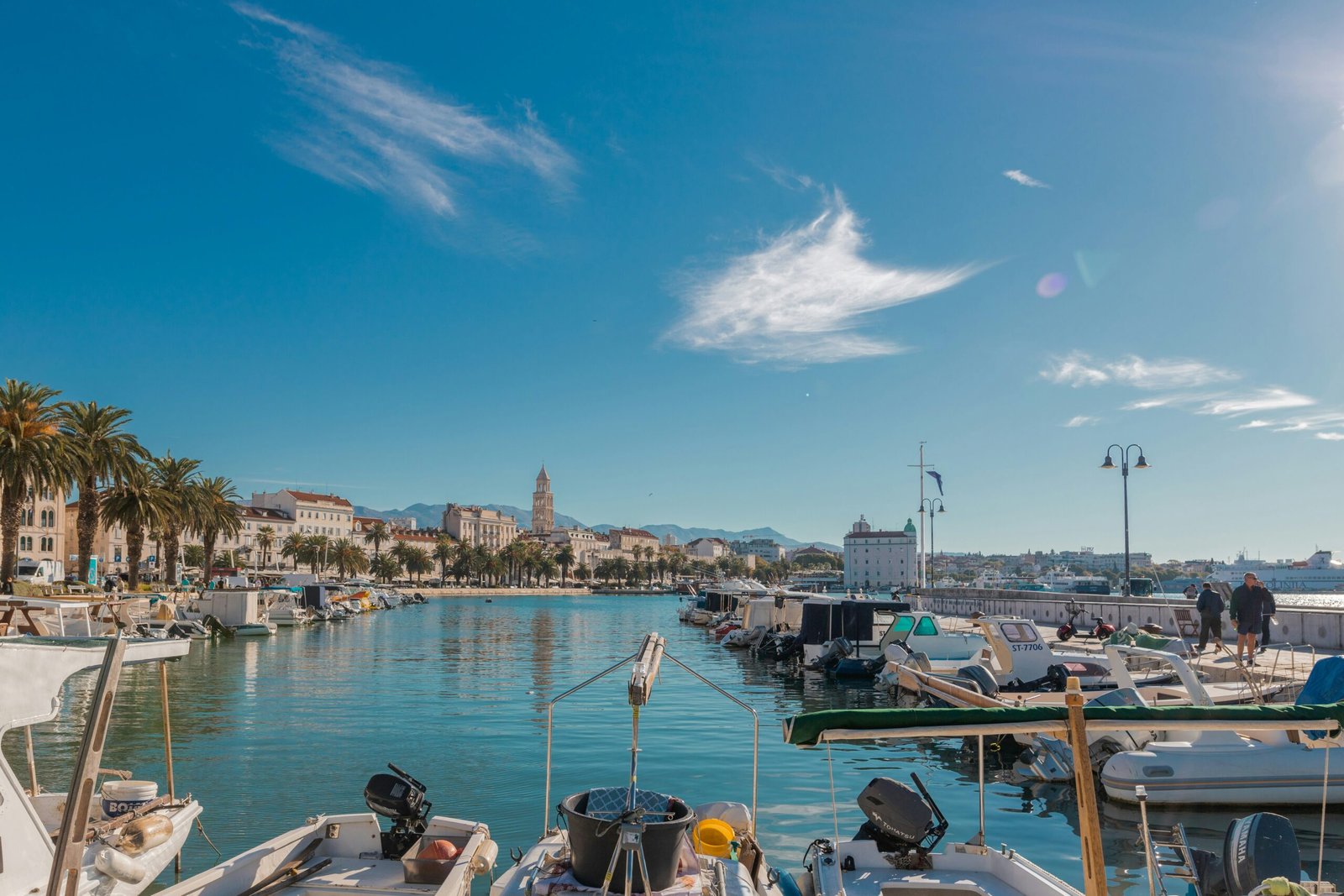
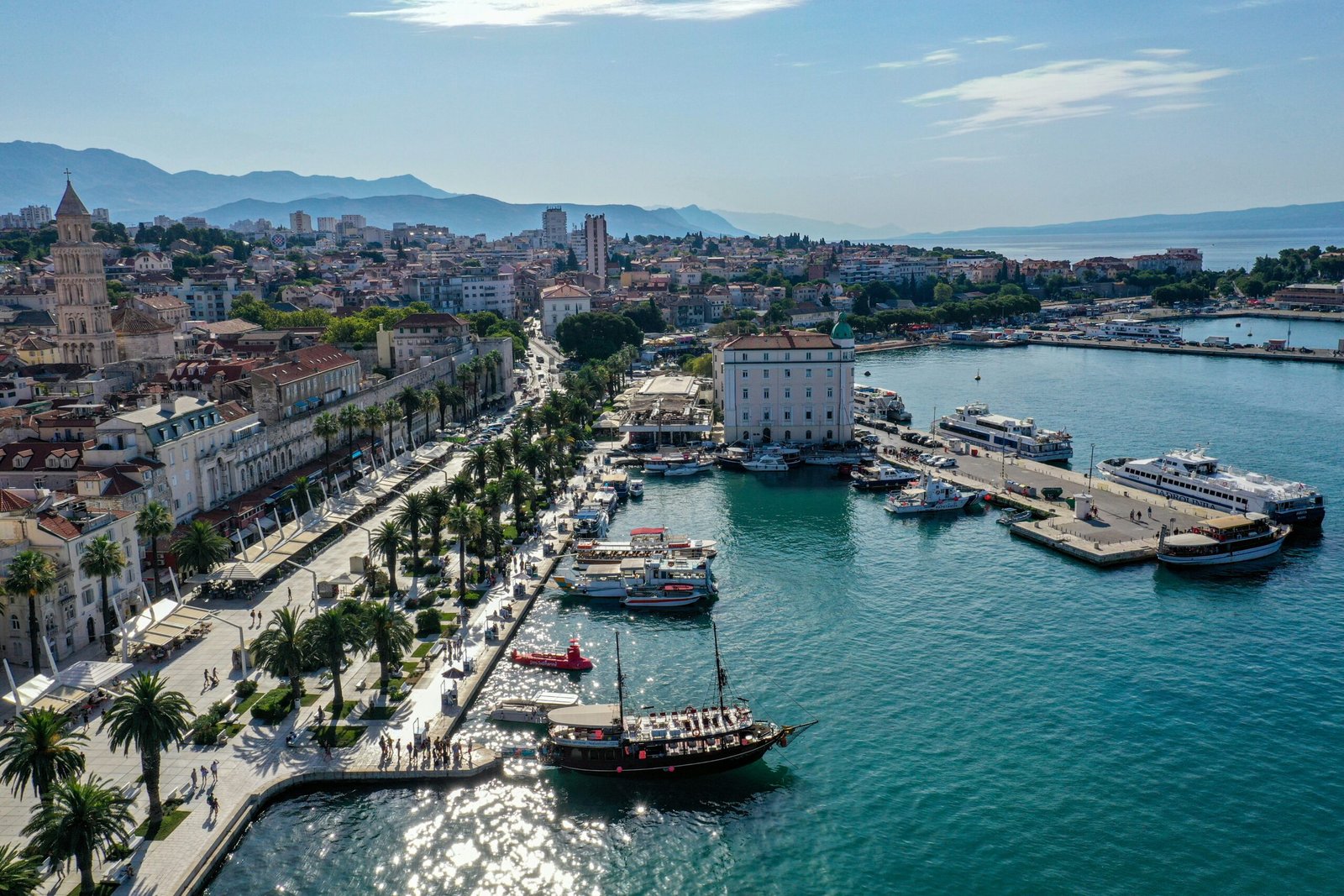
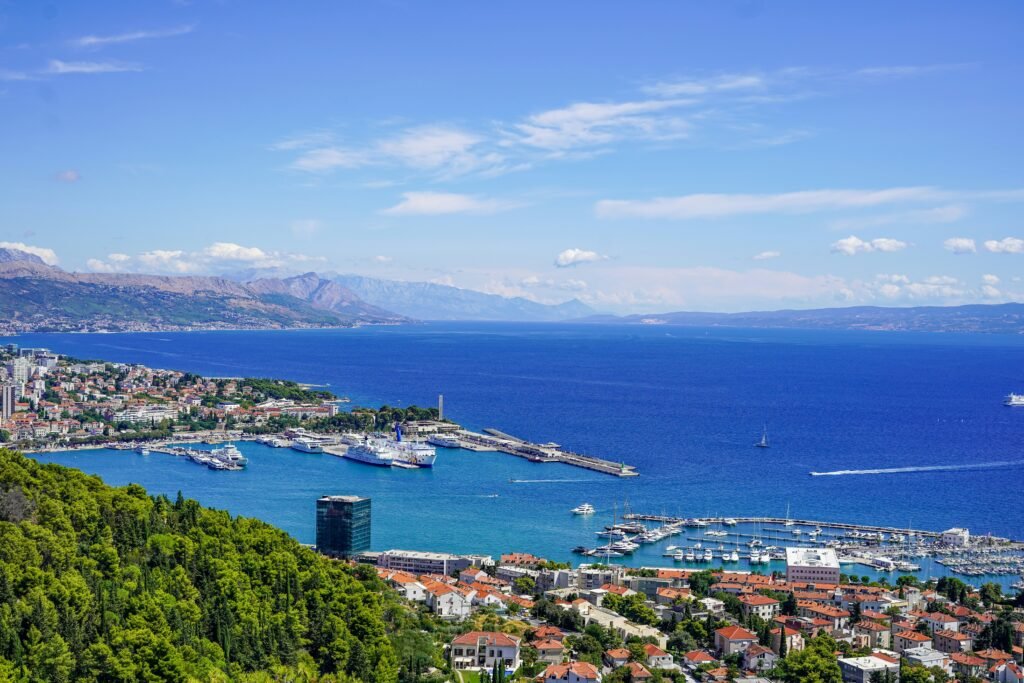
Split City Harbour
Milna, Brač
Explore the Peristyle and Diocletian’s Mausoleum
Descend into the Palace’s ancient substructures
Swim and play picigin at Bačvice Beach
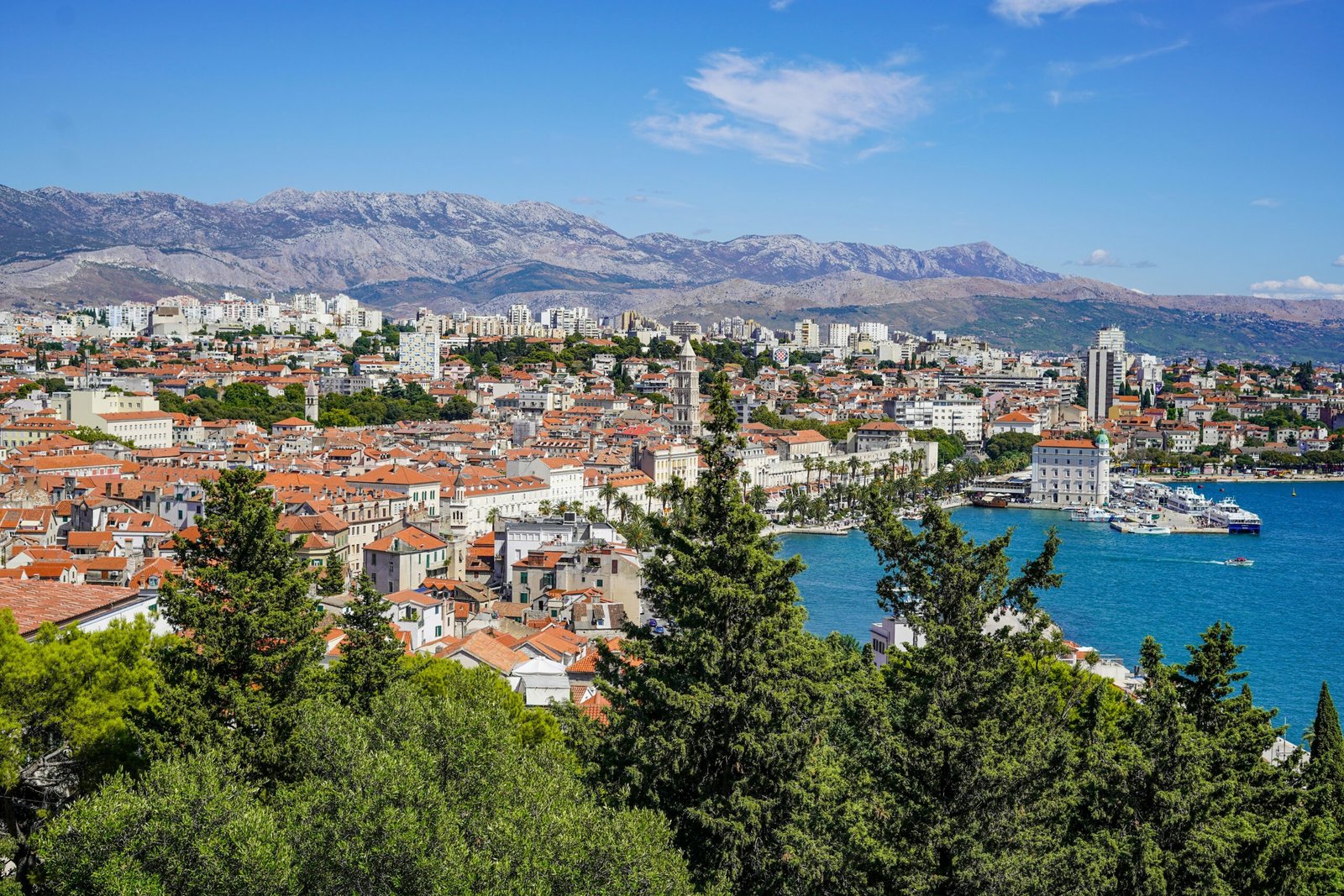
Hike the pine trails of Marjan Hill
Ferry across to Brač or Hvar for the day
Peristyle Square
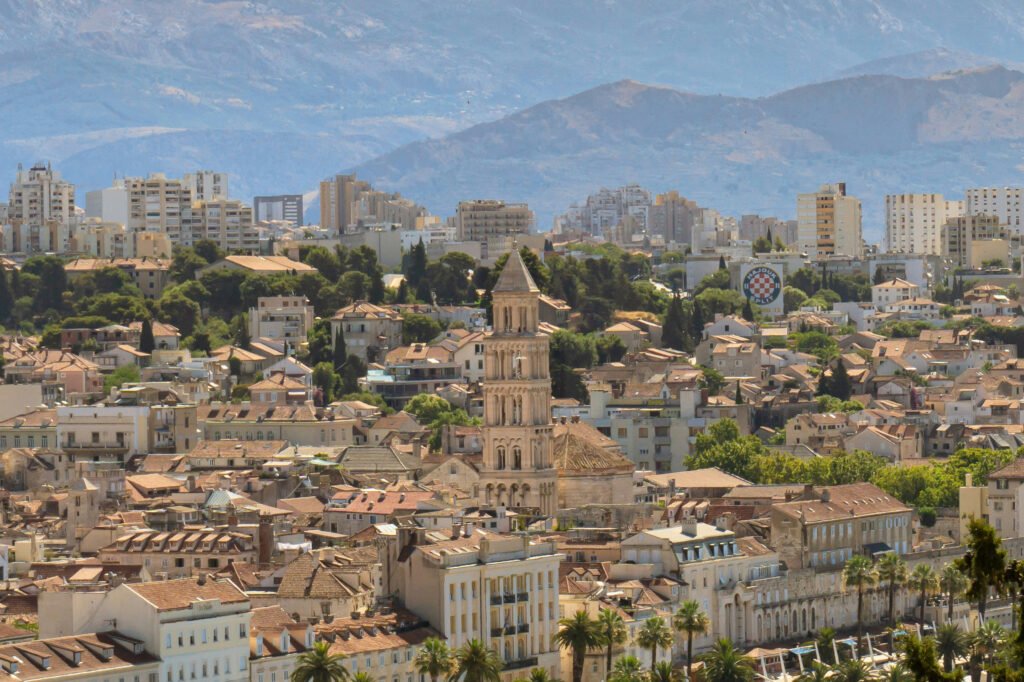
Cathedral of St Domnius
Golden Gate (Zlatna vrata)
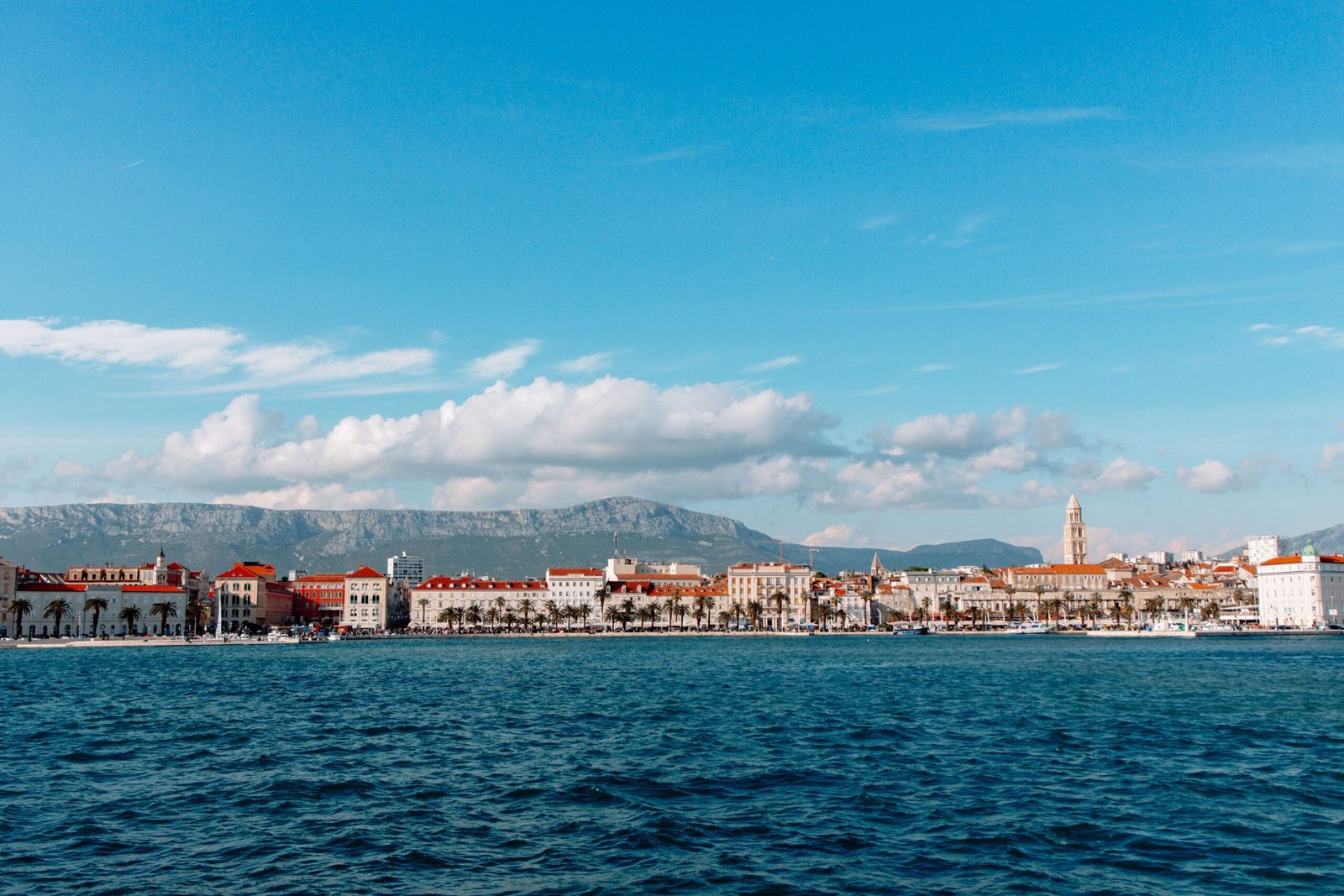
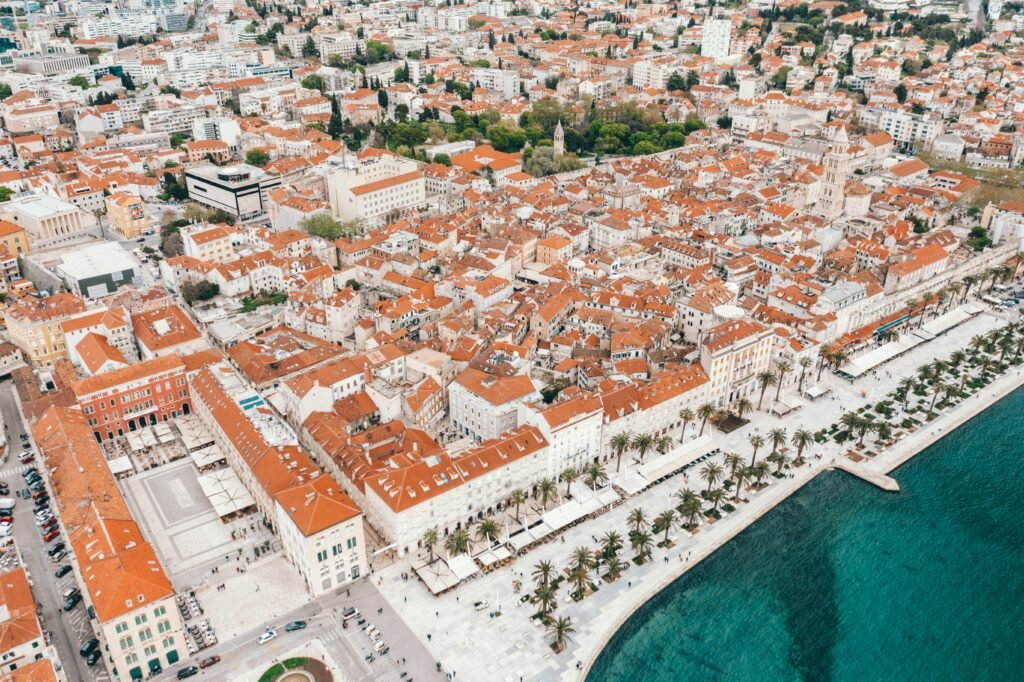
Riva Waterfront Promenade
Marjan Hill
The Dalmatian sailing season runs roughly April to October, with July and August delivering the warmest water and the most crowded anchorages around Split’s harbour and nearby islands. June and September offer steadier winds and quieter mooring at Bačvice and along the Riva, while still keeping ferry connections to Brač, Hvar and Vis running at full summer frequency.
Split Airport (SPU) sits about 19 kilometres northwest of the city, near Kaštela and Trogir, and is the main international gateway for guests joining a charter in central Dalmatia. It’s a straightforward transfer by road along the coast, and its proximity to Trogir also makes it a practical embarkation point if your itinerary starts or ends further along that stretch of coast.
ACI Marina Split at Trstenik and the sheltered waters of Kaštela Bay are the most convenient options close to the city, while Stobreč offers a quieter alternative a short distance southeast. For something further afield without leaving the day’s reach, Milna on Brač is a favourite overnight stop, its long harbour giving good protection from the prevailing summer maestral breeze.
Split itself rewards two to three days for its Roman core, waterfront and beaches, but most charters use it as a launch point for a wider Dalmatian itinerary. Pairing it with Brač, Hvar and Vis over a week lets you combine the city’s history with the archipelago’s beaches and coves, and Split’s ferry and marina infrastructure makes it an easy place to start or end a longer trip.
Yes. Around 3,000 residents make their homes within the palace’s Roman-era walls, alongside the shops, bars and restaurants that have colonised its vaulted passages for centuries, making it one of the rare ancient monuments still inhabited rather than preserved as a museum piece. Come evening, once the day-trip groups head back to their coaches, the Peristyle and surrounding lanes settle into something closer to an ordinary Dalmatian neighbourhood.