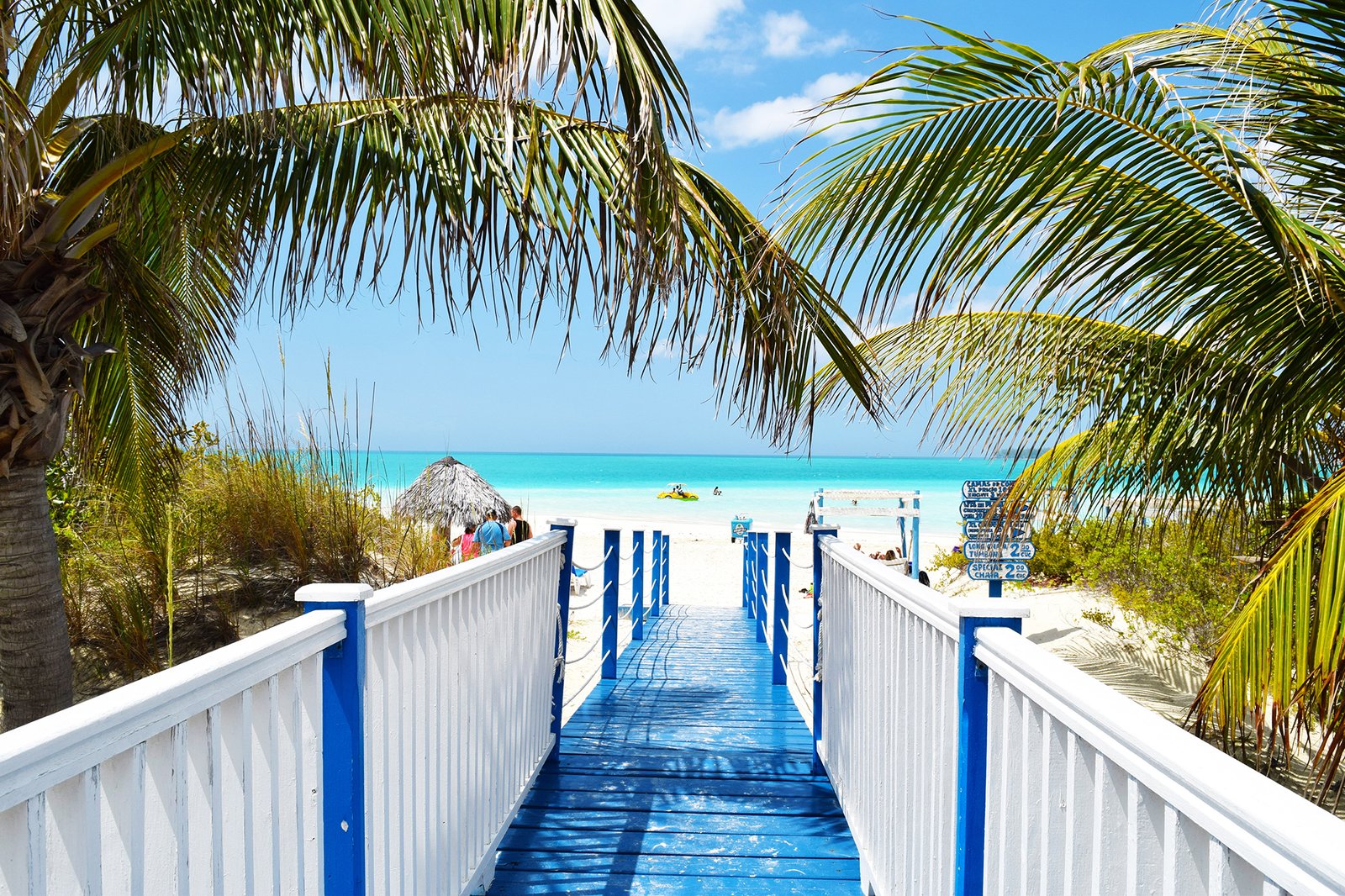
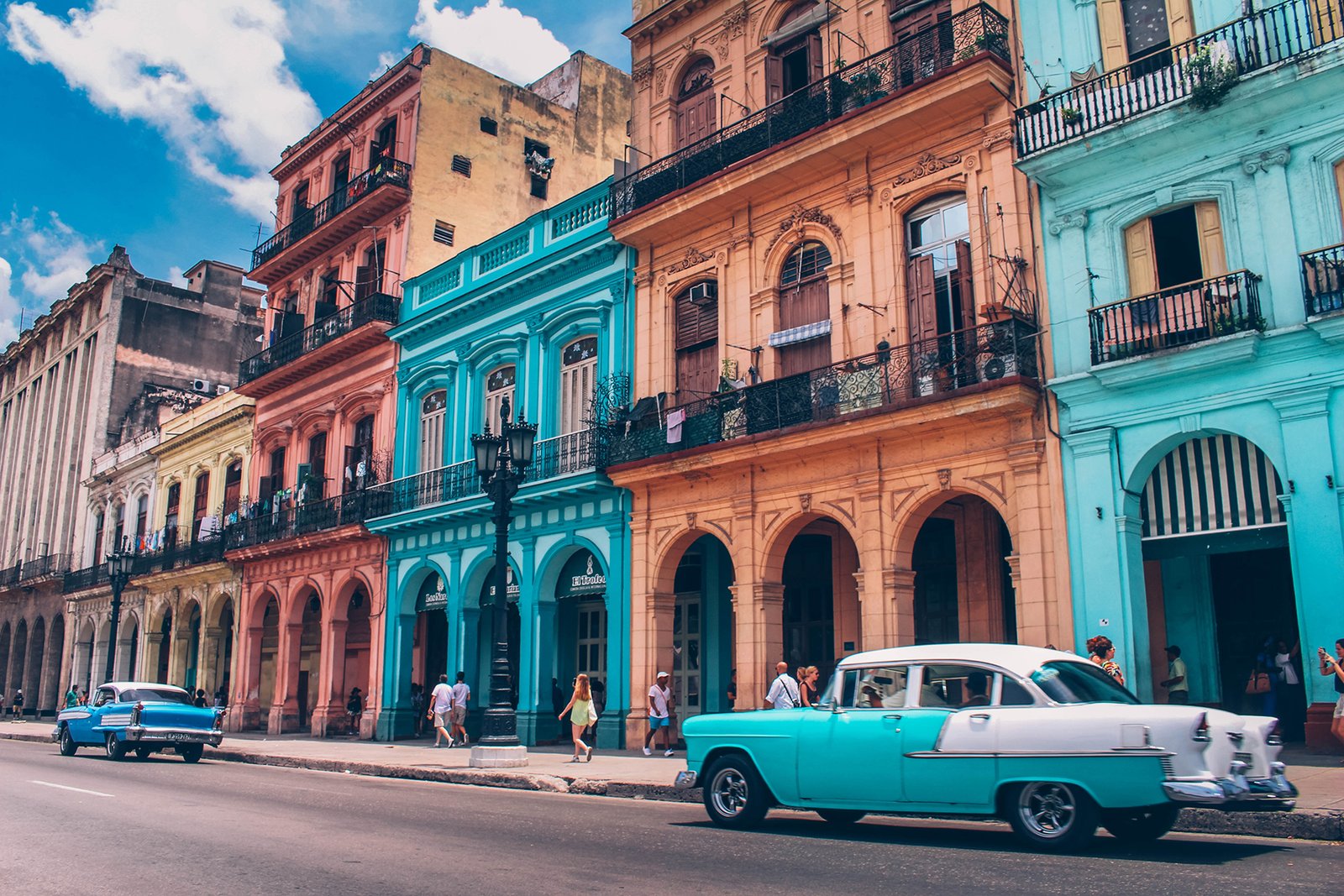
Greater Antilles / Cuba
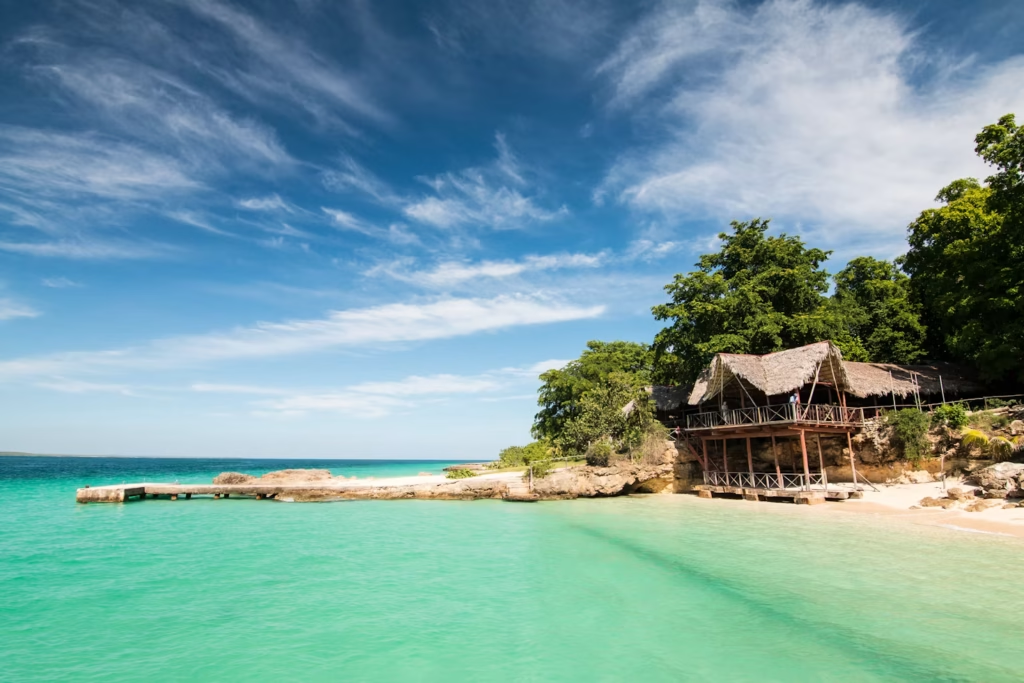
Cayo Largo del Sur
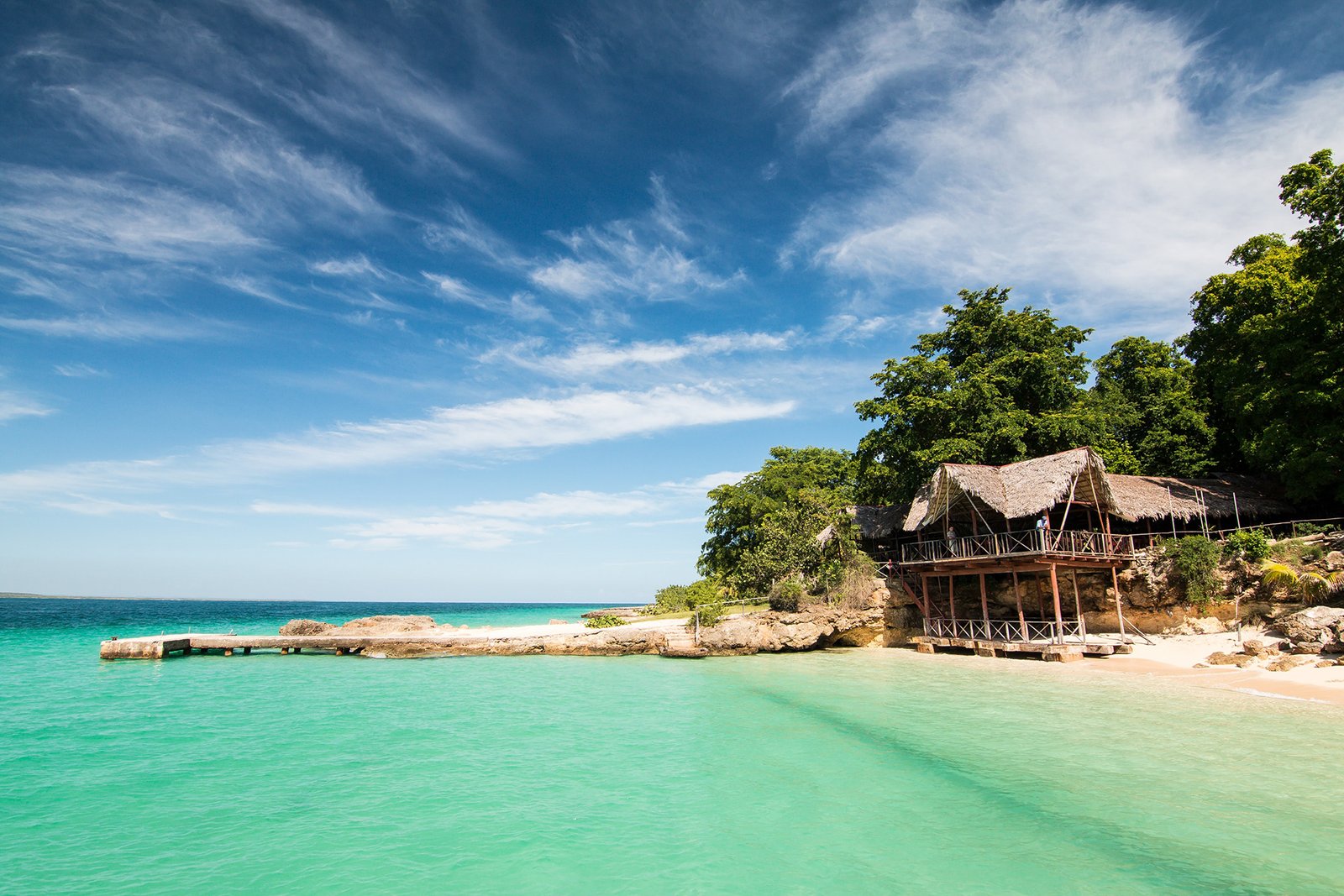
María la Gorda
Jardines de la Reina
Varadero
Cienfuegos Bay
Explore Trinidad’s Plaza Mayor and cobbled streets
Dive the reefs of Jardines de la Reina
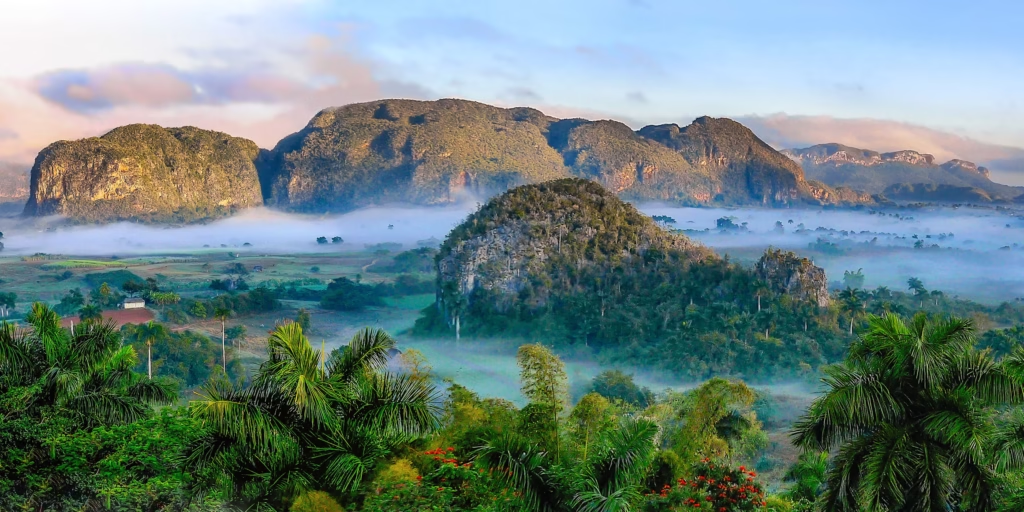
Tour a tobacco farm in the Viñales Valley
Visit a cigar factory in Havana
Listen to live son at a casa de la trova
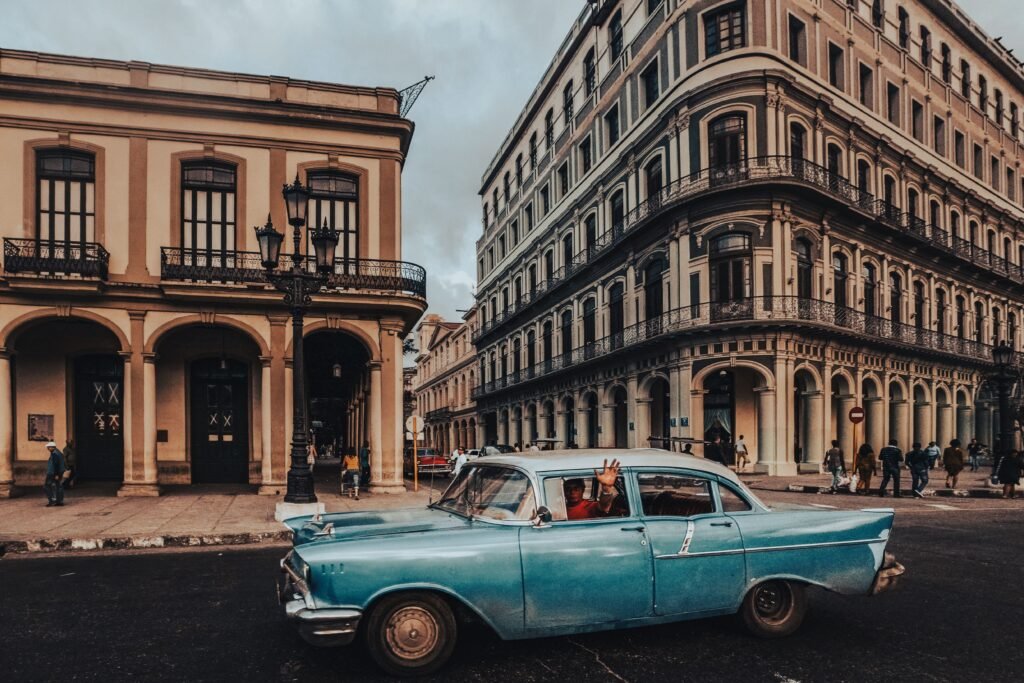
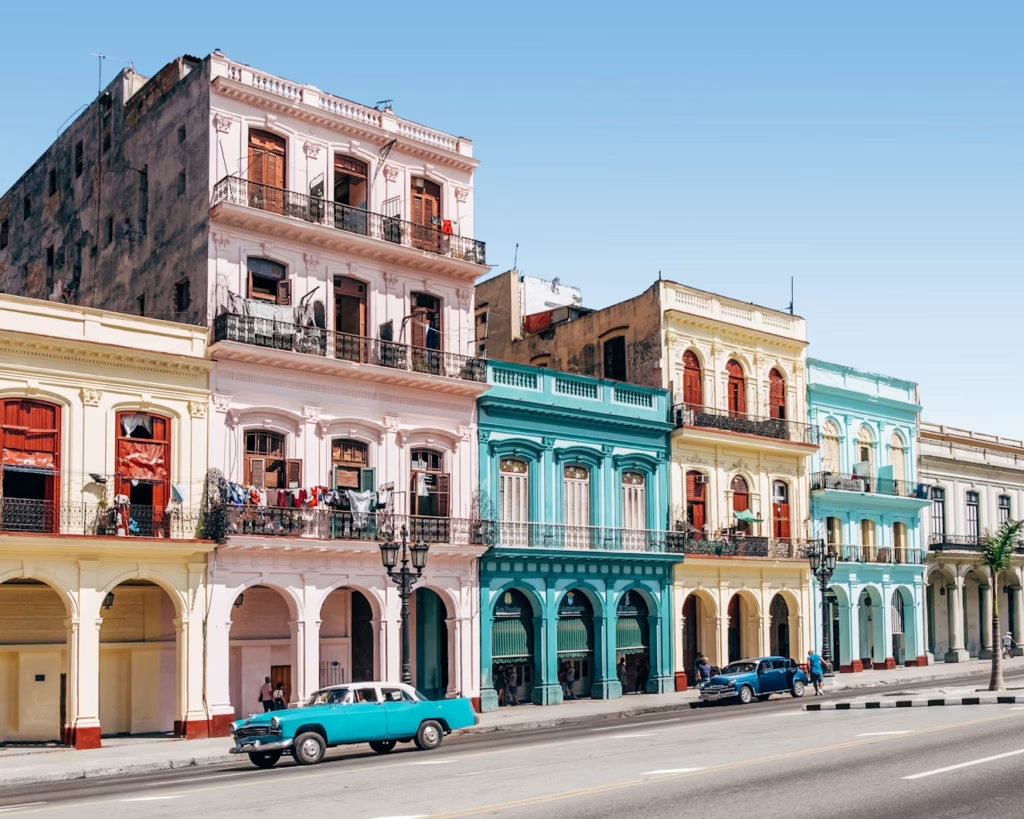
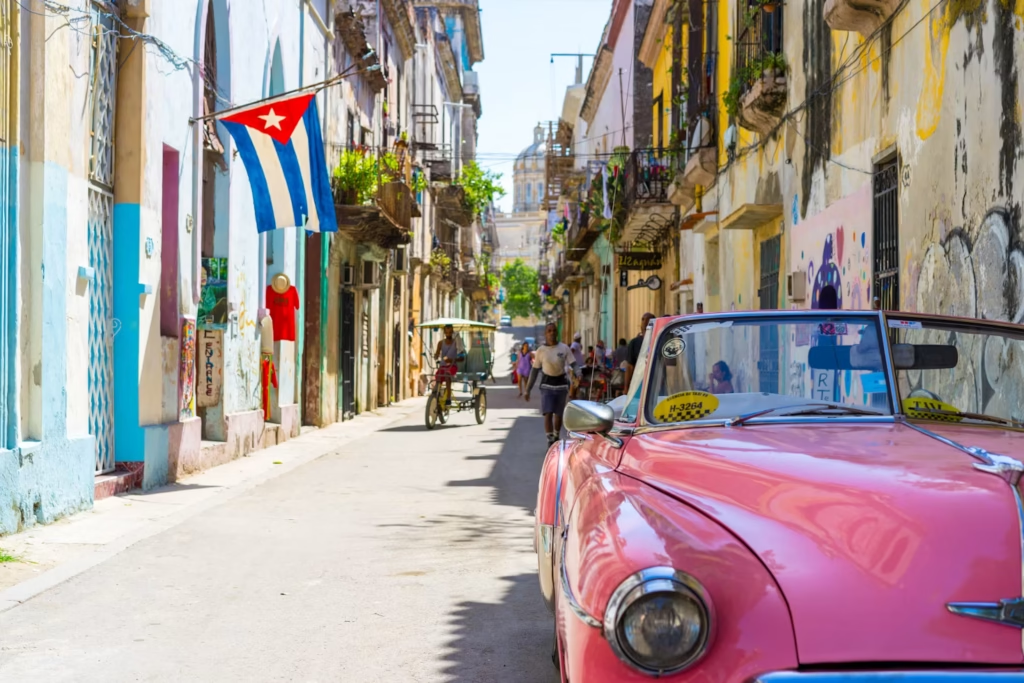
Habana Vieja (Old Havana)
Trinidad
Cienfuegos
Viñales Valley
Varadero
November through April is Cuba’s dry season, with lower humidity, cooler evenings and the least chance of tropical disruption, making it the preferred charter window. May through October is hotter and wetter and falls within the Atlantic hurricane season, which officially runs June to November, so a late spring or early summer trip needs a flexible itinerary and marina options for shelter along the route.
José Martí International Airport (HAV) outside Havana is the main international gateway, with connections from Europe, Canada and, for licensed travellers, several US cities. Most charter yachts clear in at Marina Hemingway on Havana’s western edge, where customs and immigration typically process an arriving vessel within one to two hours, or at Marina Gaviota in Varadero for guests starting their route further east.
Jardines de la Reina, a protected archipelago off the south coast reachable mainly by liveaboard, and the reefs around María la Gorda on the western tip are the standouts for diving and untouched coral. Cayo Largo del Sur, with its own small marina and long white beaches, works well as a stop between Havana and the Isla de la Juventud further south.
A week is enough to combine a day or two in Havana with a run along the north or south coast, but ten to fourteen days give room to add an inland stop in Trinidad or Viñales and still spend unhurried time at anchor. Cuba stretches roughly the length of England from tip to tip, so covering both coasts properly in one trip isn’t realistic without a long charter.
Cuba itself welcomes foreign flagged charter yachts through standard clearance procedures, but US citizens and US-flagged vessels face separate rules: any US-registered boat needs authorisation from both the Treasury’s Office of Foreign Assets Control and the Commerce Department’s Bureau of Industry and Security before entering Cuban waters. The specifics change periodically, so it’s worth confirming current requirements with a specialist charter agent well before departure.

Tell us what you would like to know, and our team will respond with clear details on availability, specification, pricing and next steps.