Greater Antilles / Puerto Rico
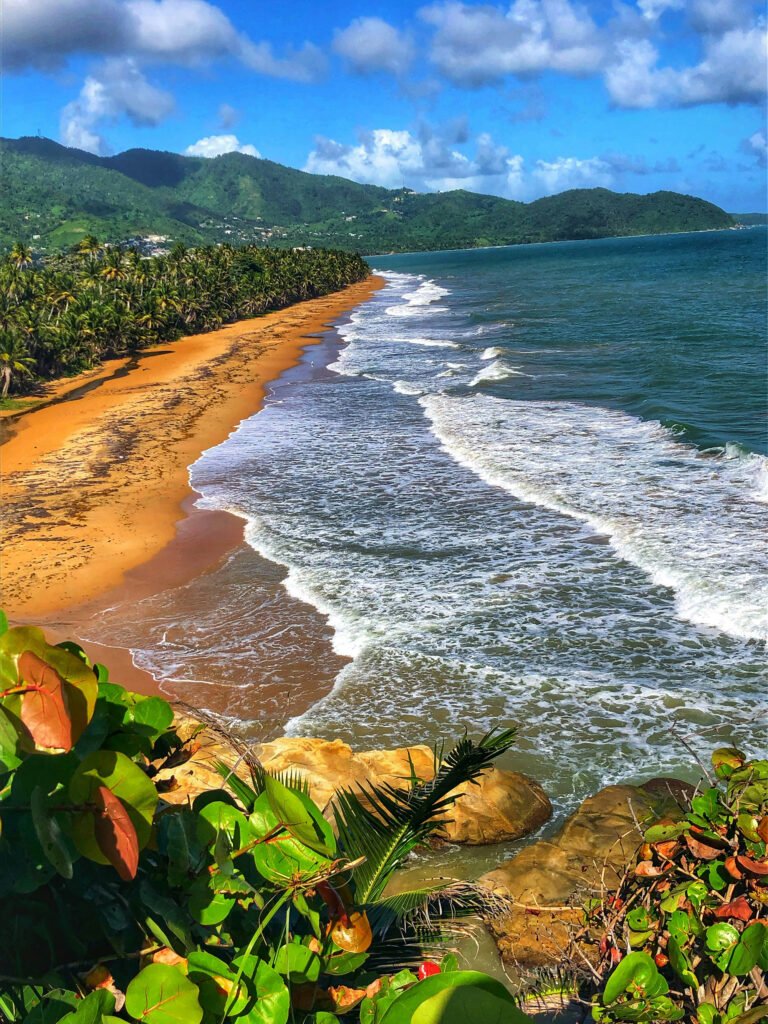
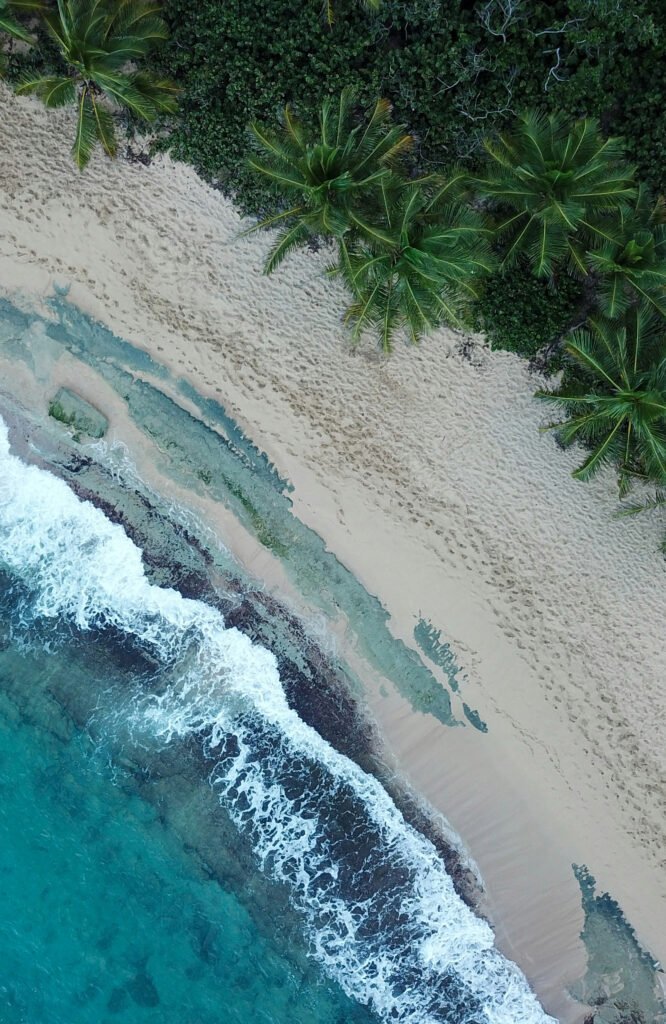
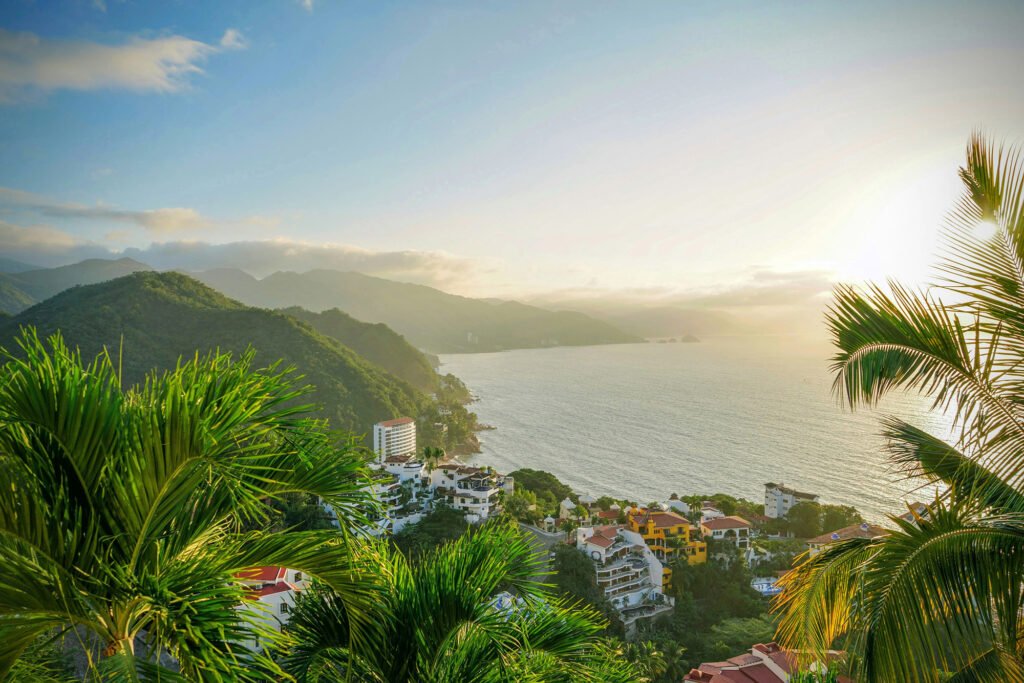
Ensenada Honda, Culebra
Sun Bay, Vieques
Boqueron Bay, Cabo Rojo
La Parguera
Palmas del Mar Marina, Humacao
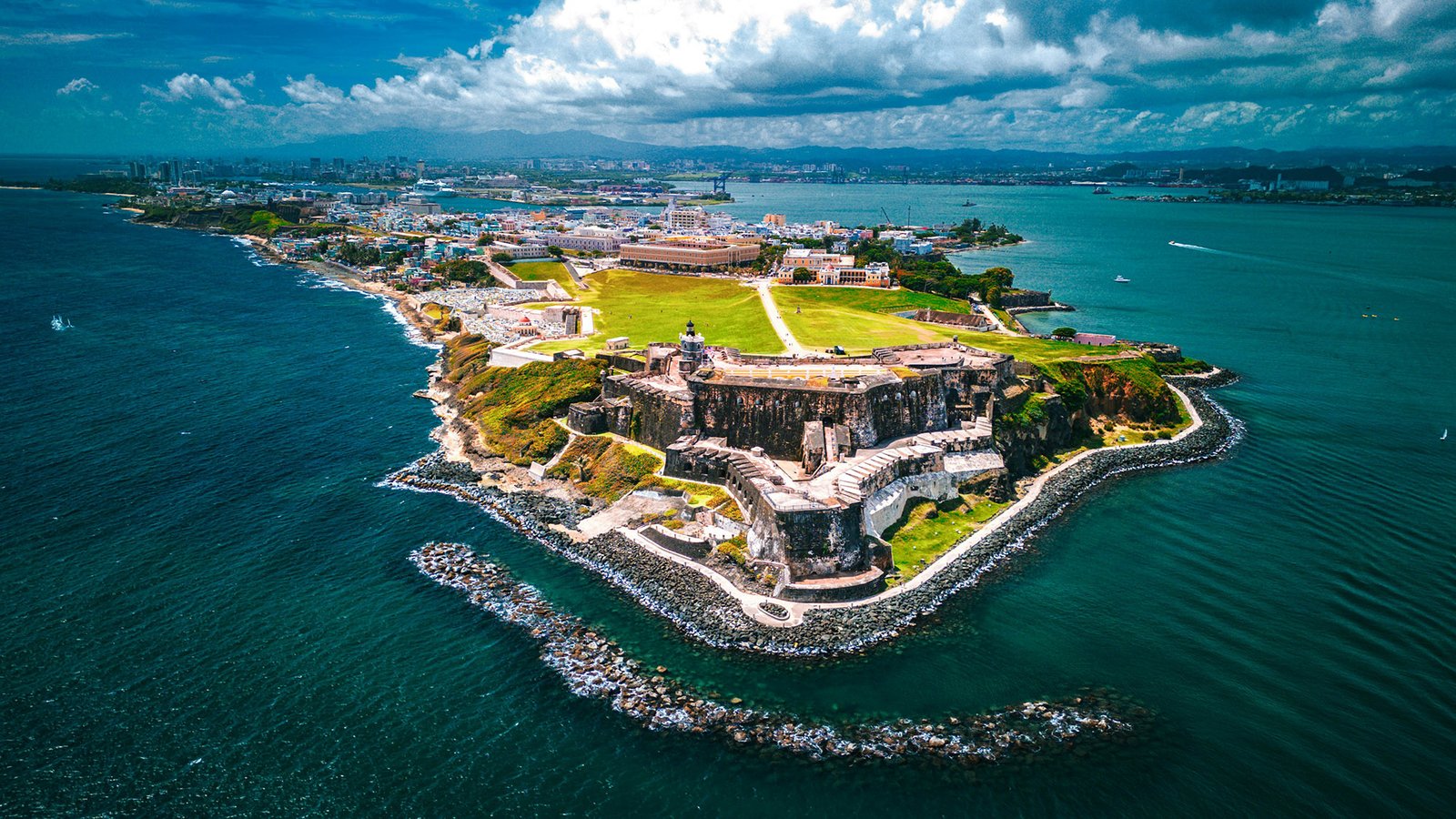
Tour Castillo San Felipe del Morro
Hike to La Mina Falls in El Yunque
Kayak La Parguera’s phosphorescent bay by night
Surf the breaks at Rincon
Snorkel the reef off Flamenco Beach, Culebra
Old San Juan
Ponce
Rincon
Culebra
Vieques
The dry season from December to April brings the steadiest weather and calmest seas, though water temperatures stay warm year-round. Hurricane season runs June to November, peaking August to October, so many charters shift toward the sheltered south-west coast or watch the forecast closely during that stretch. Winter also brings stronger trade winds, good for sailing yachts, while spring and early summer often mean glassier conditions for exploring the bioluminescent bays.
Most charters start from Luis Munoz Marin International Airport (SJU) in San Juan, the main hub with direct flights from the US and Europe. Guests heading straight to the east coast marinas often fly into SJU and drive to Fajardo, about an hour away, while Rafael Hernandez Airport (BQN) in Aguadilla suits itineraries starting on the west coast near Rincon.
Culebra and Vieques offer the calmest, clearest water, with Culebra’s Ensenada Honda a well-protected hurricane hole and Vieques’ Sun Bay a wide, easy overnight stop. On the mainland’s south-west coast, La Parguera and Boqueron Bay give shelter from the trade winds and easy access to the phosphorescent bay and nearby reefs, while Palmas del Mar Marina on the east coast is a comfortable base for provisioning.
Seven to ten days allows a comfortable loop between the mainland’s east coast marinas and the offshore islands of Culebra and Vieques, with time to also visit a bioluminescent bay by kayak. Shorter three- or four-day charters usually stay within the Culebra-Vieques-Fajardo triangle, while longer itineraries can extend west toward Ponce or Rincon for those wanting more of the mainland.
No formal international customs process is required, since both are US territories: boat crews report their arrival through the CBP ROAM smartphone app rather than checking in with an officer in person. It’s a rare simplicity in the Caribbean, though vessels arriving from outside the US customs zone, including from the British Virgin Islands, still need to clear in the usual way at a US port of entry.

Tell us what you would like to know, and our team will respond with clear details on availability, specification, pricing and next steps.