Greece / Peloponnese / Monemvasia
Monemvasia Harbour
Gefyra
Pori Beach
Ambelakia Beach
Xifias Beach
Cross the causeway into the walled Lower Town
Climb to the Byzantine church of Agia Sofia
Taste Malvasia wine, the grape that carried the town’s name across Europe
Photograph the rock illuminated at night from the water
Swim at Pori Beach, the longest stretch near Gefyra
Lower Town, the walled medieval quarter
Upper Town and its ruined citadel
Christ Elkomenos Square
Gefyra
Portello Sea Gate
May through October offers the most reliable weather, with July and August the busiest months in the Lower Town’s tavernas and shops. The open water directly beneath the rock’s walls can pick up a chop when the Meltemi blows from the north, so many captains prefer to anchor off Pori or Gefyra in those conditions. June and September combine warm swimming water with noticeably quieter anchorages.
Monemvasia has no airport of its own; the nearest is Kalamata, roughly 150 kilometres and about two and three quarter hours away by road across the Peloponnese. Athens International is a further option for guests connecting internationally, at around three and a half hours’ drive. Most charter guests instead join their yacht already cruising the Peloponnese or the wider Aegean, rather than travelling to Monemvasia by land first.
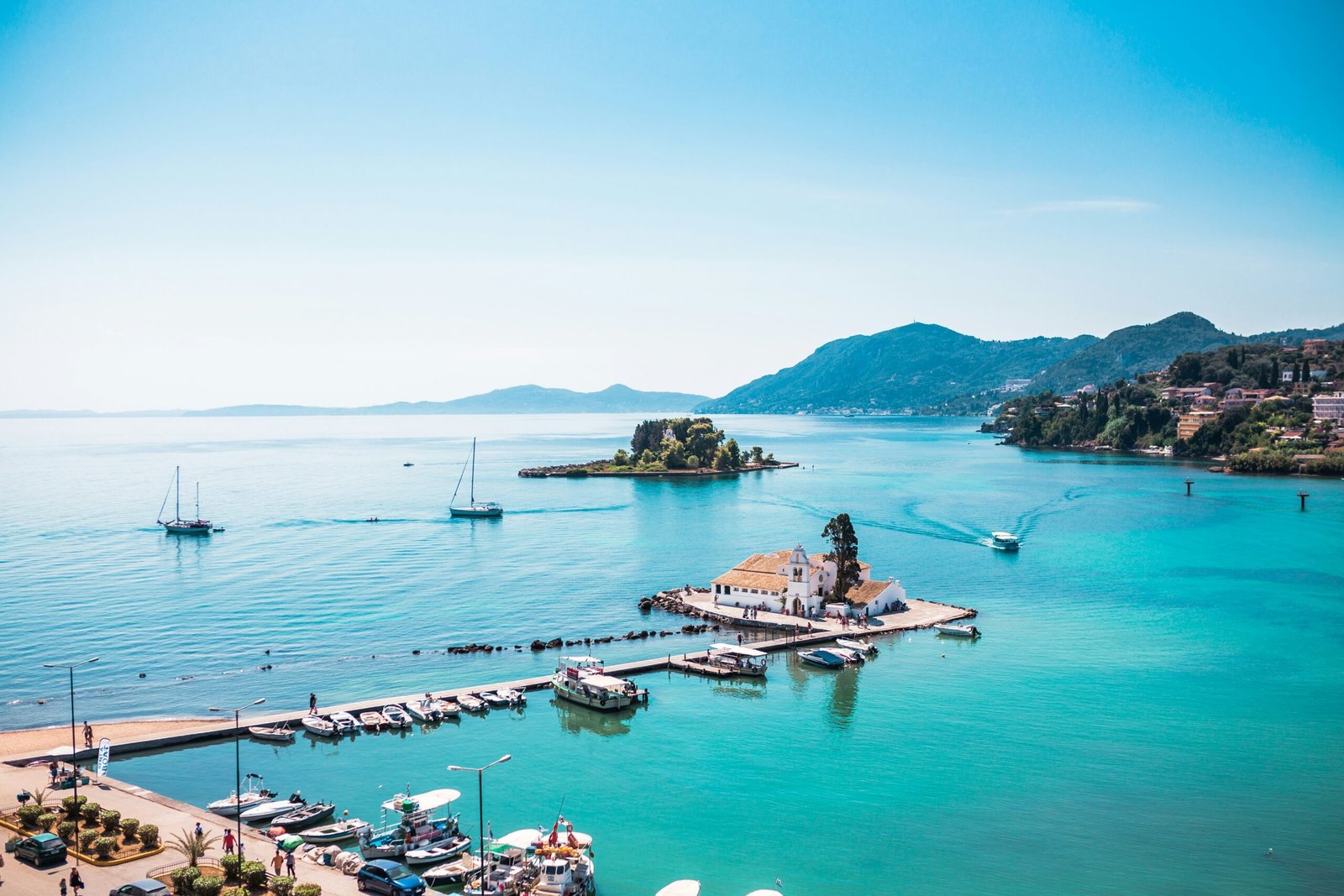
The small harbour below the rock’s northern walls puts guests within a short walk of the causeway into the Lower Town. Gefyra, the mainland village opposite, offers an easier and more sheltered alternative with shops and tavernas of its own. In calmer weather, Pori Beach a few kilometres along the coast makes a pleasant spot to swim before tendering in for an evening visit to the old town.
One night is usually enough to walk the Lower Town, climb to Agia Sofia and see the rock illuminated after dark, though a second day allows time to also swim at Pori or Xifias beach. Monemvasia works well as a highlight stop on a longer Peloponnese itinerary, sitting naturally between Nafplion to the north and Kyparissi or the Mani peninsula further along the coast.
The grape variety known across medieval Europe as Malvasia, and in England as Malmsey, takes its name directly from Monemvasia, once one of the busiest ports for exporting sweet wine from the Peloponnese and Crete. Shakespeare and Chaucer both mention the wine by name. A version of the tradition survives today in small local vineyards, and several tavernas in the Lower Town still list a Malvasia-style dessert wine on their menus.

Tell us what you would like to know, and our team will respond with clear details on availability, specification, pricing and next steps.