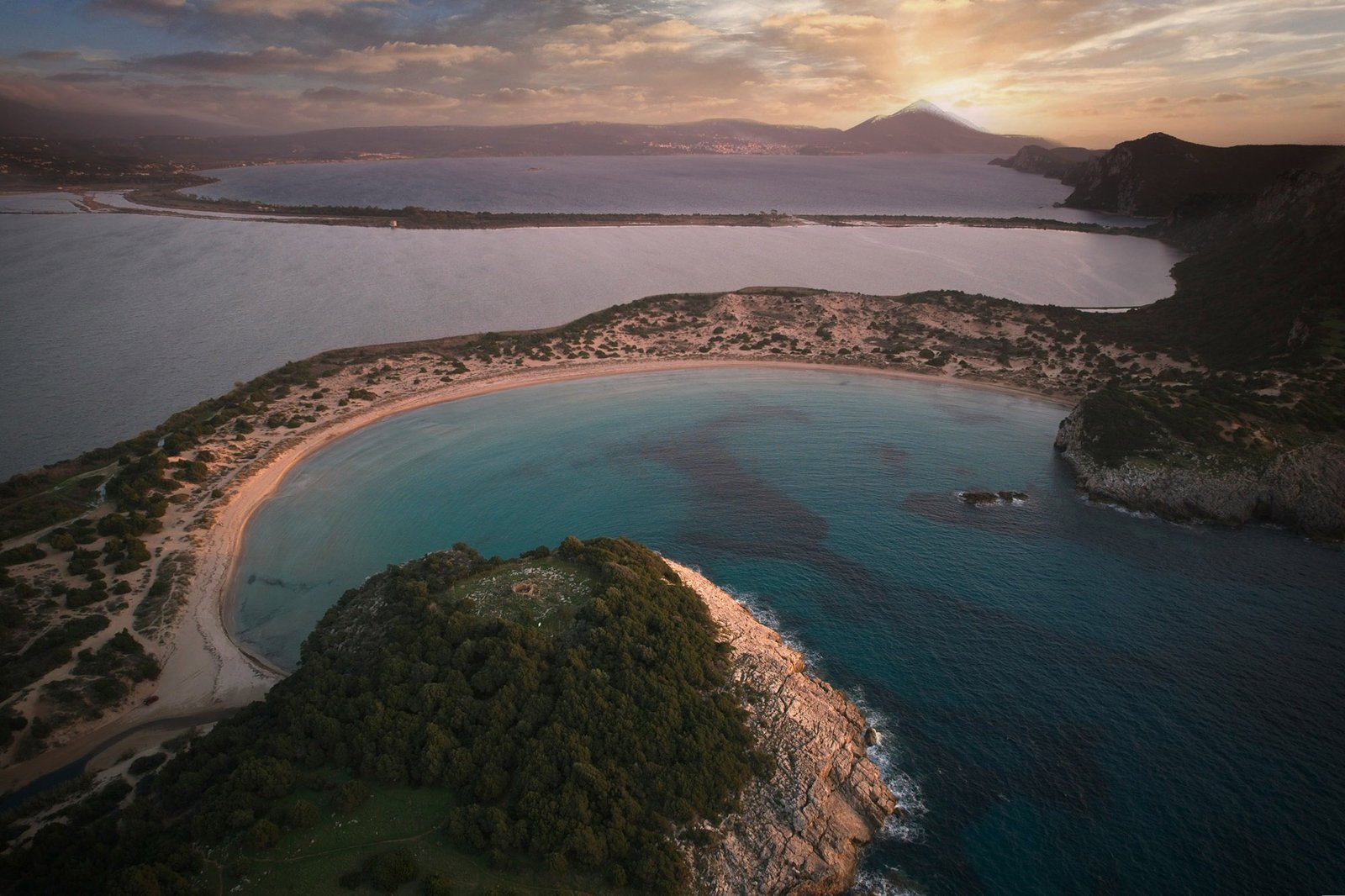
Greece / Peloponnese
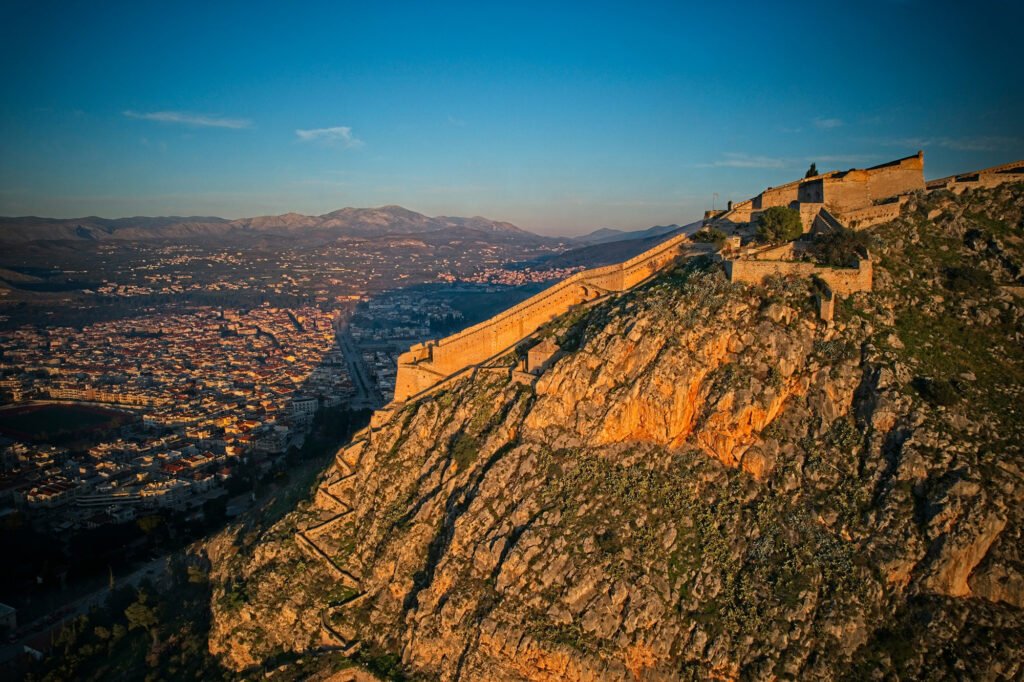
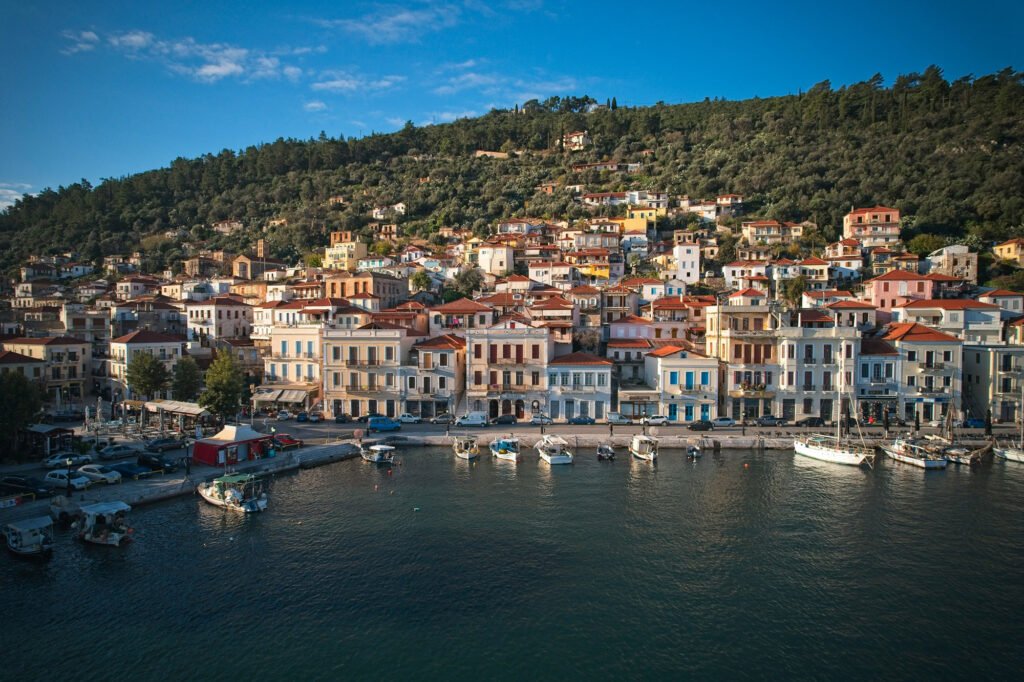
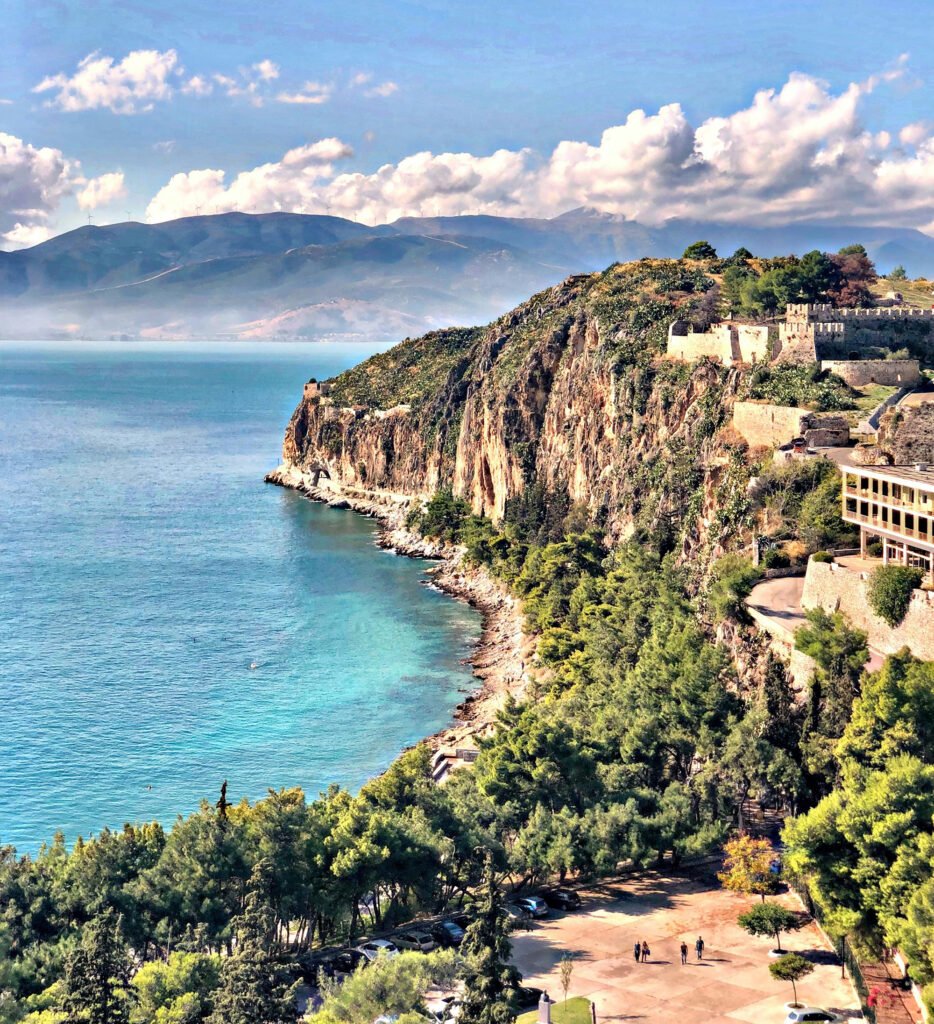
Nafplio Bay, beneath the Palamidi fortress
Navarino Bay, Pylos’s vast natural harbour
Methoni, beside its Venetian sea fortress
Monemvasia’s small harbour below the rock
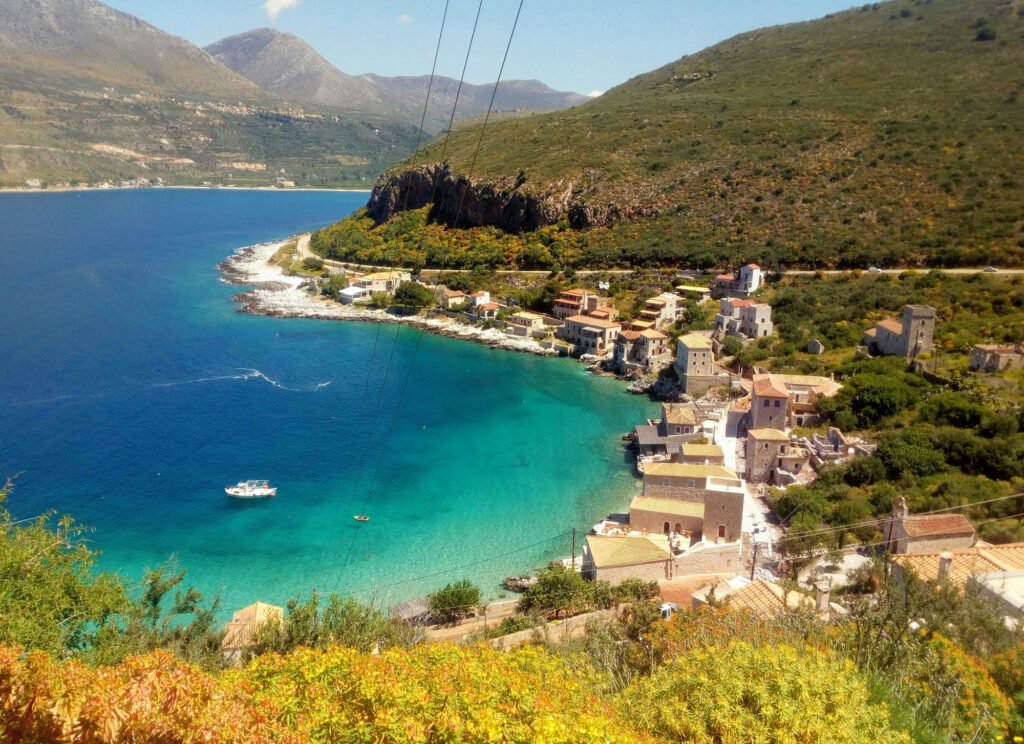
Kardamyli, gateway to the Mani’s tower villages
Explore the Lion Gate and royal tombs of Mycenae
Attend a summer performance at the Ancient Theatre of Epidaurus
Walk the ruins of ancient Olympia, birthplace of the Games
Climb Monemvasia’s rock to the Byzantine church of Agia Sofia
Wander the Mani’s fortified tower villages around Vathia
Nafplio Old Town, Greece’s first capital
Palamidi Fortress, Nafplio
Bourtzi, the sea-fortress in Nafplio’s harbour
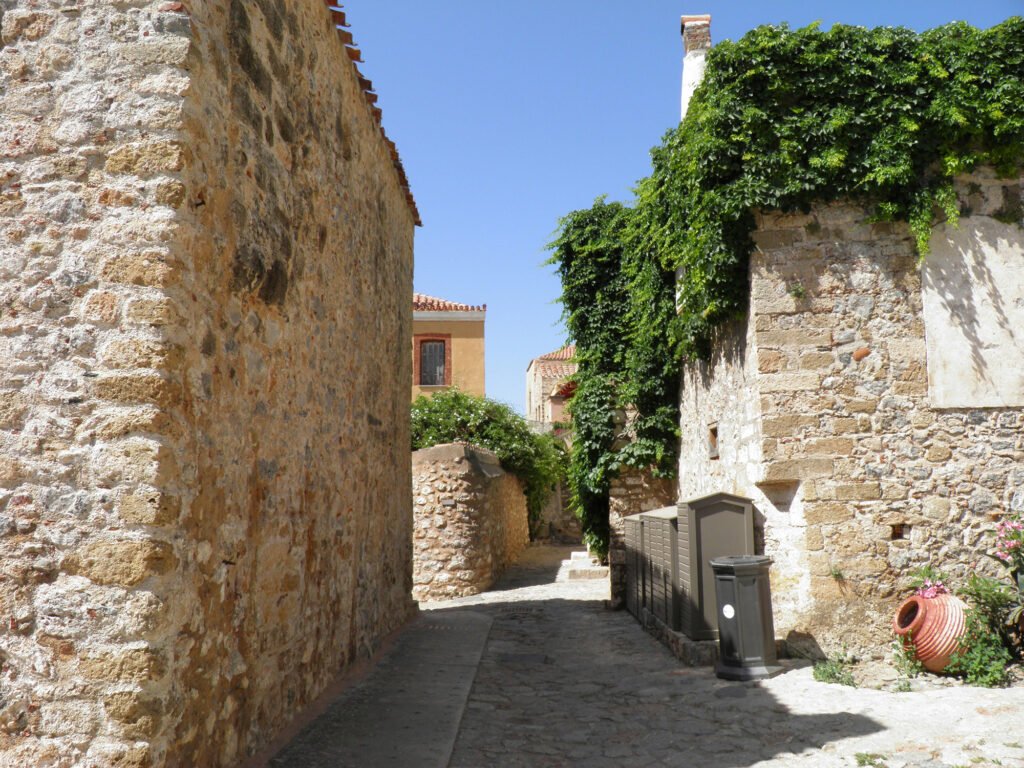
Monemvasia’s walled medieval town
Methoni Castle, one of the Peloponnese’s largest Venetian fortresses
May, June and September offer the most comfortable conditions, with July and August hot but reliably calm for open-water passages around the peninsula’s exposed capes. Spring visits also coincide with the wildflower season inland, making shore excursions to sites like Olympia and Mycenae noticeably more pleasant, with cooler temperatures for walking the ruins.
The Peloponnese is large enough to use two gateway airports rather than one: Kalamata (KLX) serves the southern coast around the Mani and Messenian Gulf, while Athens (ATH) suits charters starting from Nafplio and the Argolic Gulf in the north-east. Which one to use depends largely on where the itinerary begins and ends.
Nafplio Bay beneath the Palamidi fortress, Navarino Bay at Pylos and the small harbour below Monemvasia’s rock are among the most rewarding stops. Methoni and Kardamyli also make excellent overnight anchorages, each within easy reach of a genuinely different stretch of coastline and a different chapter of the region’s long history.
Ten days or more suits a peninsula this large, allowing time to move between the Argolic Gulf, the Mani and the Messenian coast without rushing the passages between them. A shorter week-long charter works well if focused on just one of these three areas, leaving enough time to explore its sites properly.
Largely, yes, though the old story of hearing a coin drop from the back row is more legend than proven fact. Recent acoustic research suggests the limestone seating itself filters out low-frequency background noise while carrying voices clearly, a genuine 4th-century-BC design achievement rather than pure myth, and evening performances there still sell out most summers.

Tell us what you would like to know, and our team will respond with clear details on availability, specification, pricing and next steps.