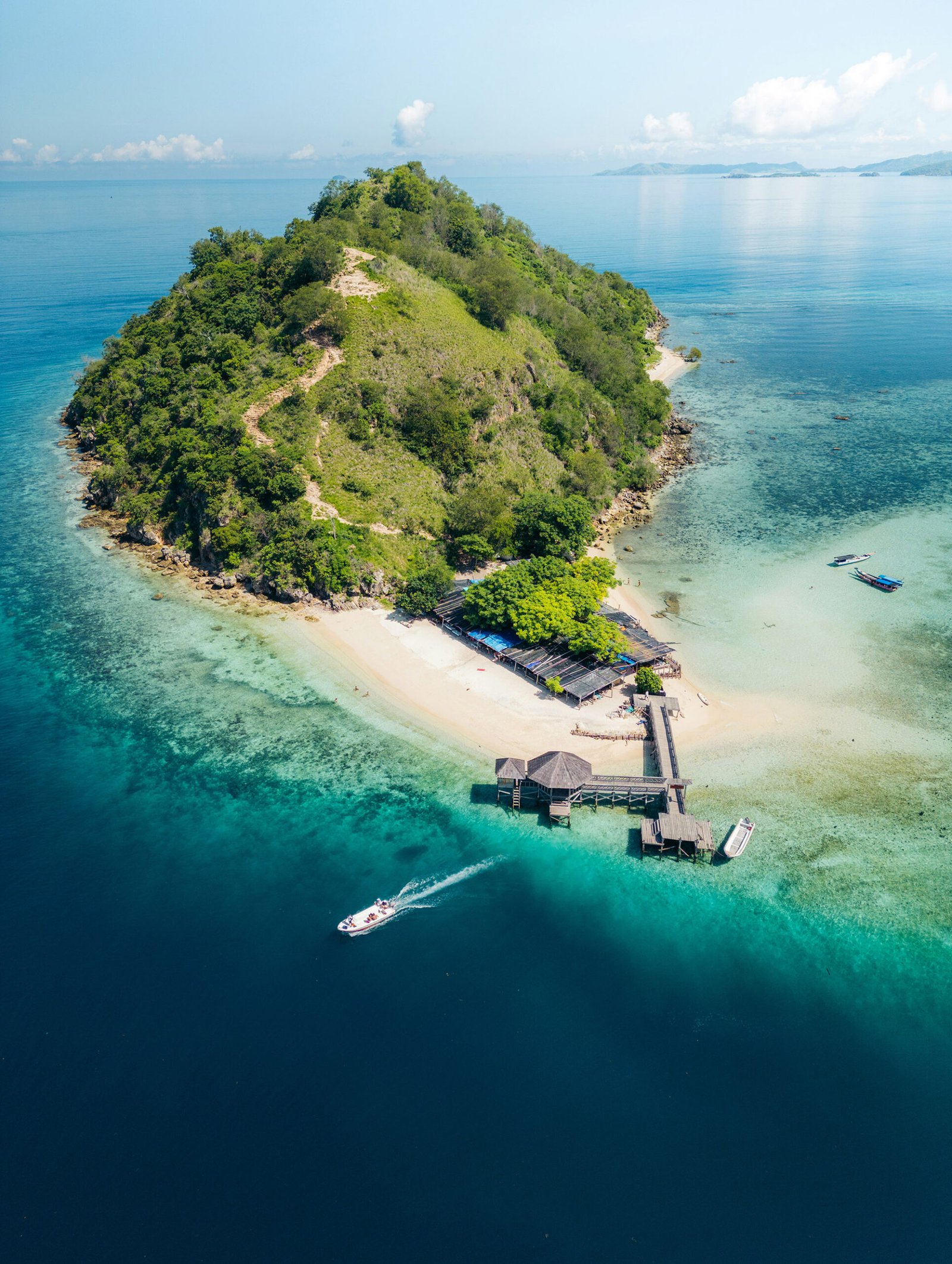
Indonesia / Banda Islands
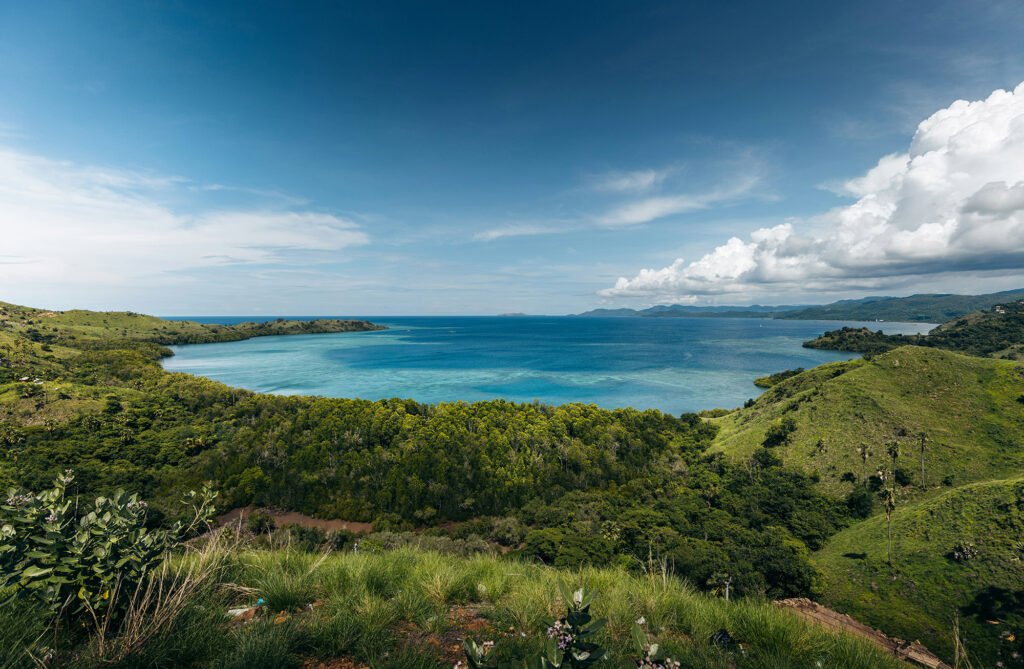
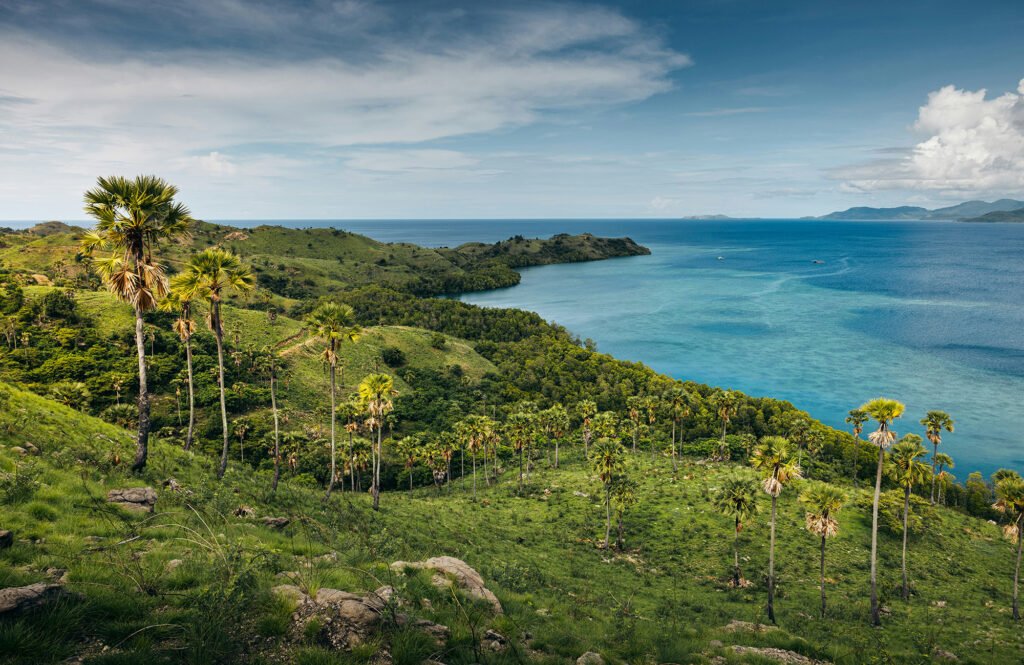
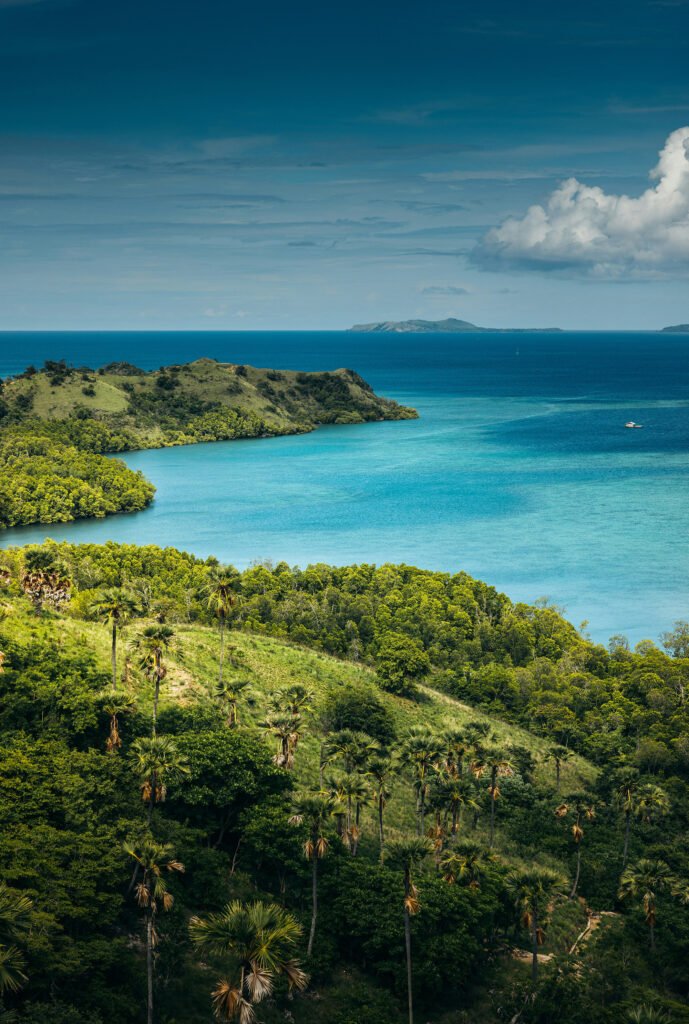
Banda Neira
Ay Island
Run Island
Hatta Island
Banda Besar (Lonthor)
Dive Gunung Api’s lava-flow reef
Snorkel Ay Island’s coral walls
Tour Fort Belgica
Visit a nutmeg plantation on Banda Besar
Browse Rumah Budaya Museum
Fort Belgica
Fort Nassau
Gunung Api
Run Island
Hatta Island
The calmest window runs from October to April, before the southeast monsoon picks up and brings stronger winds and swell from May to September. Visibility for diving is typically best from October to March. Since the Bandas sit well east of the main cyclone belt, the bigger factor for planning is sea state for the crossing rather than storm risk.
Ambon’s Pattimura Airport (AMQ) is the gateway, reached by domestic flights from Jakarta or Makassar. From Ambon, Banda Neira is a further forty minutes by light aircraft on a limited weekly schedule, or five to six hours by fast ferry when seas are calm. Most charters based in the Bandas either embark in Ambon and cruise across, or fly guests in directly to join the yacht already anchored at Banda Neira.
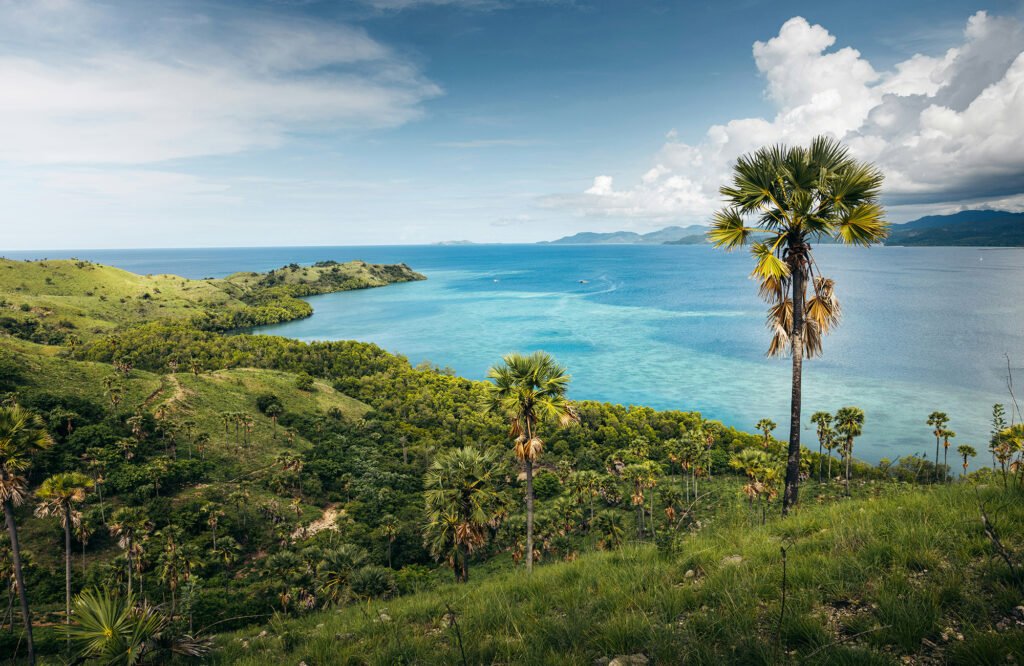
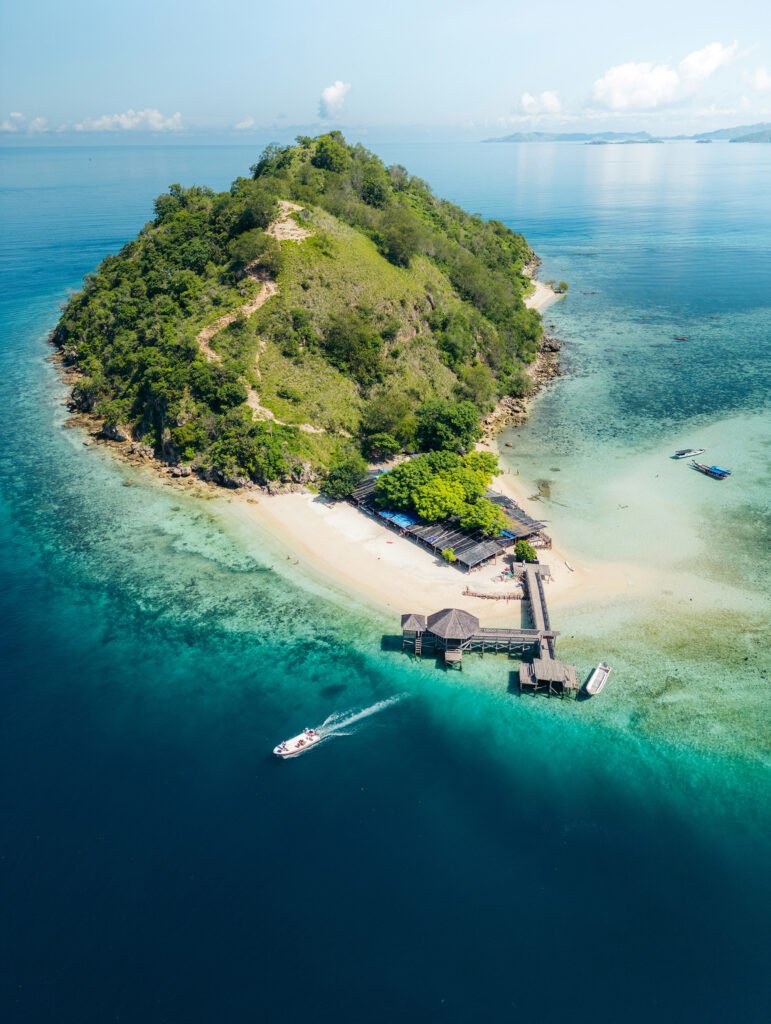
Banda Neira offers the only real town, along with the forts and colonial architecture, making it a natural first and last stop. Ay Island and Hatta Island both have calm, clear anchorages well suited to snorkelling, while Run Island rewards a stop as much for its history, once weighed against Manhattan, as for its diving.
Four to five nights covers Banda Neira’s forts and museums, a Gunung Api climb, and diving or snorkelling around Ay and Hatta at an unhurried pace. Given how remote the islands are, most guests combine this stretch with a wider Maluku or eastern Indonesia itinerary rather than treating Banda as a standalone short break.
Run, one of the smallest Banda Islands, produced enough nutmeg in the seventeenth century to make it fiercely contested between England and the Dutch Republic. Under the 1667 Treaty of Breda that ended the Second Anglo-Dutch War, England formally ceded Run to the Dutch in exchange for keeping Manhattan, which English forces had already seized from Dutch New Amsterdam three years earlier. Run today has around 1,500 residents and little sign of that history beyond a small monument.