Indonesia / Lombok & Gili Islands
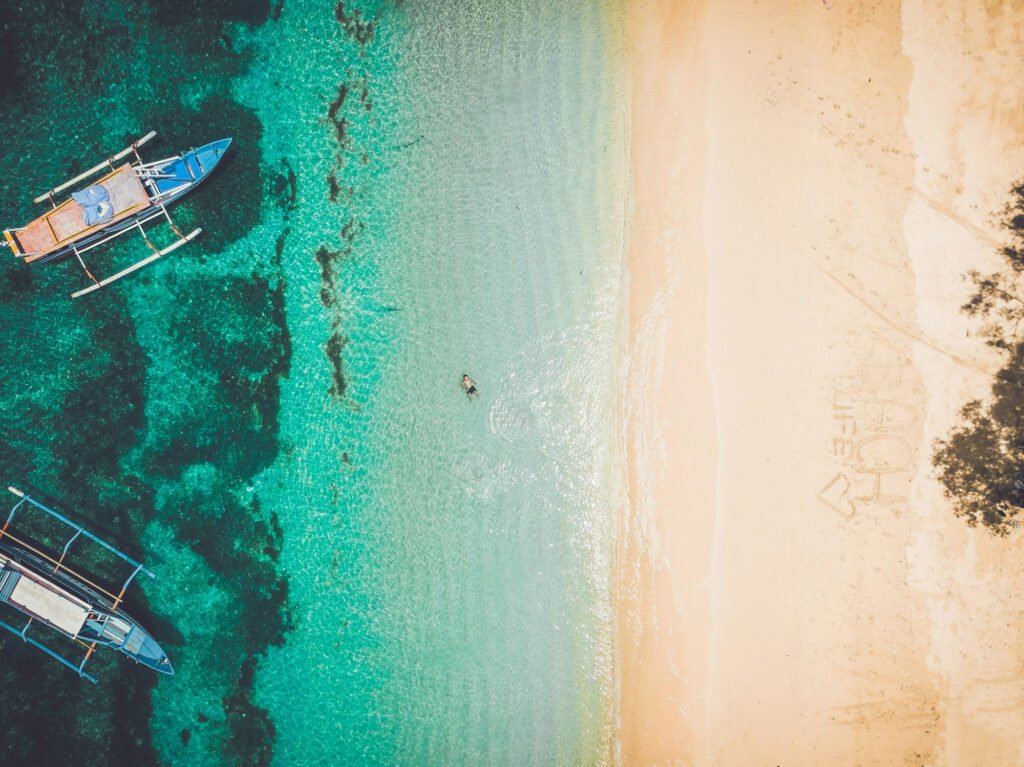
Gili Trawangan
Gili Meno
Gili Air
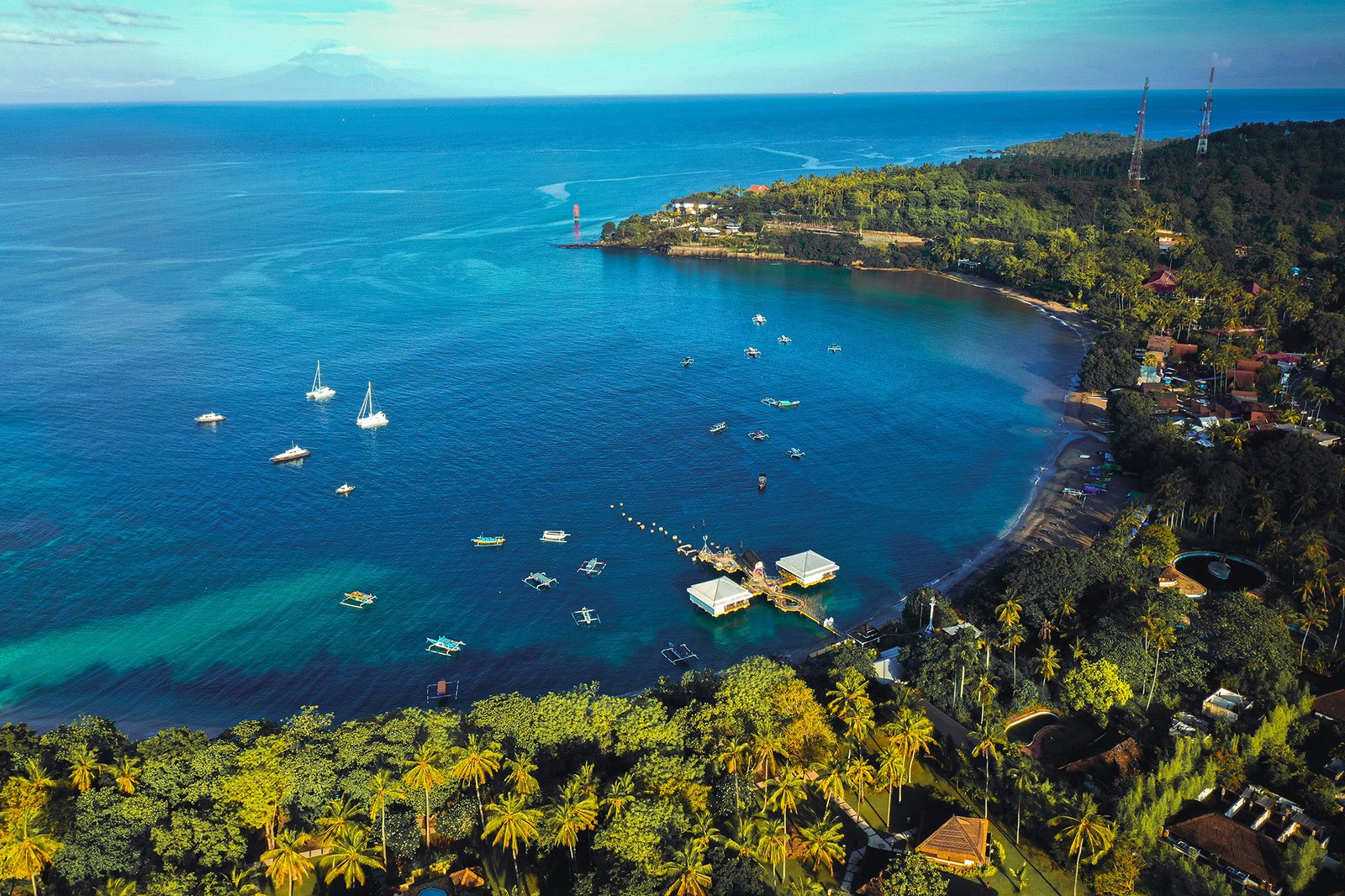
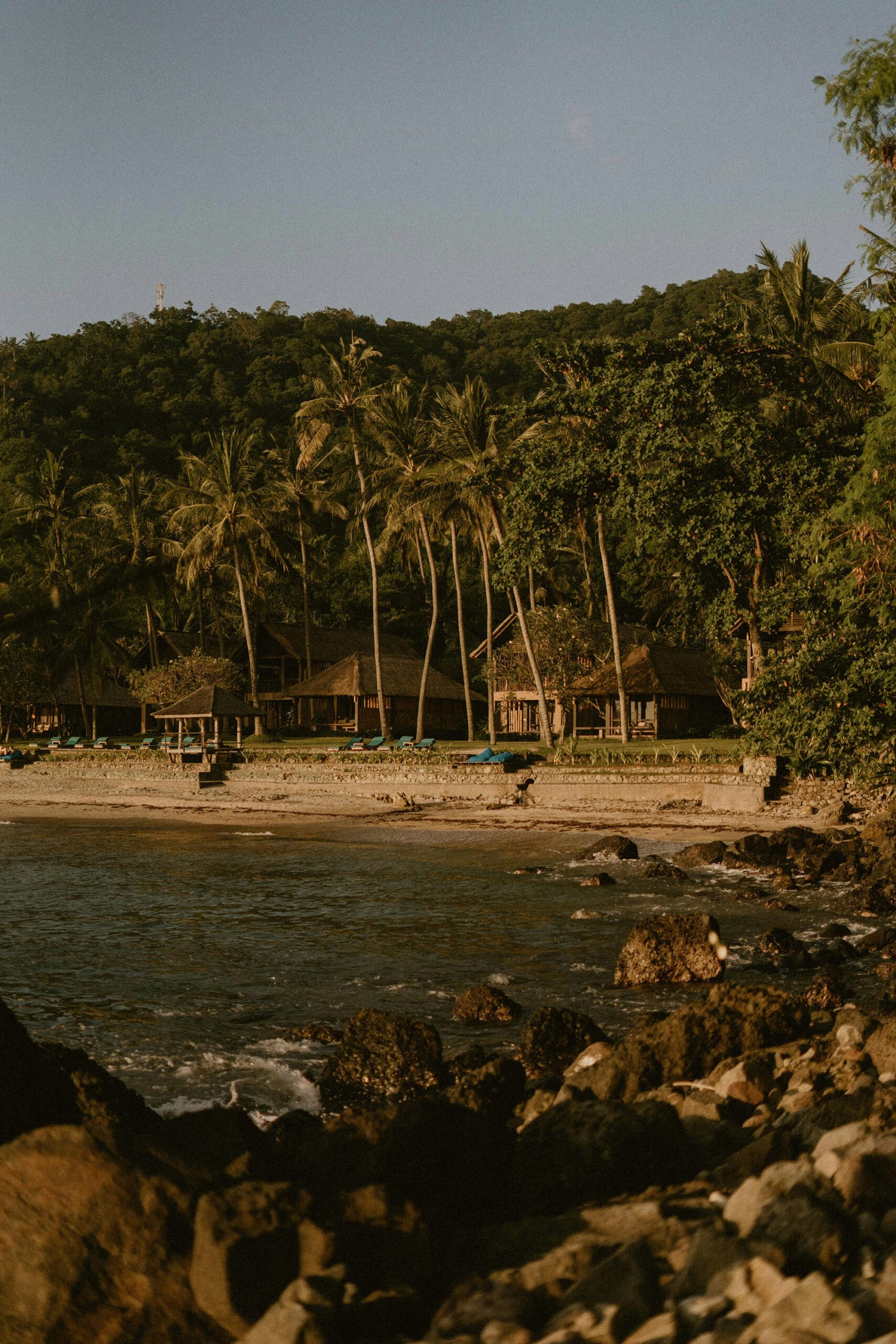
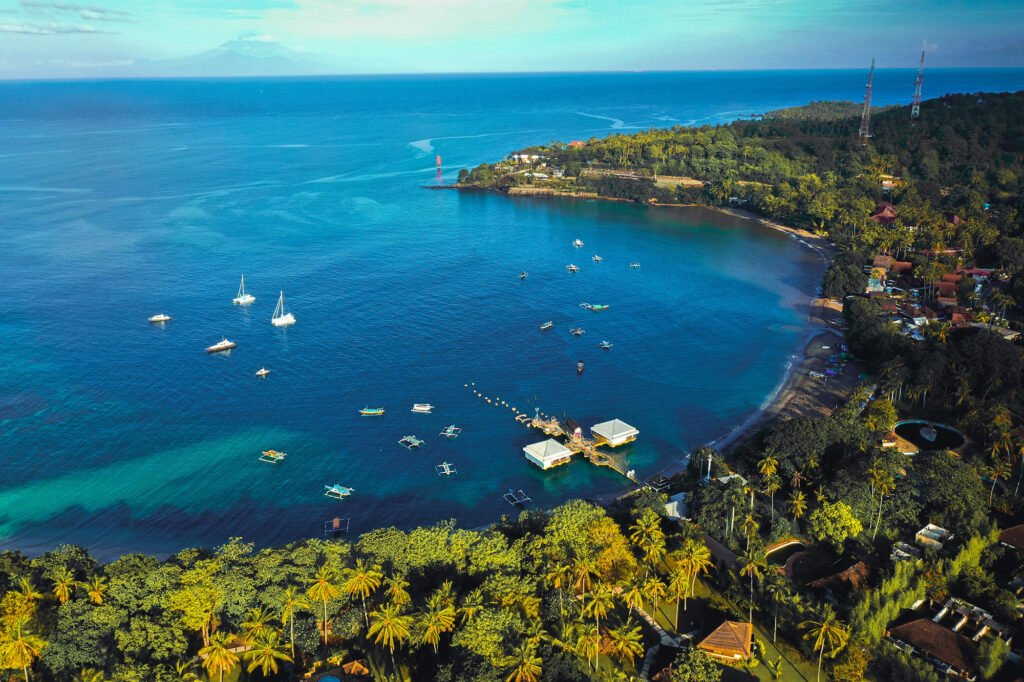
Senggigi Bay
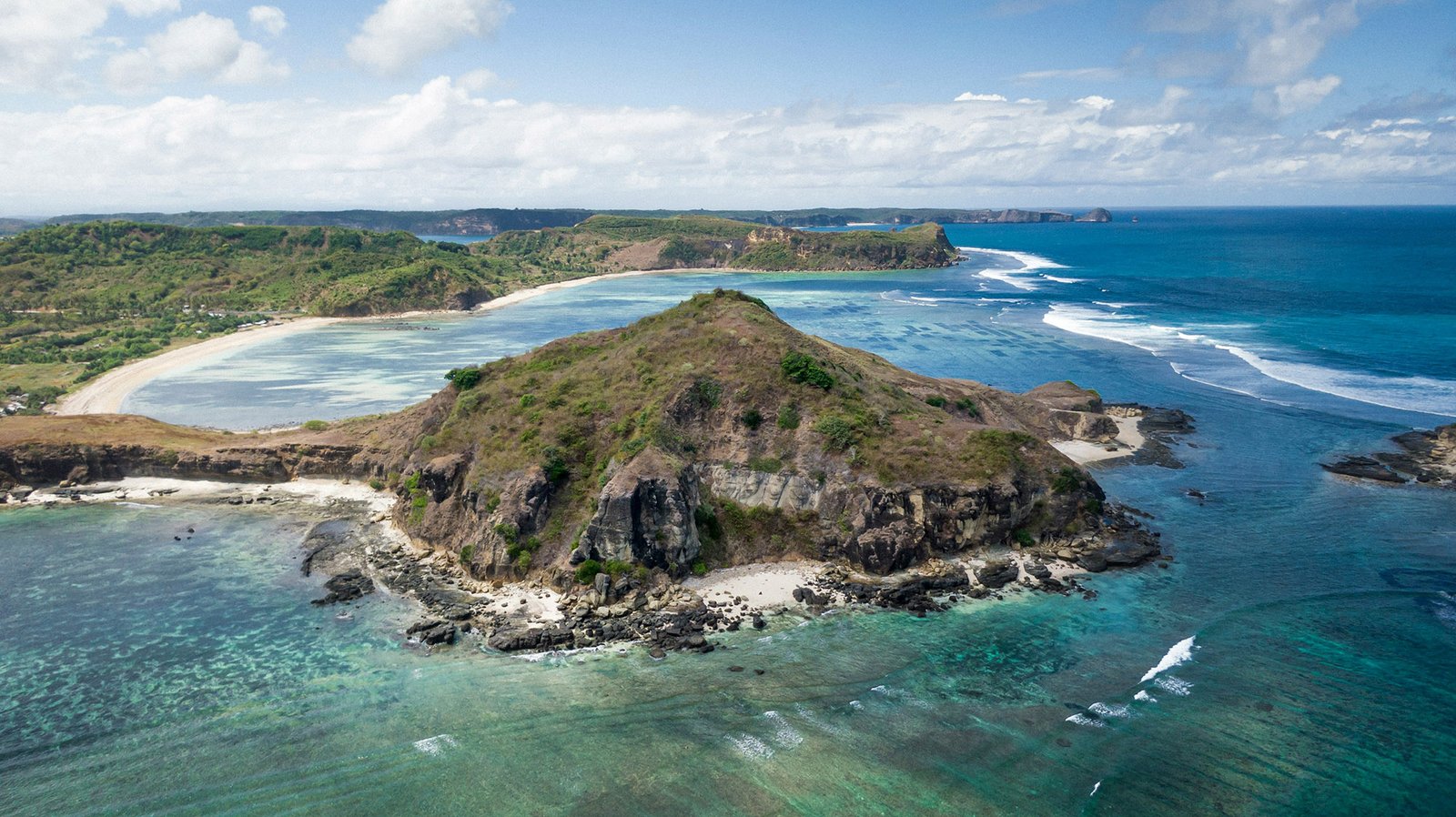
Selong Belanak
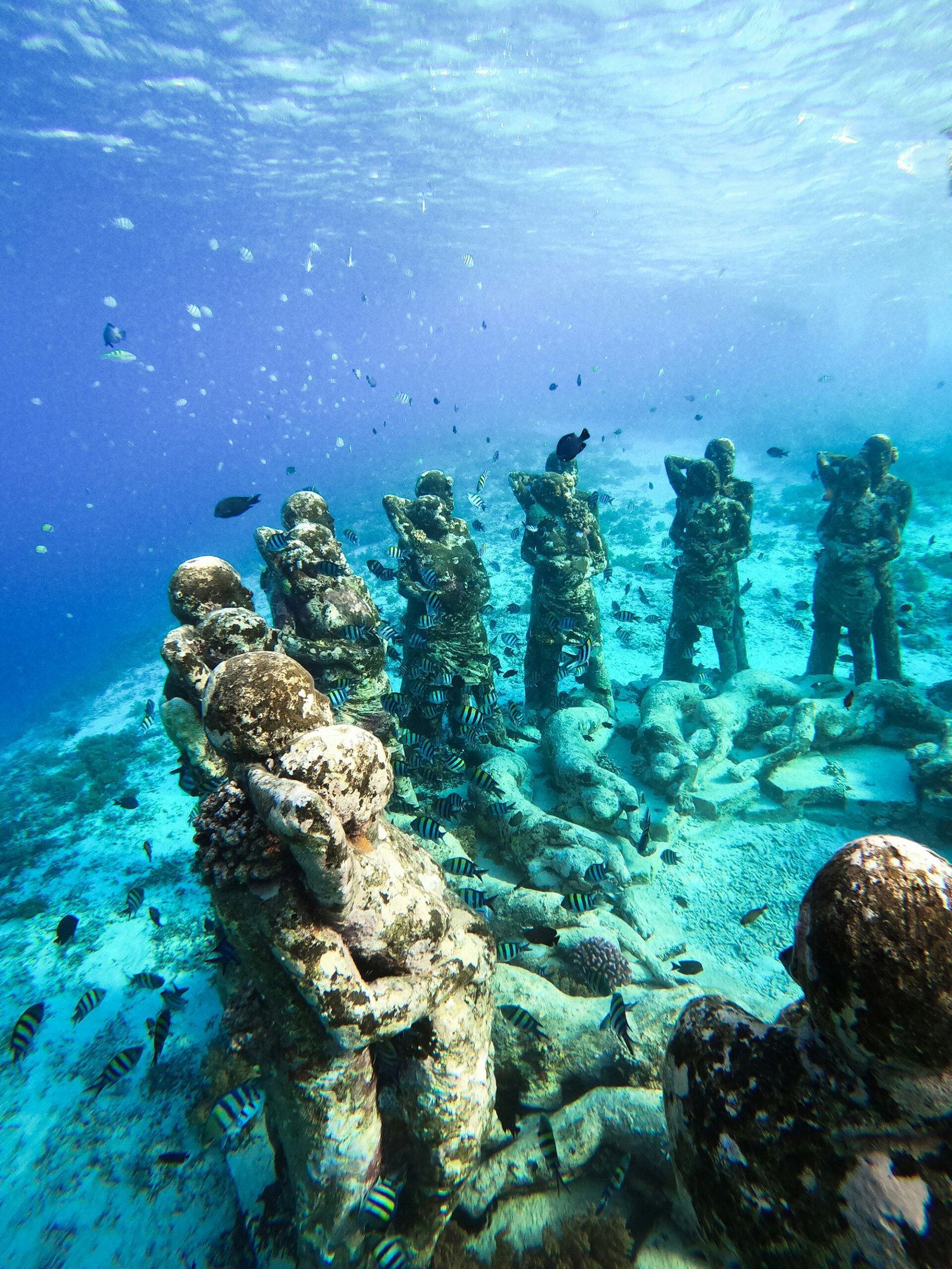
Snorkel with turtles off Gili Meno
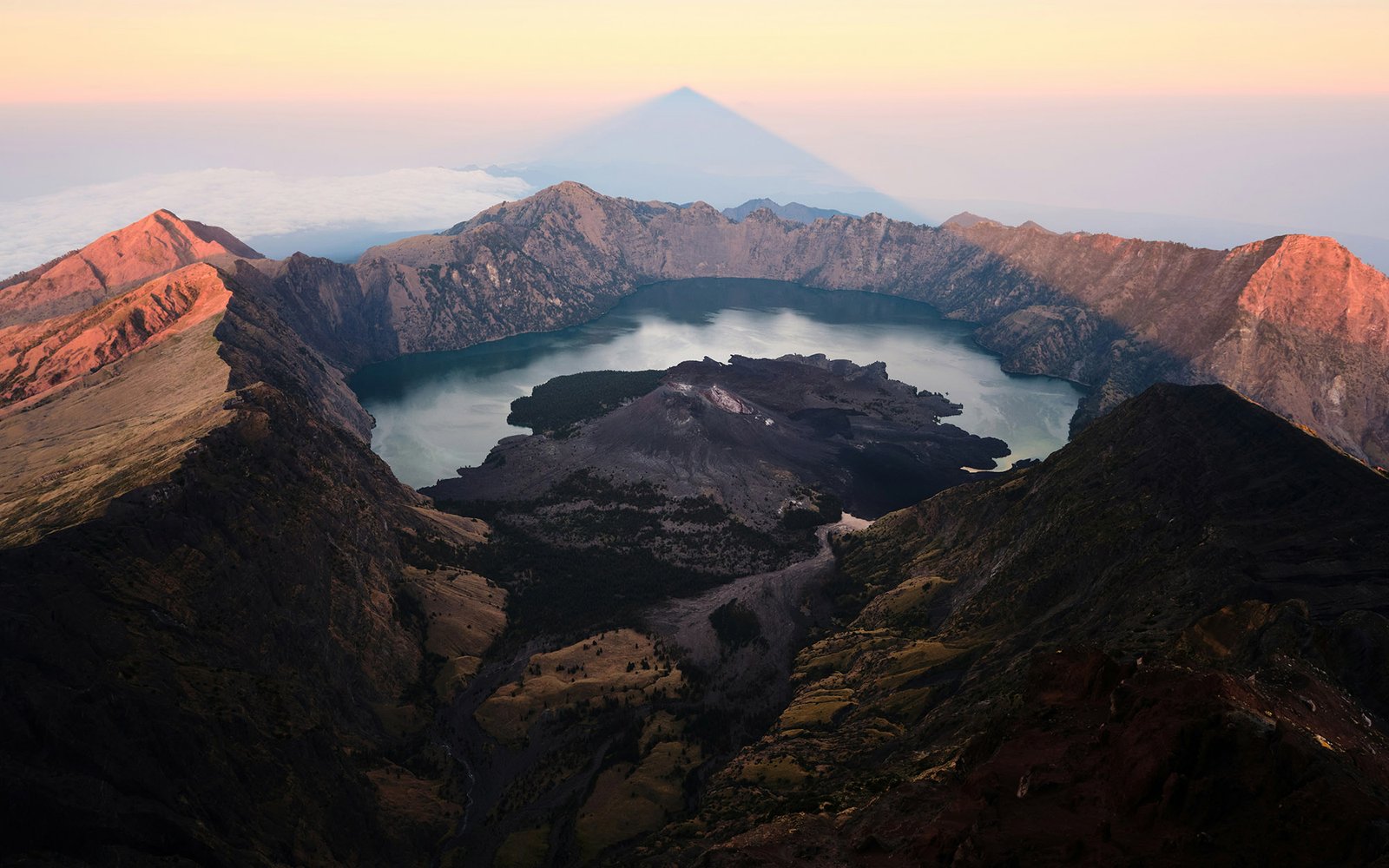
Trek Mount Rinjani to Segara Anak Lake
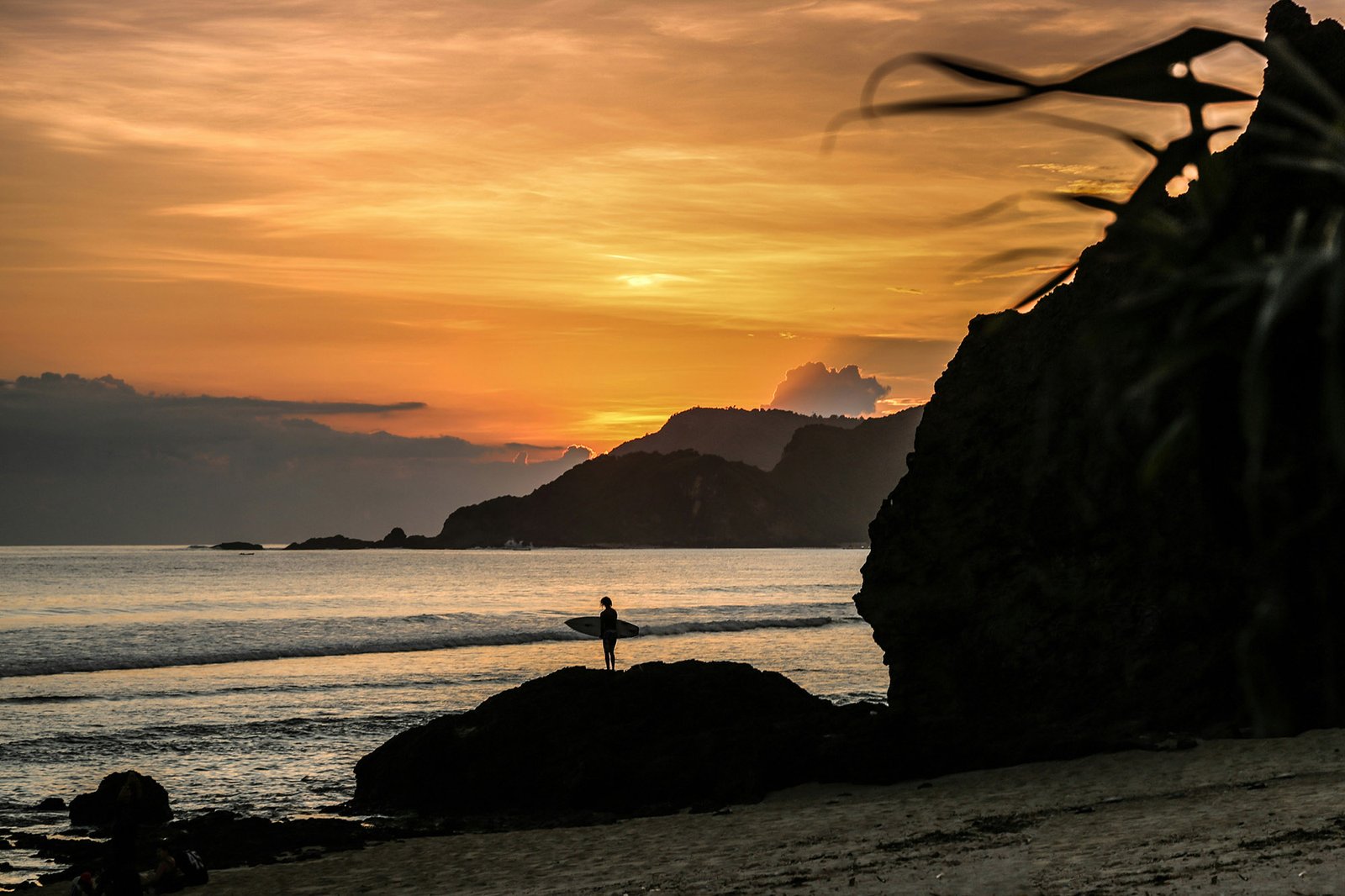
Surf at Selong Belanak
Ride a cidomo horse cart around Gili Trawangan
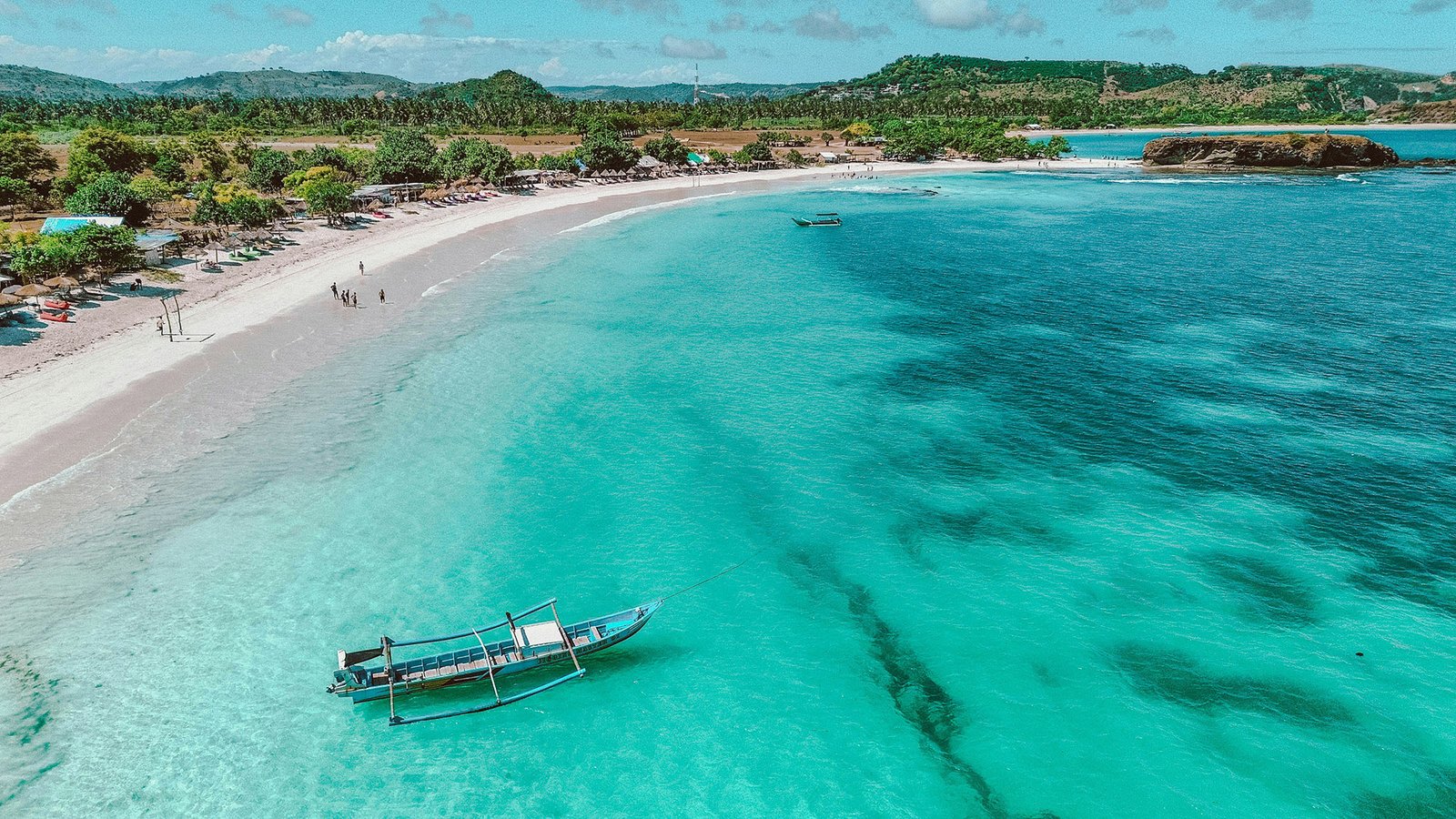
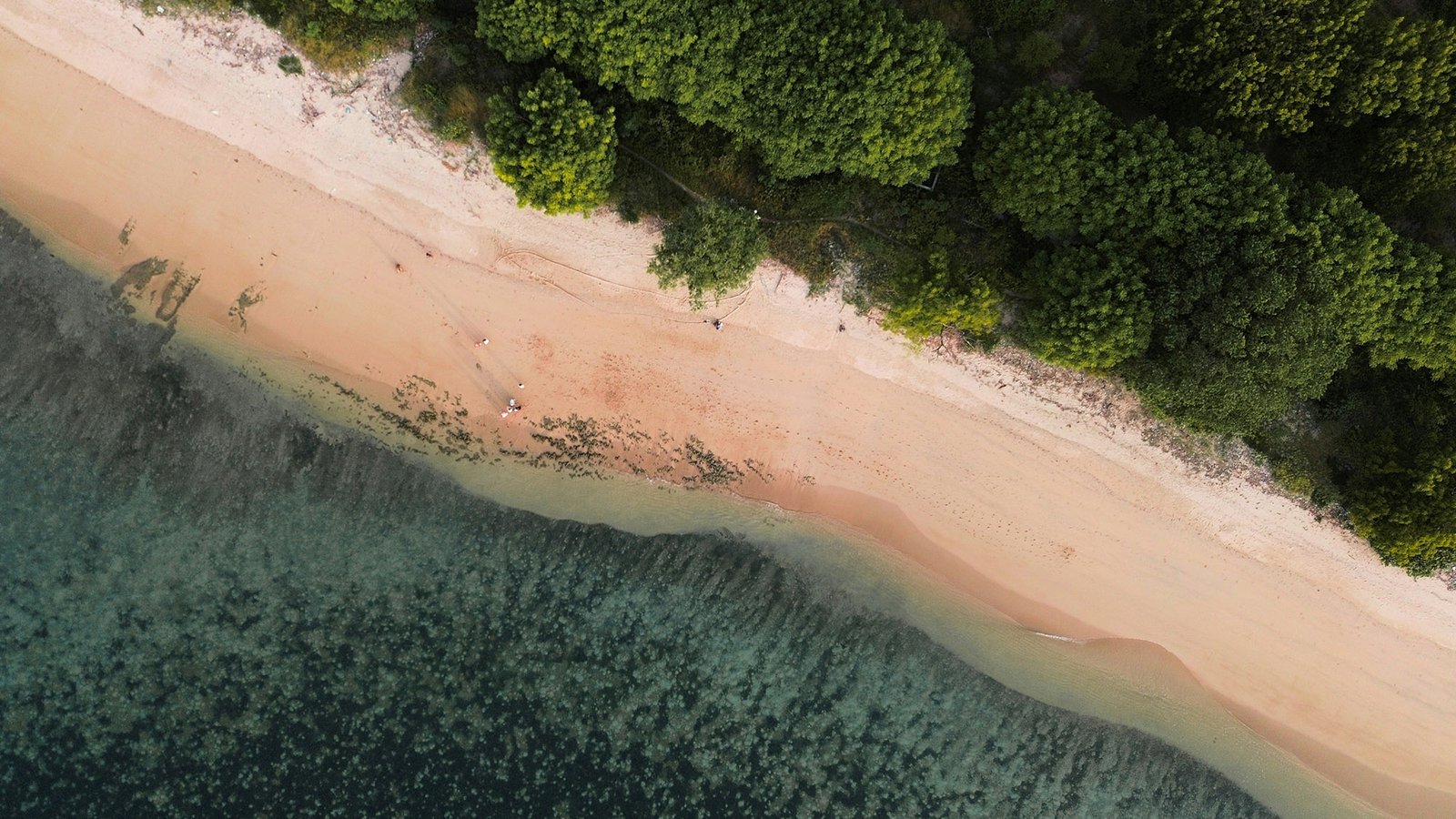
Swim at Pink Beach (Tangsi Beach)
Kuta Lombok
Mount Rinjani
Sade Village
Tanjung Aan
Benang Kelambu Waterfall
The dry season from May to September brings the calmest seas, clearest snorkelling visibility and the most reliable weather for a Mount Rinjani trek. The wet season, roughly November to March, brings heavier rain and rougher crossings between the Gilis, though the islands themselves rarely see prolonged bad weather. April and October sit comfortably between the two as shoulder months.
Lombok International Airport (LOP), near Praya in the island’s south, has direct flights from Bali, Jakarta and several other Indonesian cities, with a transfer of around an hour to reach the marinas near Senggigi or the boat crossing to the Gilis. Many guests combine this leg with a Bali charter beforehand, since the sailing between the two takes under a day in good conditions.
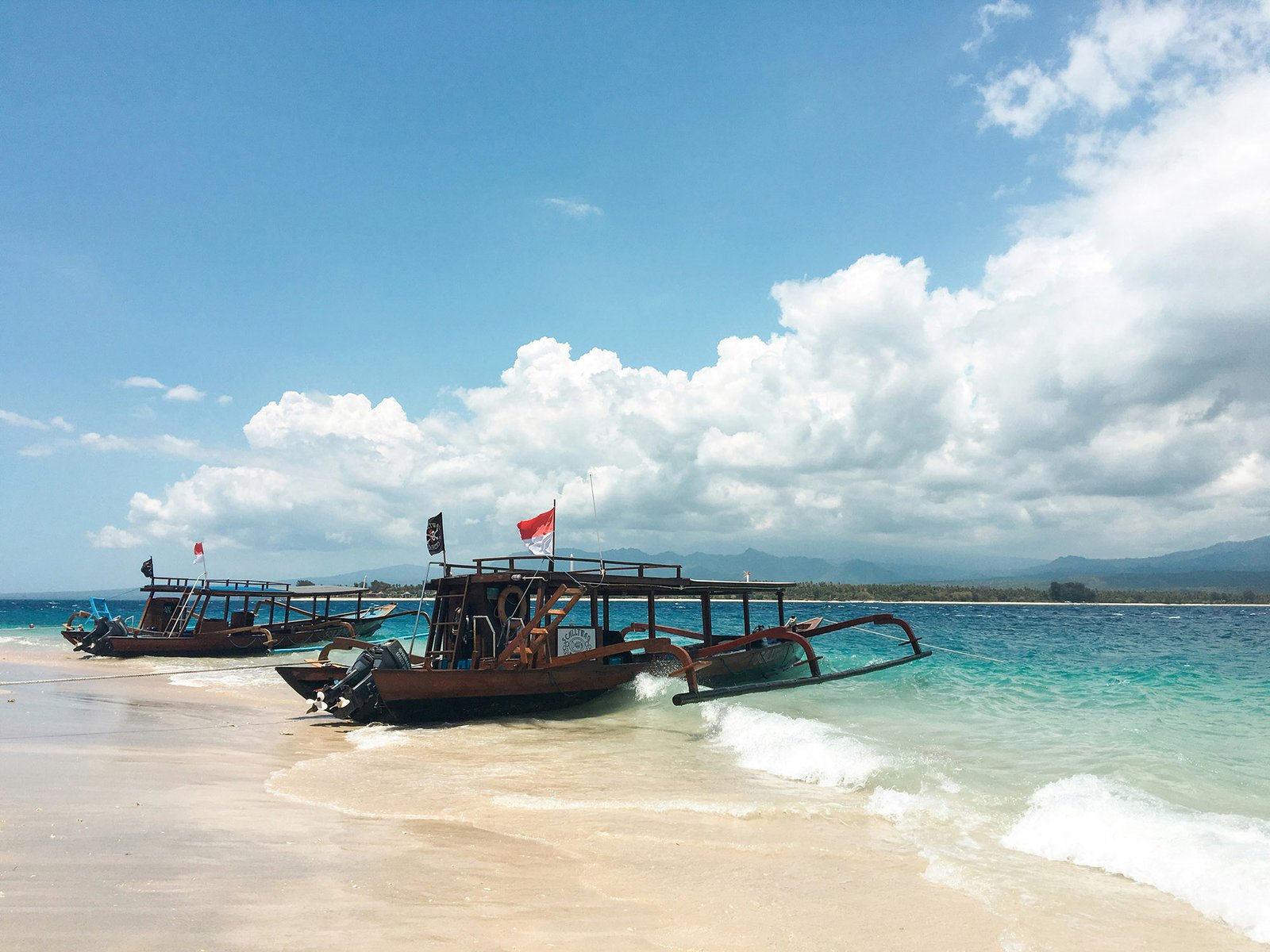
Gili Trawangan and Gili Air both offer reasonable holding off their main beaches, close enough to dinghy ashore for dinner or diving. Senggigi Bay, on Lombok’s mainland coast, gives a sheltered base for provisioning and airport transfers, while Selong Belanak on the south coast suits a day given over to surfing and swimming rather than an overnight stop.
Five to seven nights covers the Gilis at a relaxed pace with a day or two in hand for Lombok’s south coast beaches and a shorter cultural stop at Sade village. Guests wanting to add the two to three day Mount Rinjani trek should budget an additional block of time ashore, since it isn’t something to fit around a single overnight stop.
A long-standing agreement among the islands’ village councils bans all motorised vehicles, keeping the Gilis free of traffic noise and exhaust. Getting around ashore means walking, cycling or taking a horse-drawn cidomo cart, and welfare standards for the cart horses have been tightened in recent years with vet checks and capped working hours. The result is one of the quietest, slowest-paced island atmospheres left in Indonesia.