Japan
Tomonoura Harbour
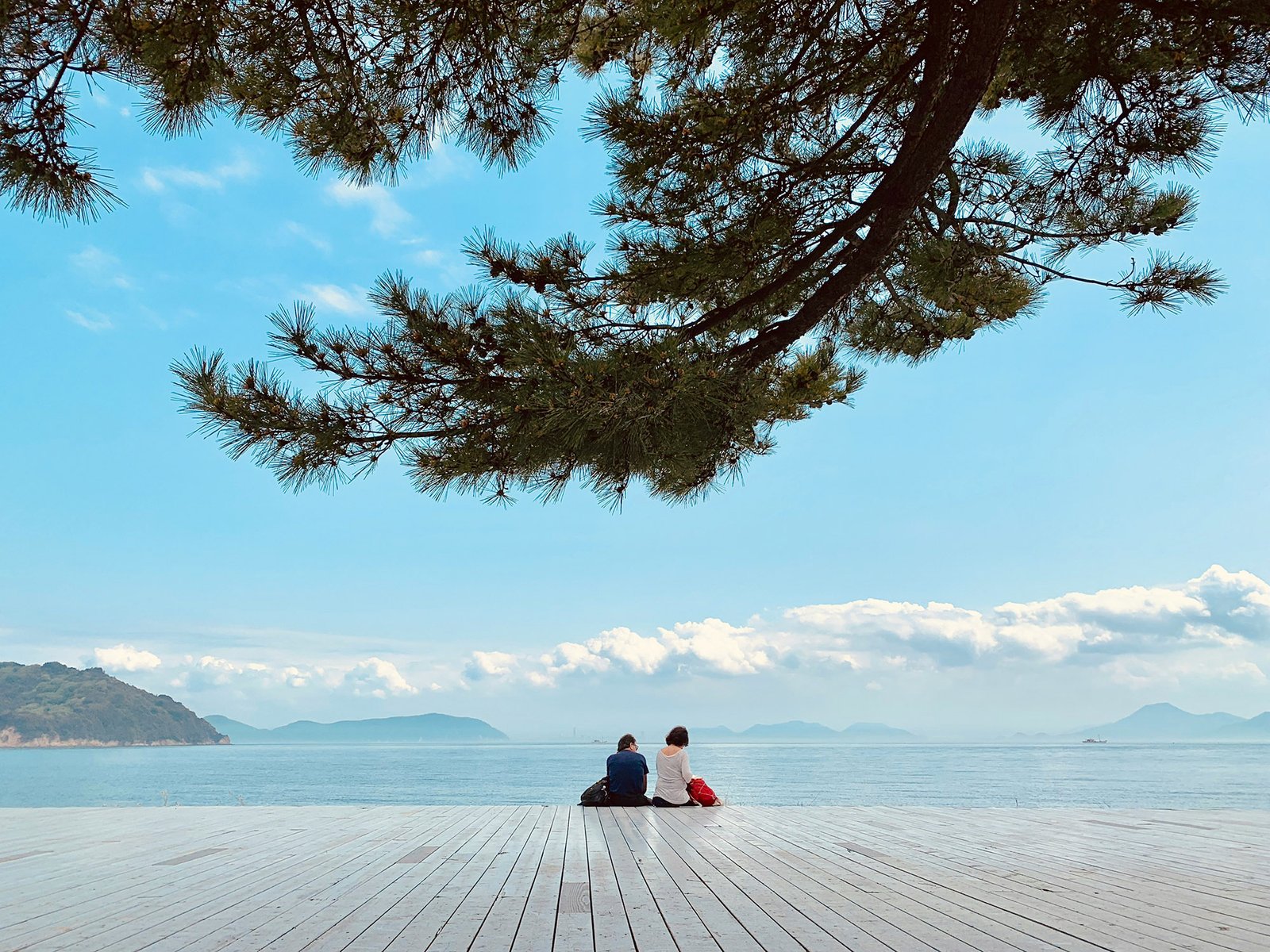
Naoshima
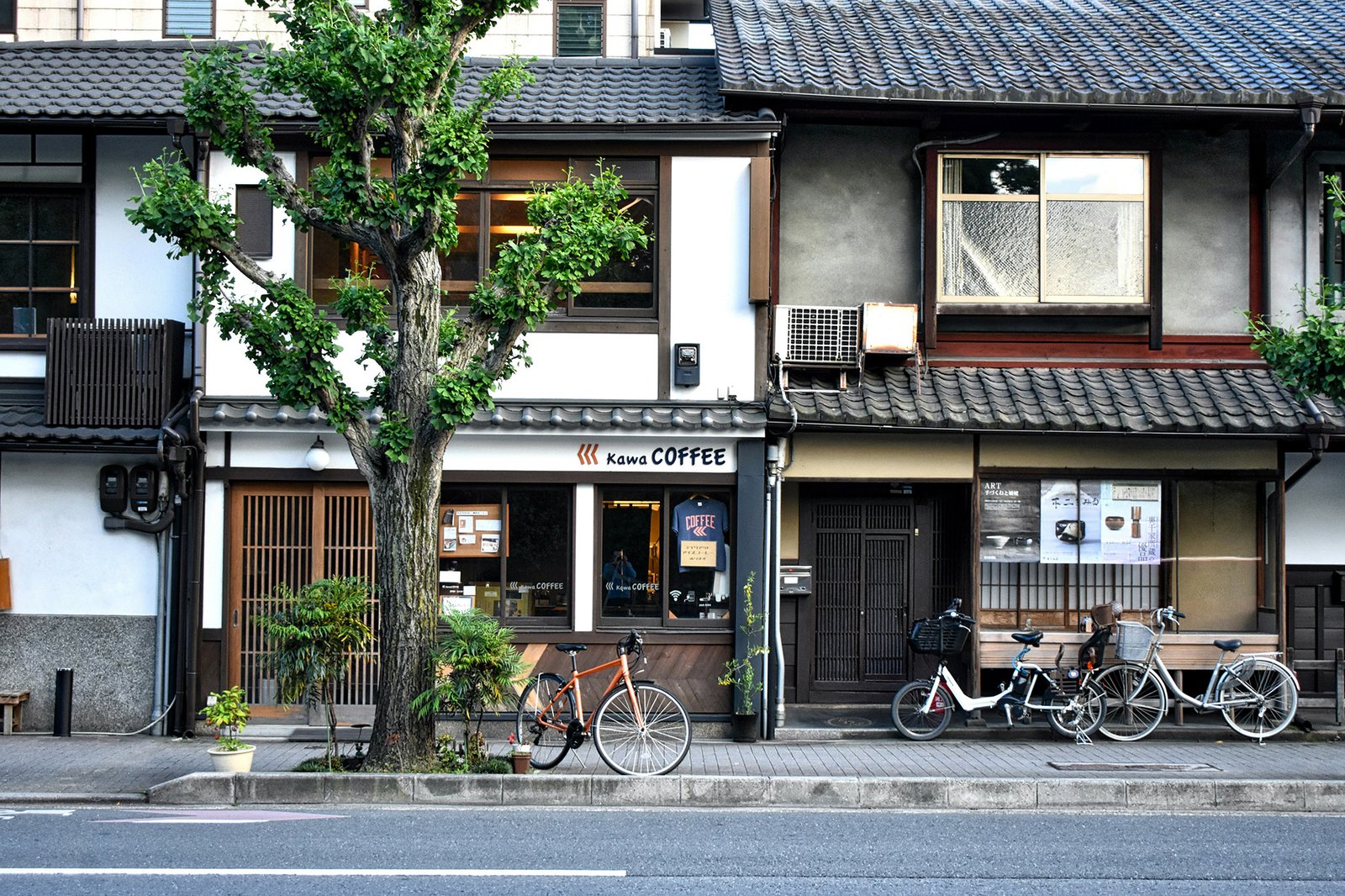
Onomichi
Kerama Islands, Okinawa
Shimonoseki
Visit the Benesse Art Site and its Yayoi Kusama pumpkin sculpture on Naoshima
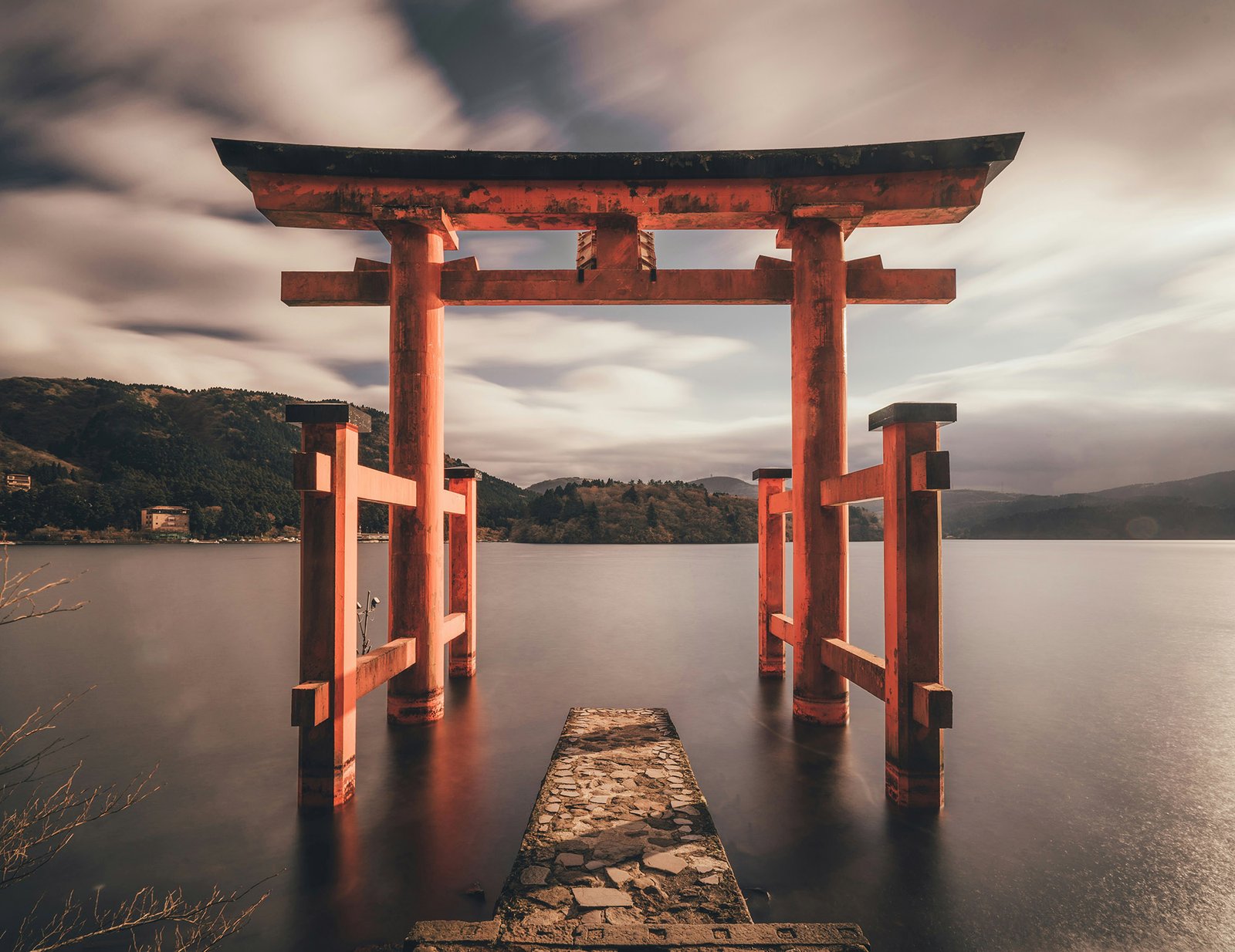
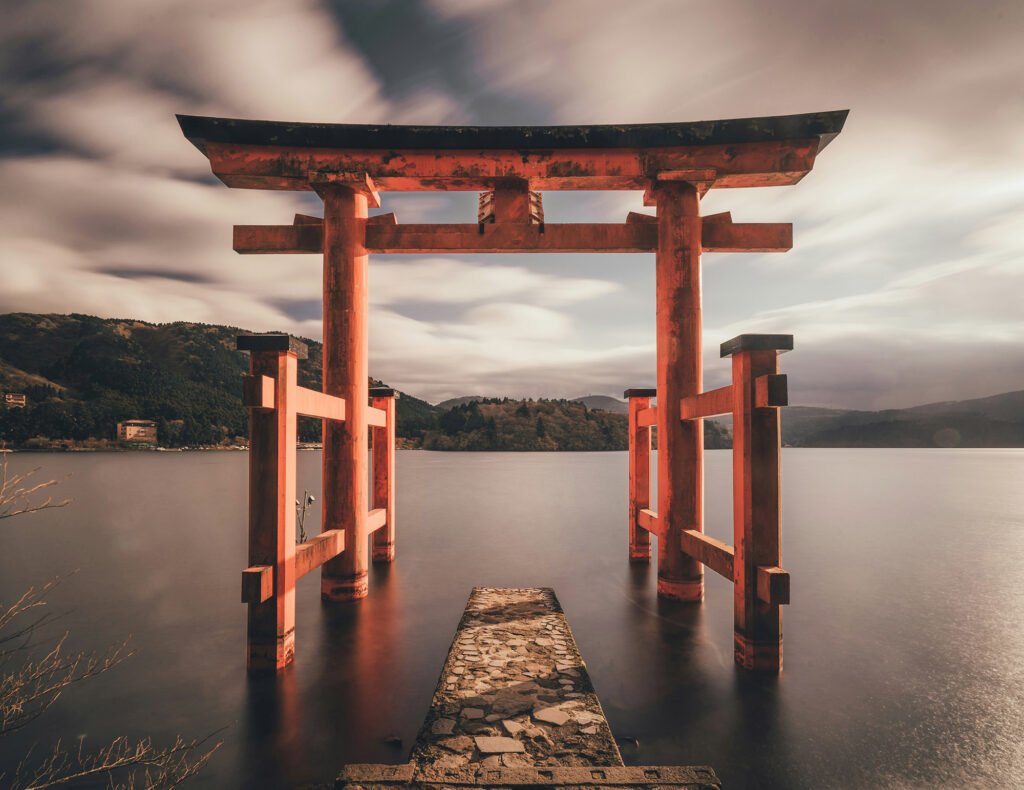
Walk beneath Miyajima’s floating torii gate at high tide
Cross the Shimanami Kaido cycling route between Onomichi and Imabari
Watch the whirlpools from the Uzunomichi walkway at Naruto
Snorkel or dive the reefs of the Kerama Islands
Miyajima (Itsukushima Shrine)
Naoshima
Onomichi
Kobe
Naha, Okinawa
Spring, in April and May, and autumn, in October and November, offer the calmest conditions for the Seto Inland Sea, with mild temperatures and the Inland Sea’s naturally sheltered, low-swell water at its best. Typhoon season runs roughly August to October and can disrupt a Honshu-Shikoku itinerary, while Okinawa’s subtropical waters stay warm enough to charter from March through November, with humpback whales passing through from January to March.
Kansai International Airport (KIX), built on an artificial island in Osaka Bay and opened in 1994, is the main gateway to the Seto Inland Sea, with Osaka and Kobe both under two hours away by train or car. For Okinawa’s Kerama Islands, Naha Airport connects domestically to Tokyo and internationally to several Asian hubs, putting guests on the water within an hour of landing.
Tomonoura and Onomichi both offer sheltered, historic harbours with an easy walk into an old townscape, while Naoshima’s own small port puts guests within walking distance of the Benesse art museums. In Okinawa, the Kerama Islands provide calm, reef-fringed anchorages close enough together to move between several of them in a single day, a rarer luxury in Japan’s more scattered northern cruising grounds.
A week gives enough time to island-hop across the Seto Inland Sea at an unhurried pace, combining Naoshima’s art, Miyajima’s shrine and a night in a historic port like Tomonoura or Onomichi. Guests wanting to add Okinawa’s subtropical diving usually treat it as a separate, standalone leg, since the two regions sit roughly 1,000 kilometres apart and see quite different weather.
Yes: the Naruto Strait, at the Inland Sea’s eastern gateway, produces whirlpools up to 20 metres across when tidal currents funnel between the Pacific and the Inland Sea, ranked among the world’s three largest tidal currents. They peak twice daily around spring tides, so timing a passage or a stop at the nearby Uzunomichi walkway, suspended 45 metres above the strait, around the tide tables makes the difference between a dramatic show and calm water.

Tell us what you would like to know, and our team will respond with clear details on availability, specification, pricing and next steps.