Leeward Islands / Sint Eustatius

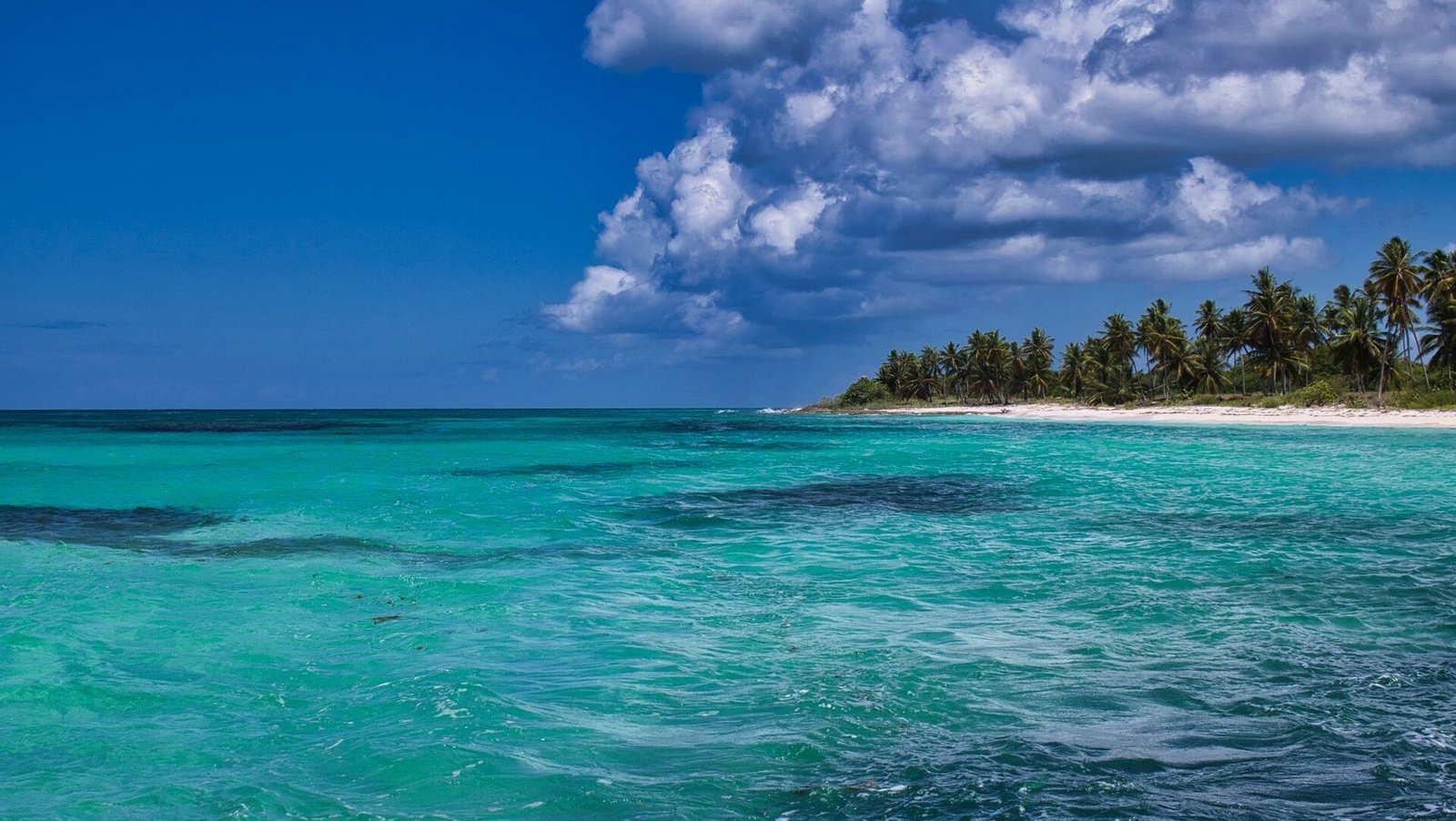
Oranje Bay
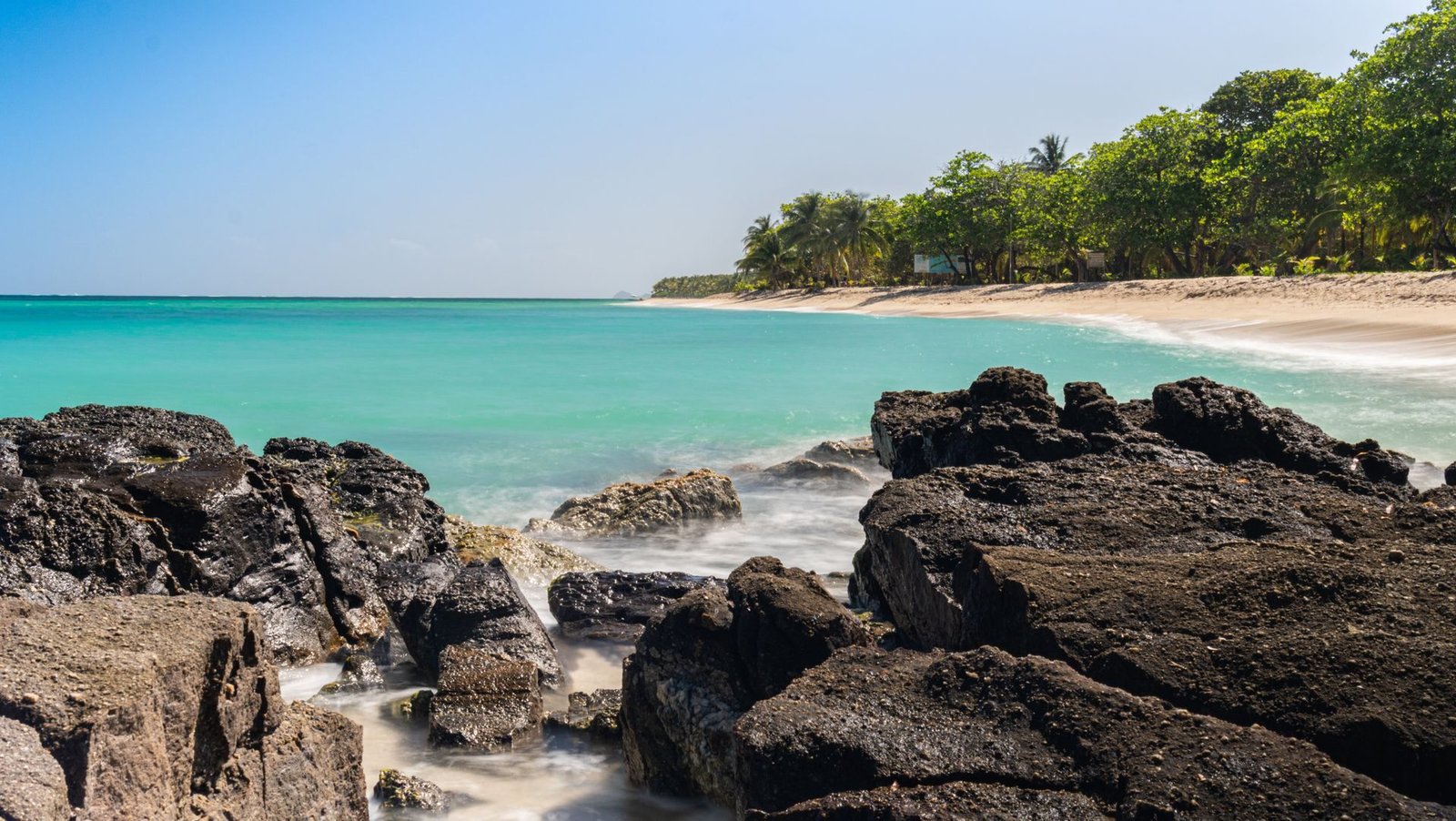
Lynch Beach
Zeelandia Bay
Corre Corre Bay
Double Wreck
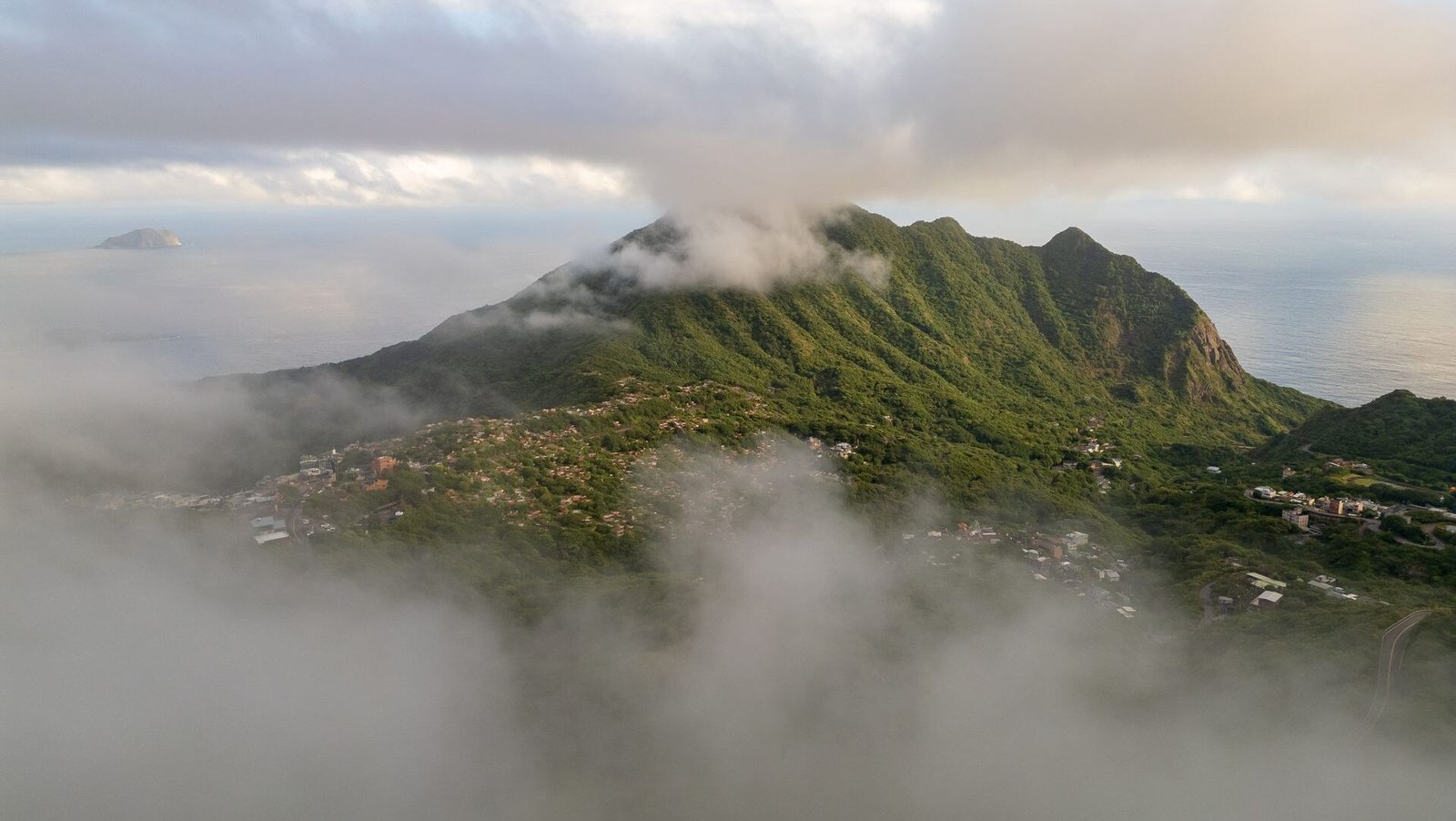
Hike the crater trail into The Quill’s rainforest
Dive the Charles L. Brown wreck
Search for blue beads after a rain shower
Tour Fort Oranje and the Lower Town ruins
Snorkel the anchors at Double Wreck
Fort Oranje
Lower Town, Oranjestad
Upper Town, Oranjestad
The Quill/Boven National Park
St. Eustatius Historical Foundation Museum
December through April brings the calmest seas and driest weather for hiking The Quill and diving the marine park. May through November is hurricane season, quieter with fewer visitors but a higher chance of swell and rain. Because Statia has really only one sheltered anchorage, off Oranjestad, captains generally plan the visit around a settled weather window rather than switching to a different coast, unlike islands with anchorages on both shores.
There’s no direct international service; F.D. Roosevelt Airport (EUX) is reached by an eighteen-minute hop from Sint Maarten’s Princess Juliana International, or a slightly longer connection from St Kitts. A ferry and a speedboat service also run between St Kitts and Statia in about an hour. Most charter guests fly into Sint Maarten and either transfer by air or join their yacht already under way.
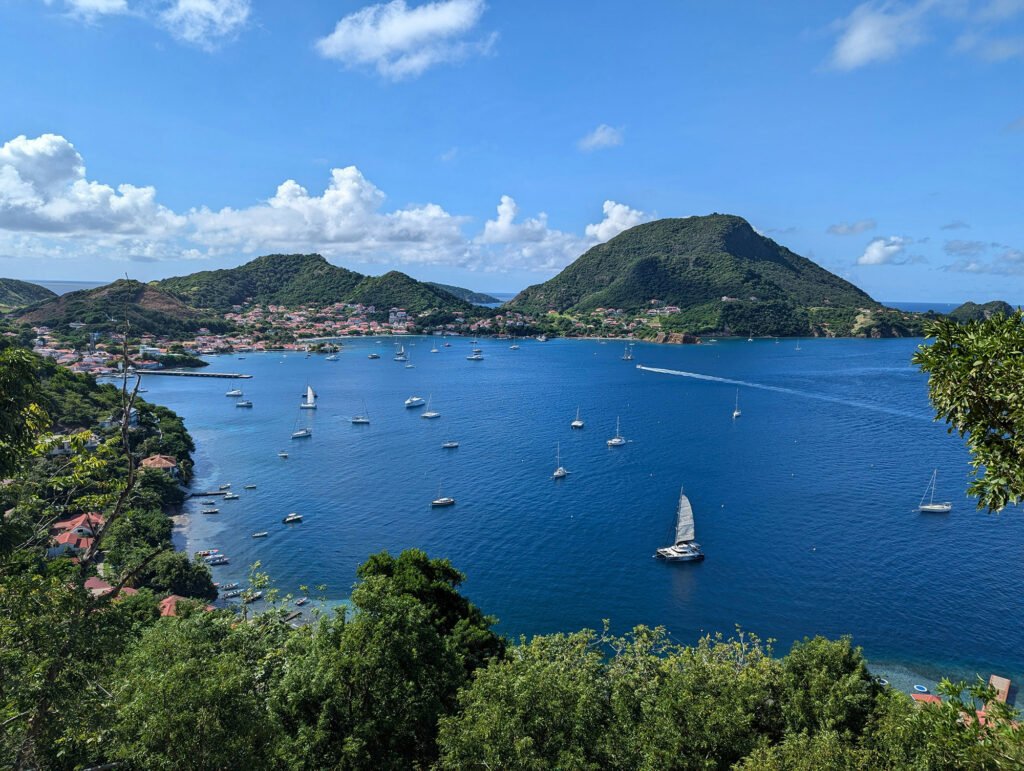
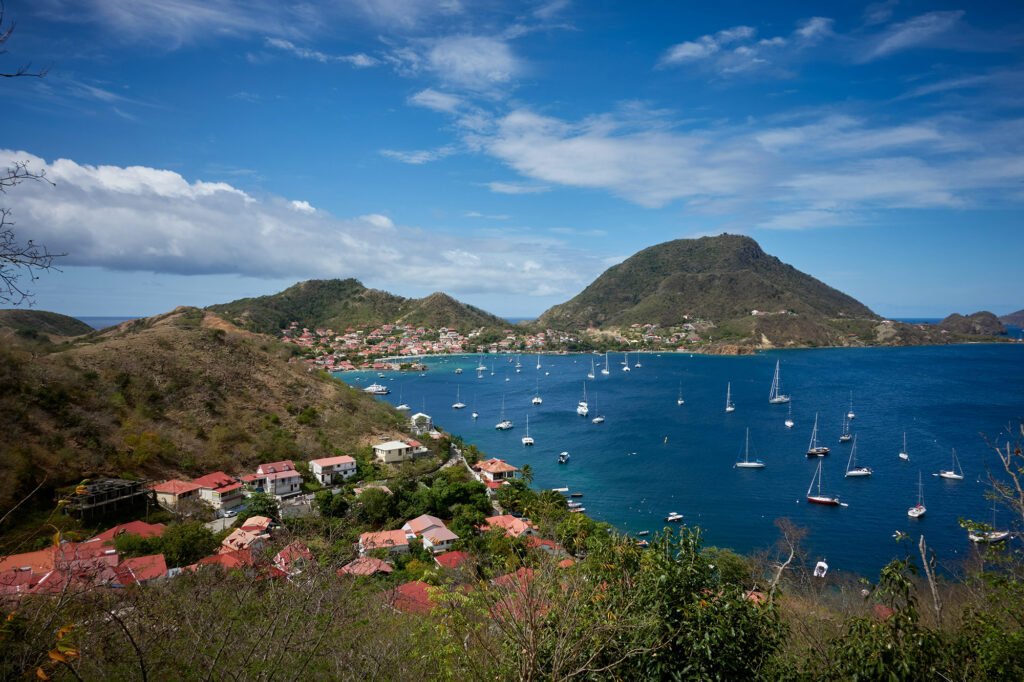
Oranje Bay, in front of Oranjestad, is the island’s one sheltered overnight anchorage and the natural base for exploring the marine park. Double Wreck, a short tender ride away, offers shallow, calm-water snorkelling over centuries-old anchors, while the deeper Charles L. Brown wreck rewards divers willing to venture a little further offshore.
One or two nights suit most itineraries, enough for a morning hike up The Quill, an afternoon dive or two, and a wander through Lower Town’s ruins. Because Statia has only the one real anchorage, most captains treat it as a quiet, low-key stop between livelier islands such as Sint Maarten, Saba or St Kitts rather than a week-long base in its own right.
They’re antique glass trade beads, once used as a form of currency among enslaved people on the island, and some accounts say enslaved men and women cast them into the sea when slavery was abolished in the Dutch Antilles in 1863. They still occasionally wash up on Statia’s beaches or turn up while diving, and island tradition holds that finding one means you’re destined to return.

Tell us what you would like to know, and our team will respond with clear details on availability, specification, pricing and next steps.