Turkey

Gulf of Gökova
Kekova Roadstead
Datça Peninsula
Knidos
Loryma Bay
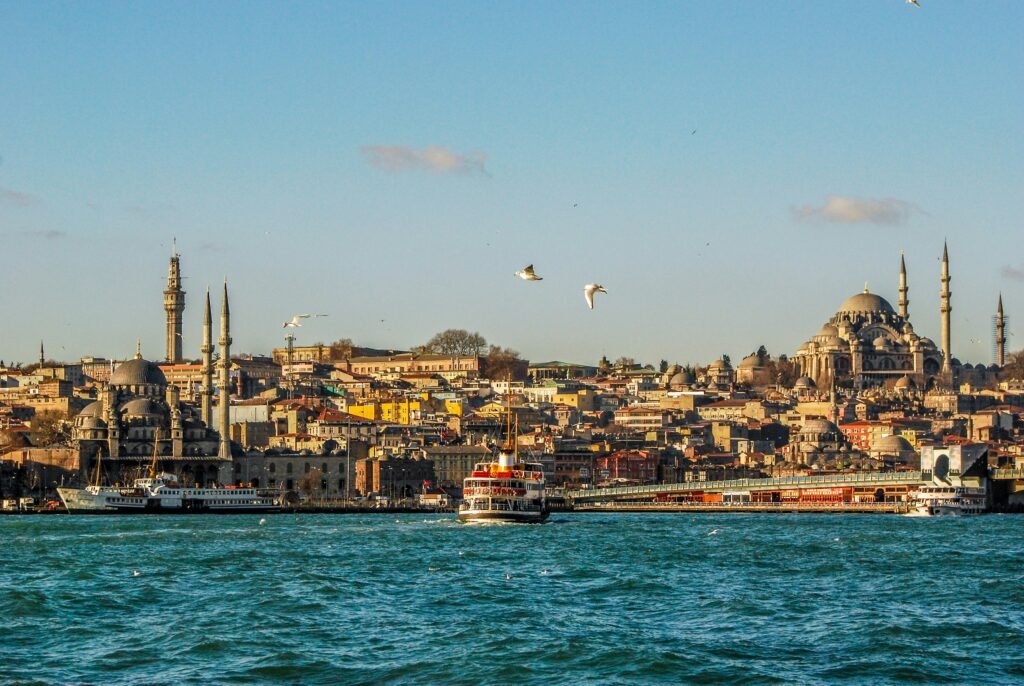
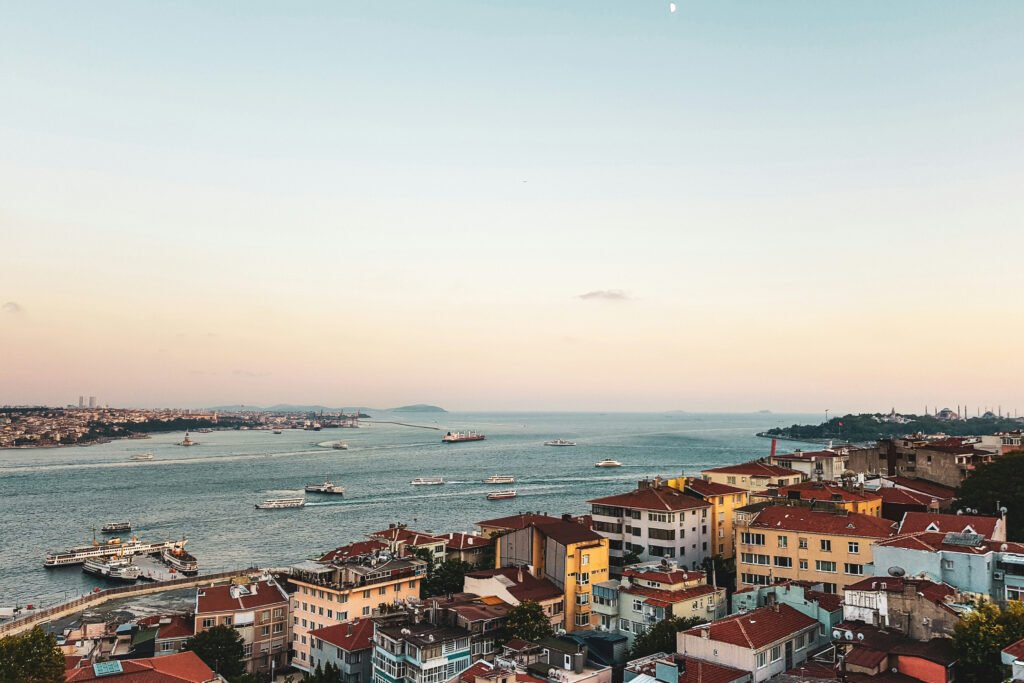
Cruise the Bosphorus in Istanbul
Sail a traditional gulet Blue Cruise
Dive the wrecks off Kaş
Explore the ancient ruins of Troy
Relax in a traditional Turkish hammam
Istanbul
Ephesus
Pamukkale
Cappadocia
Kuşadası
May through October gives the most reliable sailing along Turkey’s Aegean and Mediterranean coasts, with July and August the warmest but also the windiest, when the meltem builds through the afternoon and usually eases by early evening. June and September strike a good balance: sea temperatures around 24-26°C, quieter marinas, and steadier morning conditions for longer passages. Charters outside this window are largely limited to the more sheltered waters around Antalya, where winters stay comparatively mild.
It depends on the coast. Istanbul Airport (IST) and Sabiha Gökçen (SAW) serve the Bosphorus and Sea of Marmara, Milas-Bodrum Airport (BJV) sits 36 kilometres from Bodrum’s marinas, Dalaman Airport (DLM) serves both Marmaris (around 90 kilometres away) and Fethiye (roughly 50 kilometres), and Antalya Airport (AYT) is about 13 kilometres from the old harbour at Kaleiçi. Most charter guests fly into whichever gateway sits closest to their embarkation marina rather than routing everything through Istanbul.
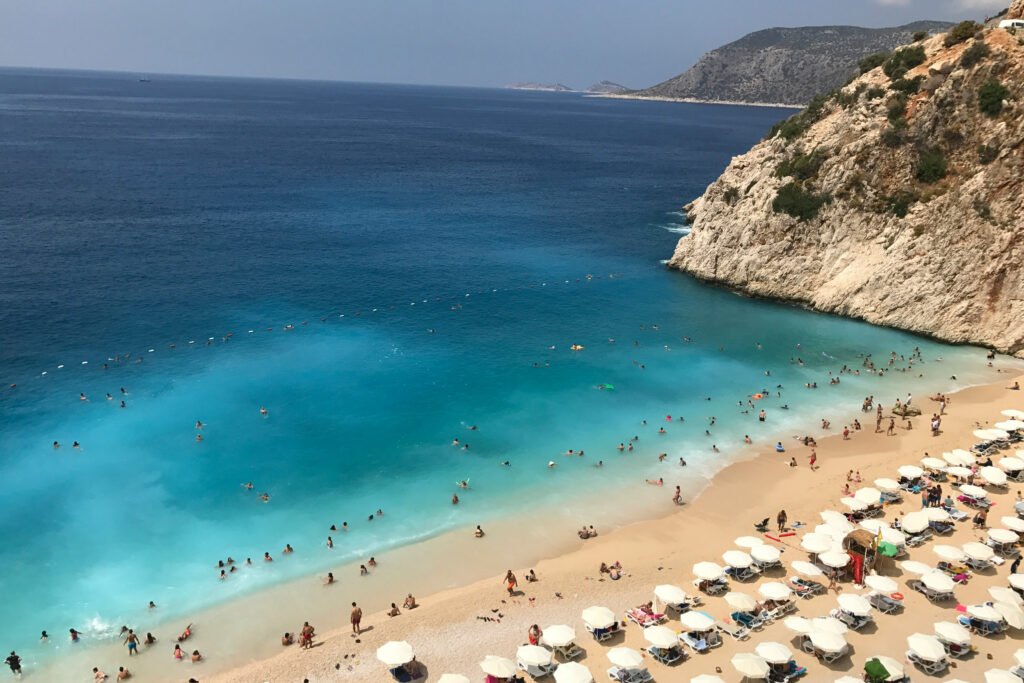
The Gulf of Gökova stands out for its pine-lined coves and near-total shelter from the meltem, making it a favourite for longer stays. Kekova’s roadstead adds a genuine curiosity: the ruins of a Lycian city, partly submerged by an ancient earthquake, are visible through clear water just off the anchorage. Further west, Knidos, at the tip of the Datça peninsula, pairs a small working harbour with an excavated ancient city on the headland directly above it.
Seven to ten days is enough to cover one coast properly, either the Bodrum-to-Marmaris stretch of the Aegean or the Fethiye-to-Antalya run along the Turquoise Coast, without rushing between anchorages. Combining both in one charter is possible but usually means a longer repositioning cruise or a short flight between Dalaman and Antalya partway through. Guests who also want Istanbul and the Bosphorus generally treat it as a separate, shorter trip rather than folding it into a coastal itinerary.
Yes. Every foreign-flagged yacht entering Turkish waters needs a Transitlog, an official document recording the vessel, owner, crew and guests, issued through the harbour master’s office or the e-Transitlog online system alongside clearance from customs, passport police and health authorities on arrival. It stays valid for one year, though any change of crew or guests during that period has to be reported at the nearest harbour master. Most charter brokers and marina agents handle this on the client’s behalf.