Virgin Islands / British Virgin Islands / Cooper Island
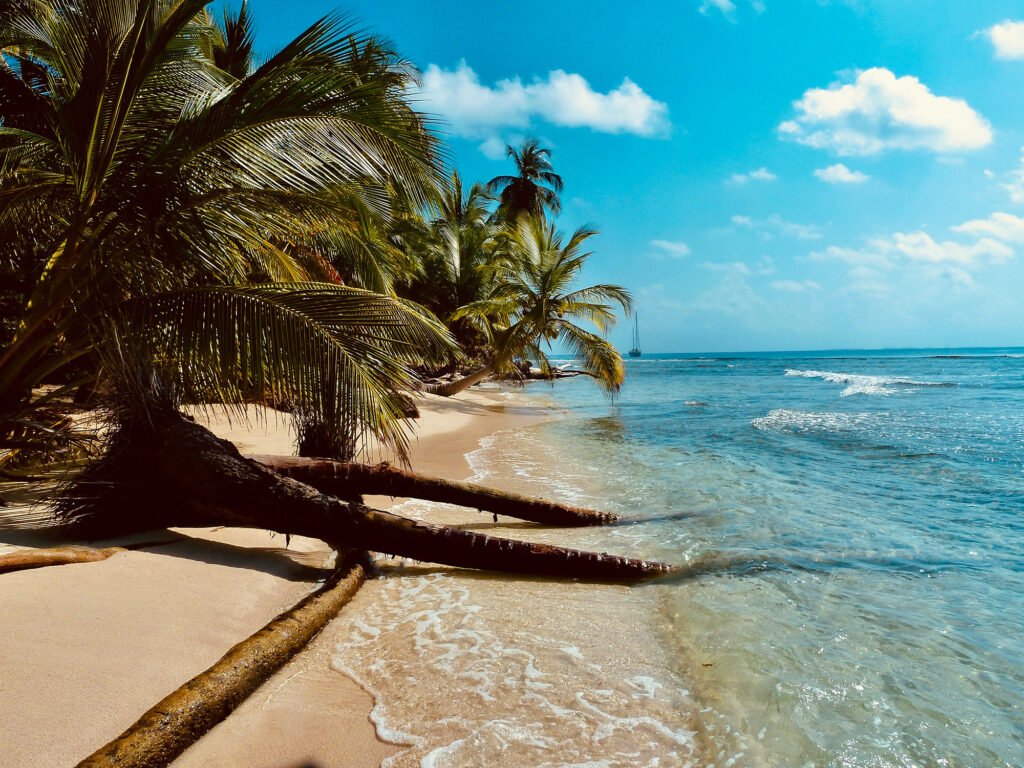
Manchioneel Bay
Carvel Bay
Haulover Bay
Cistern Point
Markoe Point
Snorkel between Cistern Point and Cistern Point Rock
Taste a flight from the Rum Bar’s 400-plus bottles
Sample a solar-brewed beer from the on-site microbrewery
Sip organic coffee at the Coffee Box
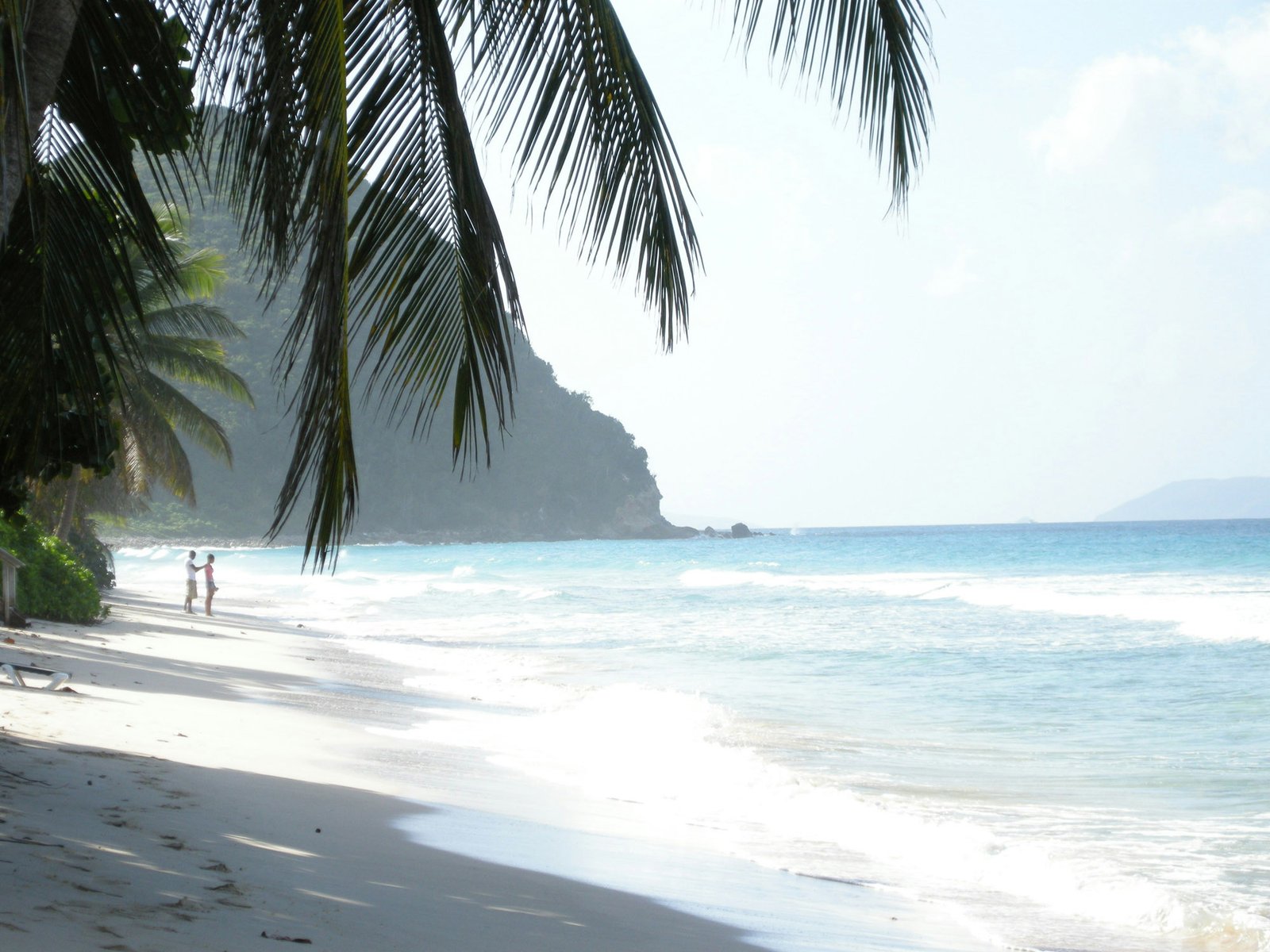
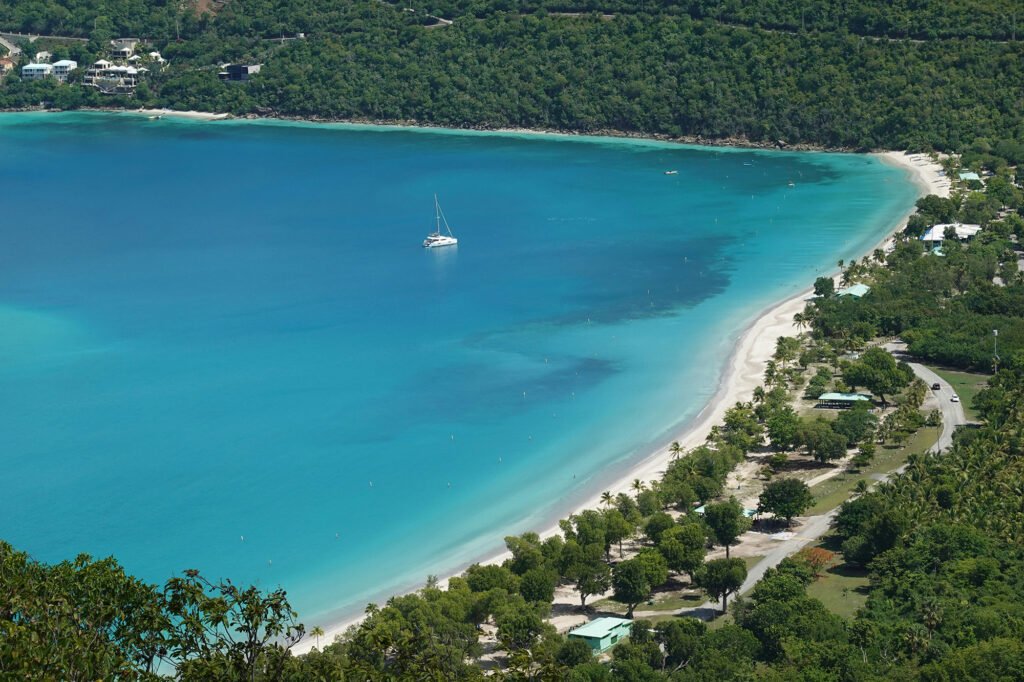
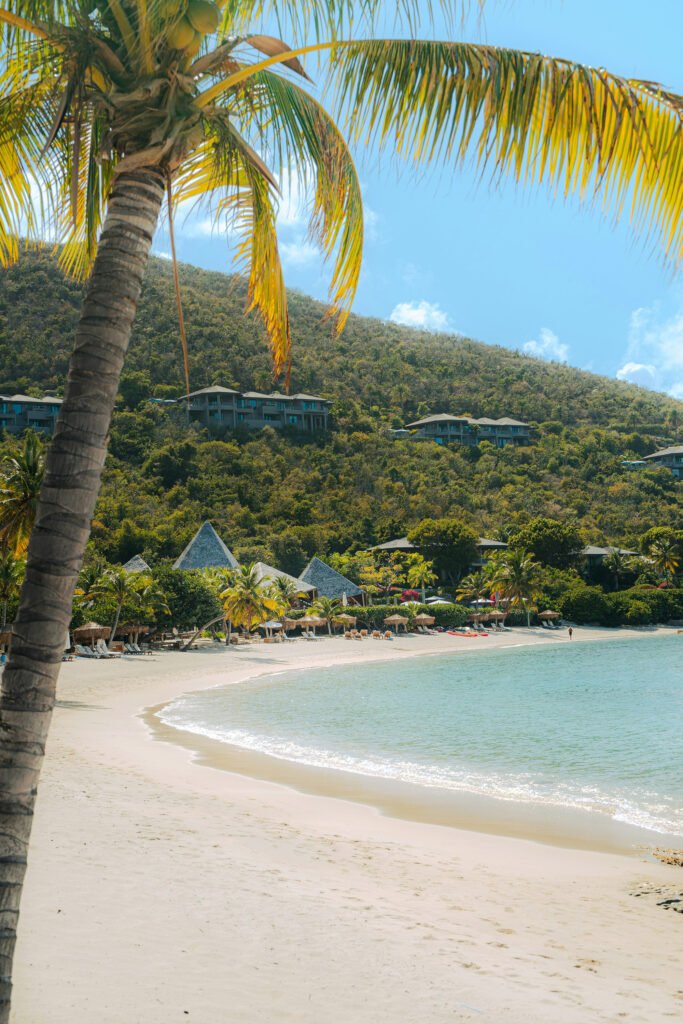
Swim off Manchioneel Bay’s palm-fringed sand
Quart-a-Nancy Point
Ginger Island
The Rum Bar
The Coffee Box
Cooper Island Beach Club’s eco-boutique
November through May offers the calmest conditions for picking up a mooring in Manchioneel Bay, with December through April the busiest as boats work their way along the Sir Francis Drake Channel. The beach club itself closes for a period around late summer and early autumn most years for maintenance and hurricane season, so it’s worth checking dates before building an itinerary around a night ashore there.
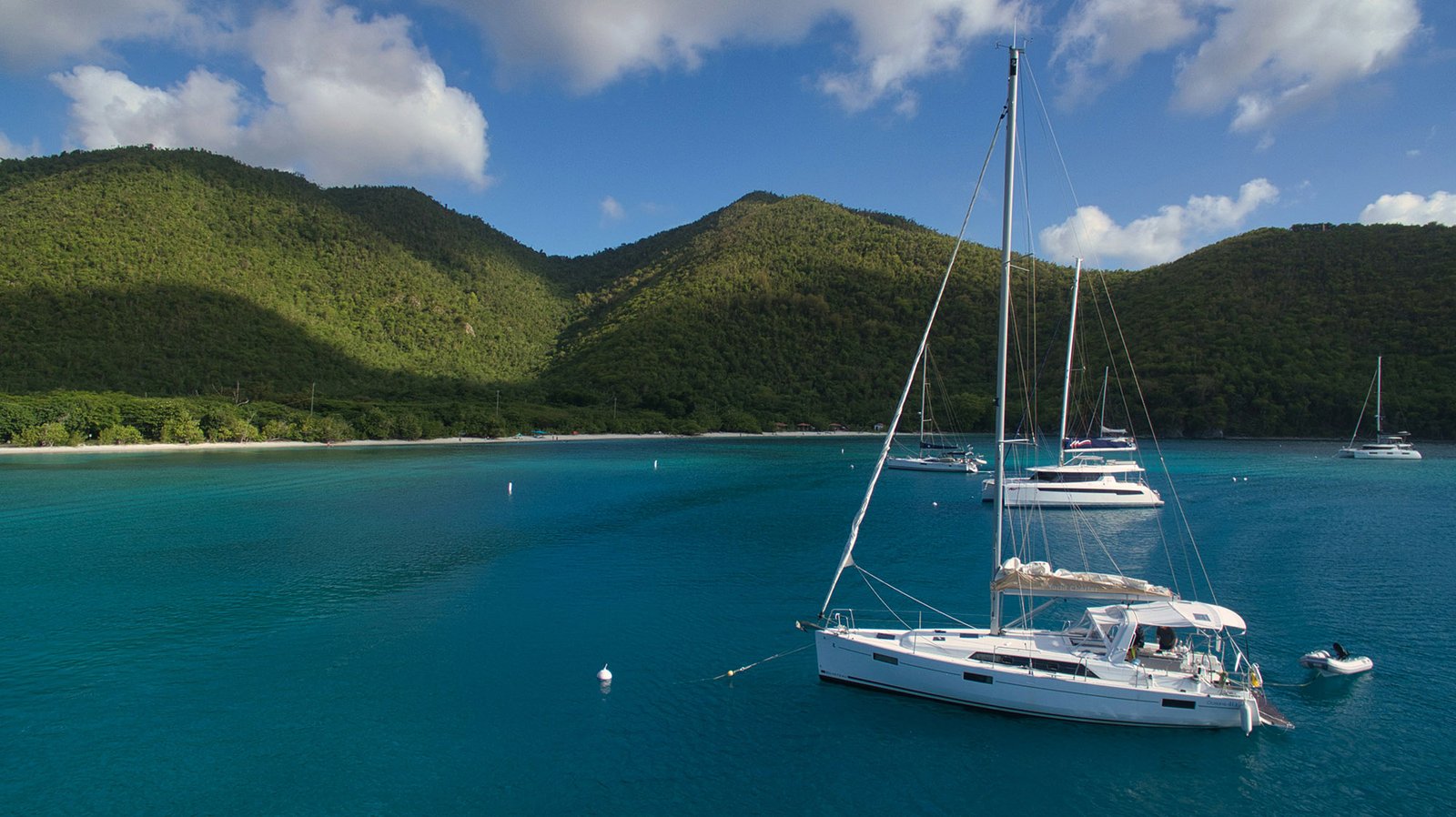
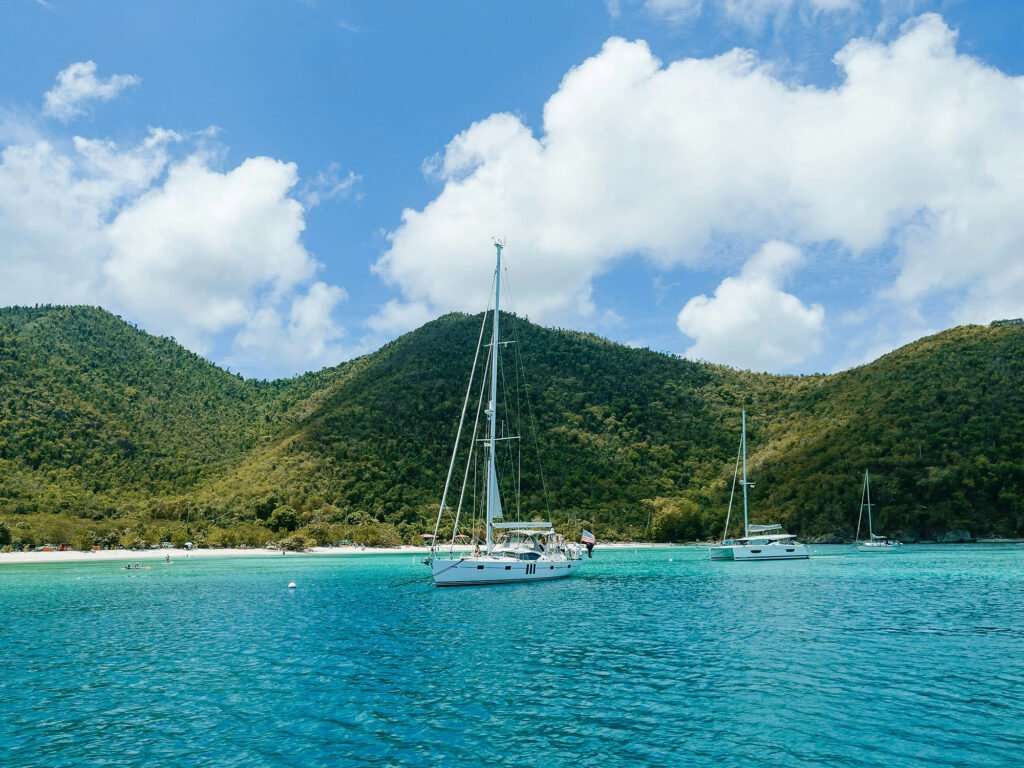
Cooper Island has no airport or ferry dock of its own; every visitor arrives by boat, either aboard a private yacht or on the beach club’s own ferry from Road Town or Trellis Bay on Tortola, a crossing of roughly forty-five minutes. Most charter guests simply sail down the Sir Francis Drake Channel from Tortola or Virgin Gorda and pick up one of the thirty moorings in Manchioneel Bay directly.
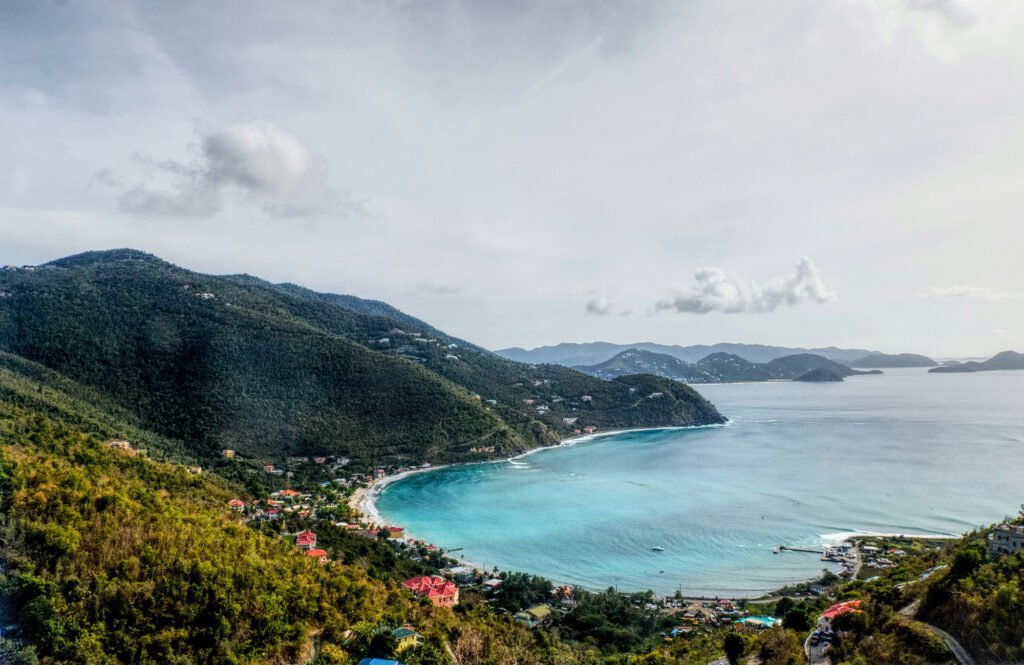
Almost everyone picks up one of the thirty moorings in Manchioneel Bay, since anchoring there is prohibited to protect the seagrass on the bay floor. Carvel Bay and Haulover Bay, on the island’s other shores, offer quieter daytime stops in settled weather but little shelter overnight. Cistern Point and Markoe Point, both a short swim or dinghy ride from Manchioneel Bay, are for snorkelling and diving rather than anchoring.
One night is typical, enough for an afternoon snorkel at Cistern Point, dinner at the beach club and a slow morning before moving on. Cooper Island works well as a short stop within a wider Sir Francis Drake Channel itinerary, sitting conveniently between Salt Island, Ginger Island and the busier anchorages of Tortola and Virgin Gorda, rather than as a destination guests build an entire charter around.
The resort runs almost entirely on solar power, generates its own beer in an on-site microbrewery producing two thousand litres per batch, and treats its wastewater to EU bathing standards before it returns to the sea, an unusually self-sufficient setup for a small island with no roads or mains utilities. That independence let it recover quickly after Hurricanes Irma and Maria destroyed it in 2017, reopening under the same eco-conscious model in April 2018.

Tell us what you would like to know, and our team will respond with clear details on availability, specification, pricing and next steps.