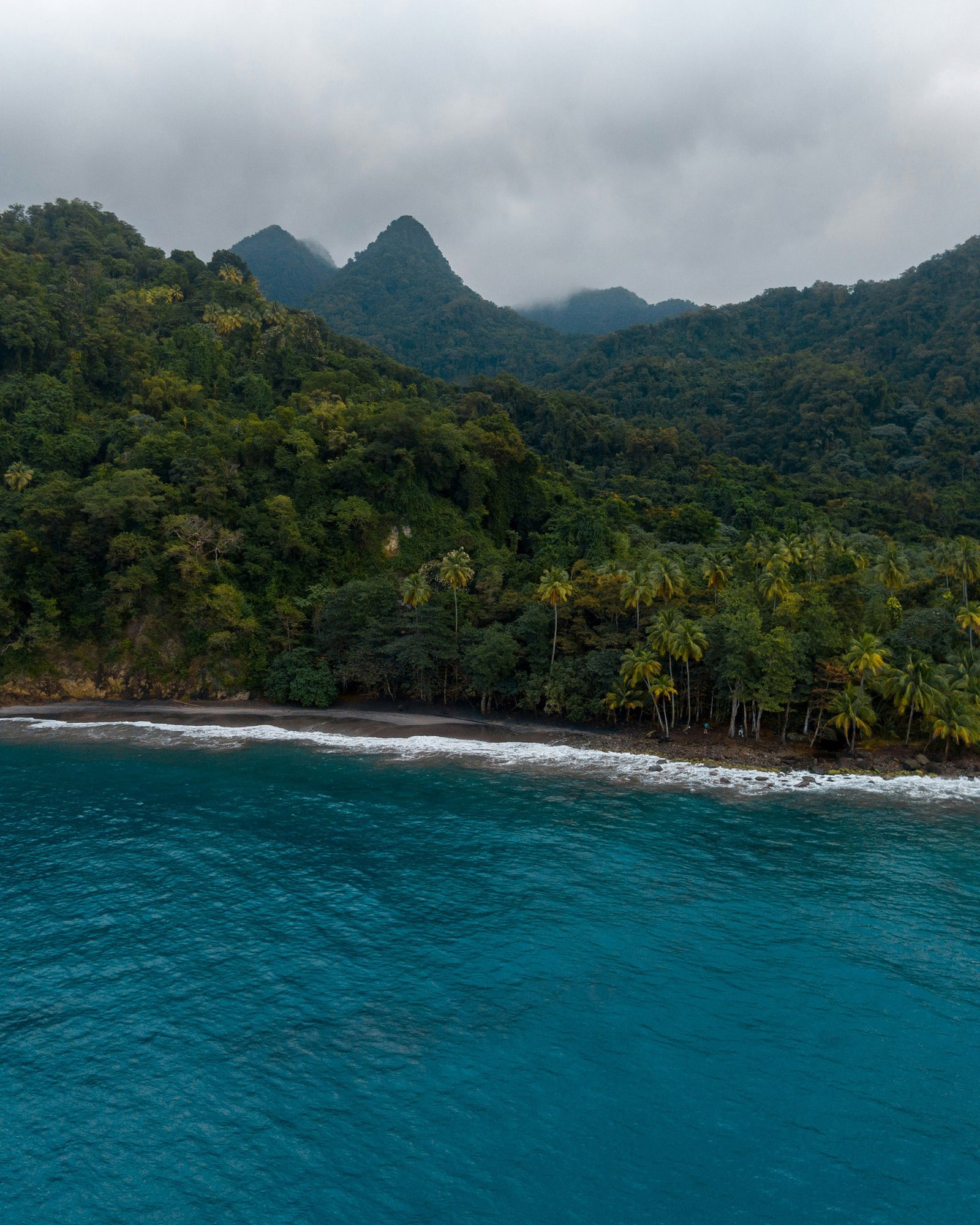
Windward Islands / Martinique
Le Marin
Sainte-Anne
Grande Anse d’Arlet
Anse Mitan
Fort-de-France Bay
Tour the Habitation Clément rum distillery
Explore the ruins of Saint-Pierre and its volcanology museum
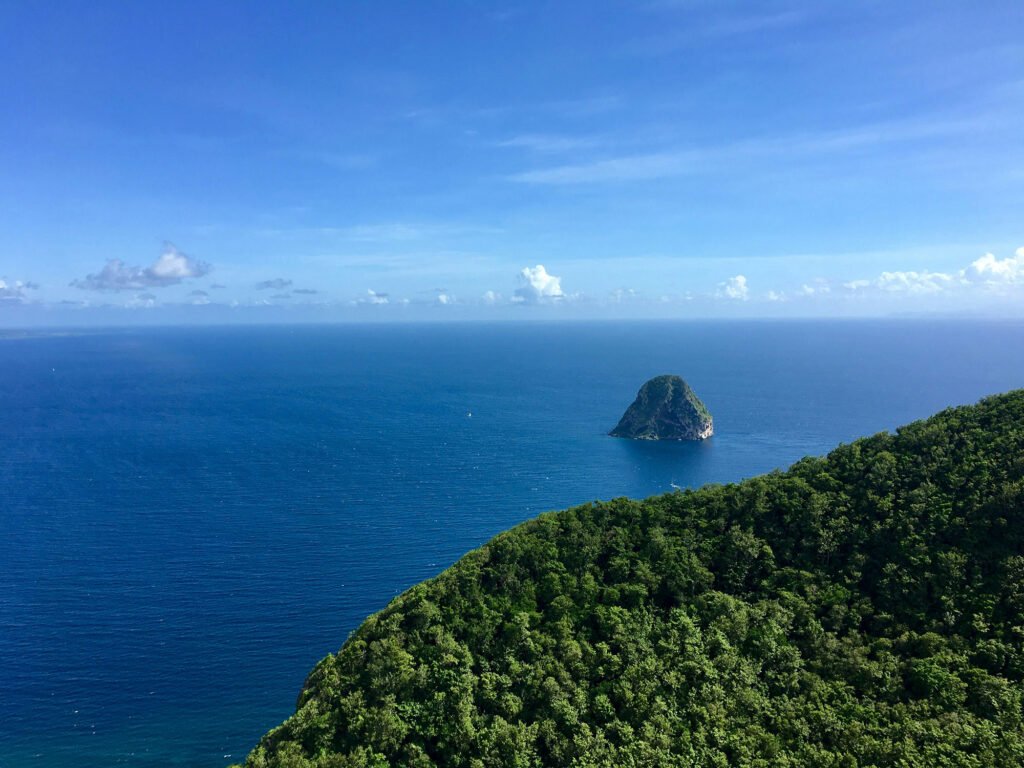
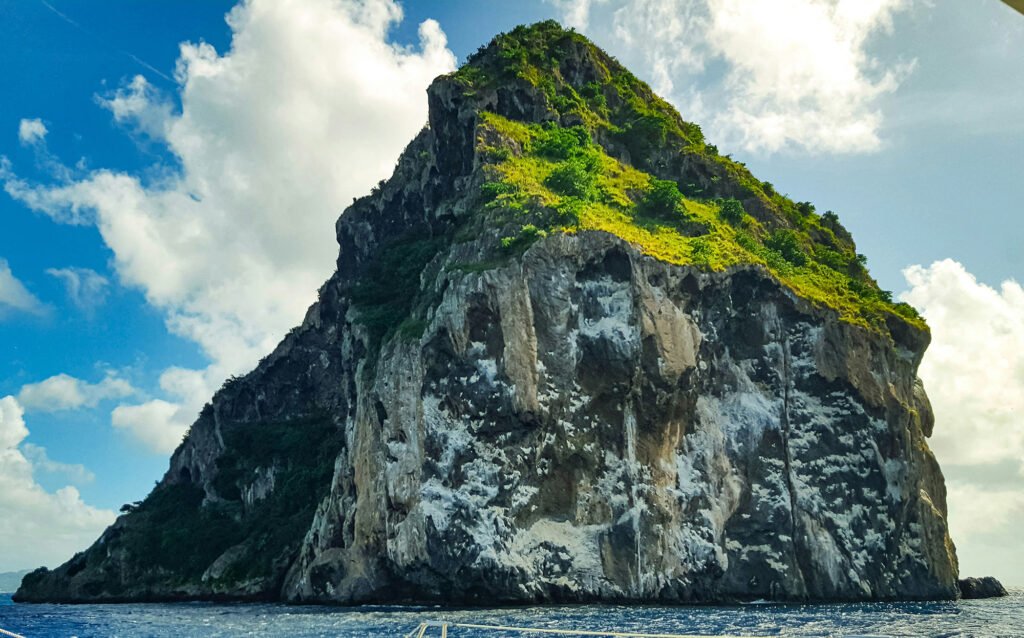
Snorkel around Diamond Rock
Hike the lower slopes of Mount Pelée
Wander the Balata Botanical Garden
Fort-de-France
Saint-Pierre
Les Trois-Îlets
Le Marin
Sainte-Anne
December through May brings the driest, most settled weather, known locally as carême, with steady trade winds and comfortable sailing conditions. The Atlantic hurricane season runs from June to November, peaking in September, when many charter yachts relocate south to Trinidad or Grenada for safe haulout. Late December through February also coincides with the island’s pre-Lenten Carnival, when Fort-de-France and Le Marin fill with parades and street parties.
Martinique Aimé Césaire International Airport (FDF) sits at Le Lamentin, a short drive from both Fort-de-France and the marina at Le Marin. As an overseas department of France, Martinique receives direct flights from Paris alongside regional connections from Guadeloupe, St Lucia and other neighbouring islands, making it one of the more straightforward Windward Islands to reach directly rather than via a connecting hub.
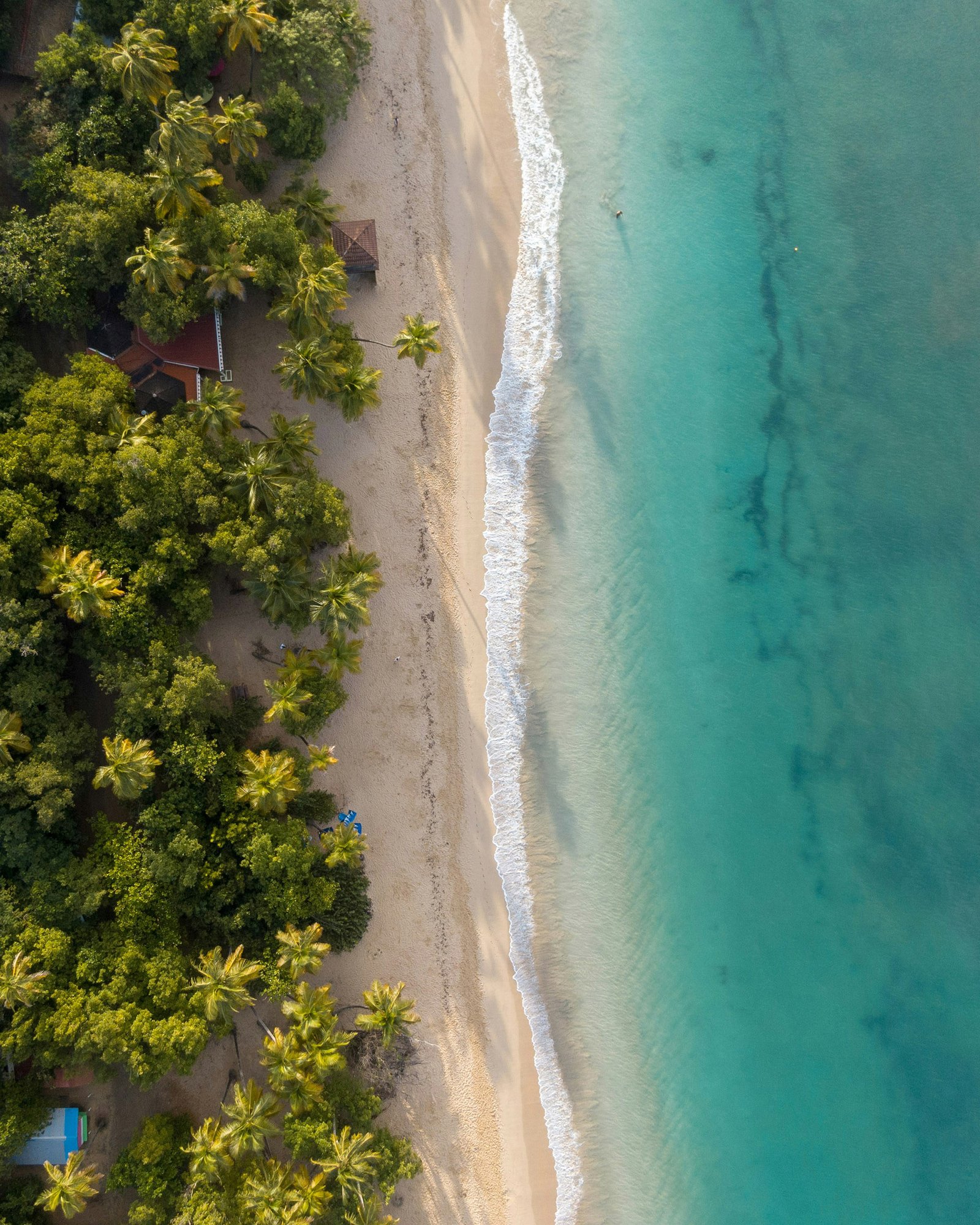
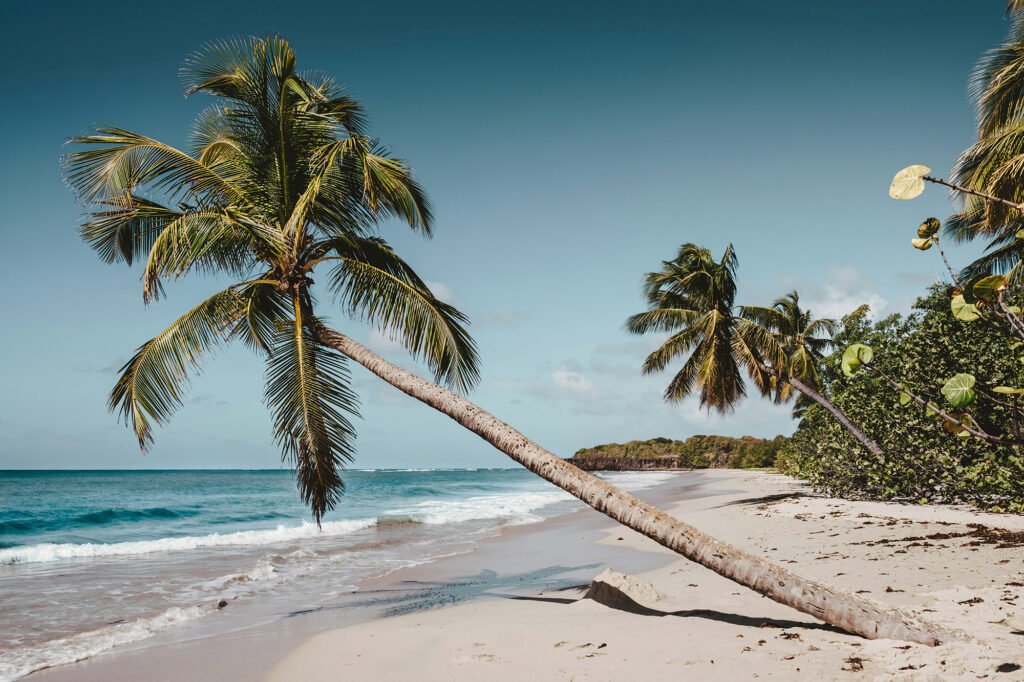
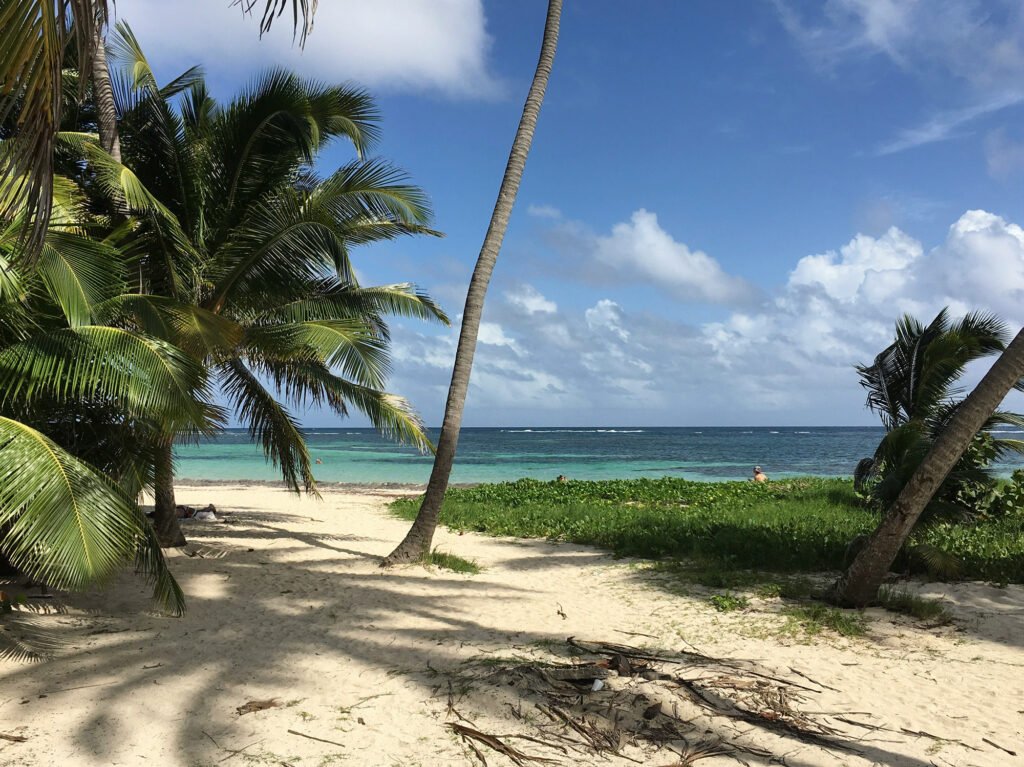
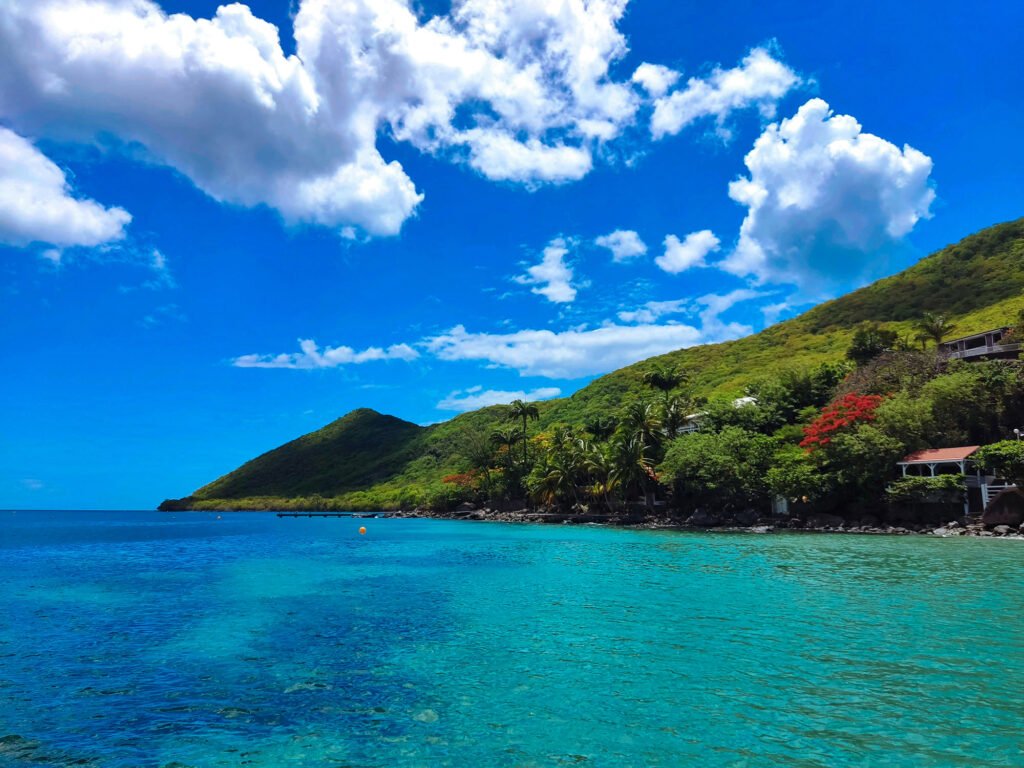
Le Marin, in the sheltered bay on the south coast, is the island’s main charter base and the largest yacht marina in the West Indies, with more than 800 berths and easy access to restaurants and provisioning. Sainte-Anne, just around the point, offers a quieter alternative with a long sandy beach and shallow, calm water. Grande Anse d’Arlet, on the southwest coast, is favoured for its clear water and fishing-village charm.
Three to four nights allow time to combine the south coast’s beaches at Sainte-Anne and Grande Anse d’Arlet with a day trip north to the Saint-Pierre ruins and a rum distillery tour inland. Martinique also works well as a start or end point for a wider Windward Islands itinerary, sitting within a day’s sail of Dominica to the north and St Lucia to the south.
Martinique’s rhum agricole is distilled from fresh-pressed sugarcane juice rather than the molasses used in most rum production worldwide, giving it a grassier, more vegetal character. Since 1996 it has carried Appellation d’Origine Contrôlée status, the same protected designation used for champagne and cognac, making it the only rum in the world with that classification. Around a dozen working distilleries remain on the island, several open to visitors for tastings.

Tell us what you would like to know, and our team will respond with clear details on availability, specification, pricing and next steps.