Mexico


Marina Vallarta (Puerto Vallarta)
Punta Mita
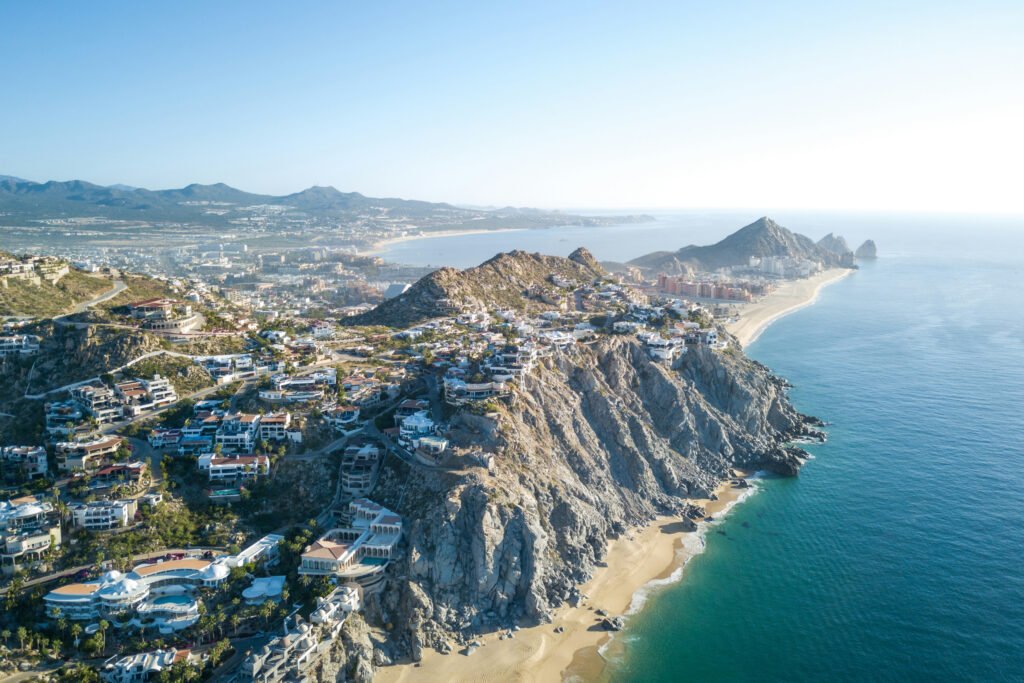
Cabo San Lucas Marina
Isla Holbox
Acapulco Bay
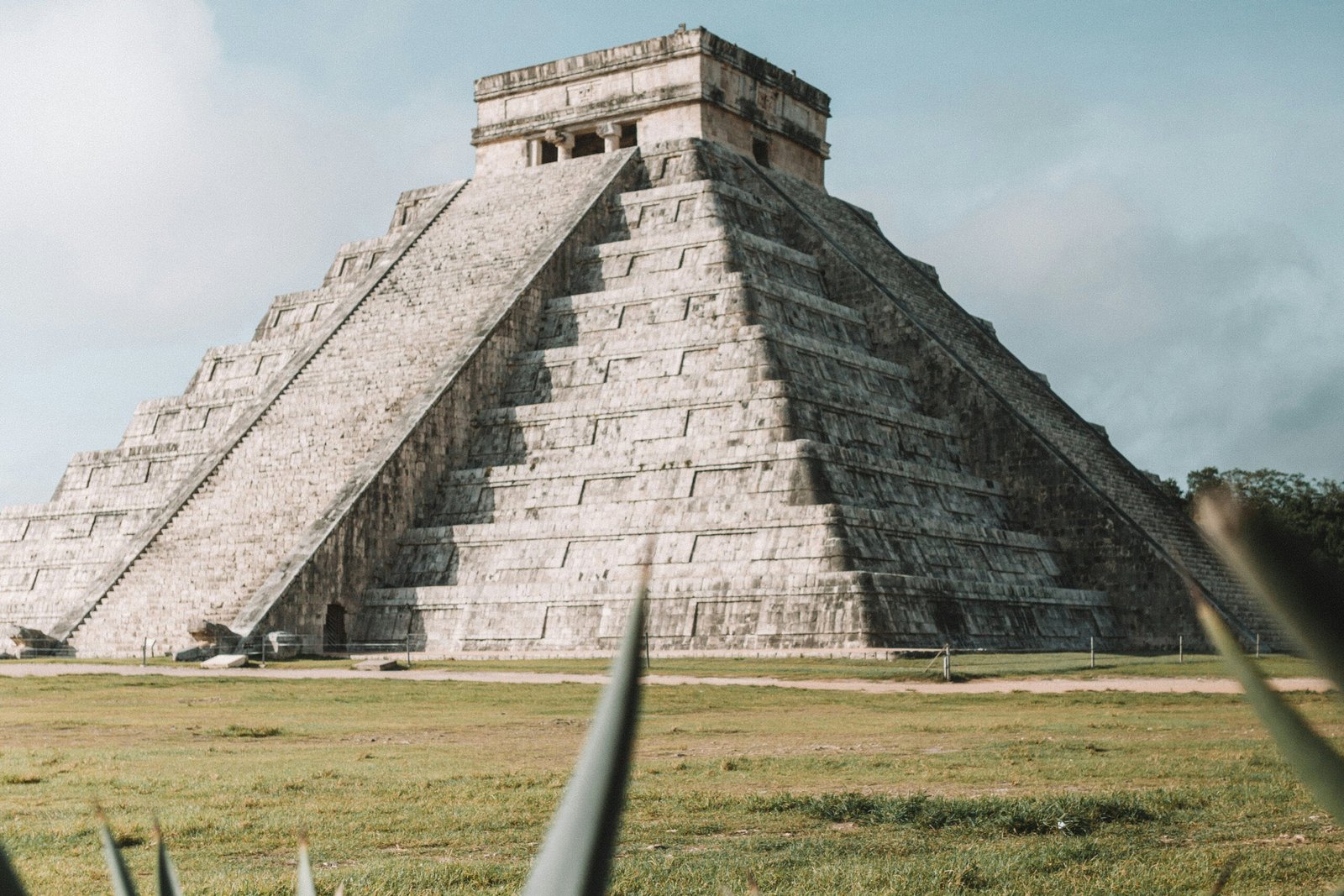
Explore Chichén Itzá
Swim in a Yucatán cenote
Ride Copper Canyon by rail
Taste mole in Oaxaca
Watch gray whales in Baja’s lagoons
Oaxaca
San Miguel de Allende
Puerto Vallarta
Tulum
Guanajuato
Timing depends heavily on which coast. The Pacific and Sea of Cortez are calmest from November through June, before the May-to-November hurricane season builds in the eastern Pacific. The Caribbean side, around the Riviera Maya, follows the Atlantic hurricane season on a similar calendar, so most charter operators concentrate departures between November and May on both coasts, with December through April considered peak season for weather and water clarity alike.
There’s no single gateway, since Mexico’s coastline spans two oceans. Cancún International Airport (CUN) serves the Caribbean side and Riviera Maya, Los Cabos International Airport (SJD) covers the southern Baja peninsula and Sea of Cortez, and Puerto Vallarta (PVR) or Manzanillo serve the central Pacific coast. Mexico City’s airport (MEX) connects to all three with frequent domestic flights, useful for itineraries that combine an inland stop with time on the water.
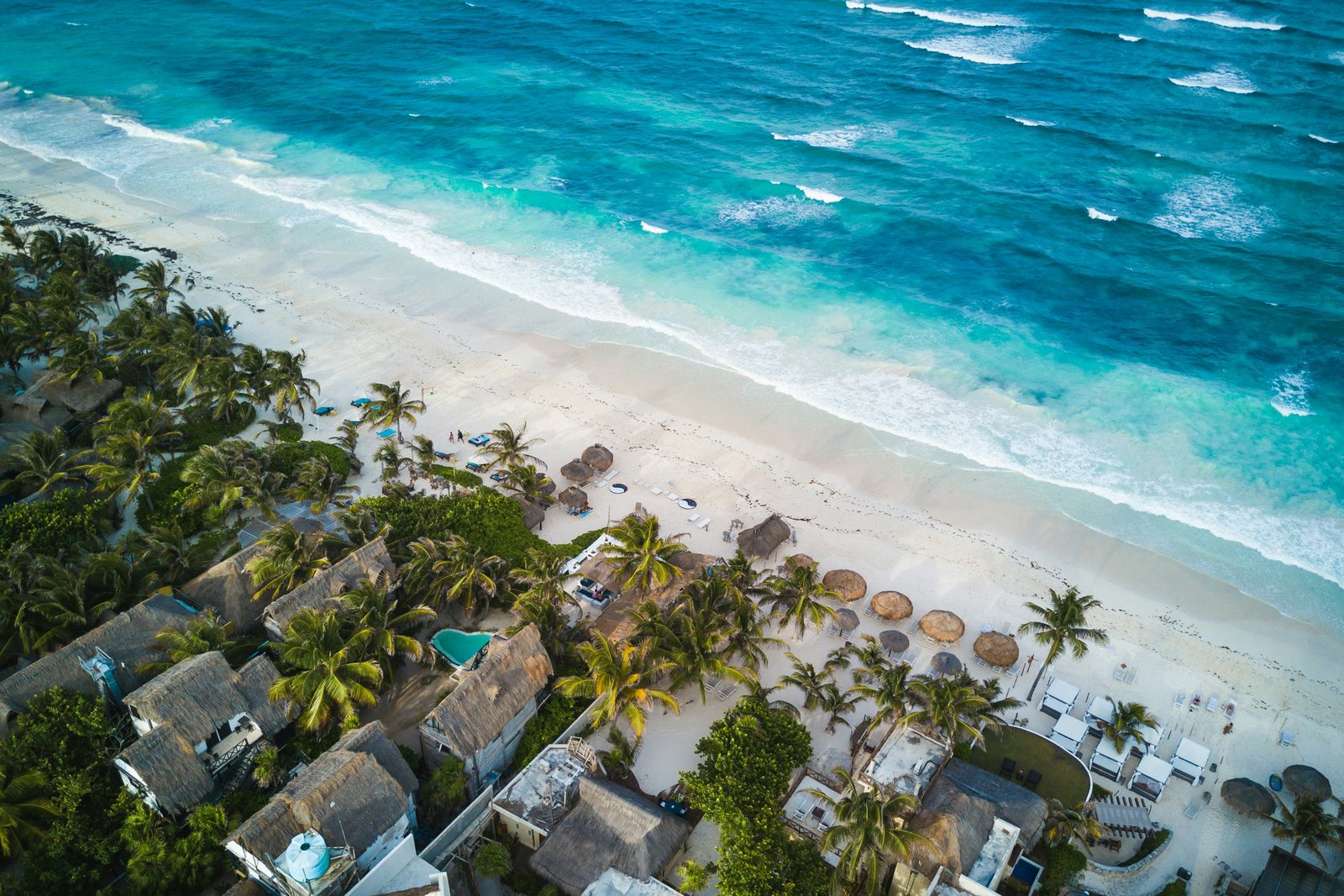
Each coast offers something different. The Riviera Maya and Isla Holbox give sheltered, shallow-water anchorages backed by mangrove and reef. Banderas Bay, around Puerto Vallarta and Punta Mita, is deep and well protected from Pacific swell. The Sea of Cortez, between the Baja peninsula and the mainland, is generally regarded as the most varied and dramatic, with volcanic islands and calm water for most of the year.
A single coast deserves at least a week, since the distances between anchorages are significant and the culture, food and landscape shift noticeably from one region to the next. Guests wanting to see both the Pacific and Caribbean coasts in one trip typically split the visit into two separate charters with a short domestic flight between them, rather than attempting one long repositioning by sea.
Foreign-flagged vessels need a Temporary Import Permit (TIP), issued by Banjercito, before entering Mexican waters, along with clearance through the Capitanía de Puerto (port captain’s office) at the first port of arrival. The TIP carries a modest one-time fee and is valid for up to ten years with multiple re-entries. Most charter operators and marinas handle this paperwork on the client’s behalf, so it rarely adds friction to a trip, but it does need to be in place before arrival.