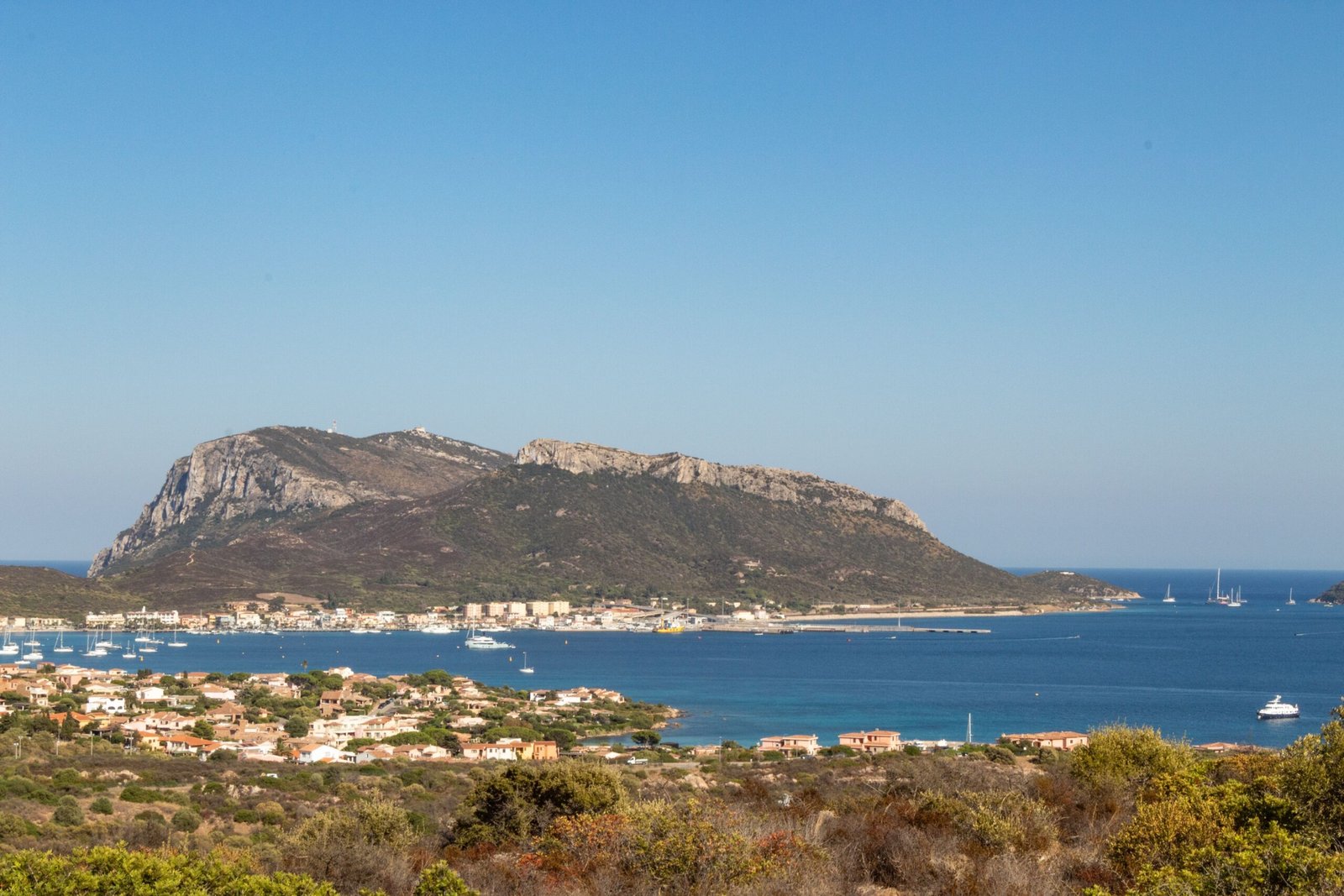
Golfo degli Angeli
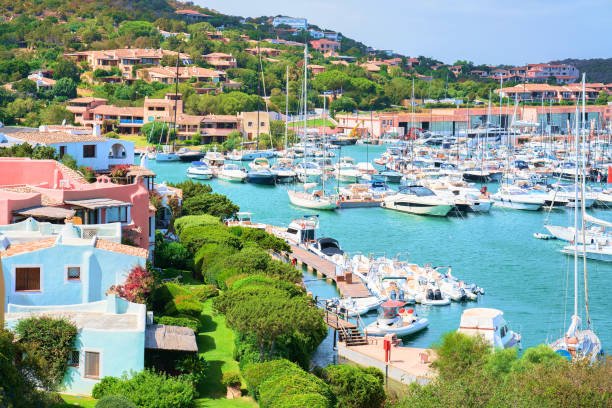
Marina di Cagliari
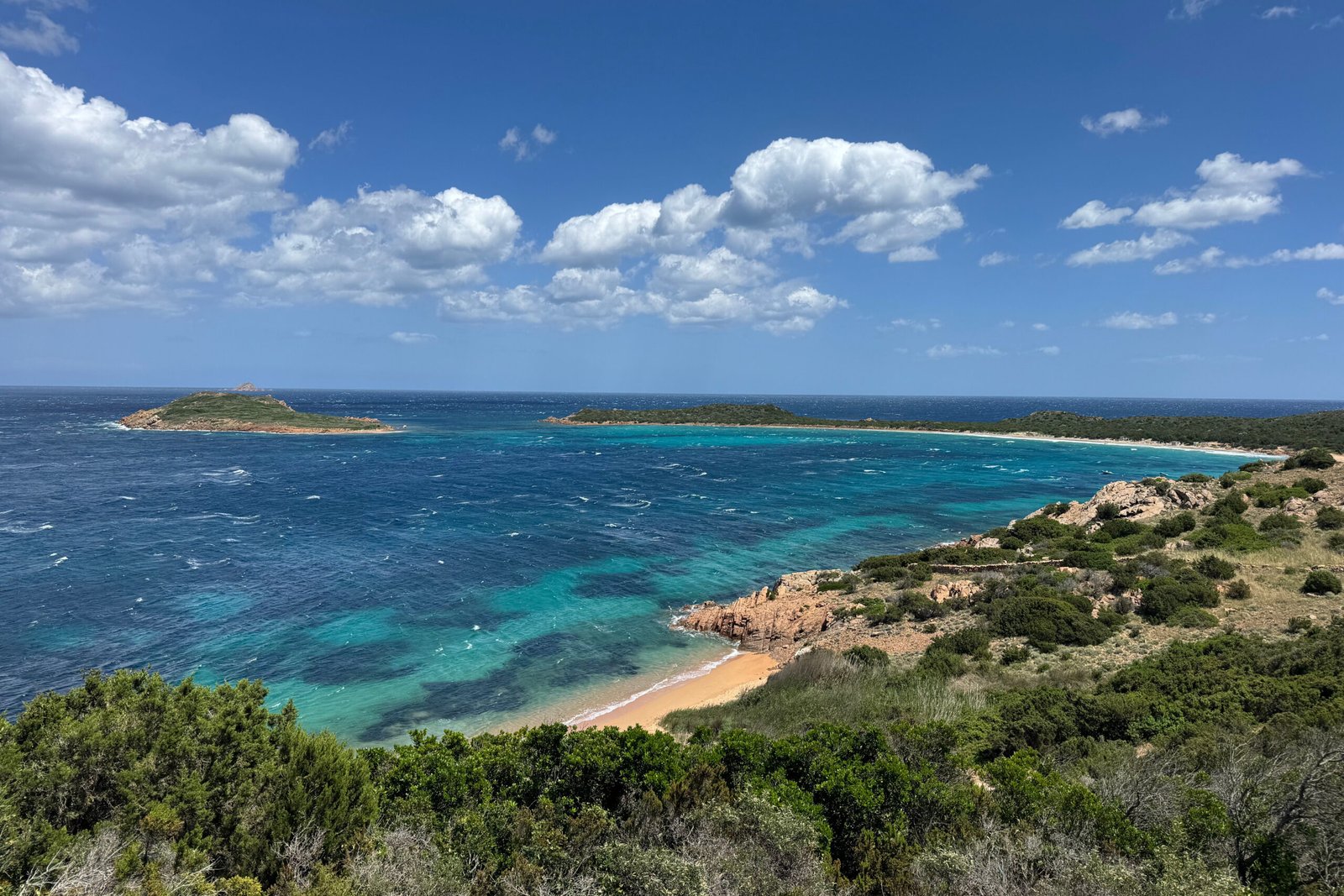
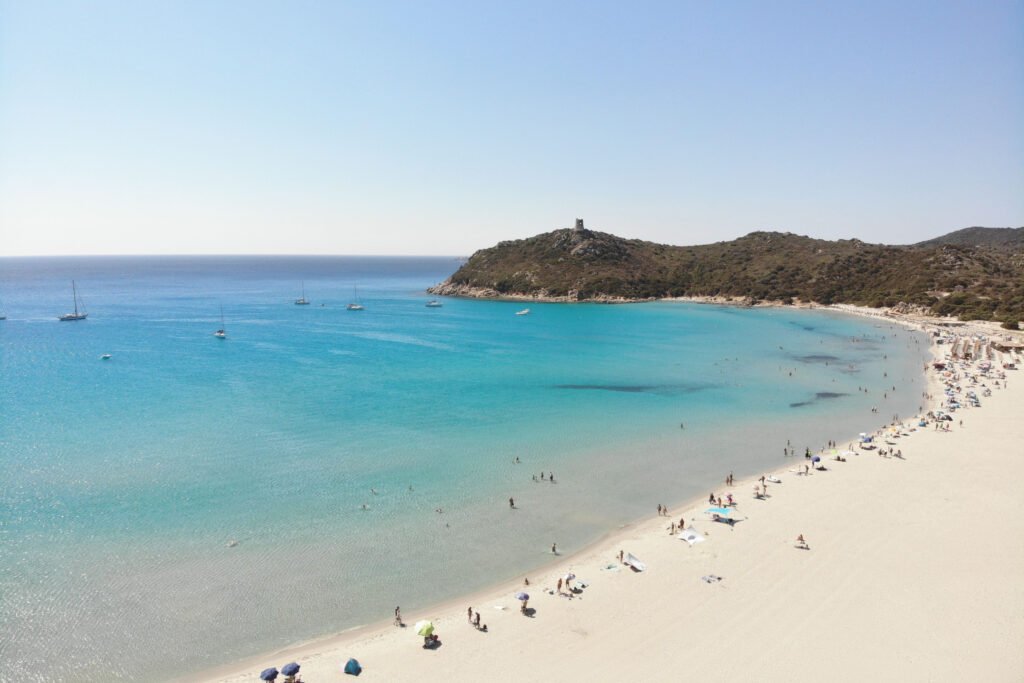
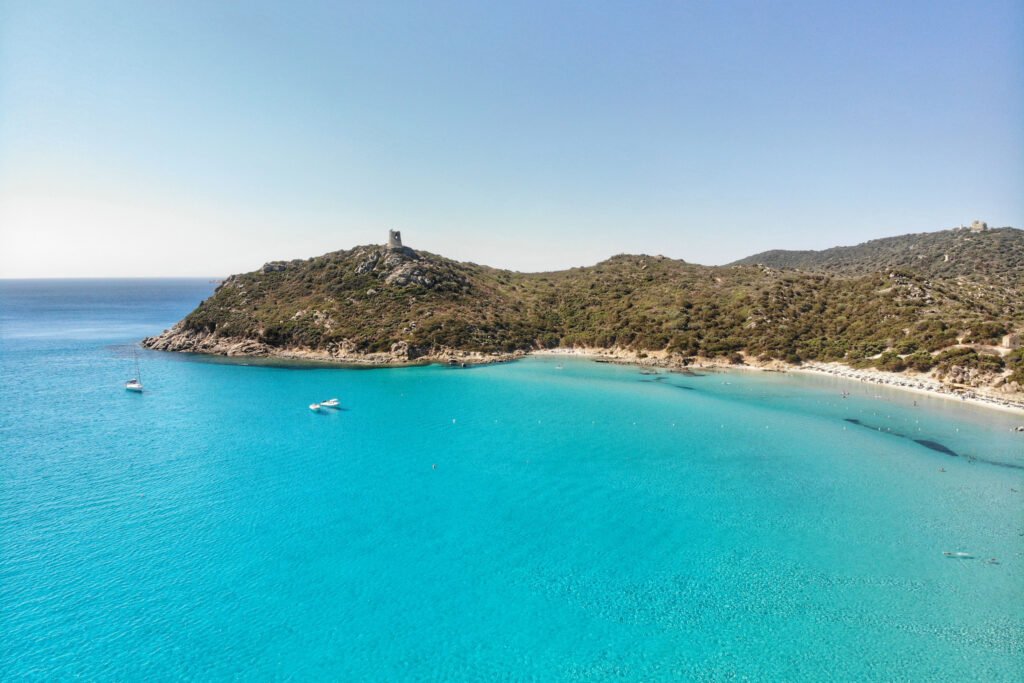
Capo Carbonara, Villasimius
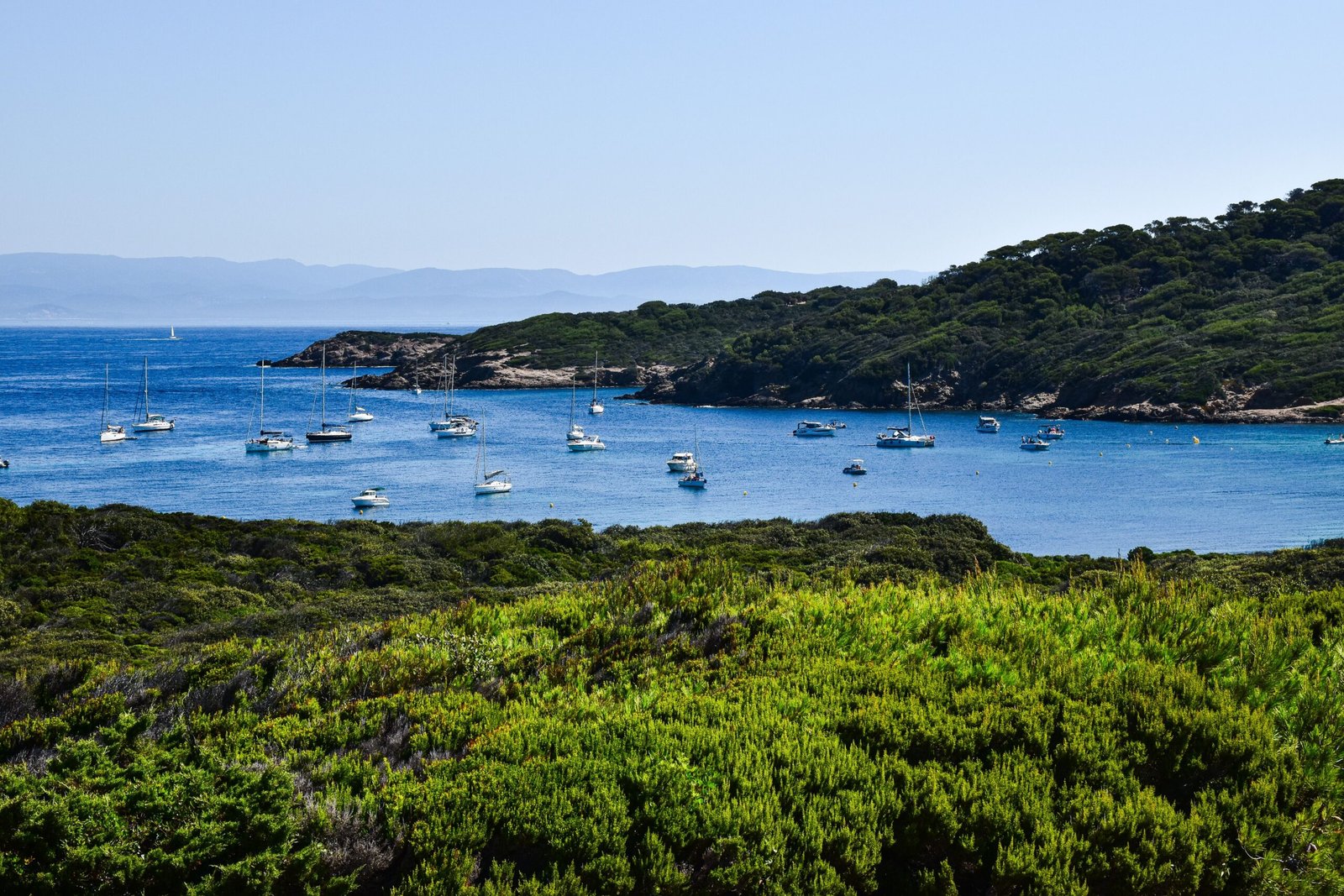
Nora Bay
Off Poetto Beach
Climb the Torre dell’Elefante
Tour the Cattedrale di Santa Maria
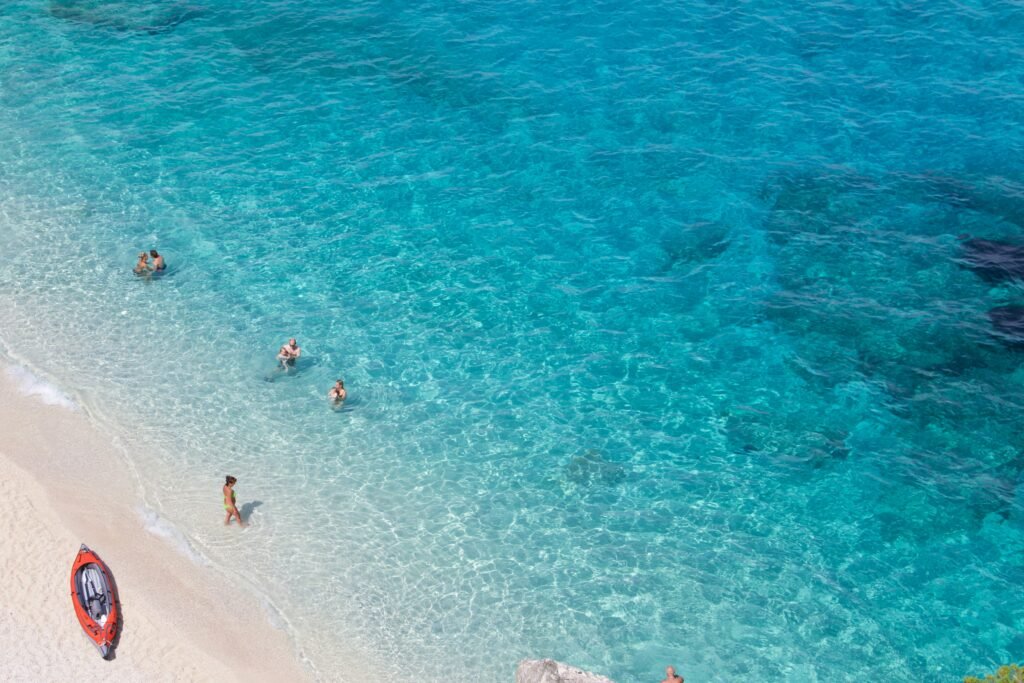
Swim at Poetto Beach
Spot wild flamingos at Molentargius-Saline
Wander the Roman ruins of Nora
Castello Quarter
Bastione di Saint Remy
Torre di San Pancrazio
Molentargius-Saline Regional Park
Nora Archaeological Site
May to October gives the most reliable weather, with July and August hottest and busiest along Poetto and in the marina. Cagliari’s position on Sardinia’s more sheltered south coast means it stays calmer through the maestrale-driven storms that can disrupt charters on the island’s western side, making shoulder months like May, June and late September particularly comfortable.
Cagliari Elmas Airport sits about 8.5 kilometres from the city centre, under 15 minutes by car, and is one of Sardinia’s busiest airports with a full schedule of European connections year-round. That makes Cagliari one of the easiest Sardinian destinations for crew changes and guest transfers outside the main summer season, when smaller northern airports like Olbia and Alghero scale back their timetables.
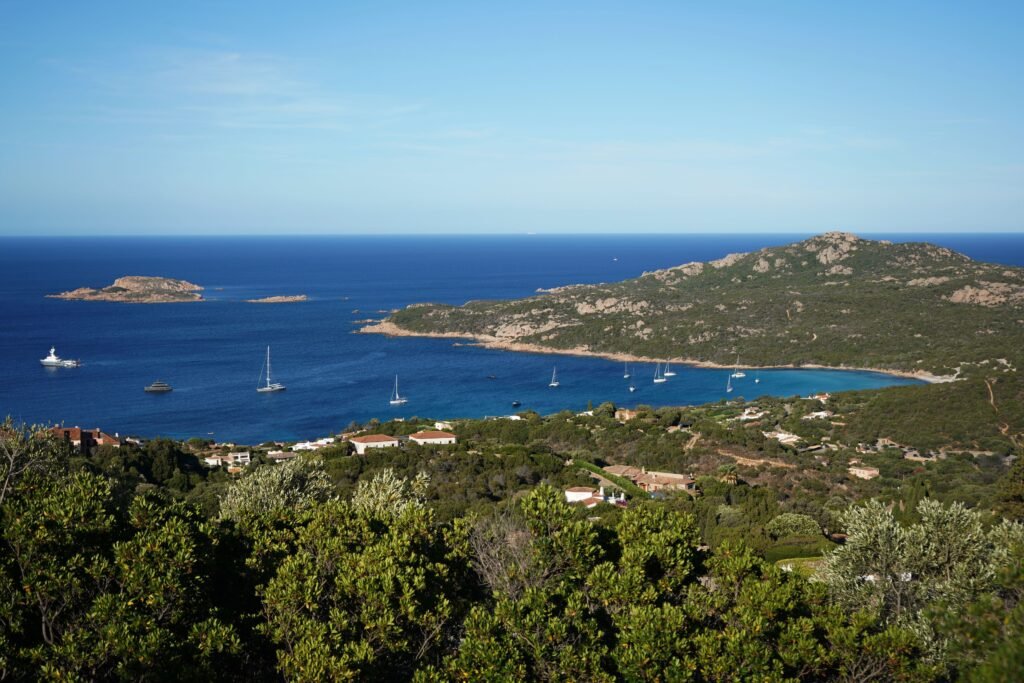
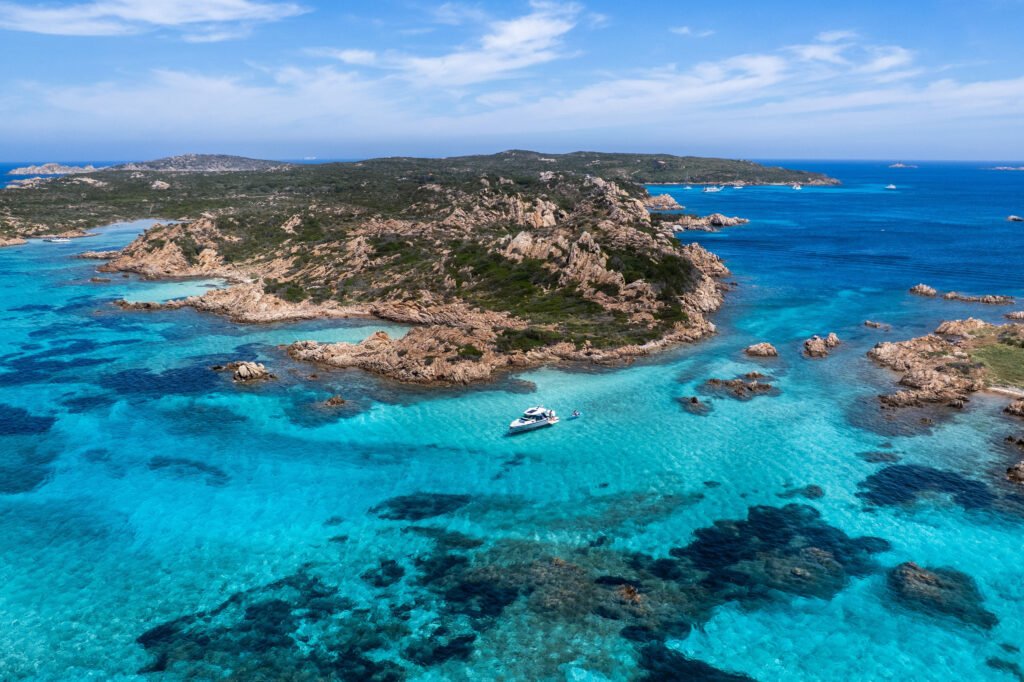
The Golfo degli Angeli, the wide gulf on which Cagliari sits, gives good shelter and easy access to both the city and Poetto beach. For something quieter, Villasimius and the Capo Carbonara marine protected area lie about a half-day’s sail east, with some of the clearest water on this coast, while Nora, west of the city near Pula, combines a sheltered bay with Roman ruins ashore.
One or two days covers the Castello quarter, the cathedral and a swim off Poetto, making Cagliari a natural start or end point for a wider Sardinia charter rather than a standalone stay. Many itineraries pair it with a day trip east to Villasimius or west to Nora before heading north toward Alghero or the Costa Smeralda.
Yes, and reliably so. The Molentargius-Saline wetland borders Poetto beach directly, and its resident flamingo colony can often be seen from the shoreline itself, no boat trip required. The birds moved in naturally once the site’s salt works closed in 1985, and the 1,600-hectare park has been protected as a wetland of international importance since 1977, one of very few places in Europe where flamingos nest this close to a city centre.

Tell us what you would like to know, and our team will respond with clear details on availability, specification, pricing and next steps.