Norway / Lofoten Islands
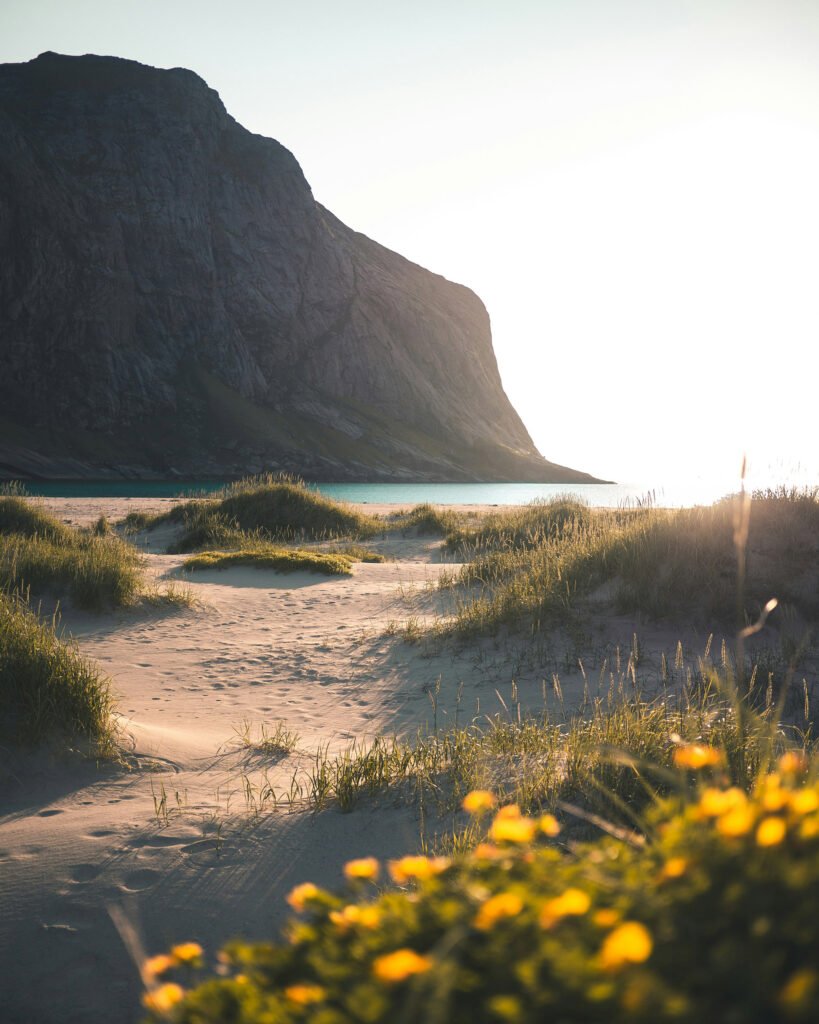
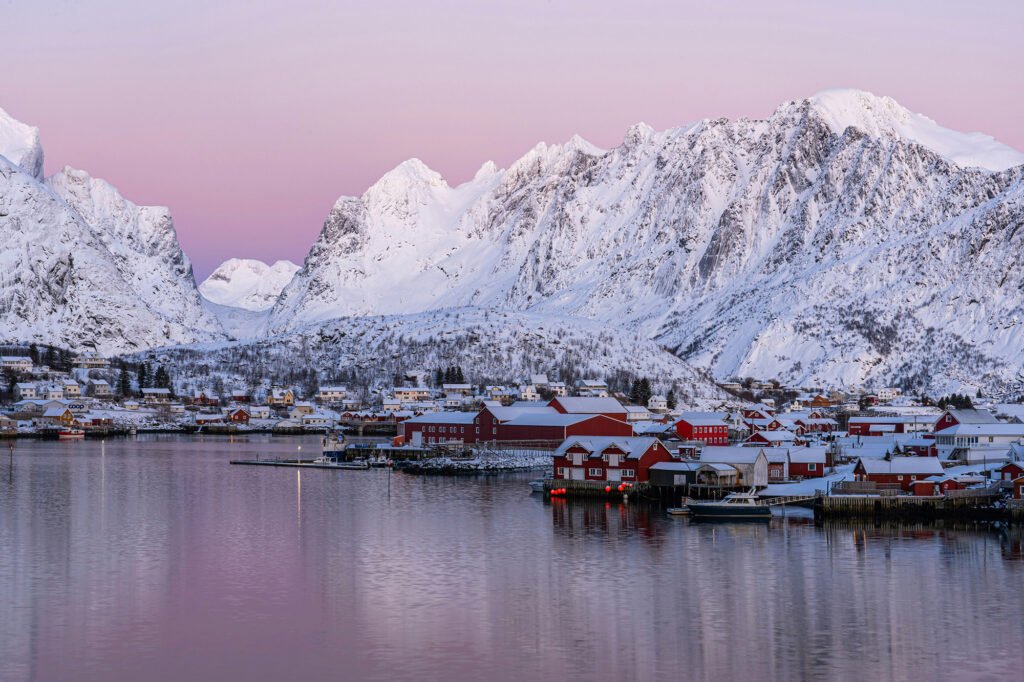
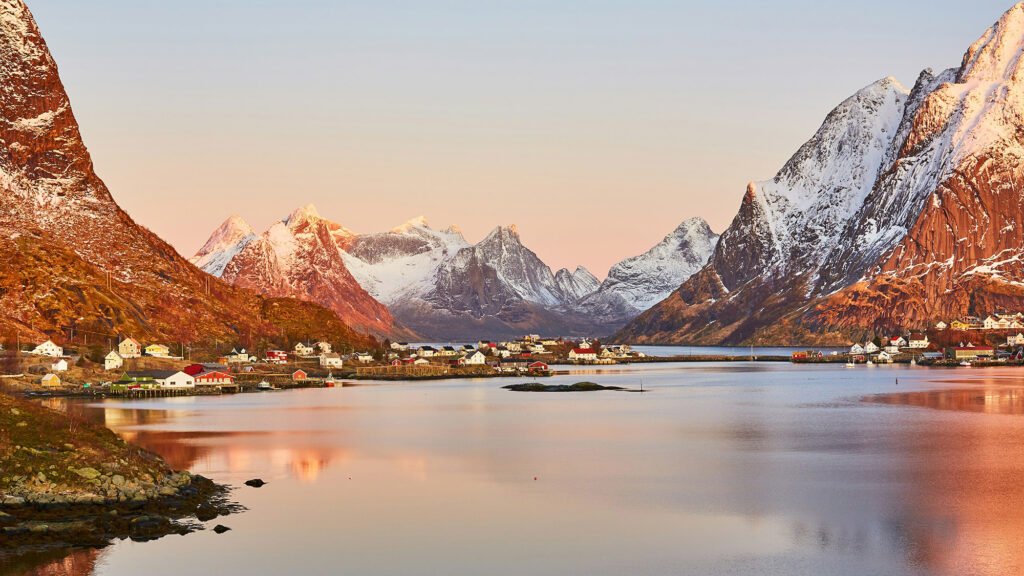
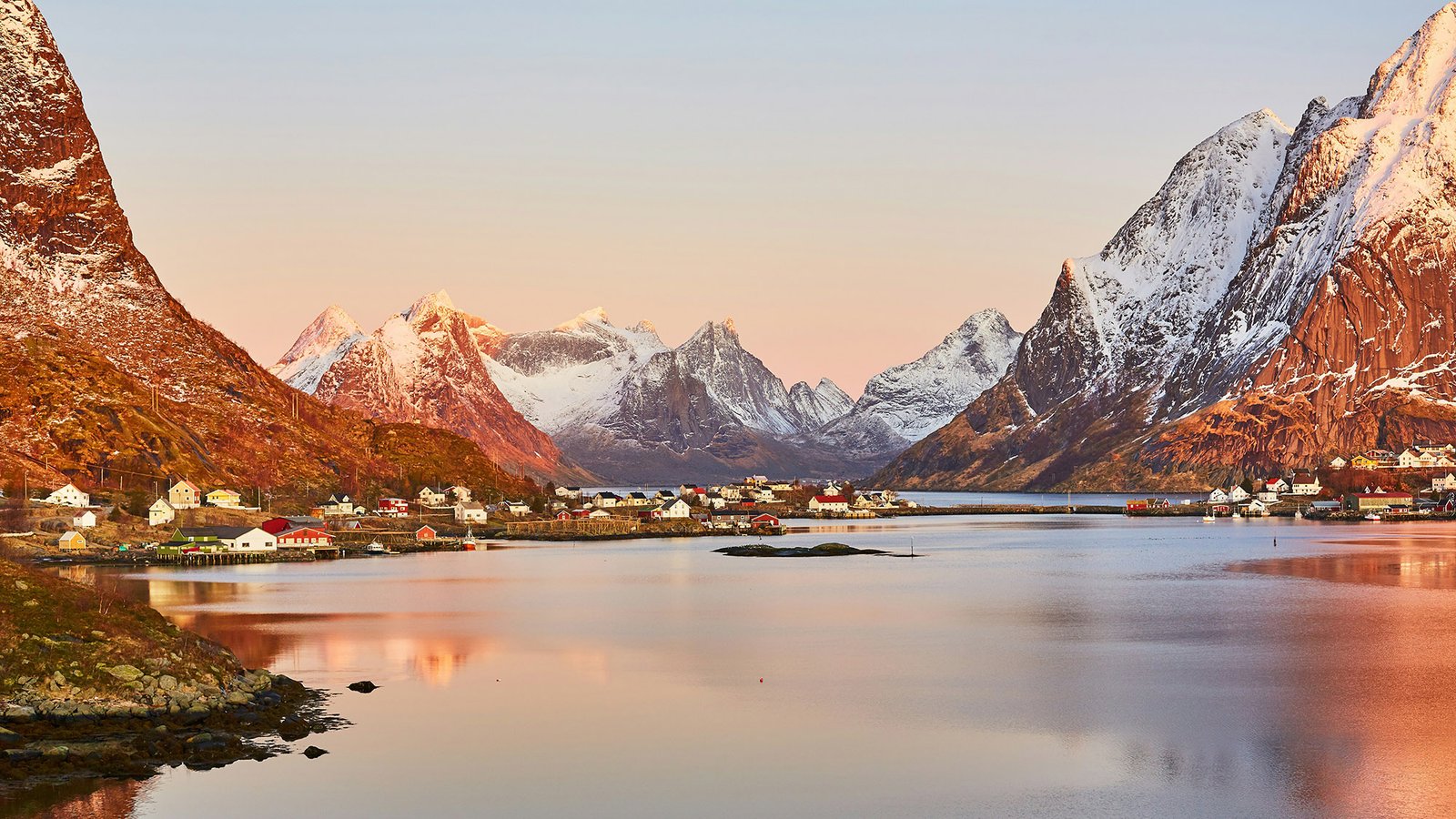
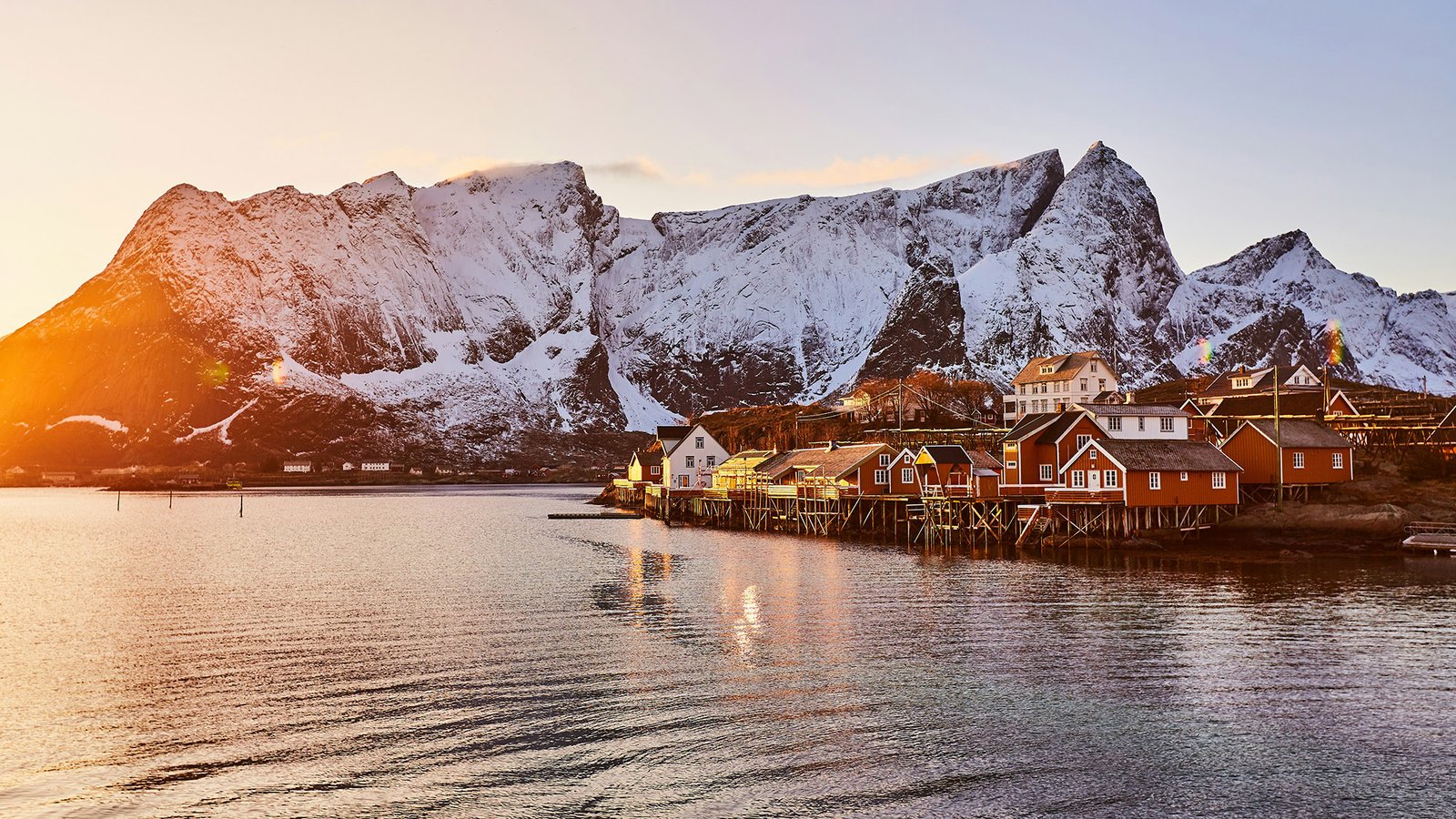
Reine
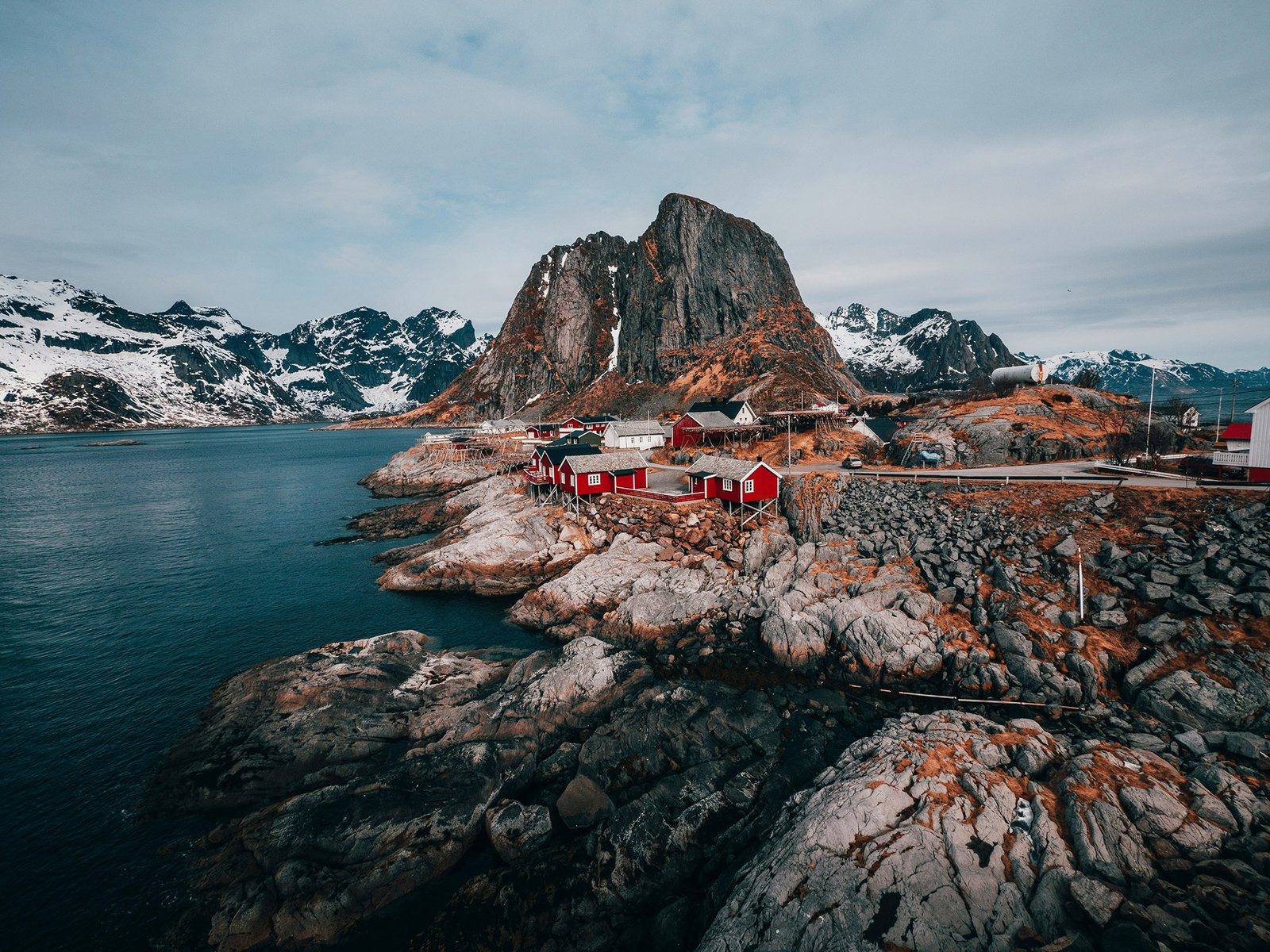
Henningsvær
Nusfjord
Svolvær
Stamsund
Hike Reinebringen
Hike Festvågtinden
Surf at Unstad Beach
Fish for Skrei off Svolvær
Tour the Lofotr Viking Museum, Borg
Å i Lofoten
Kabelvåg
Haukland Beach
Uttakleiv Beach
Kvalvika Beach
01
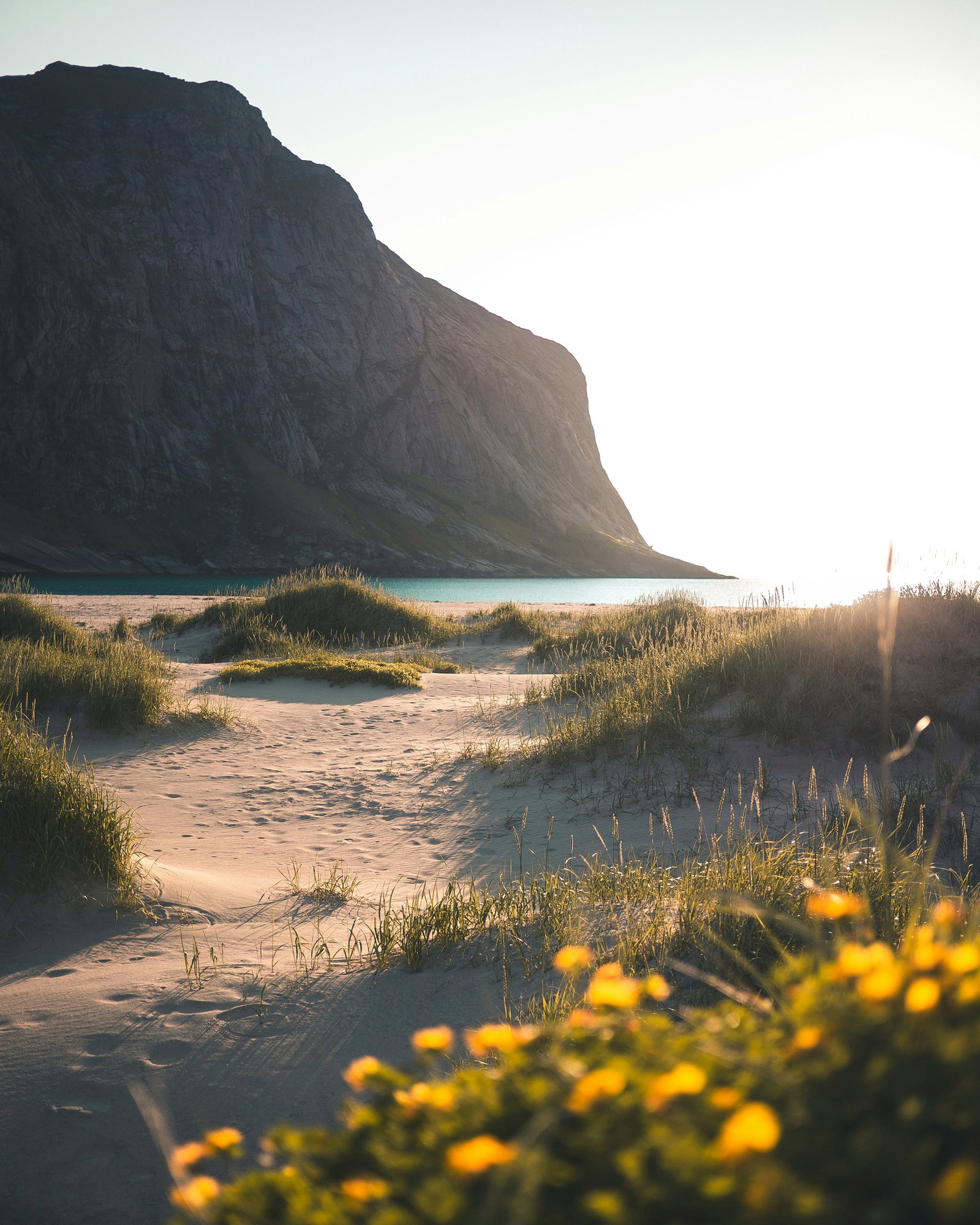
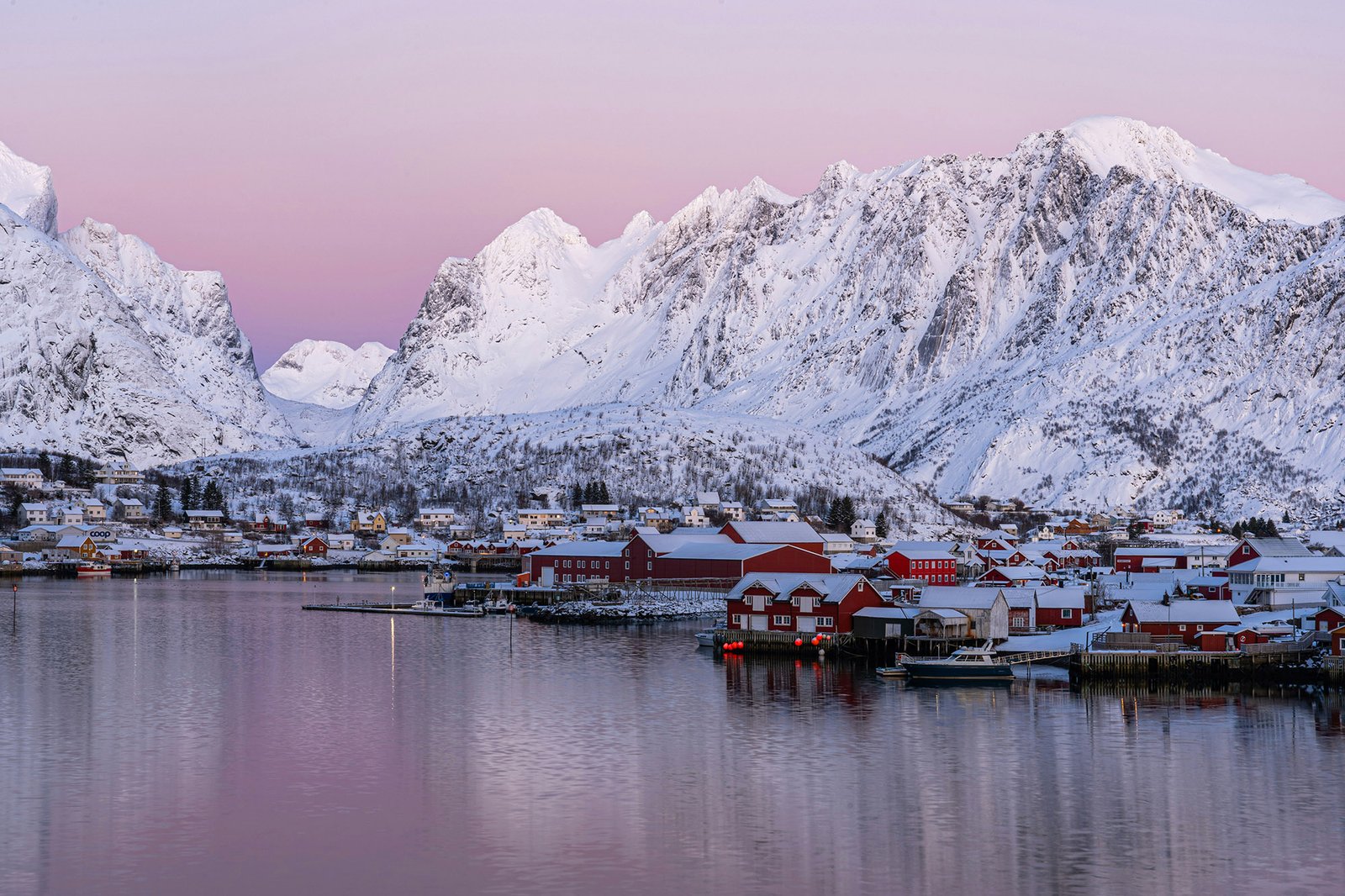
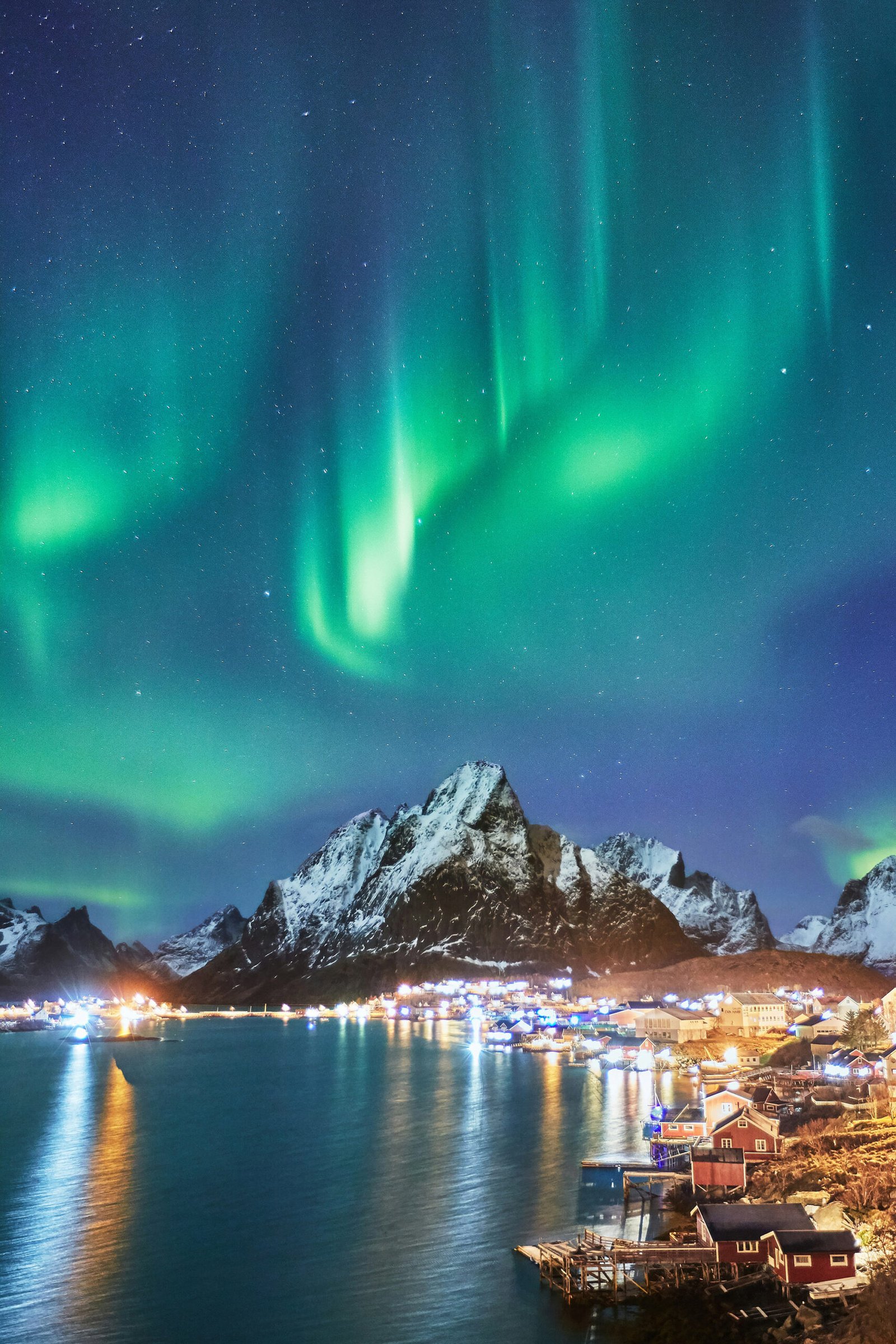
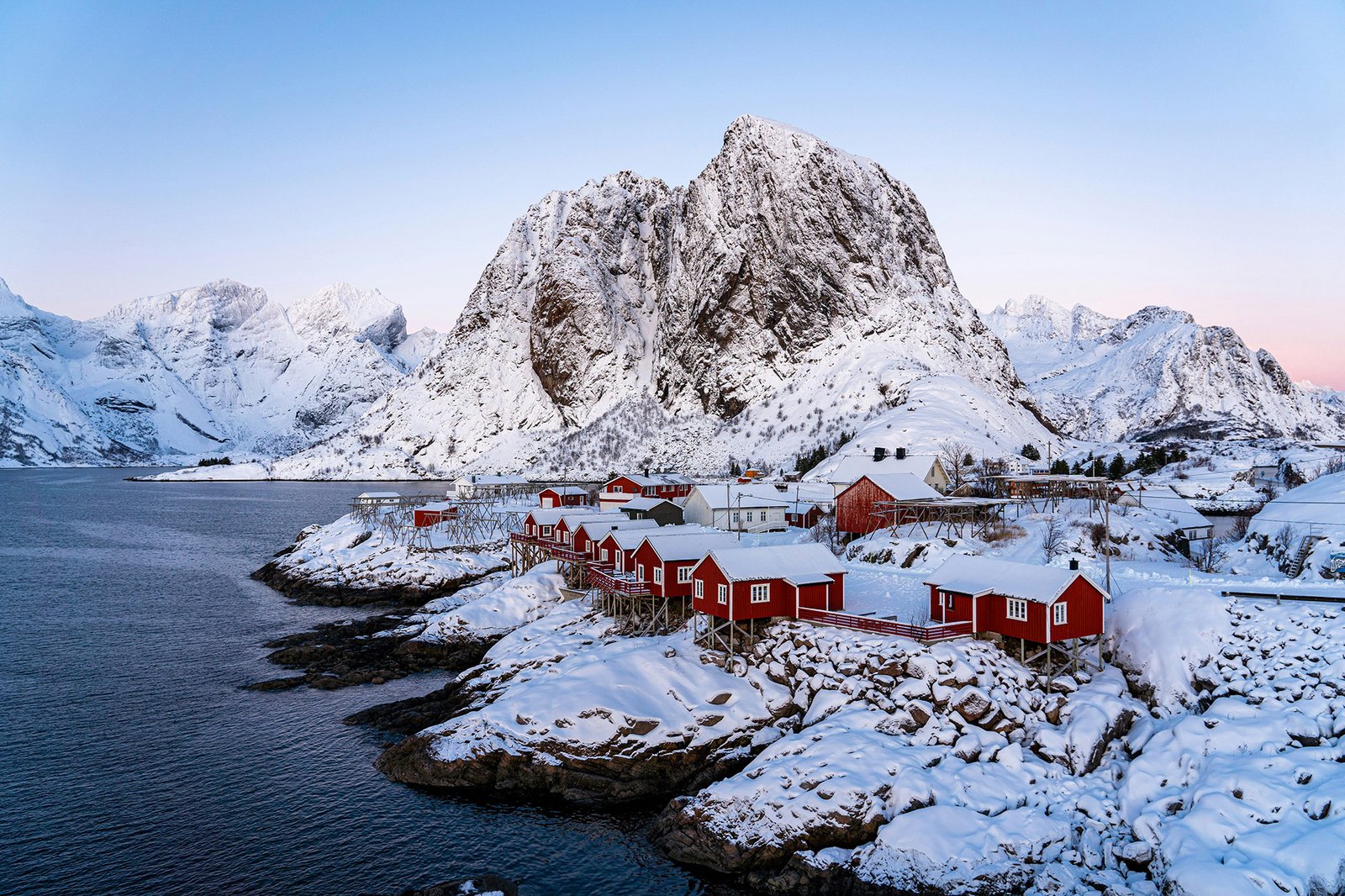
Most charters run from June to August, when the midnight sun keeps the archipelago lit around the clock between 28 May and 14 July and average air temperatures reach a mild 12 to 16 degrees Celsius. Late August into September brings fewer crowds and the first chance of aurora after dark. Winter charters are rare given the short daylight and exposed weather, but late September to early April is prime season for guests chasing the northern lights from ashore instead.
02
Svolvær and Leknes each have small in-archipelago airports with short domestic flights from Bodø, but most international guests connect via Harstad/Narvik Evenes Airport (EVE) on the mainland, about a three-hour drive along the Lofast road connection to Svolvær. An alternative is flying into Bodø (BOO) and crossing by the roughly three-and-a-half-hour car ferry to Moskenes, a scenic approach that many charter guests use as their first look at the islands’ peaks from the water.
03
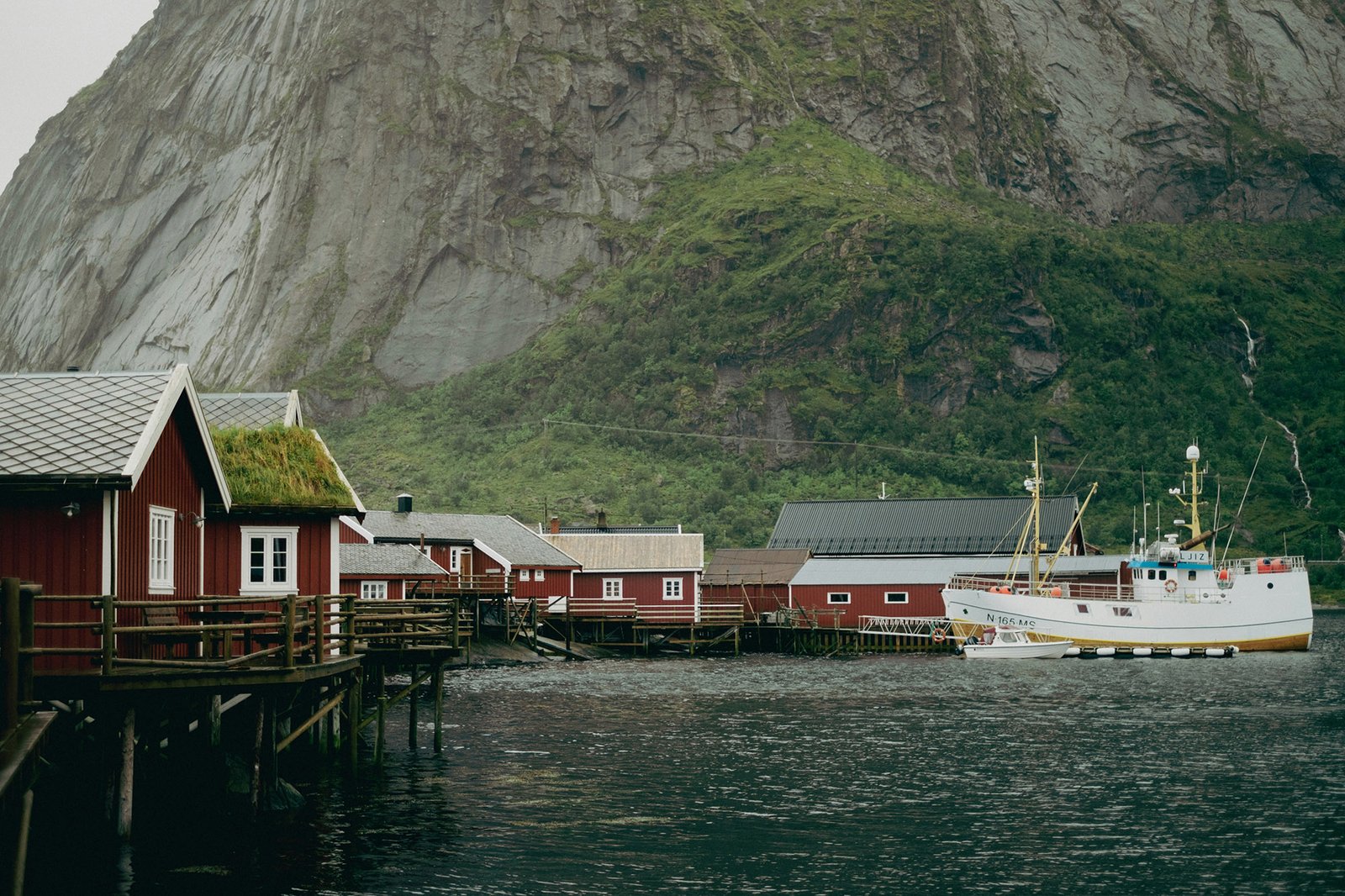
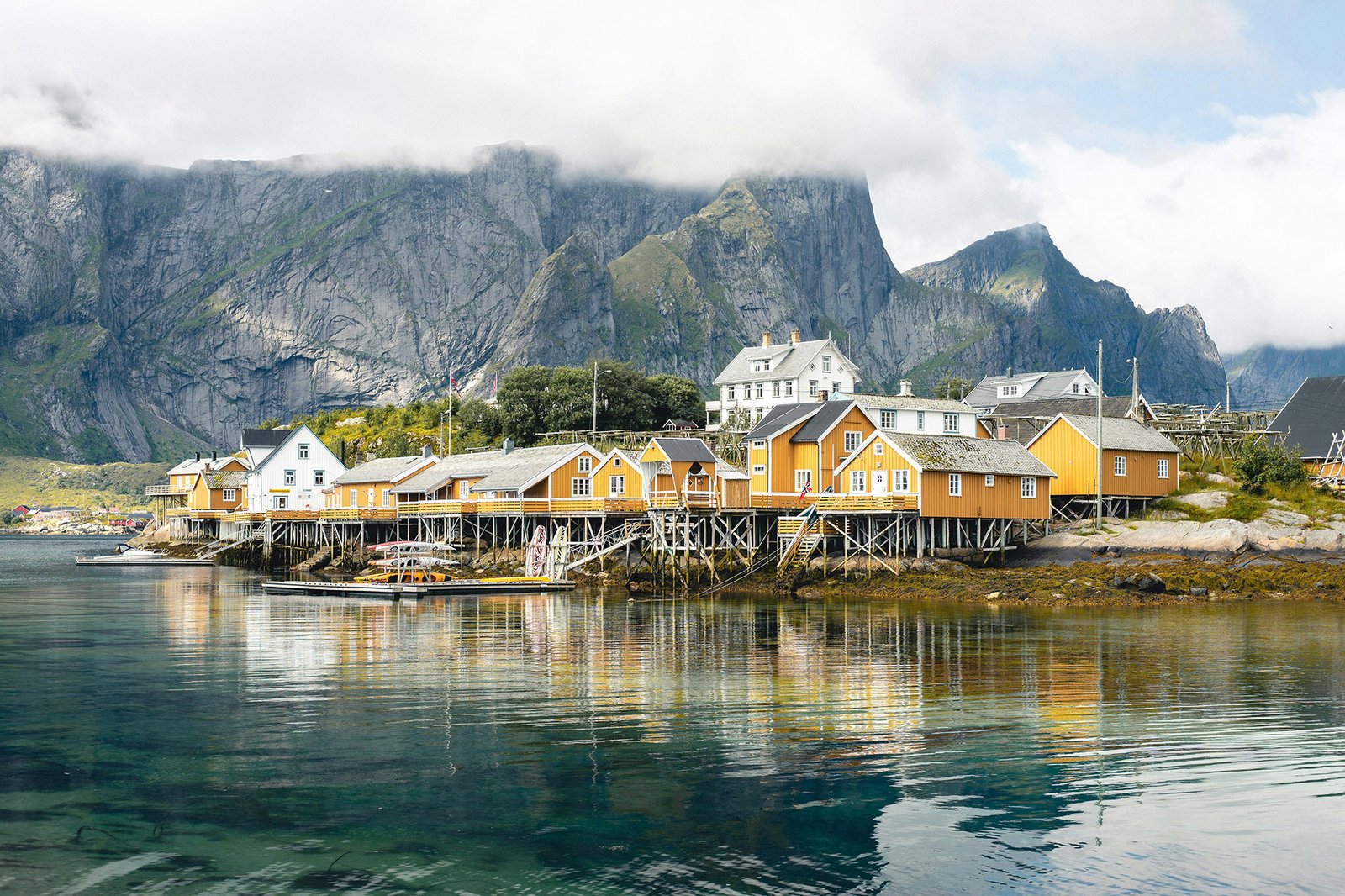
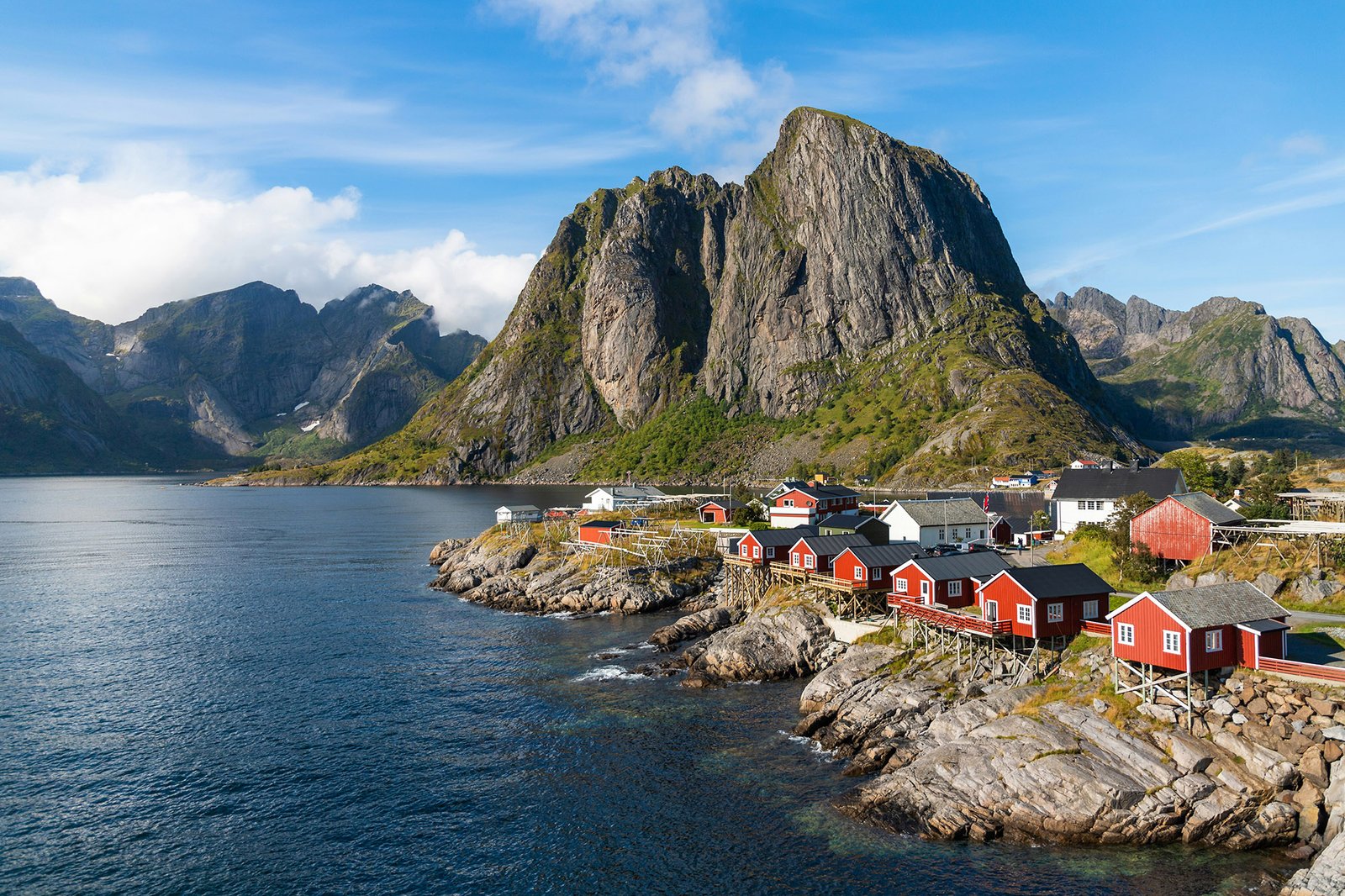
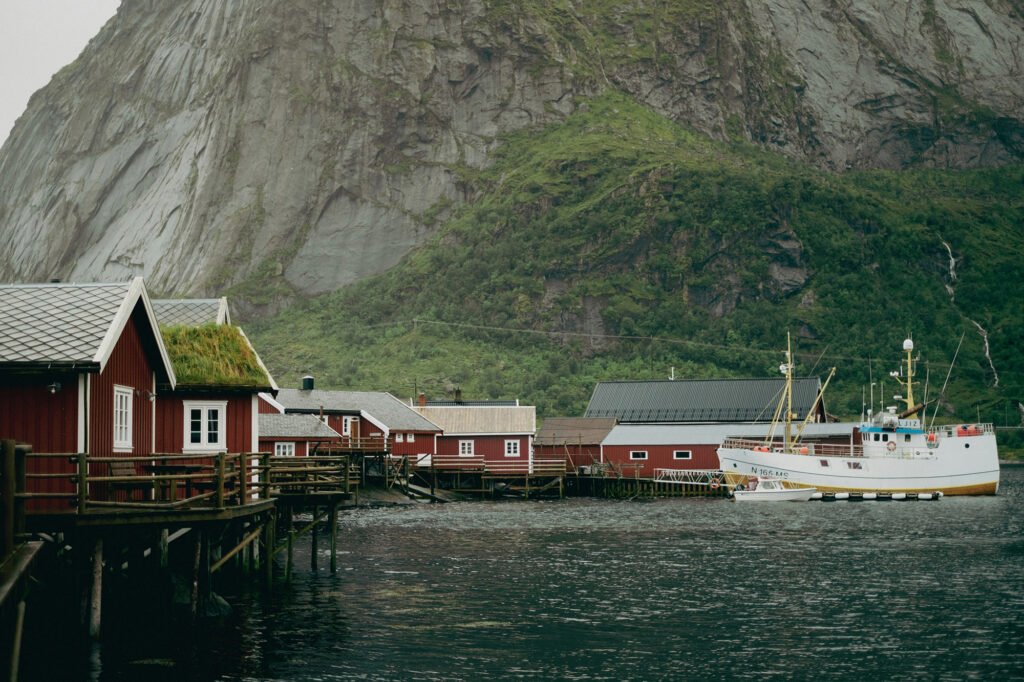
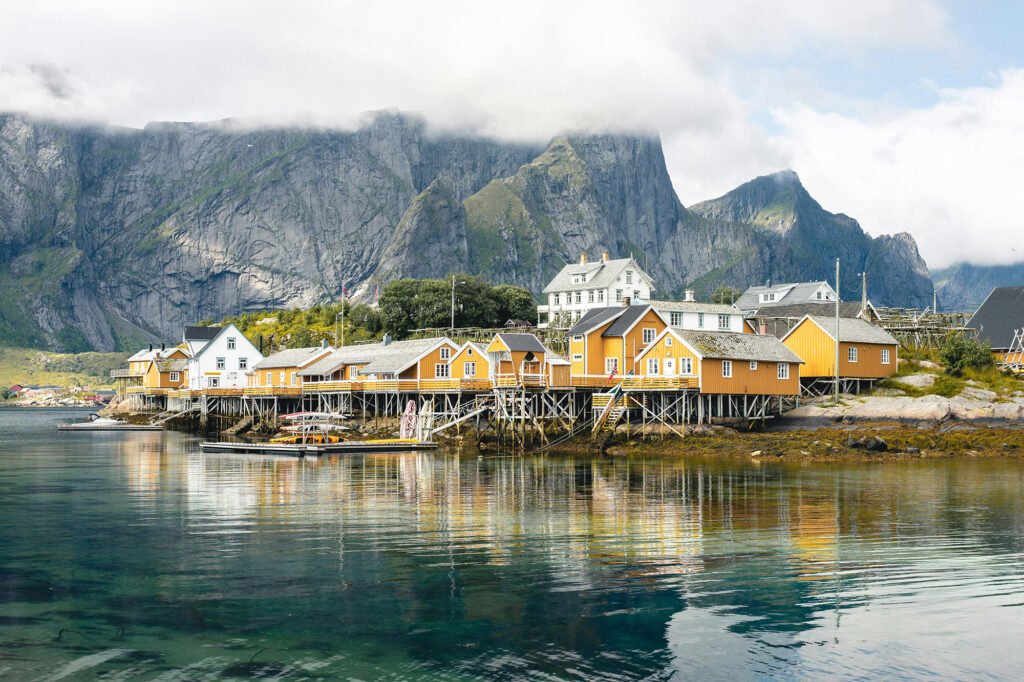
Henningsvær and Reine are the most photogenic overnight stops, each offering guest moorings tucked among skerries directly beneath the peaks, though space is limited in peak summer and early booking helps. Nusfjord’s protected inner harbour, one of Norway’s best-preserved wooden fishing settlements, makes a quieter alternative. Conditions can change quickly this far north, and local harbourmasters are the best source for real-time wind and swell information before committing to an exposed anchorage.
04
Five to seven days lets guests cover the archipelago’s highlights without rushing, from Svolvær in the east to Å at the southern tip of the E10 highway. Add two or three days for weather buffer, since the Norwegian Sea can turn quickly even in summer, and consider extending to ten days if hiking Reinebringen and Festvågtinden, surfing at Unstad and a full day at the Lofotr Viking Museum are all on the wish list.
05
Yes. Moskstraumen, the strait between Moskenesøya and Værøy at the archipelago’s southern tip, is one of the world’s strongest tidal maelstroms and inspired Edgar Allan Poe’s 1841 story ‘A Descent into the Maelstrom.’ Strong currents and standing waves can form there on a big tide, so itineraries route around it rather than through it, a reminder that Lofoten’s waters deserve real respect from anyone planning their own passage.

Tell us what you would like to know, and our team will respond with clear details on availability, specification, pricing and next steps.