Windward Islands / Dominica
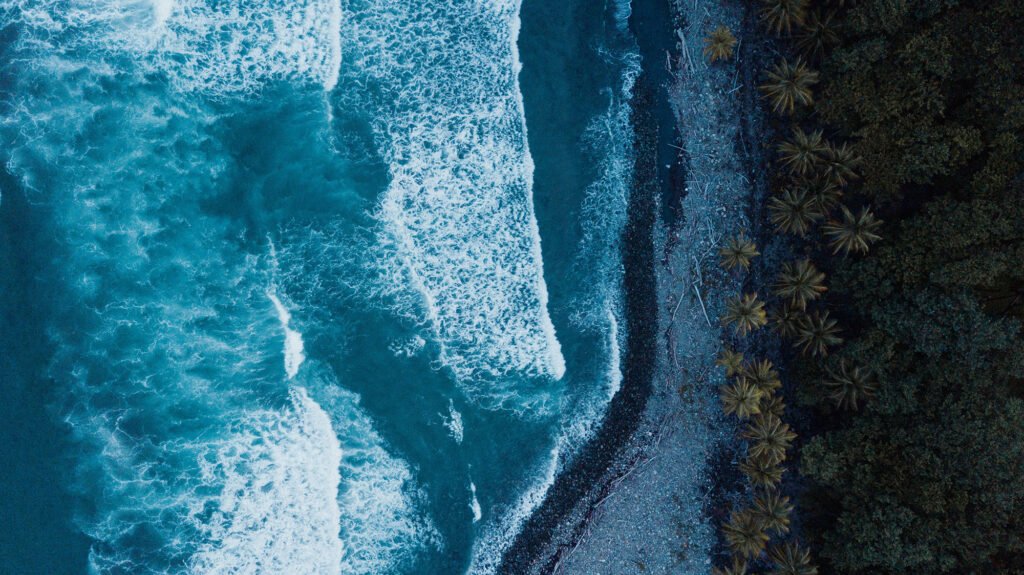
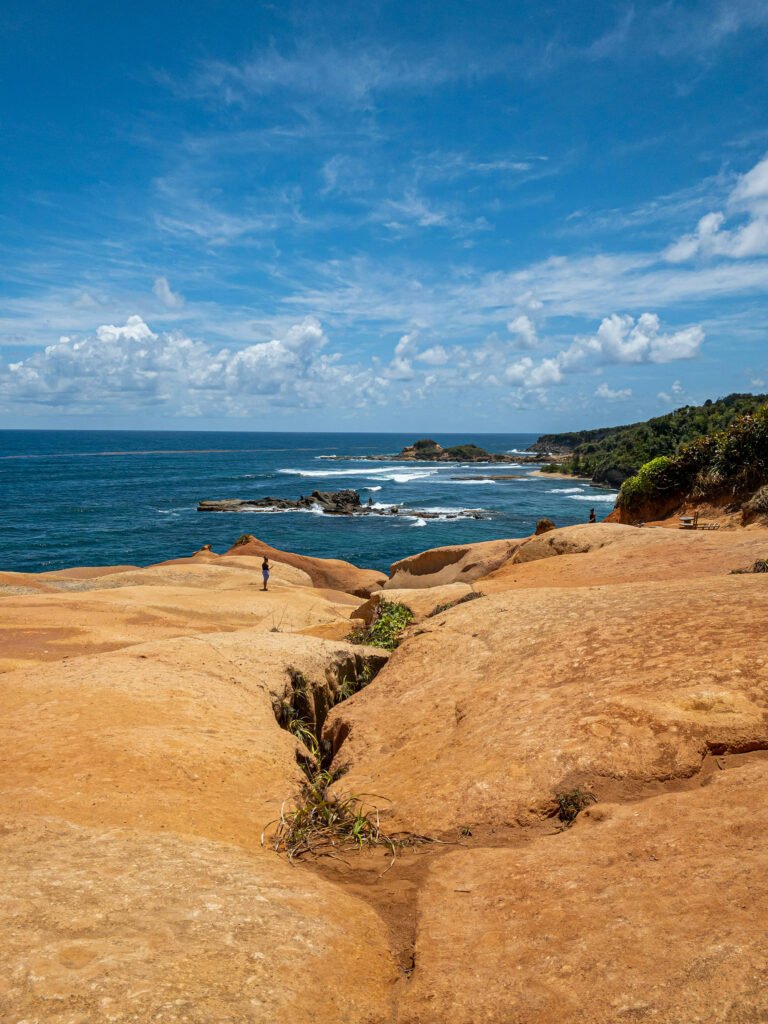
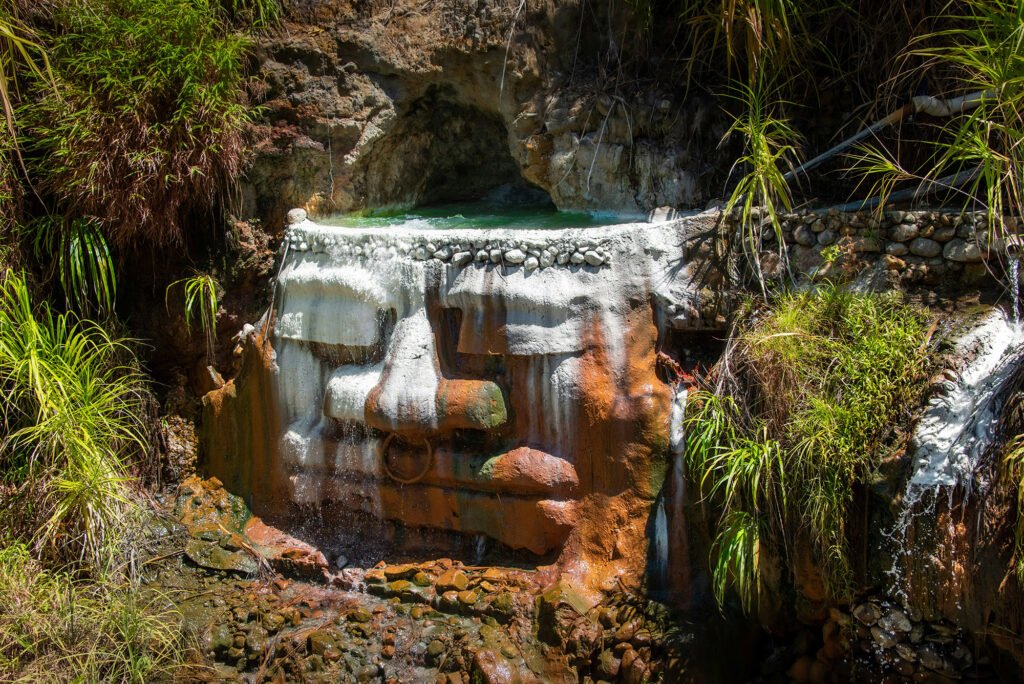
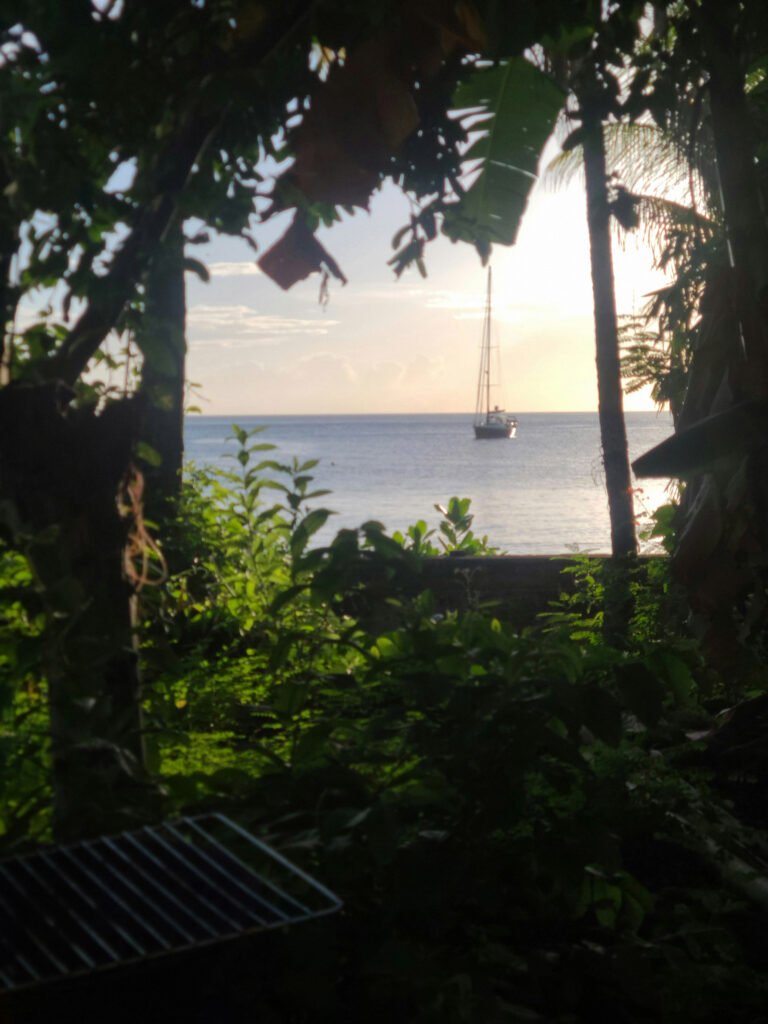
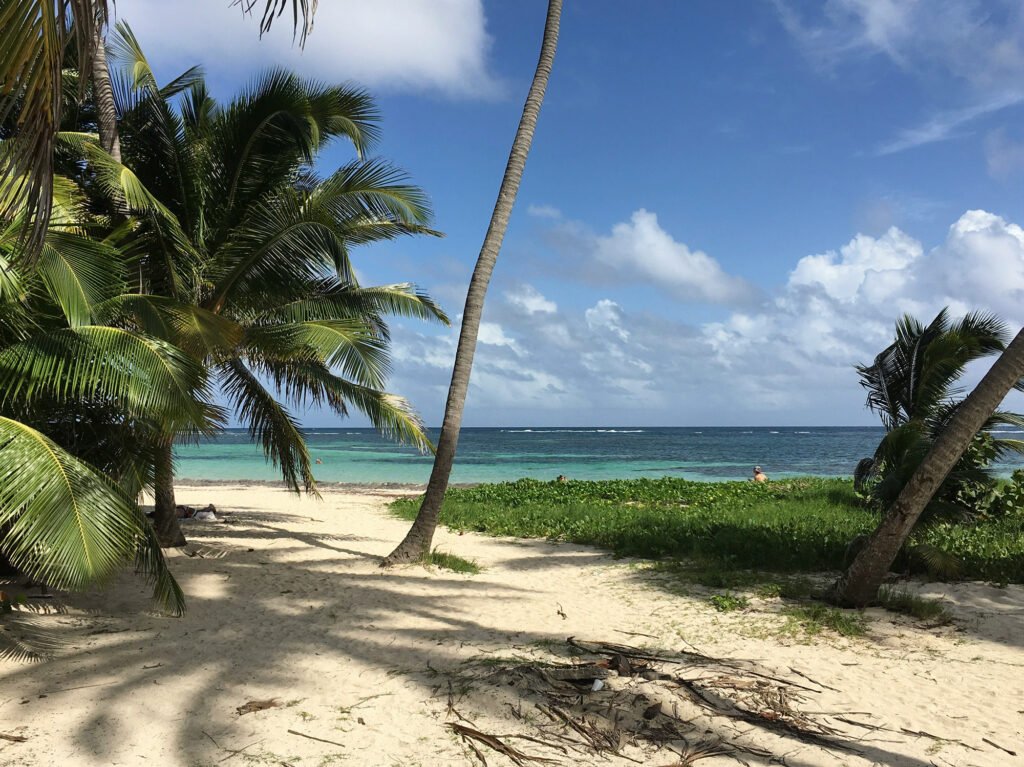
Prince Rupert Bay, Portsmouth
Roseau Roadstead
Soufriere Bay
Scotts Head
Champagne Reef
Hike the Boiling Lake Trail through the Valley of Desolation
Swim into Titou Gorge, filmed in Pirates of the Caribbean
Row up Indian River beneath its mangrove canopy
Snorkel the volcanic bubbles at Champagne Reef
Watch for resident sperm whales off the west coast
Morne Trois Pitons National Park
Trafalgar Falls
Middleham Falls
Cabrits National Park and Fort Shirley, Portsmouth
Kalinago Territory
December through May offers the driest, calmest conditions for exploring both coasts, though Dominica’s mountainous terrain brings rain even in the dry season, feeding the waterfalls that give the island its nickname. Hurricane season runs June to November, and Dominica sits squarely in the belt, as Hurricane Maria showed in September 2017. Whale watching runs year-round off the west coast, though November through March brings the calmest seas for it.
Douglas-Charles Airport (DOM), on the island’s northeast coast, is Dominica’s main gateway, roughly an hour’s drive from Roseau and closer to Portsmouth. A smaller airfield, Canefield Airport, sits just outside Roseau but handles only light aircraft on short regional hops. Most charter guests fly into Douglas-Charles via a connection through Antigua, Barbados or Saint Lucia and join their yacht at Portsmouth or Roseau.
Prince Rupert Bay, off Portsmouth, is the more sheltered of Dominica’s two main anchorages, with mooring balls managed by the PAYS boat-boy association and depths of ten to twenty metres over sand. Roseau, the capital, sits more exposed to swell but puts guests within walking distance of the market and Botanical Gardens. Dominica’s steep underwater terrain limits anchoring almost everywhere else on the coast, so most itineraries move between just these two bases.
Two to three nights allow time for a full-day hike, whether to the Boiling Lake or a gentler trail to Trafalgar or Middleham Falls, plus a river tour and a swim at Champagne Reef without rushing between them. Dominica rewards a slower pace than most Caribbean stops, since its best features lie inland rather than along the coast, and it pairs naturally with Guadeloupe or Martinique on a wider itinerary.
Established in 1903 and covering some 3,700 acres on the island’s northeast coast, it’s home to the largest population of pre-Columbian indigenous people left in the Caribbean, descendants of the Kalinago, or Carib, people displaced or eliminated on most neighbouring islands. Visitors can tour a recreated traditional village, buy woven larouma-reed baskets directly from artisans, and learn about a culture that predates every other layer of Dominica’s history.

Tell us what you would like to know, and our team will respond with clear details on availability, specification, pricing and next steps.