Virgin Islands / US Virgin Islands / Saint John
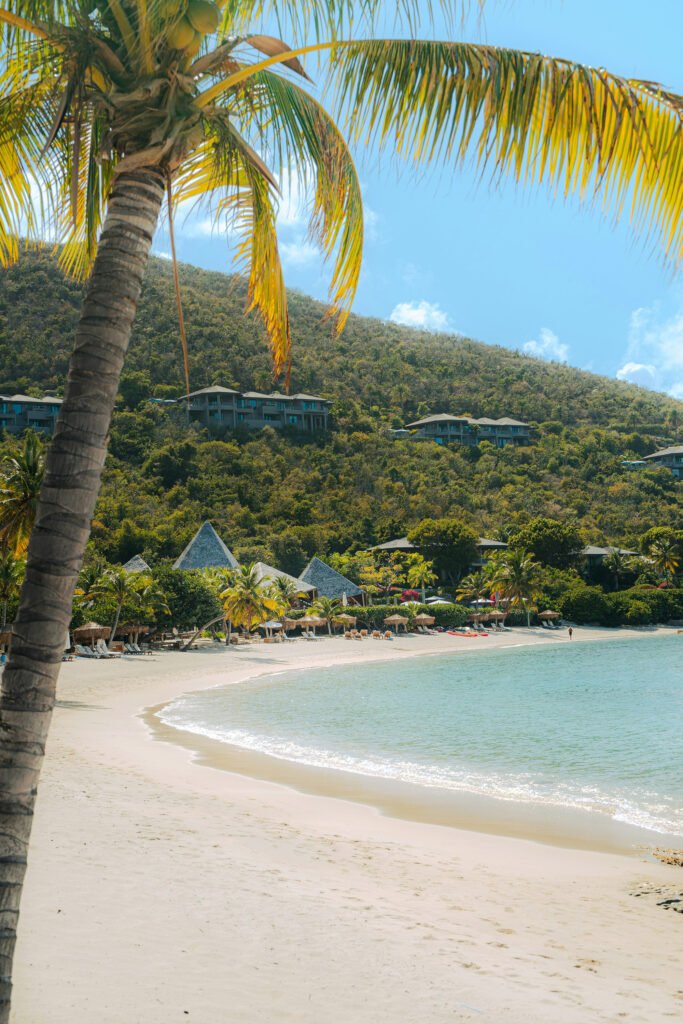
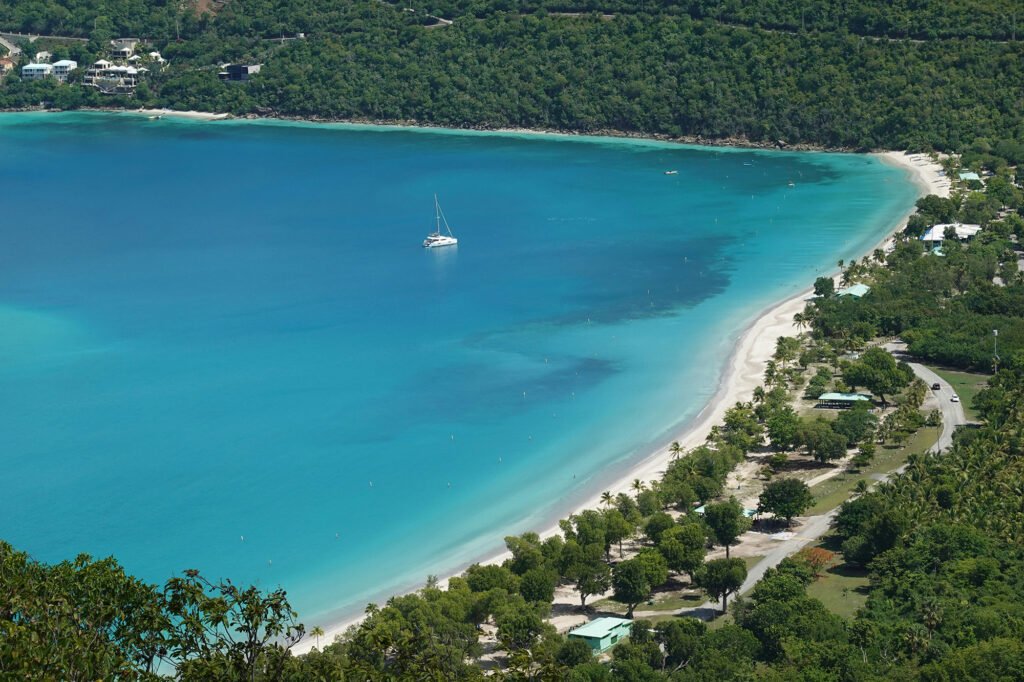
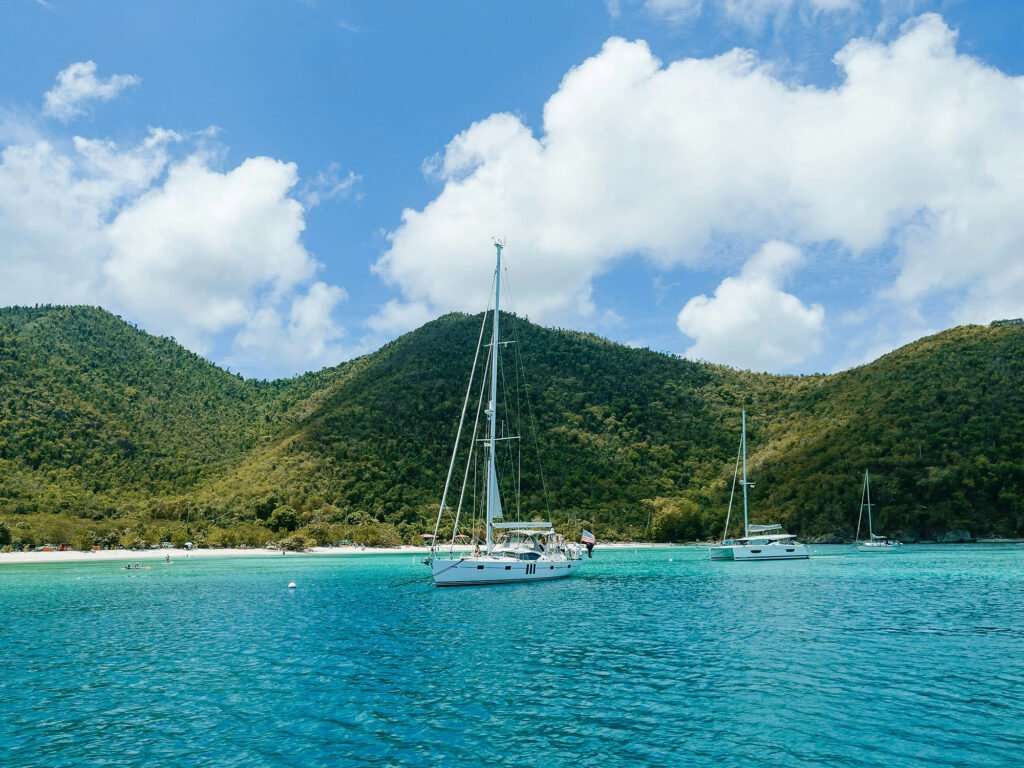
Trunk Bay
Cinnamon Bay
Maho Bay
Hawksnest Bay
Leinster Bay
Snorkel Trunk Bay’s underwater trail
Hike the Ram Head Trail
Explore the Annaberg Sugar Mill ruins
Snorkel Waterlemon Cay off Leinster Bay
Browse the galleries and cafes of Cruz Bay
Cruz Bay
Coral Bay
Annaberg Historic District
Bordeaux Mountain
Lind Point
December through April brings the calmest seas and the steadiest trade winds, alongside the busiest crowds at Trunk Bay and in Cruz Bay’s restaurants. Hurricane season runs from June through November, with National Park facilities sometimes closing temporarily after a major storm, as happened following Hurricanes Irma and Maria in 2017. Late spring and early summer typically combine warm water with noticeably quieter anchorages across the park.
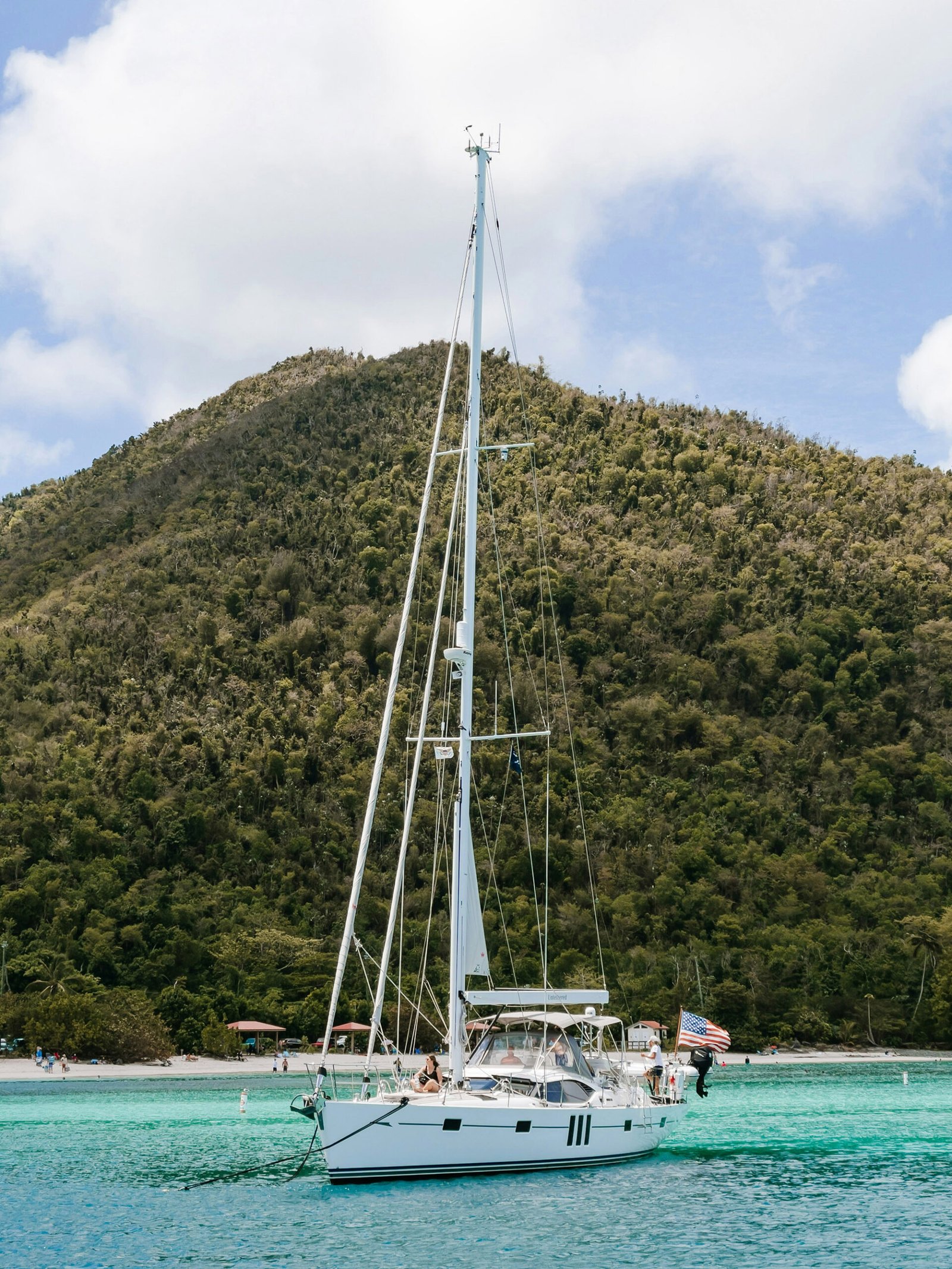
St John has no airport of its own; the nearest is Cyril E King Airport on St Thomas, from where a ferry runs roughly hourly from Red Hook, a crossing of about twenty minutes, or a few times a day from Charlotte Amalie, a longer run of around forty-five minutes. Many charter guests skip the ferry altogether and simply join their yacht already anchored off Cruz Bay or one of the park’s bays.
Great Cruz Bay and Chocolate Hole, both south of Cruz Bay town, offer well protected overnight holding within a short dinghy ride of dinner ashore. Cinnamon Bay and Maho Bay are calm and scenic but more exposed to any swell from the north, so they suit a daytime stop better than an overnight in unsettled weather. Francis Bay, tucked into the park’s northwest corner, is a quieter alternative favoured by guests wanting an early start on Trunk Bay before the day boats arrive.
Two nights let guests properly work through the park’s beaches, from Trunk Bay’s snorkel trail to the quieter sands at Hawksnest and Francis Bay, plus a half day ashore in Cruz Bay or hiking to the Reef Bay petroglyphs. Because St John is so compact, roughly nine miles end to end, it pairs naturally with a longer route through St Thomas and the British Virgin Islands rather than serving as a stand-alone week-long base.
Coral Bay was the island’s economic and administrative centre under Danish rule, and in November 1733 it became the site of one of the earliest sustained slave revolts in the Americas, when enslaved Akwamu people overran the garrison at Fort Frederiksvaern and held large parts of the island for roughly six months before French troops helped suppress it. A small cannon and the fort’s low stone walls still stand above the bay today, largely unrestored.

Tell us what you would like to know, and our team will respond with clear details on availability, specification, pricing and next steps.