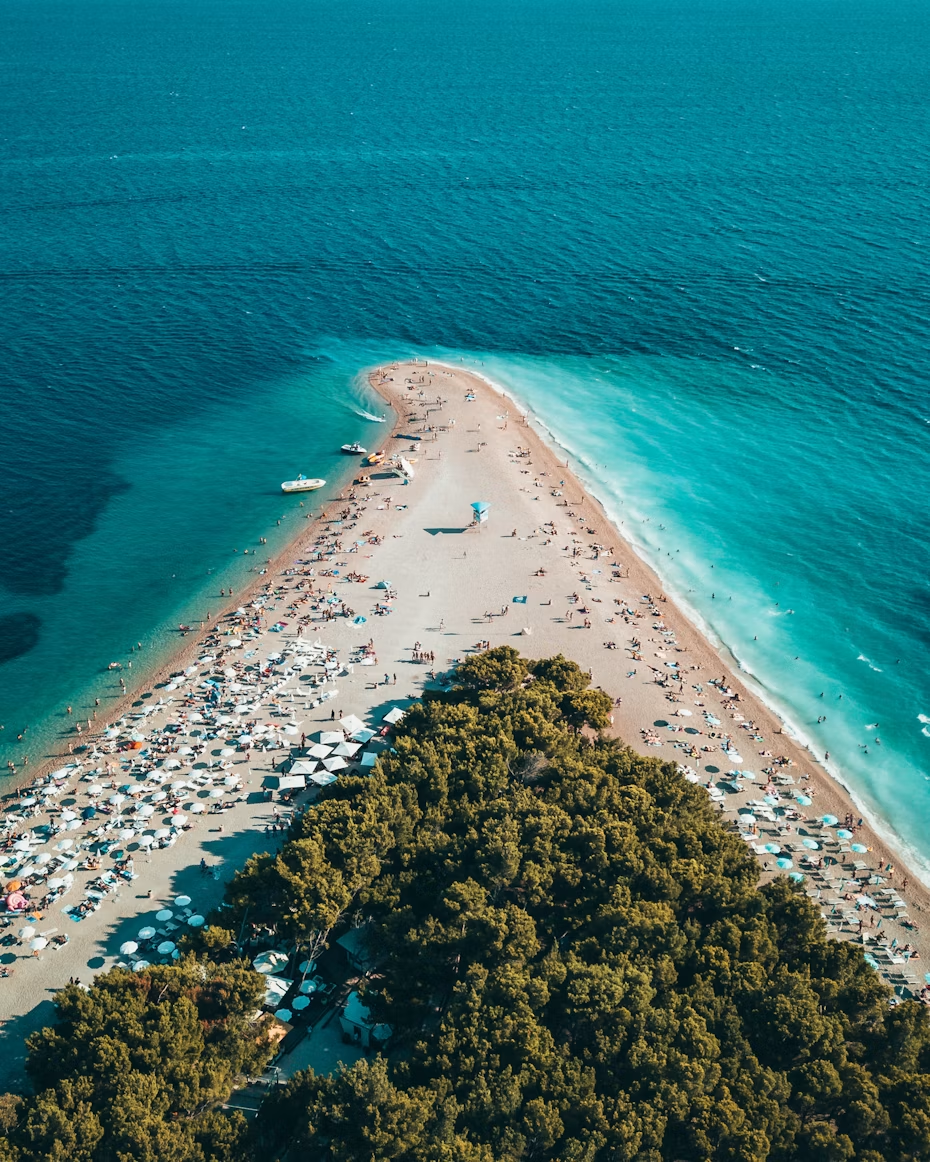
Croatia
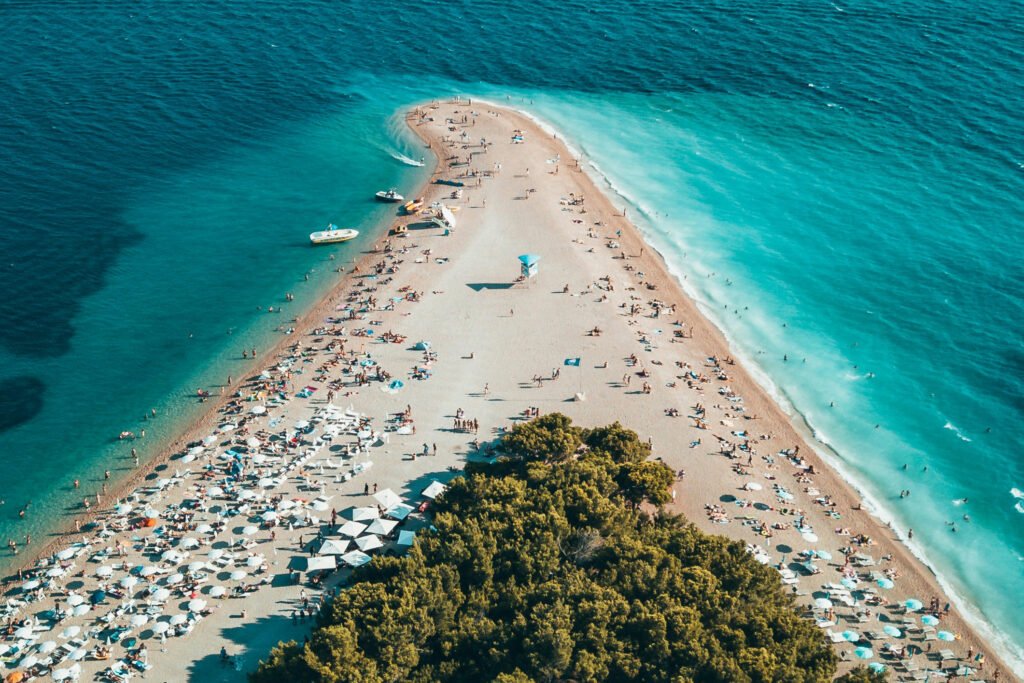
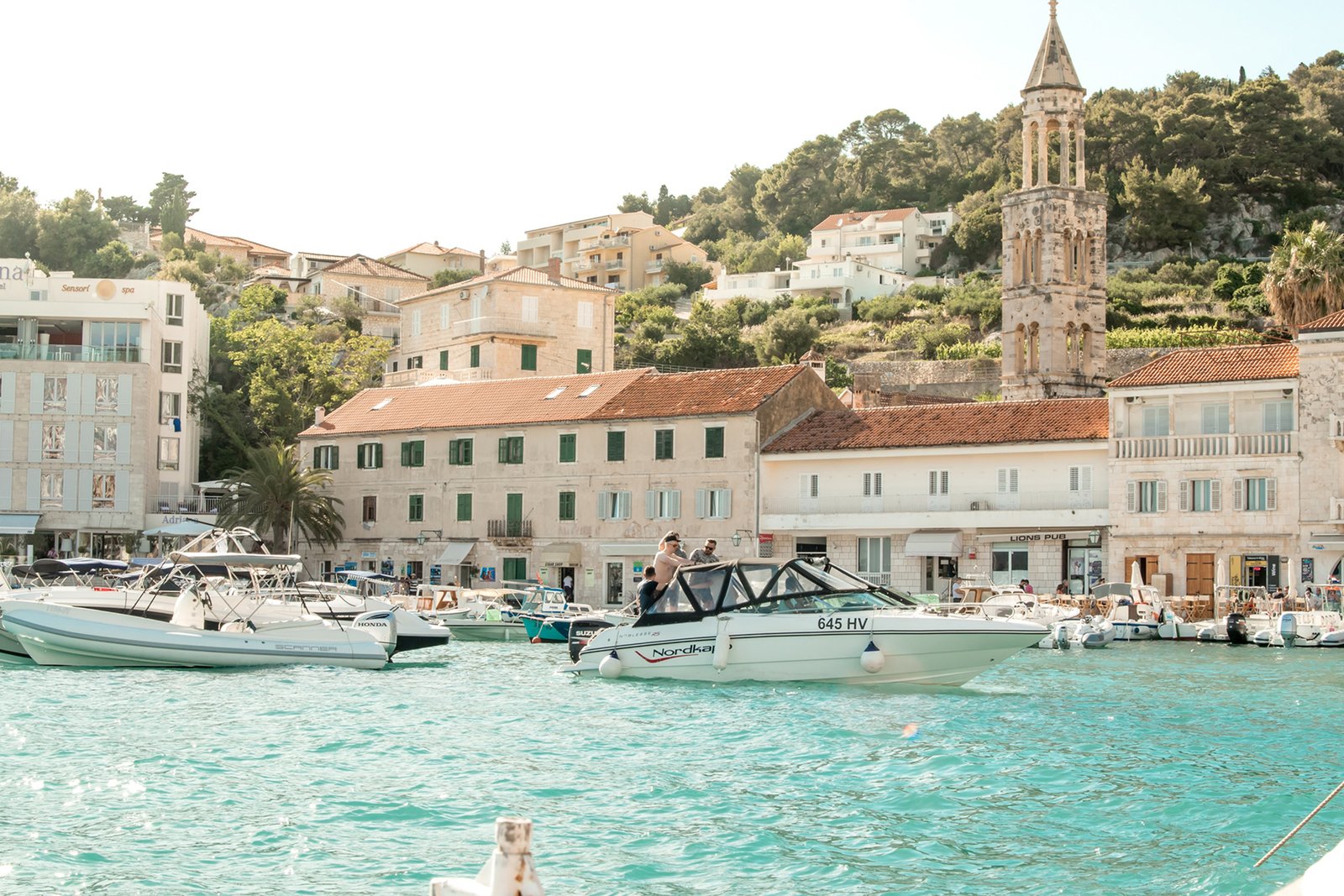
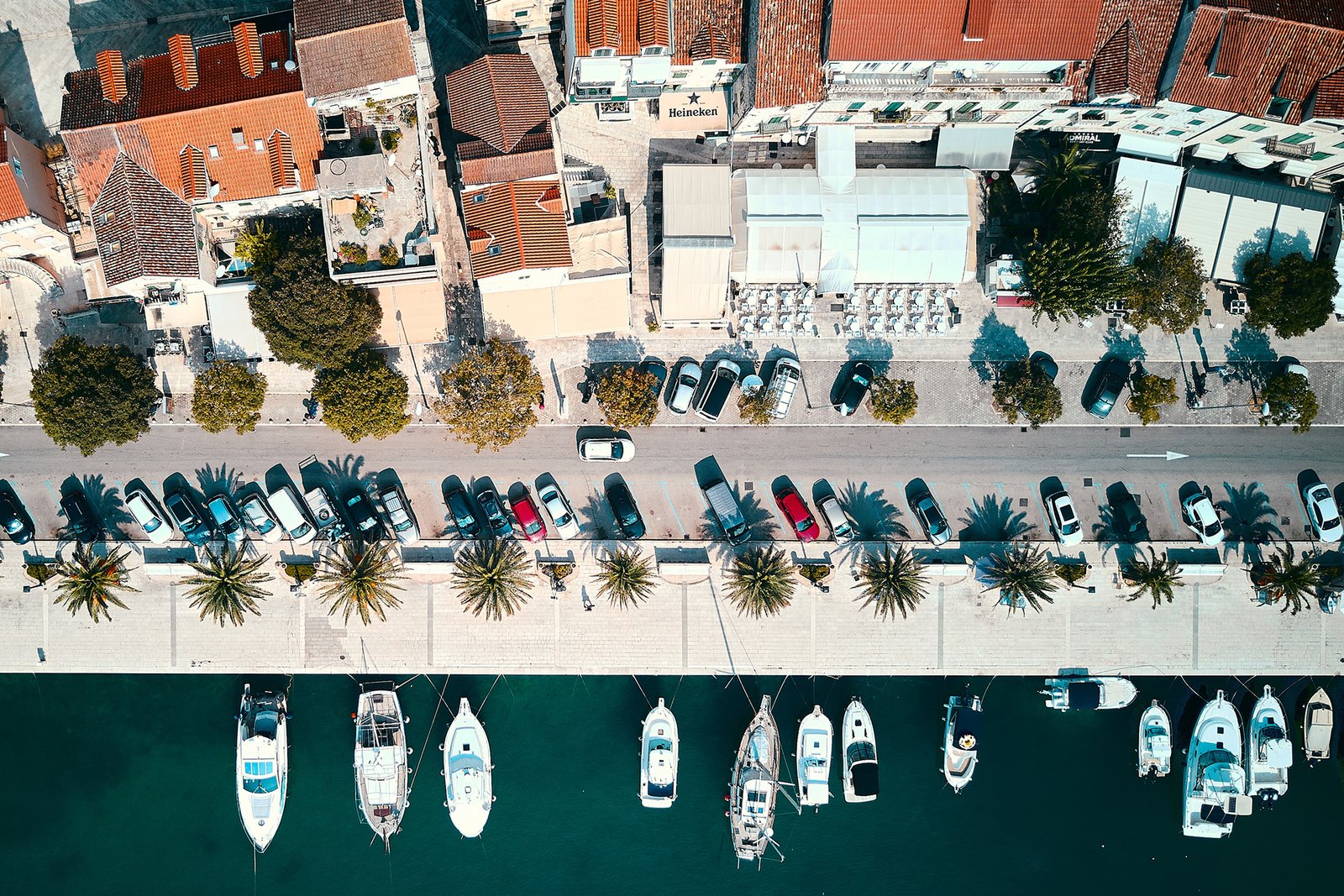
Hvar Town harbour
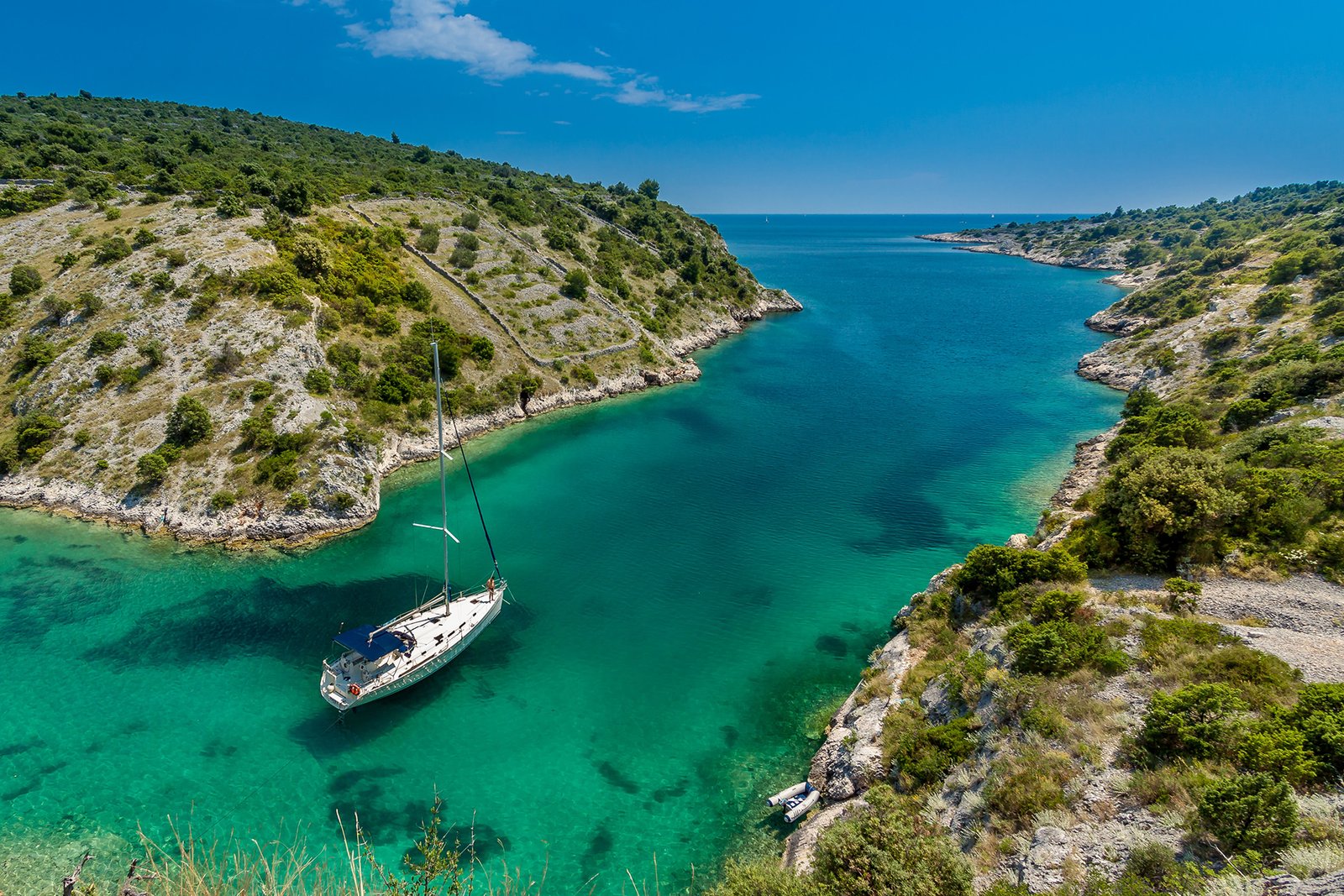
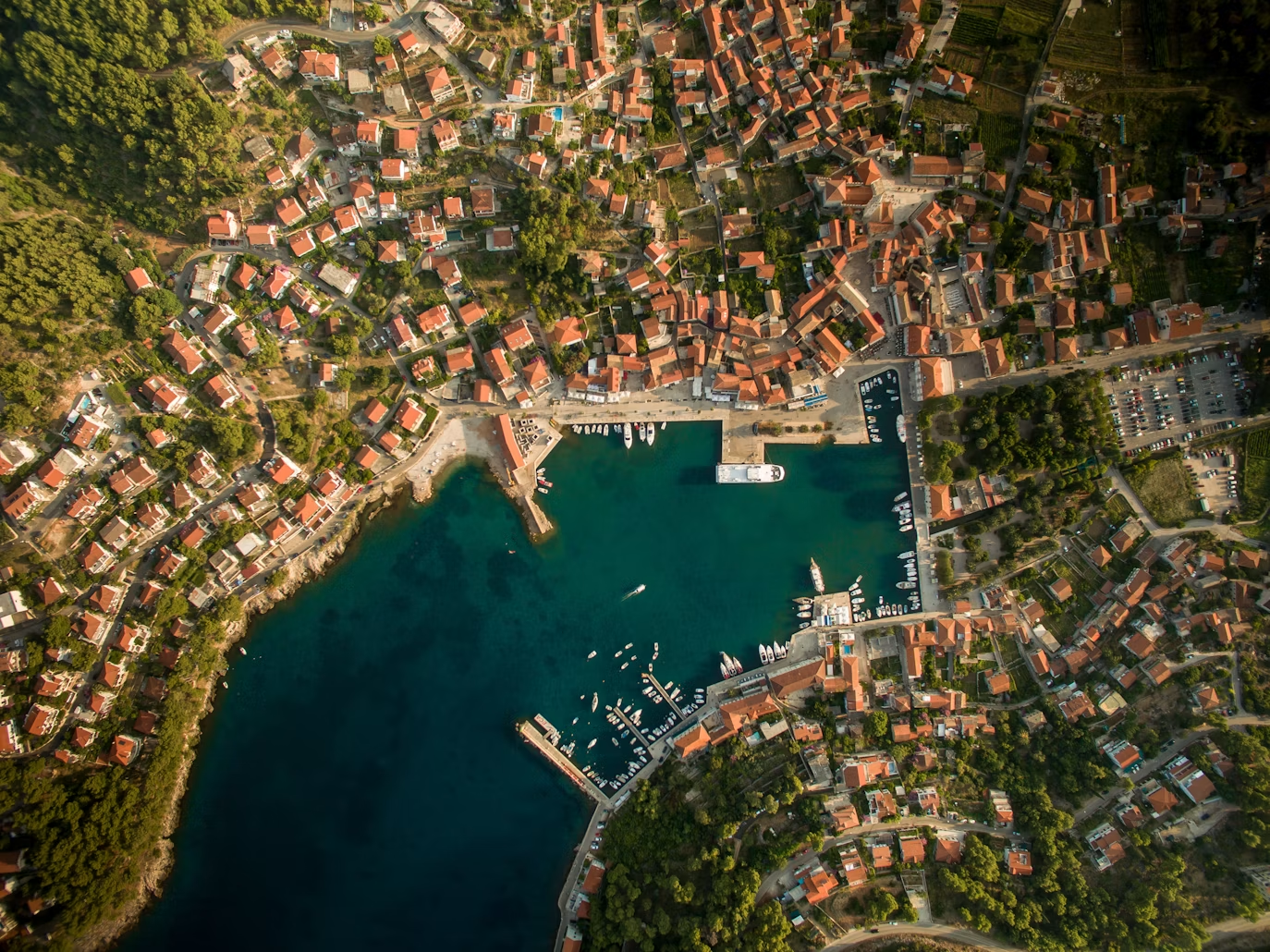
Stari Grad Bay, Hvar
Vis Town
Pakleni Islands
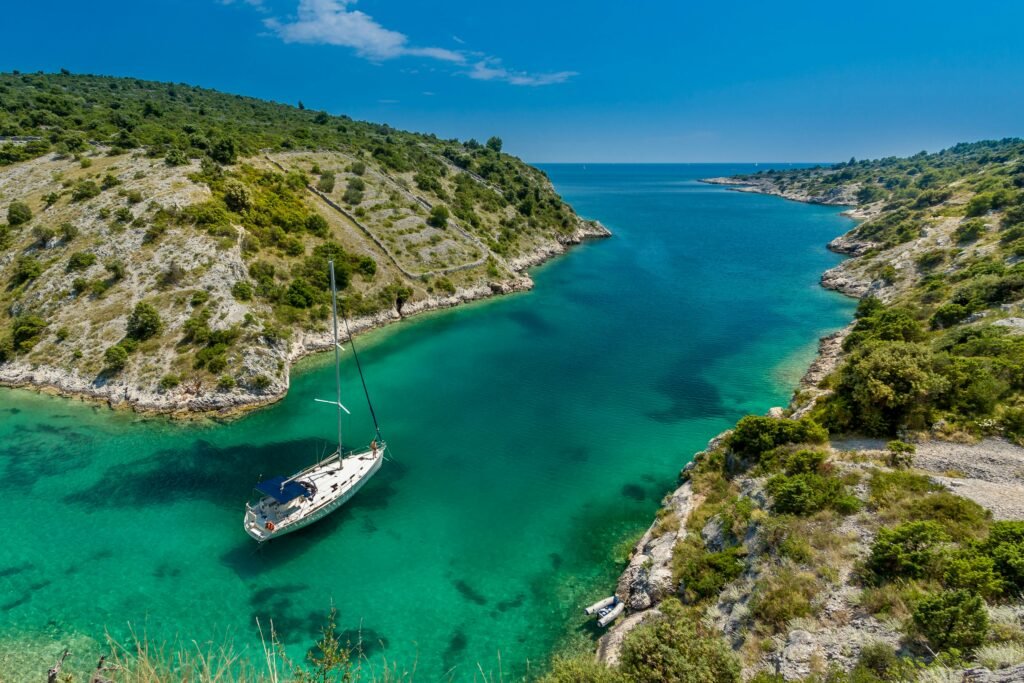
Kornati National Park
Sail through the Kornati archipelago
Swim into the Blue Cave on Biševo
Explore Diocletian’s Palace in Split
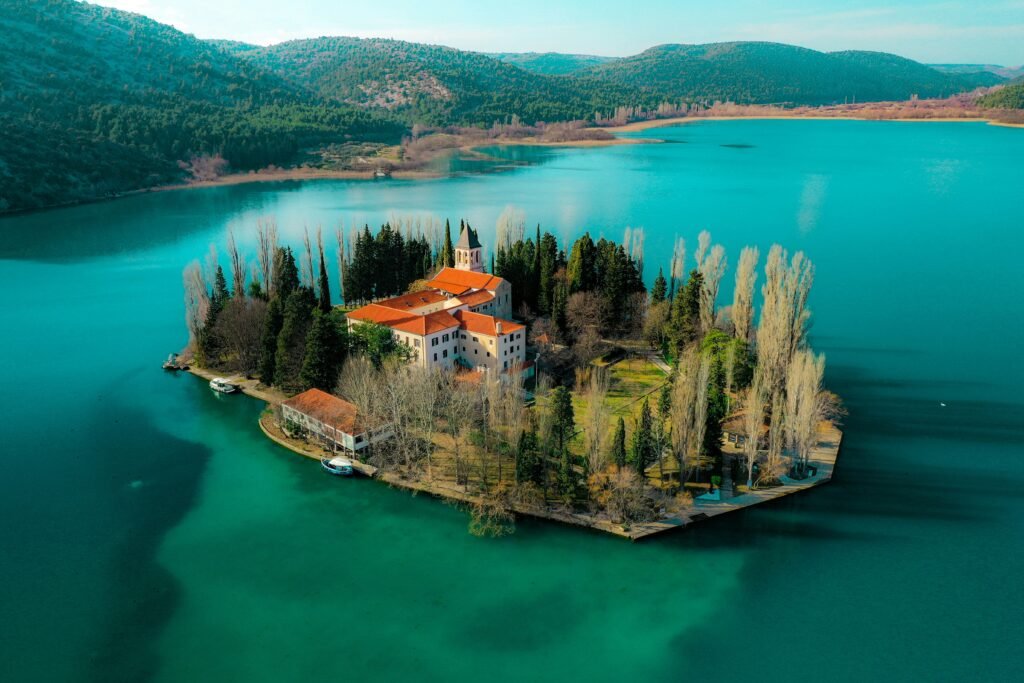
Hike the waterfalls of Krka National Park
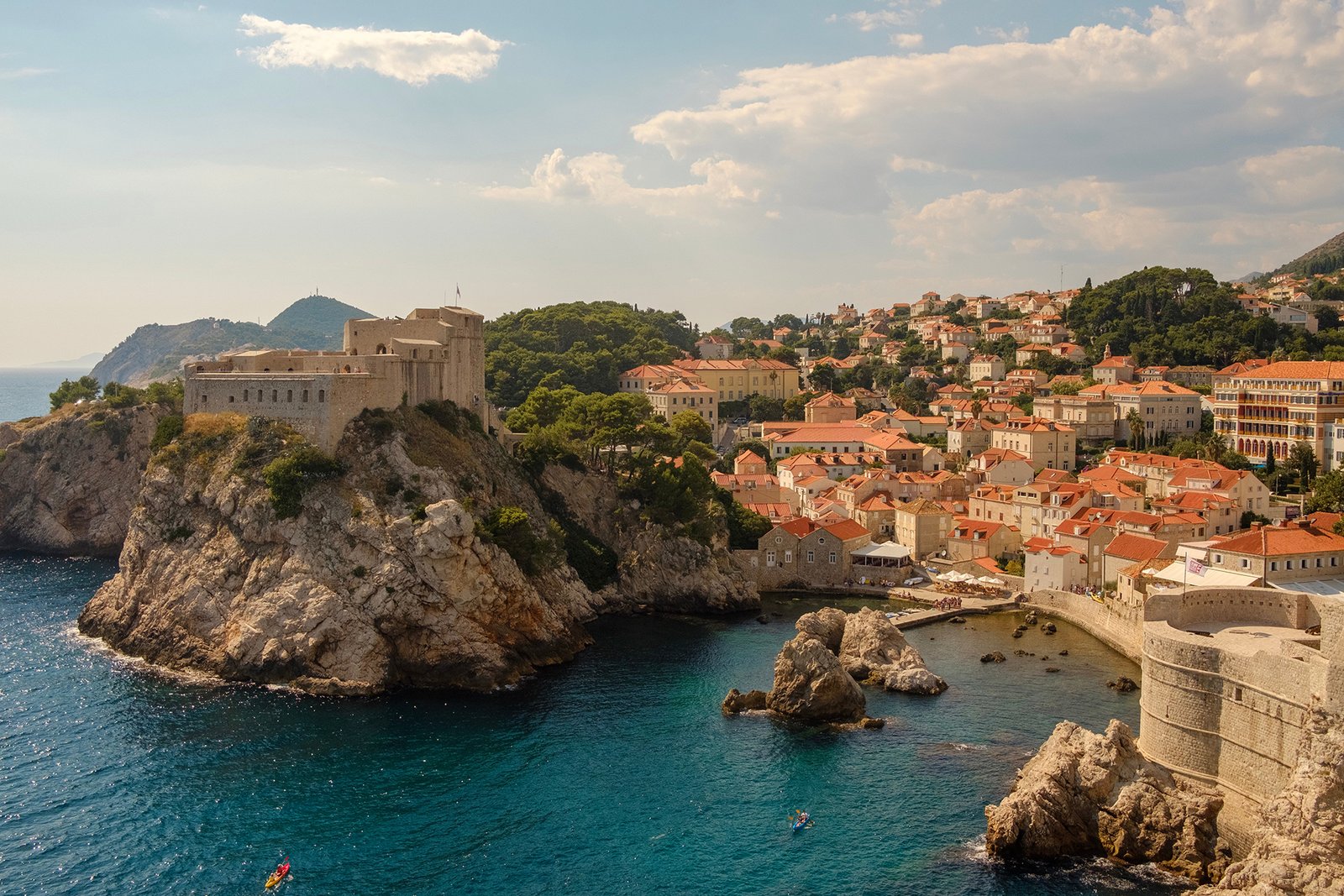
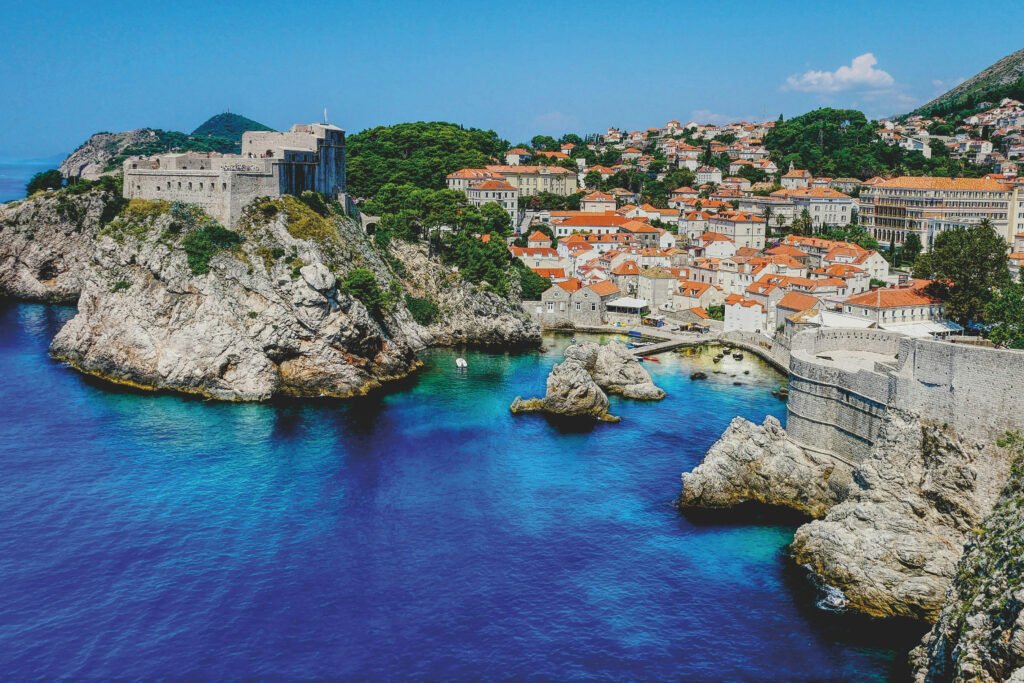
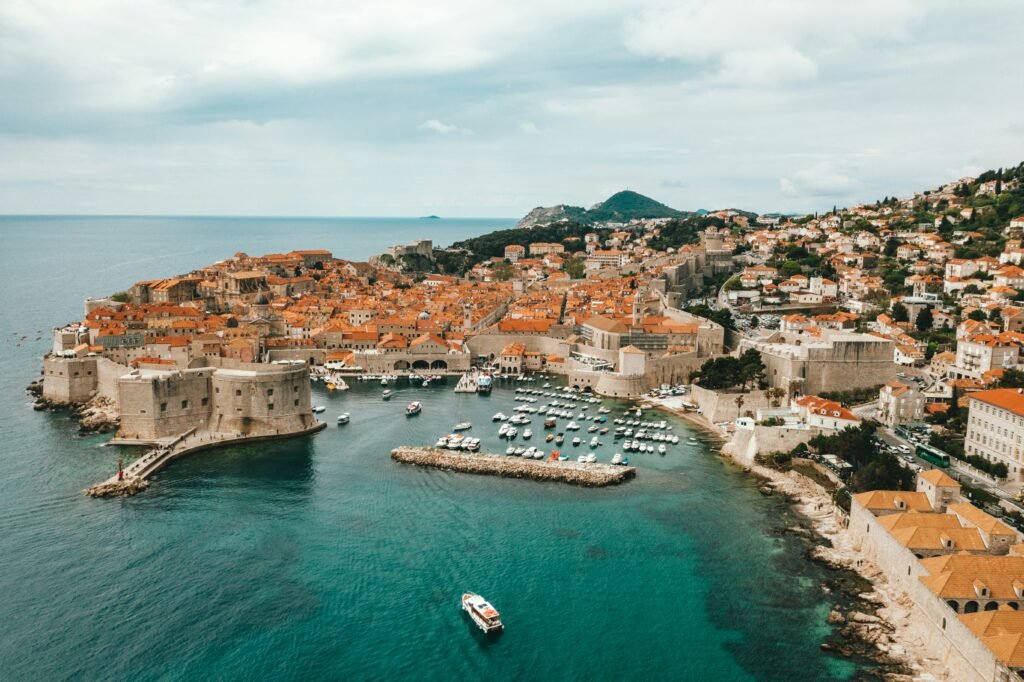
Dine inside Dubrovnik’s Old Town walls
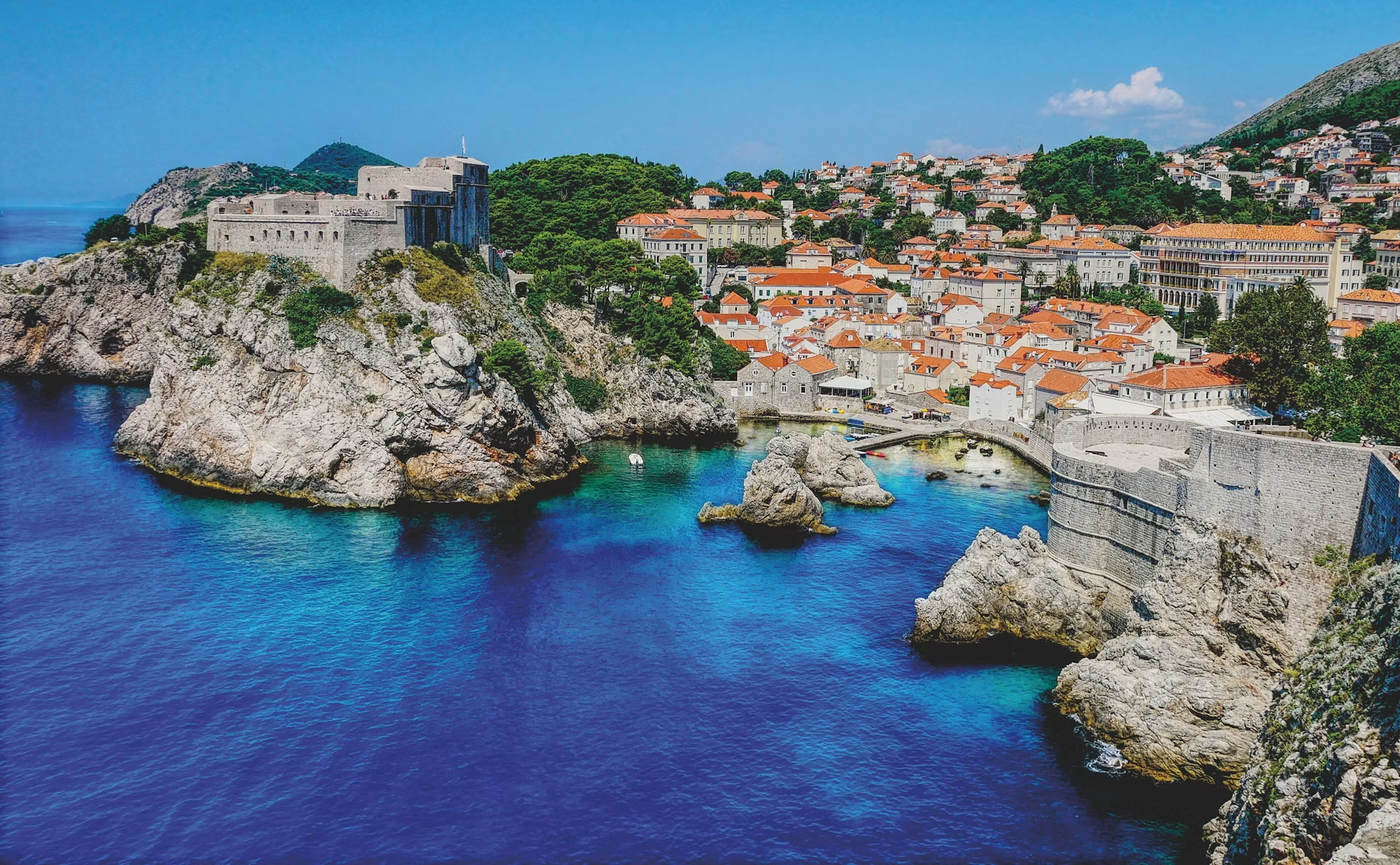
Dubrovnik Old Town (UNESCO)
Diocletian’s Palace, Split
Hvar Town
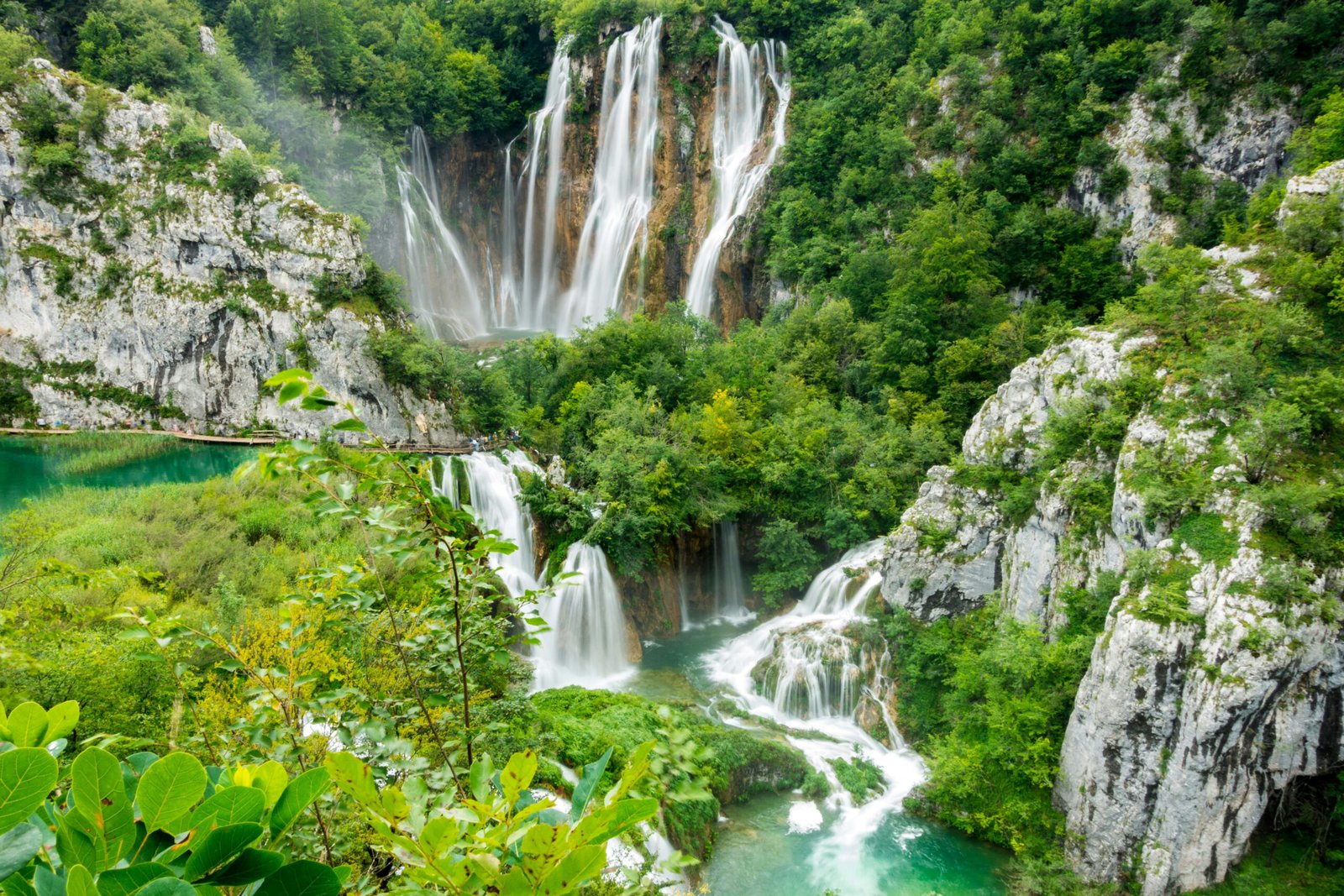
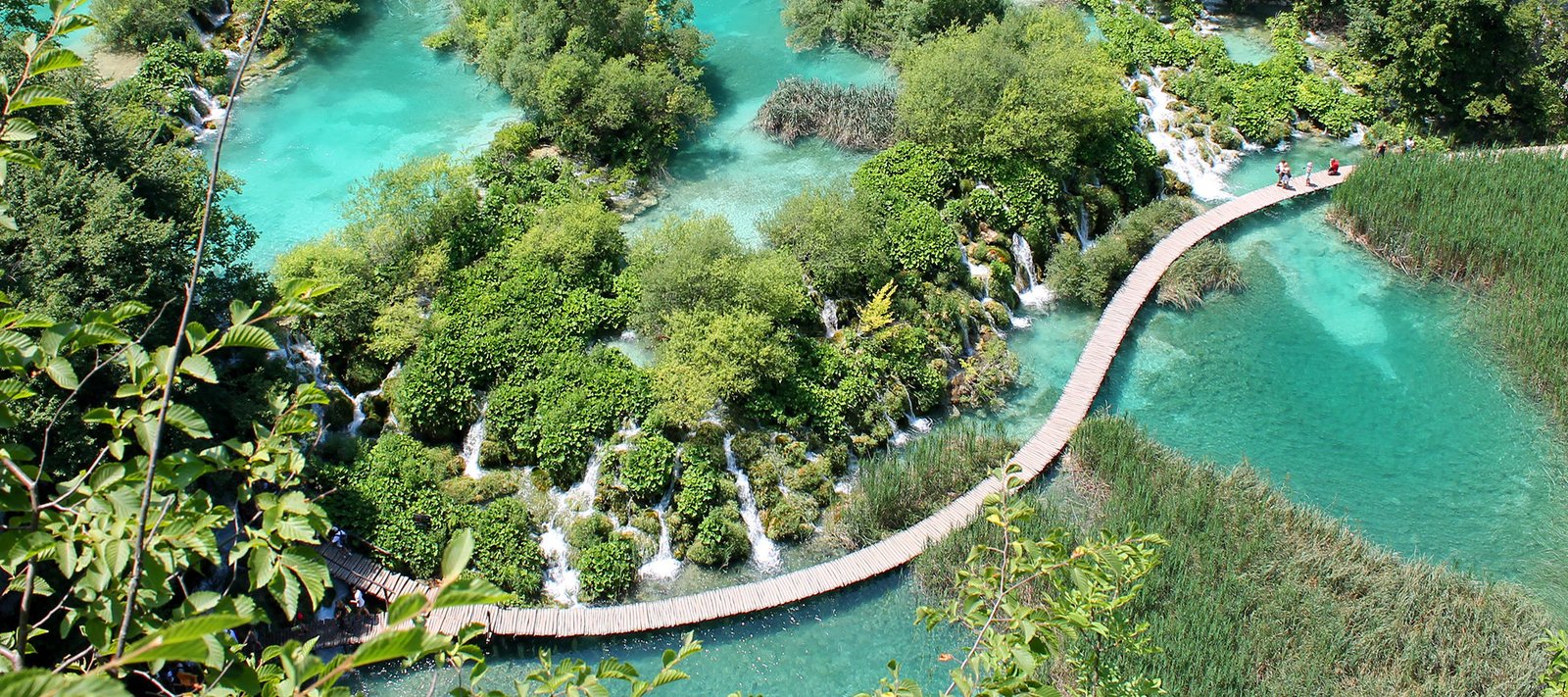
Plitvice Lakes National Park
Kornati National Park
May through September is the main season, with July and August the warmest but also the busiest around Hvar and Dubrovnik. The bura, a strong, gusty wind from the northeast, and the more humid jugo from the southeast both tend to be more disruptive in spring and autumn, so June and September usually offer the most reliable balance of good weather and thinner crowds.
Croatia’s coast is served by several gateway airports depending on where the charter starts: Split (SPU) and Zadar (ZAD) in the north-central region, Dubrovnik (DBV) in the south, and Pula (PUY) up on the Istrian peninsula. Most charters base out of Split or Dubrovnik specifically, both well connected with direct flights from across Europe through the summer season.
Hvar Town and the nearby Pakleni Islands offer the liveliest option, with bars and restaurants a short tender ride from quiet coves. Vis Town, further from the mainland, is calmer and less developed, a legacy of its closure as a military base until 1989. For something starker, the Kornati archipelago’s barren islets make for dramatic overnight anchorages away from any town at all.
A week to ten days covers a solid stretch of the central Dalmatian coast, from Split down through Hvar and Vis to Dubrovnik. Covering the full coast, from Istria in the north to Dubrovnik in the south, realistically needs two weeks or a split itinerary, since the distances involved are longer than they first appear on a map.
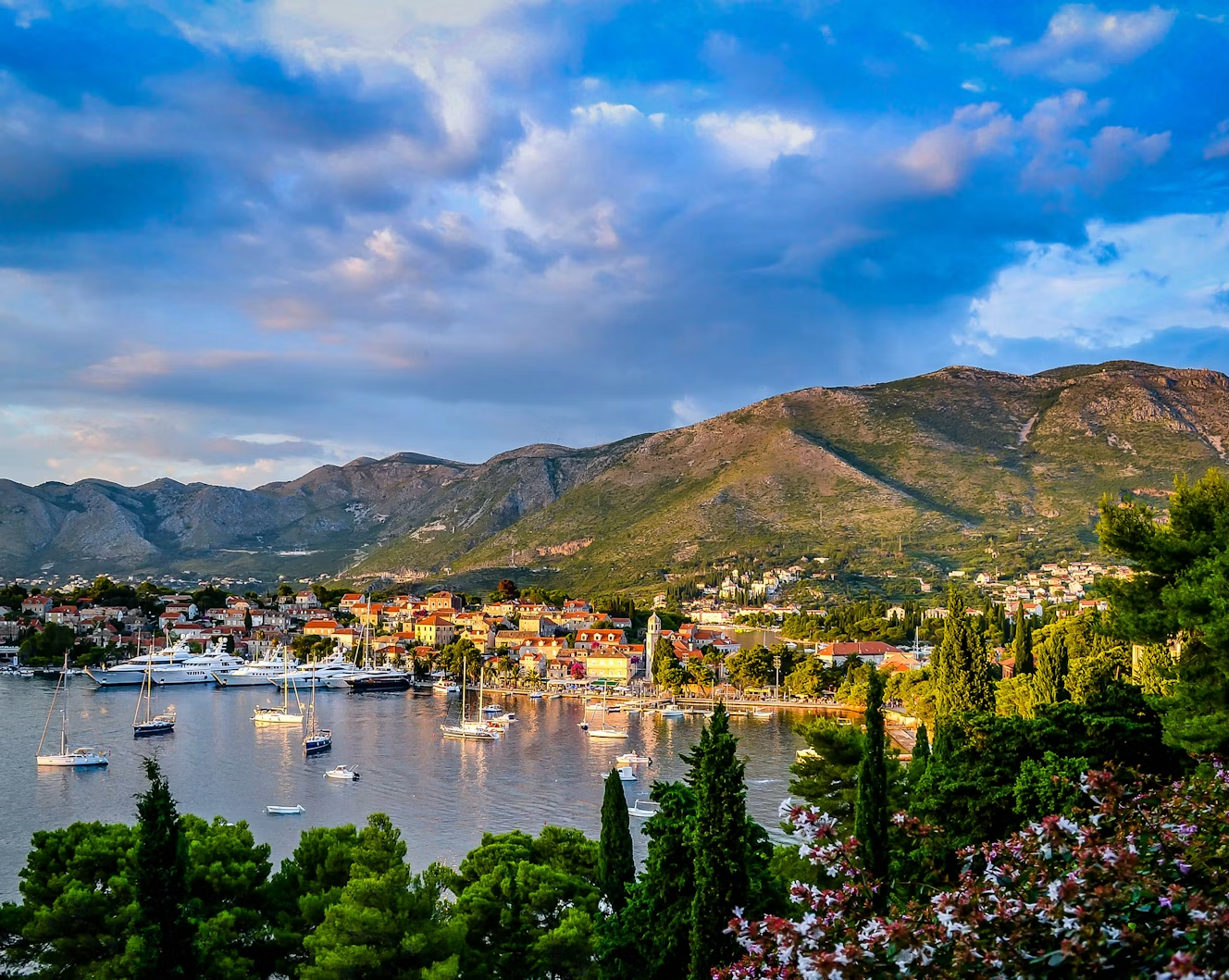
Foreign vessels must clear in at a designated port of entry, Umag in the north or Cavtat and Dubrovnik in the south, where they’re issued a nautical vignette covering navigation and safety fees for the calendar year. A separate tourist tax applies for guests sleeping aboard. Croatian authorities carry out regular inspections, so it’s worth having the paperwork in order rather than risking a fine mid-charter.