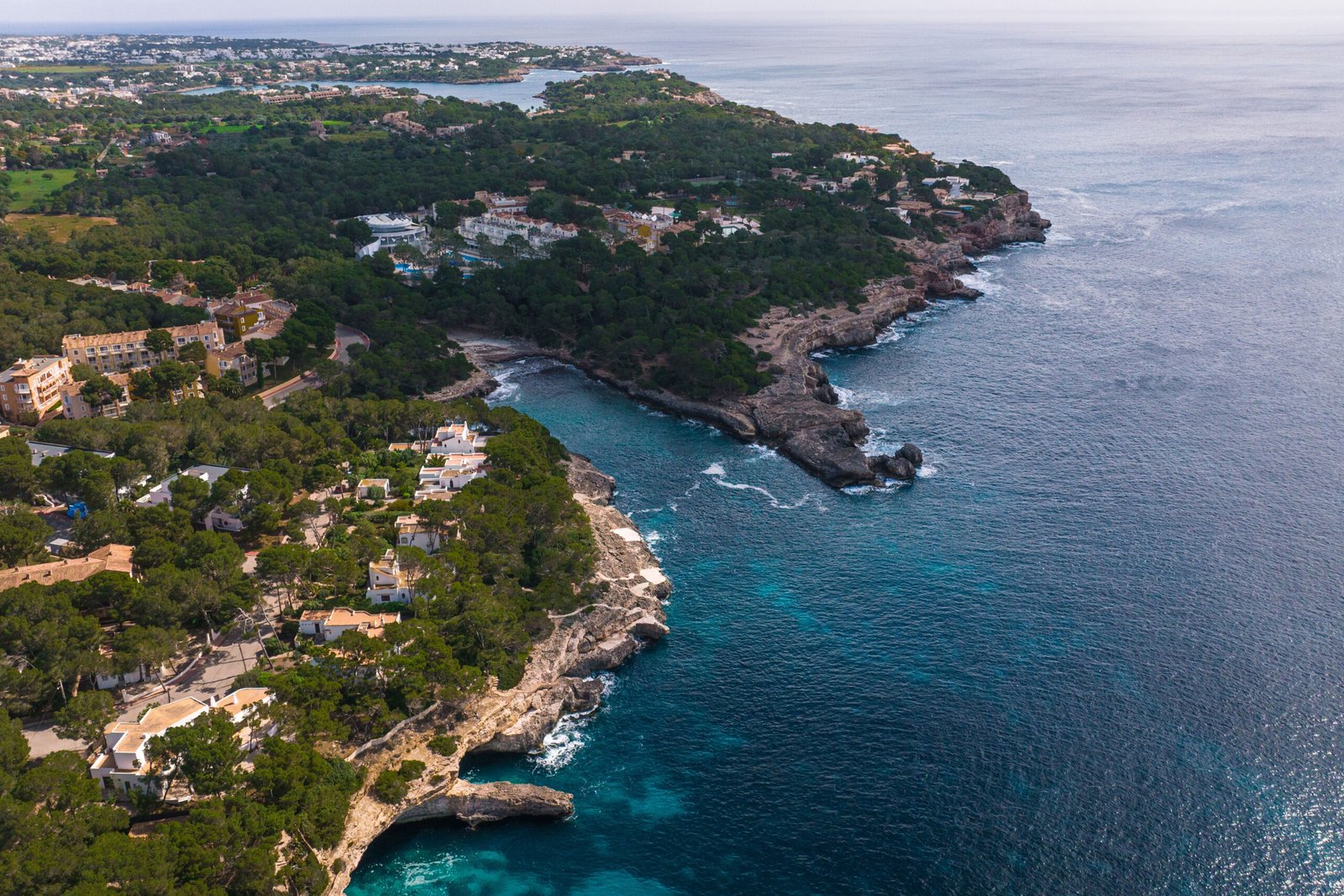
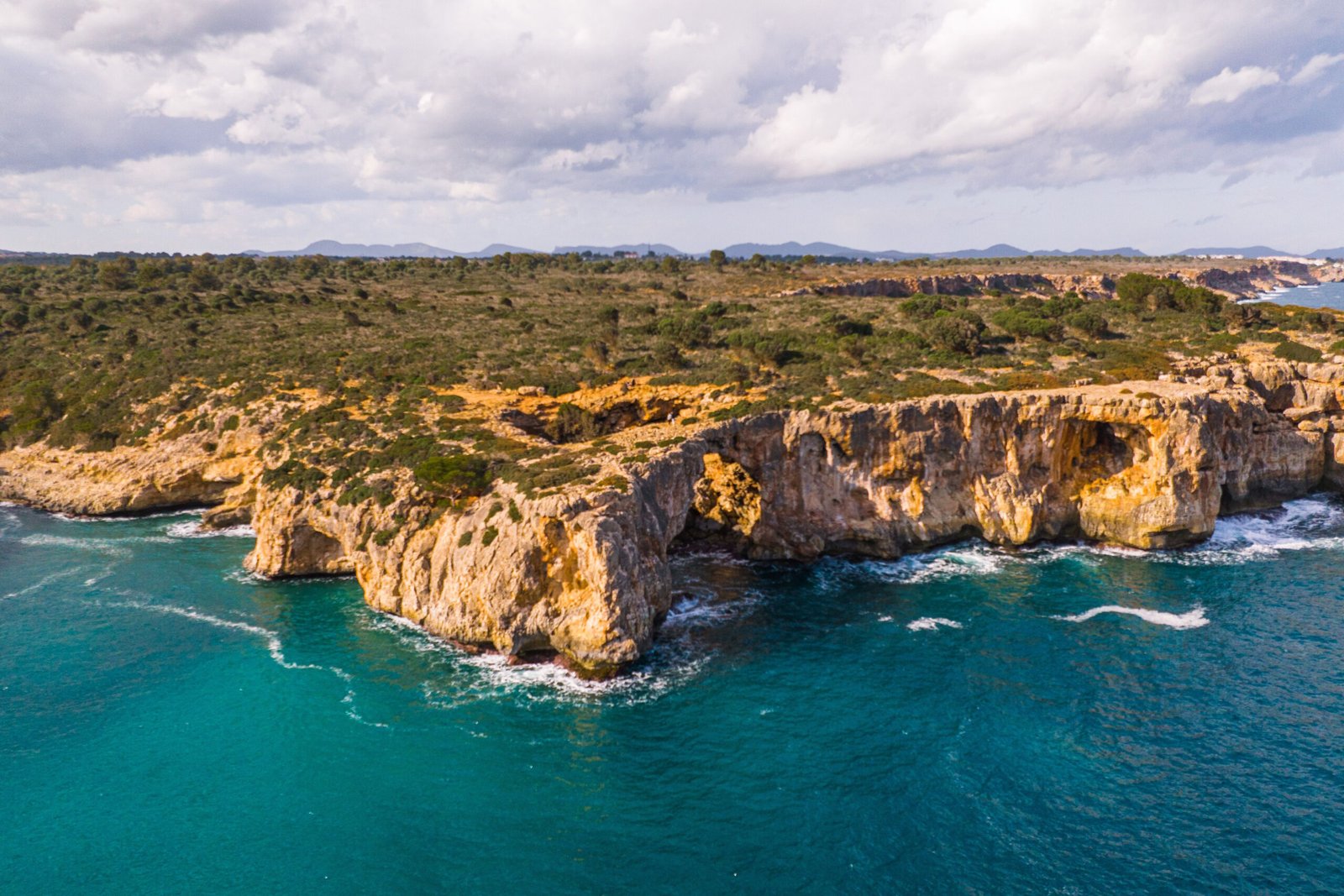
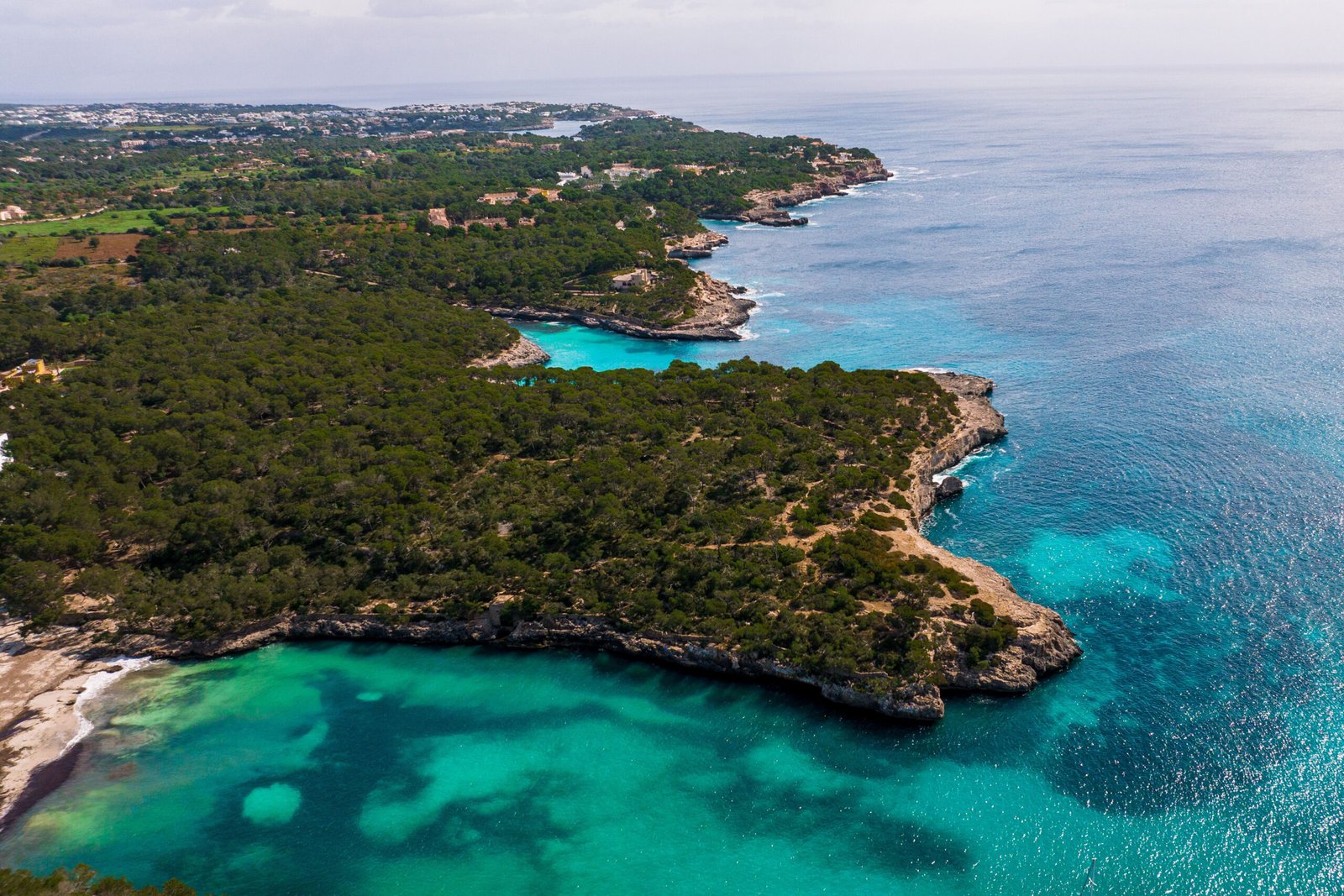
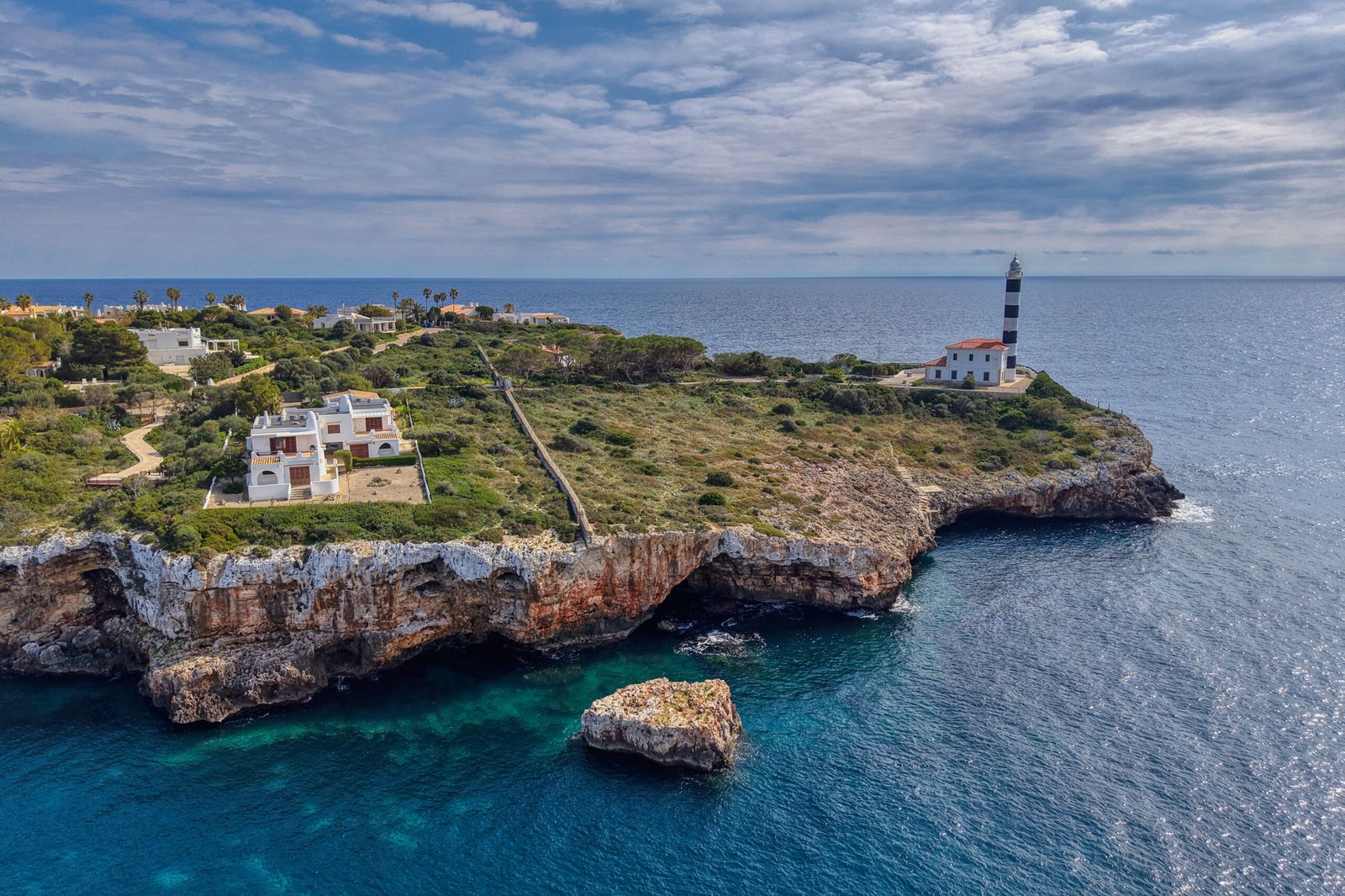
Balearics
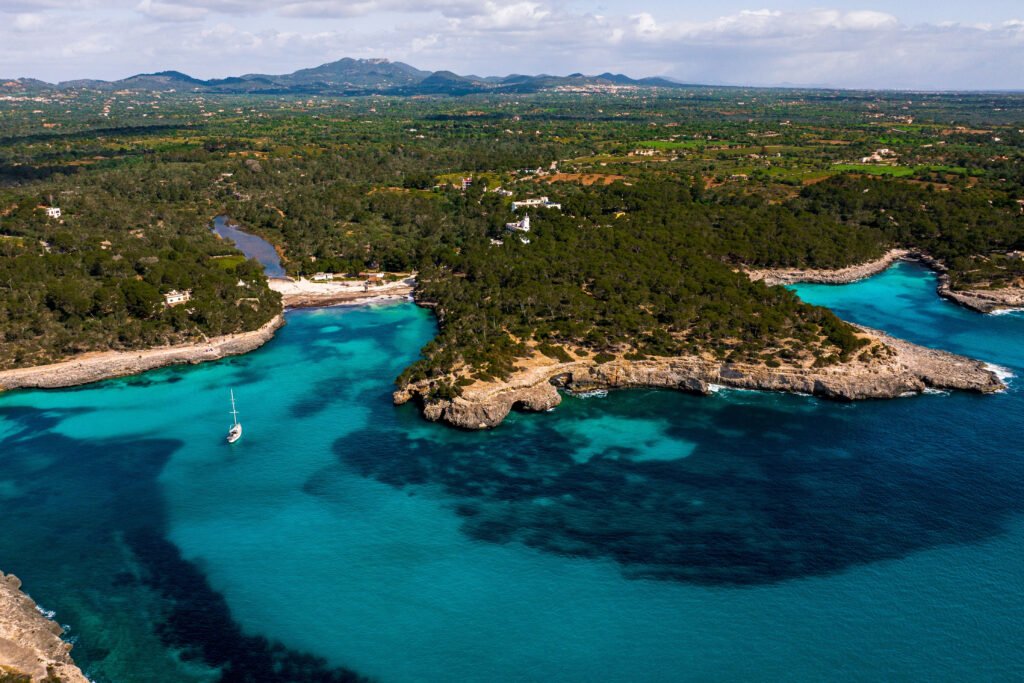
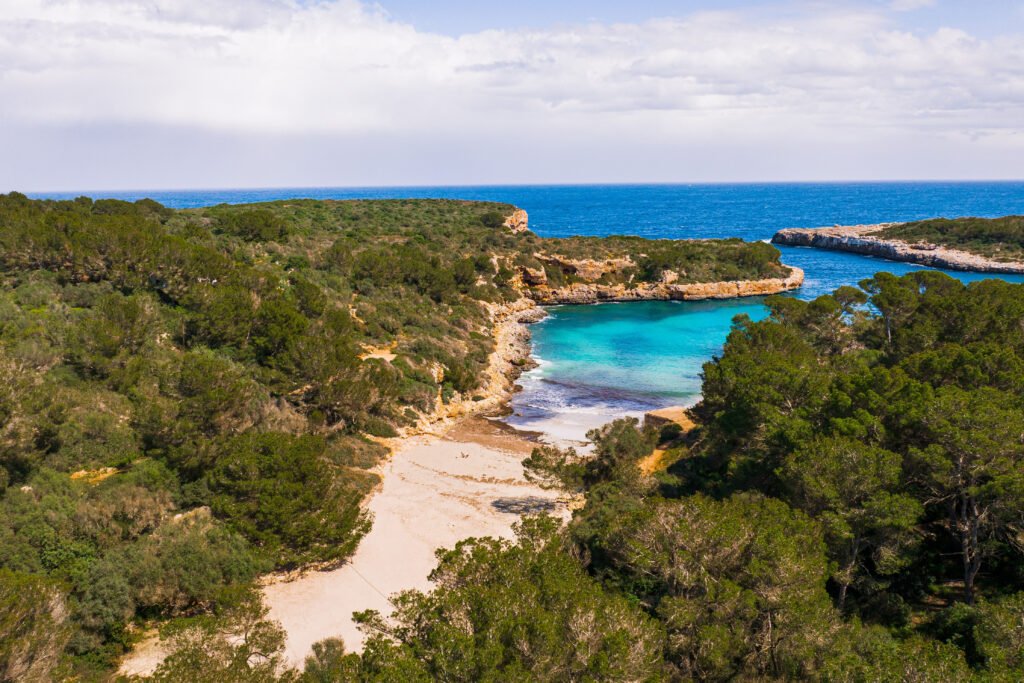
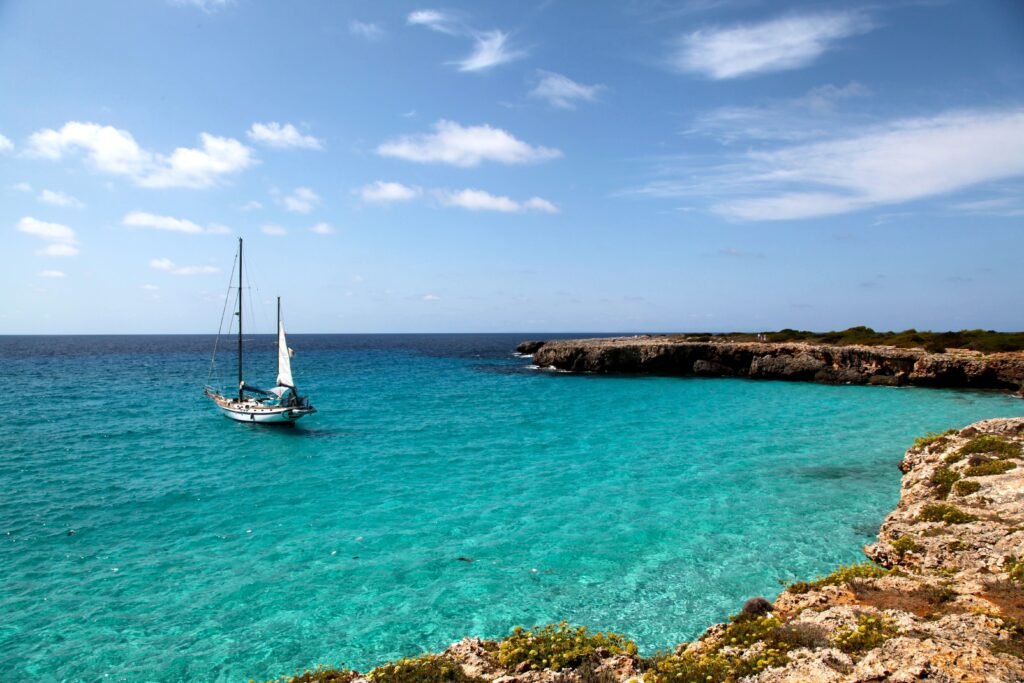
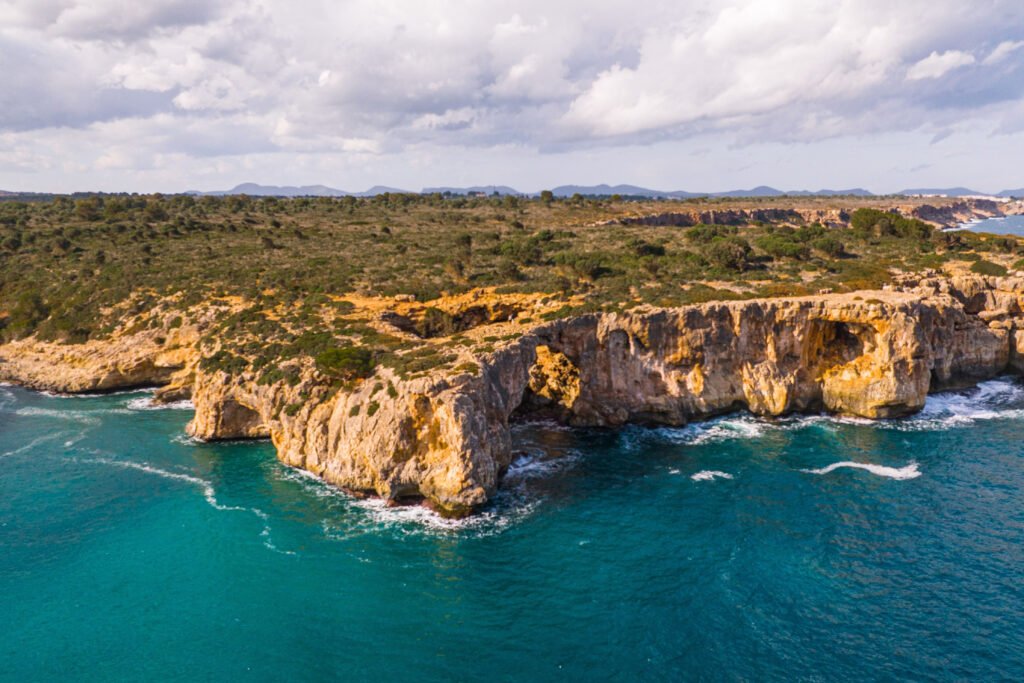
Cala Macarelleta, Menorca
Cala Pi, Mallorca
Espalmador islet, Formentera
Cala Bassa, Ibiza
Cala Pregonda, Menorca
Hike a stretch of the Tramuntana’s dry-stone route, Mallorca
Watch the sunset over Es Vedrà, Ibiza
Snorkel the marine reserve off Menorca’s Illa de l’Aire
Tender across to Espalmador from Ibiza or Formentera
Browse a local market in Palma’s old town, Mallorca
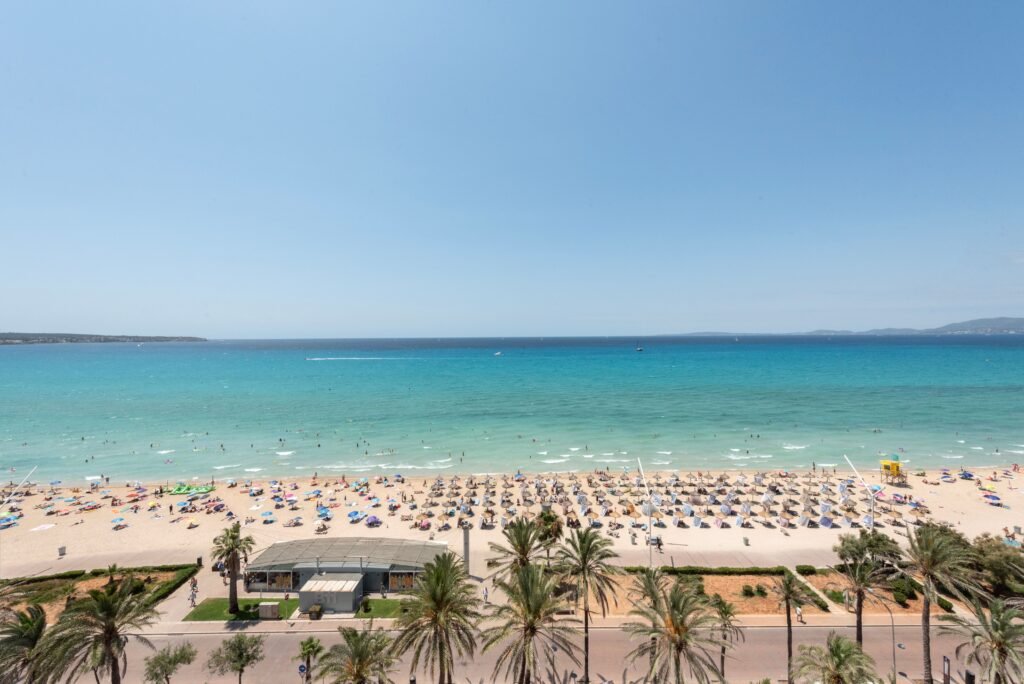
Palma, Mallorca
Santa Eulària des Riu, Ibiza
Mahón and Ciutadella, Menorca
Ses Salines Natural Park, Ibiza and Formentera
Pollença, Mallorca
Late May to early October gives the most reliable weather across all four islands, with June and September offering the same warm water as peak summer but noticeably lighter crowds at anchorages like Cala Macarelleta and Illetes. July and August are busiest and hottest, when marinas in Palma and Ibiza Town book up well in advance and popular coves fill by mid-morning.
Each main island has its own airport: Palma de Mallorca (PMI), Ibiza (IBZ) and Menorca (MAH), all with direct summer flights from major European cities. Formentera has no airport of its own and is reached only by boat, usually a short ferry or a yacht crossing from Ibiza. Flying into Palma generally offers the widest range of routes and the most flexibility if plans change.
Ibiza and Formentera pair naturally, separated by a crossing of under an hour, and suit guests who want beach clubs alongside quieter anchorages. Mallorca and Menorca sit further north and are usually visited together, roughly half a day apart by sea, with Mallorca offering more marina infrastructure and Menorca a calmer, more protected coastline.
Ten days to two weeks allows a comfortable visit to two islands with time ashore in each, while a single week usually means focusing on one island and a short crossing to a neighbour, such as Ibiza with Formentera. Longer charters of three weeks or more can realistically combine all four, though that leaves less time in any single anchorage.
Yes. The Balearic government maps protected Posidonia oceanica seagrass meadows in red and yellow zones across all four islands, and anchoring on them is prohibited, with fines for non-compliance. Most popular beaches now have designated buoy fields as an alternative, and an experienced charter captain will already know the current zones for wherever the itinerary calls.